Leather
Leather in perfumery is not a single ingredient but a carefully constructed accord, evoking the warm, smoky, and sensual character of tanned hides that has fascinated makers for millennia.
Character
How it smells
Where tanned hides meet timeless scent.
In 1600s Europe, merchants authenticated premium leather by smell alone, trained to detect the finest tanned hides by scent.









Origin
Spain
The pairing of leather and scent stretches back millennia. Around 2000 BC, tanners in Asia treated and scented hides with kumquat tree bark, marking one of the earliest deliberate unions of the two crafts.
The tradition flourished during Spain's medieval period and Renaissance, where artisans developed sophisticated scenting techniques. By the 16th and 17th centuries, French glove perfumers known as gantiers treated gloves with aromatic oils and spices, creating what became perfumery's first leather accords.
These scented gloves became status symbols across Europe. In the 20th century, fragrances like Cuir de Russie expanded the leather vocabulary, establishing leather as a cornerstone note that continues to anchor modern creations across chypre, fougere, and oriental families.
Wears it best
Fragrances featuring Leather
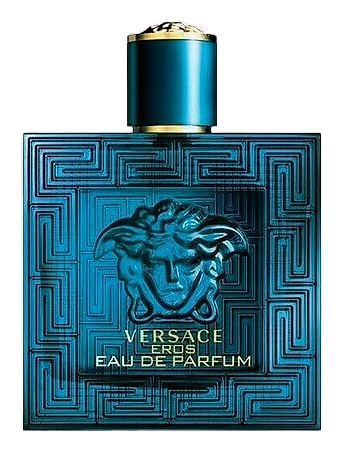
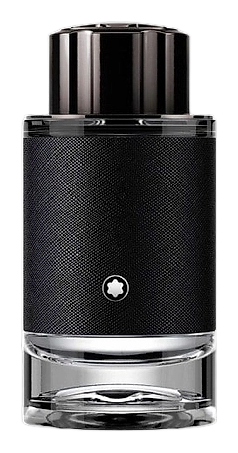
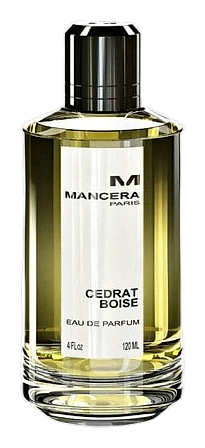
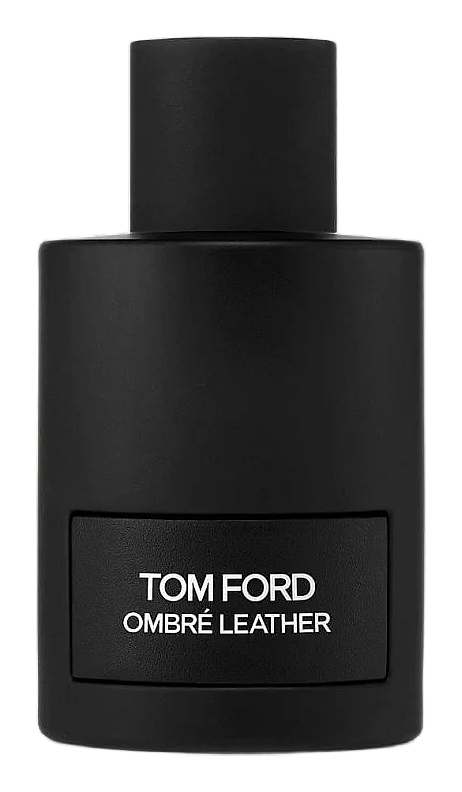
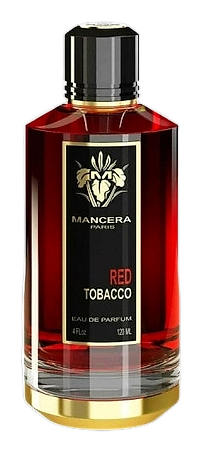

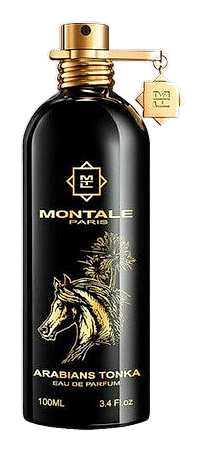


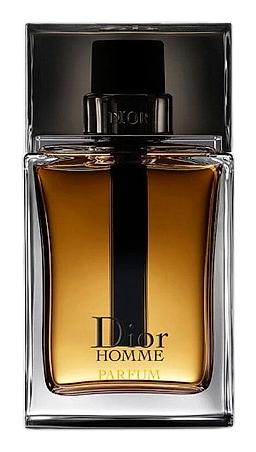
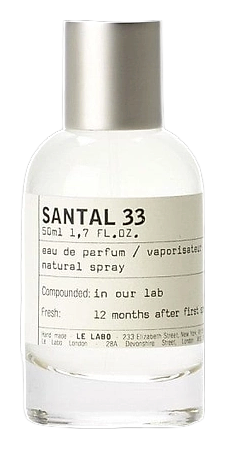

Brands
Brands known for Leather
Good to know
Questions, answered
The essentials on Leather in perfumery: how it smells, where it comes from, and how it behaves on skin.
Is leather a natural fragrance ingredient?
No. Leather is not extracted from animal hides. It is a constructed accord, typically combining birch tar, castoreum, labdanum, styrax, and synthetics to evoke the characteristic scent of tanned hides.
What does leather smell like in perfume?
Leather captures warm, smoky, and slightly animalic qualities. Birch tar adds dry smokiness, castoreum contributes animalic depth, while vanilla and resinous materials soften the effect into something warm and sensual.
What materials build a leather accord?
Perfumers layer birch tar for smoky dryness, castoreum for animalic warmth, and labdanum for resinous depth. Styrax and vanilla add sweet-balsamic qualities. Modern synthetics complete profiles while offering consistency and ethical sourcing.
When did perfumers start using leather notes?
Around 2000 BC, Asian tanners began treating hides with kumquat bark. The practice advanced through medieval Spain and peaked in 16th century France, where glove perfumers created scented leather accessories.
Is leather a base, middle, or top note?
Leather functions as a base note. Its molecular weight ensures longevity, typically lasting four to eight hours while merging with skin chemistry to produce a lingering, intimate effect.
How do I recognize leather in a fragrance description?
Look for descriptors like smoky, tarry, birch, or animalic. Pairings with tobacco, spices, or woods indicate stylistic variations. Brands including Tom Ford, Serge Lutens, and Amouage feature prominent leather notes.
Are leather fragrances always animal-derived?
No. Modern leather accords often rely entirely on synthetics like safraleine and birch tar derivatives. This makes contemporary leather fragrances suitable for vegan and cruelty-free formulations.
Which fragrance families commonly use leather notes?
Leather appears across chypre, fougere, and oriental families. It anchors men's fragrances and appears in unisex and women's compositions. The note remains versatile, grounding florals and adding structure to orientals.