Castoreum
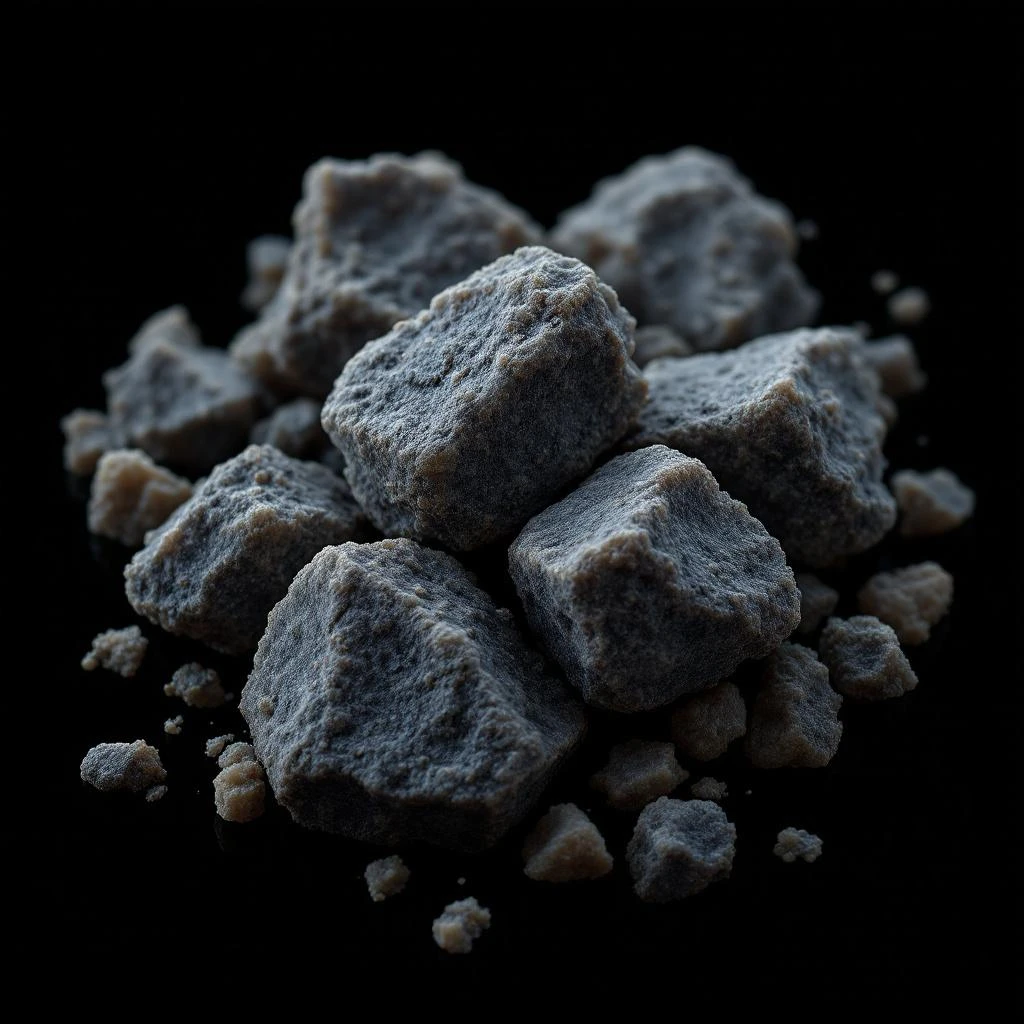
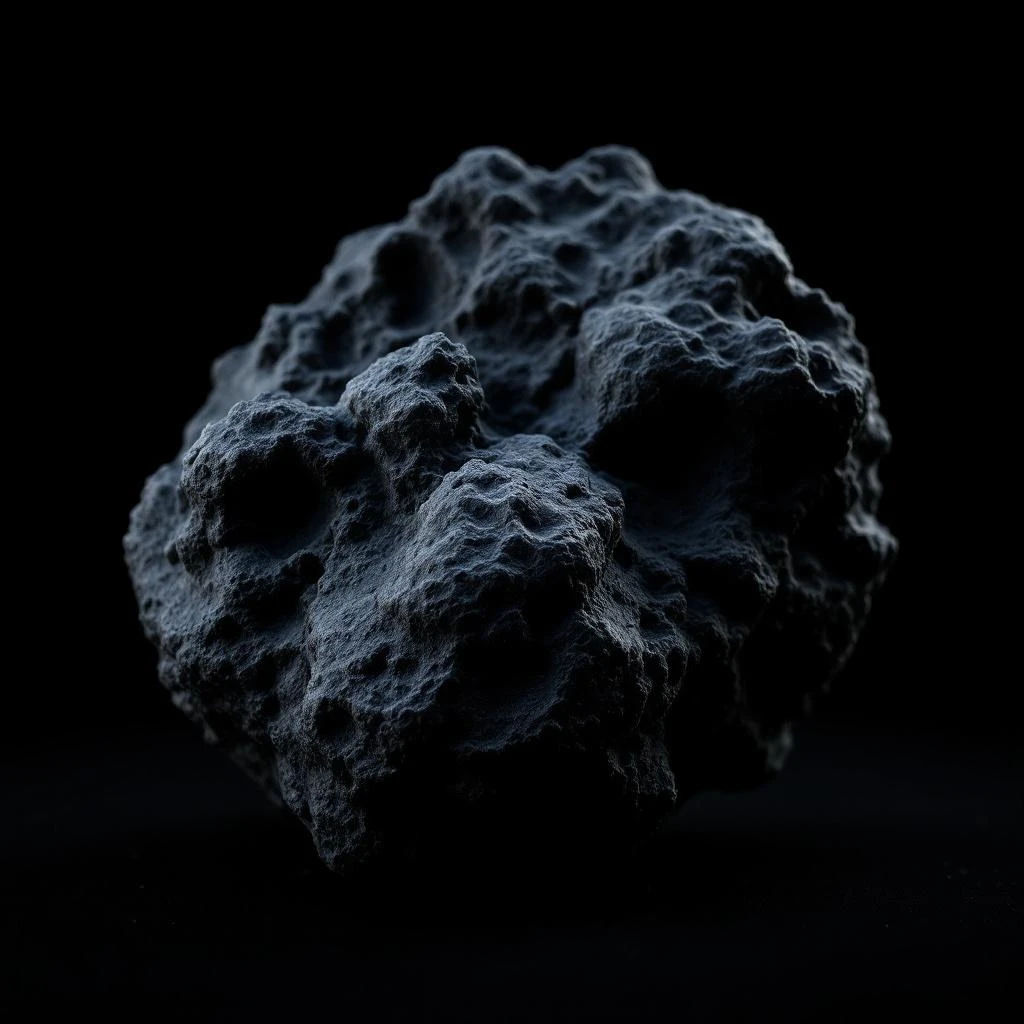
Extracted from the castor glands of beavers, castoreum delivers a rich, animalic warmth once prized by Victorian perfumers. Today, synthetic versions replicate its leathery, sensual depth with remarkable accuracy.
Character
How it smells
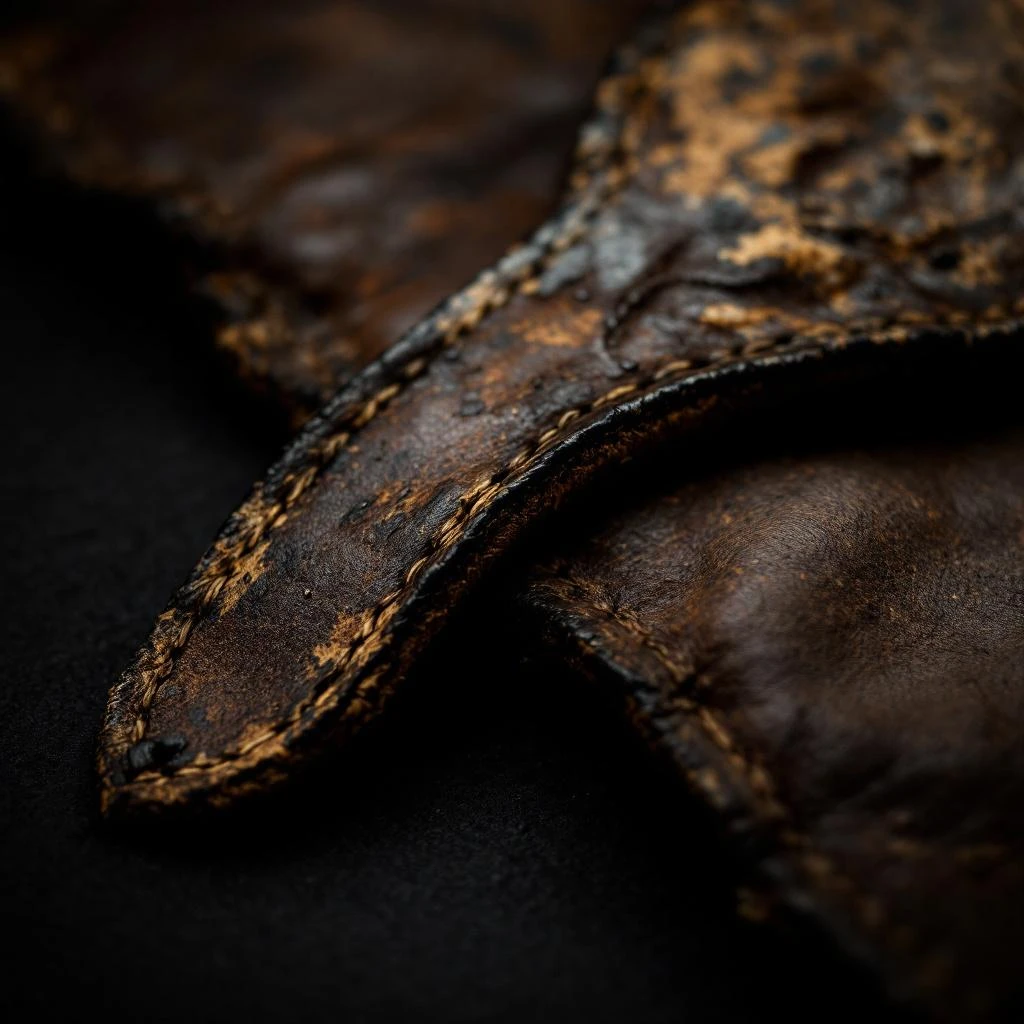
Animalic warmth with a leathery, sensual core.
FDA-approved as a natural flavoring, castoreum appears in many raspberry-scented products, from yogurts to perfumes.






Origin
Canada
Beaver castoreum held significance across multiple cultures long before perfumery discovered its value. Ancient Egyptians used it in medicinal preparations, while Chinese and Korean traditions incorporated it into remedies. European naturalists documented its use from the Middle Ages onward, typically as a treatment for various ailments.
The material entered perfumery during the 18th century, when Victorian craftsmen recognized its exceptional fixative properties. Castoreum became prized for making fragrances last longer while adding a warm, animalic dimension that elevated luxury compositions. Its use continued through the 19th century, appearing in prestigious fragrance houses across Europe.
By the early 1900s, shifting ethical standards and conservation concerns prompted the development of synthetic alternatives. Today, perfumers draw from these laboratory-created versions, preserving castoreum's olfactory legacy without compromising animal welfare or depleting wild populations.
Wears it best
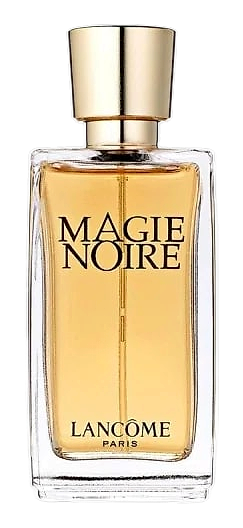
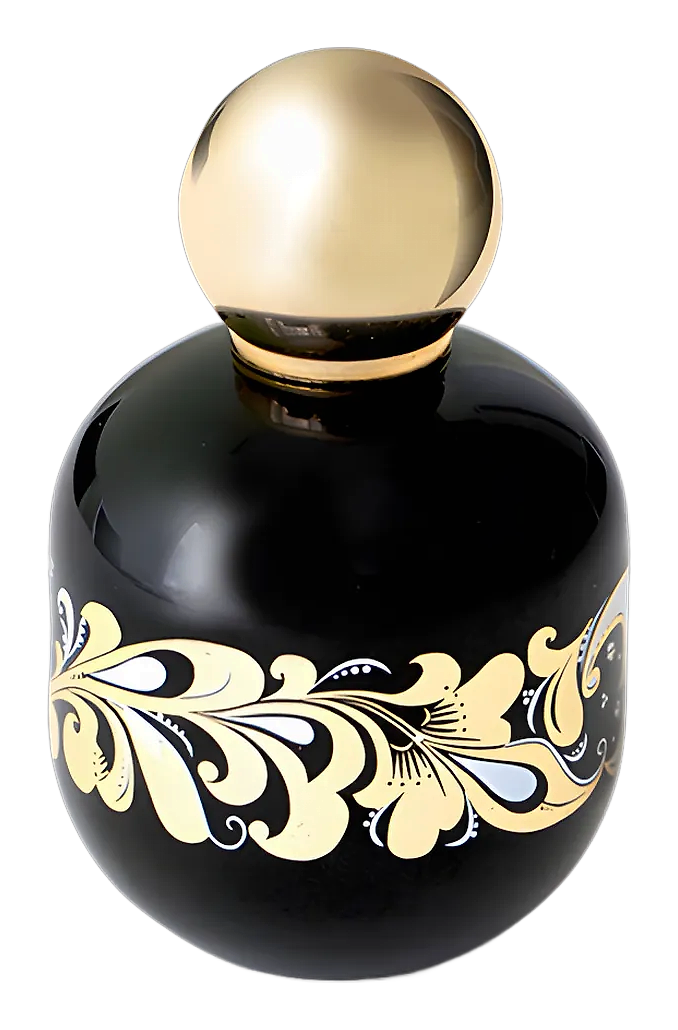
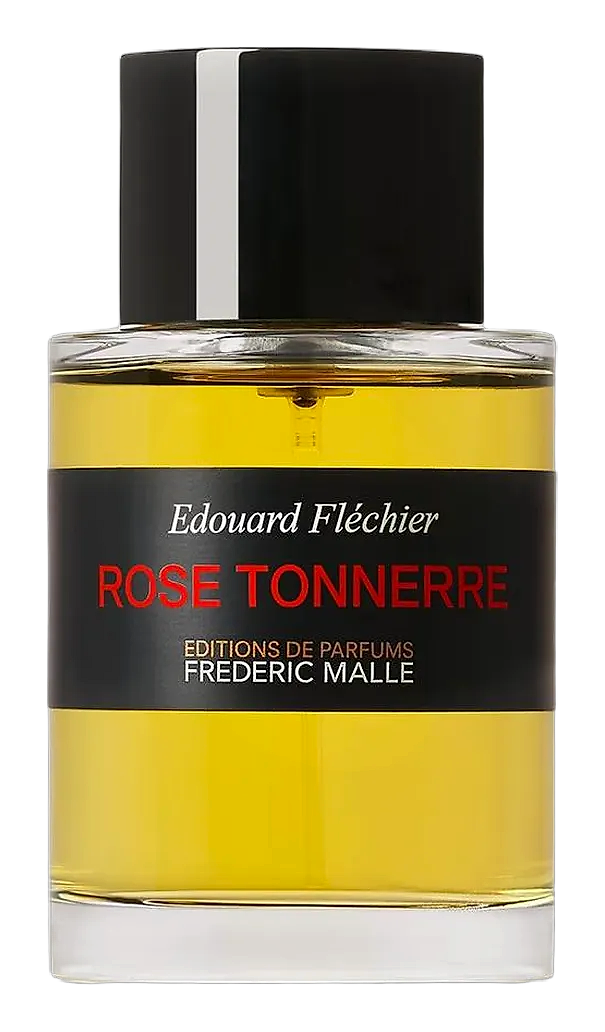
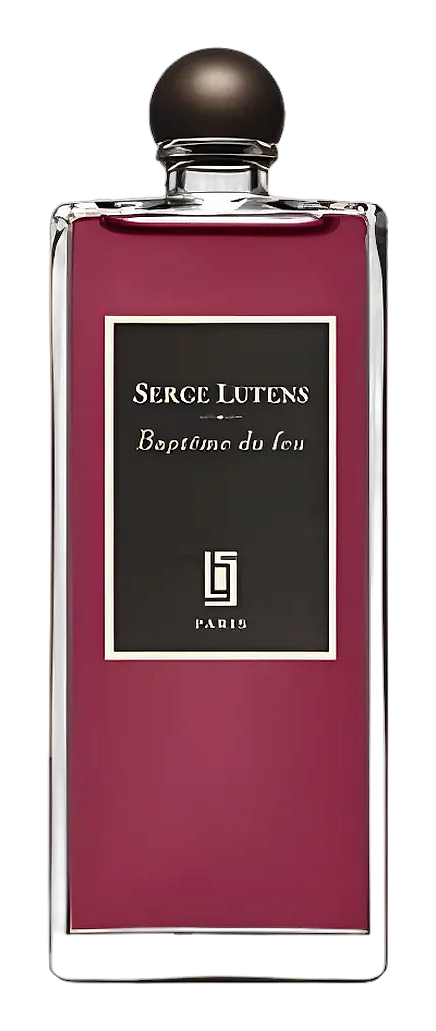
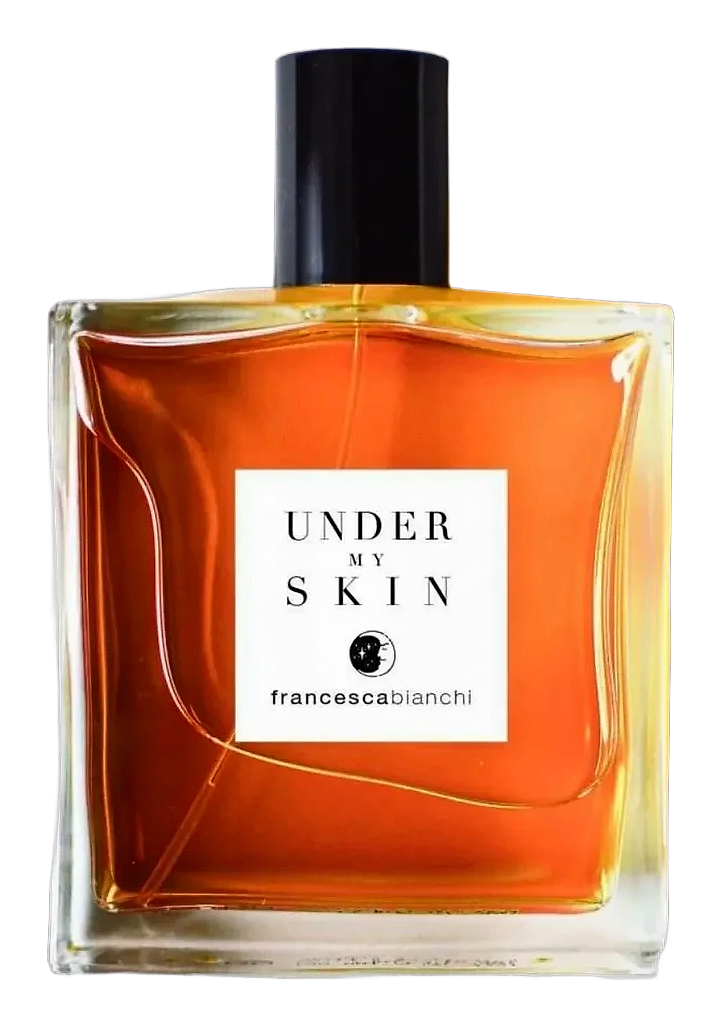
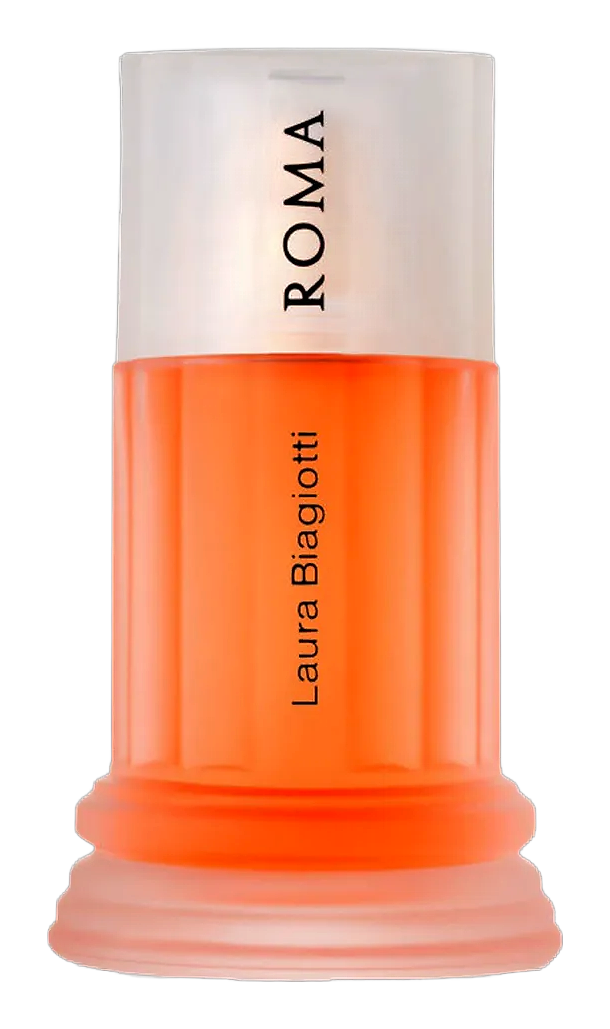
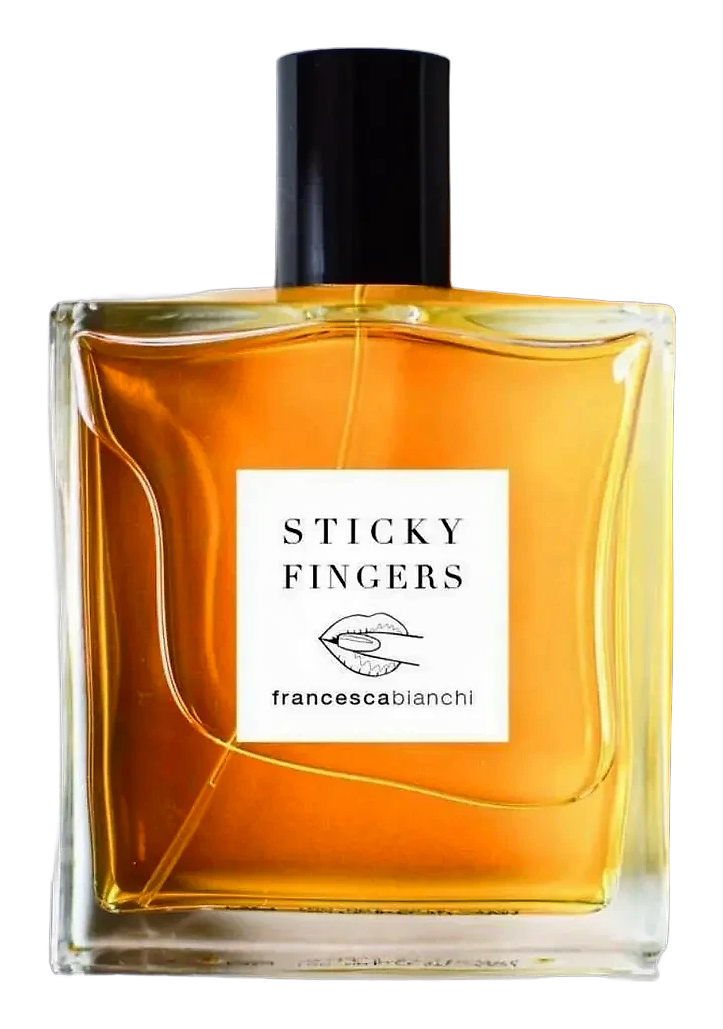
Fragrances featuring Castoreum
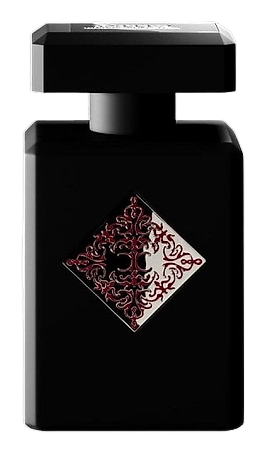
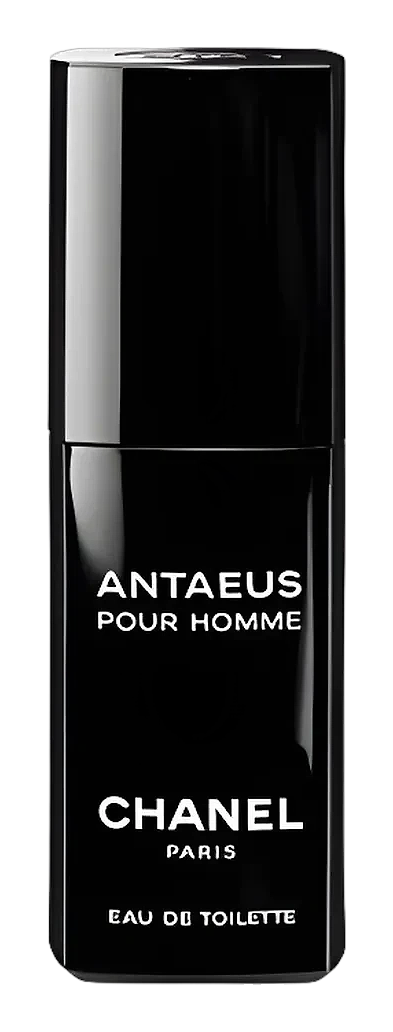
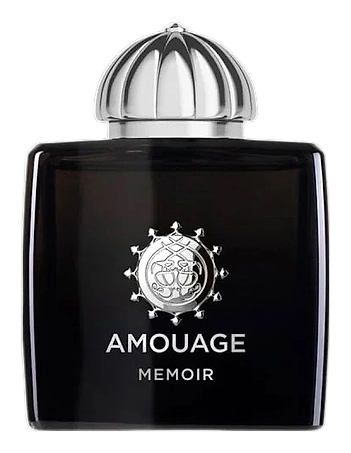
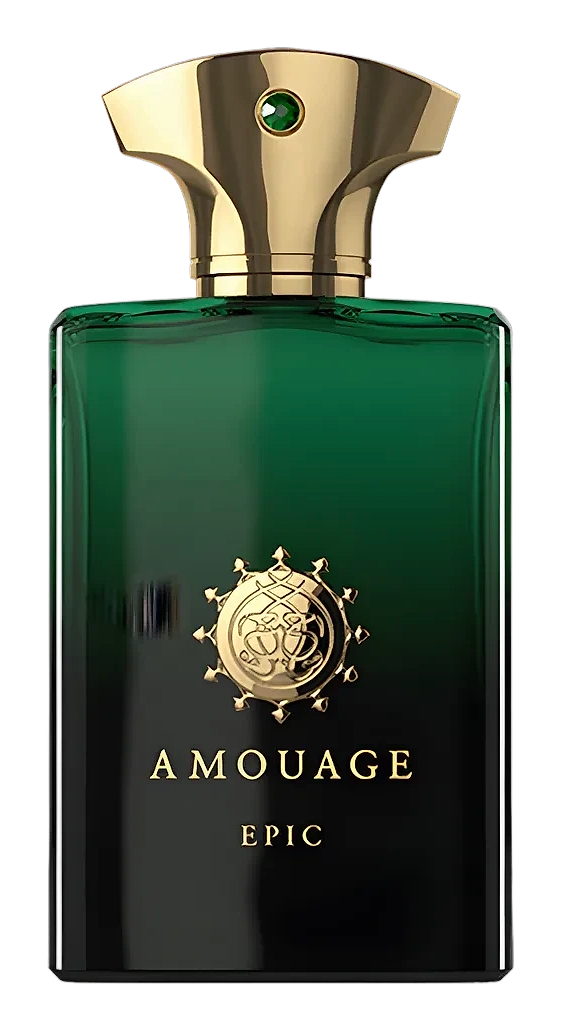

Brands
Brands known for Castoreum
Good to know
Questions, answered
The essentials on Castoreum in perfumery: how it smells, where it comes from, and how it behaves on skin.
What is castoreum in perfumery?
Castoreum is an animalic perfume ingredient sourced from the castor glands of North American and European beavers. These glands, located near the base of the tail, produce a musky secretion the animals use for territorial marking. The substance has been prized in perfumery for centuries for its complex, warm, and sensual aroma that adds depth to luxury fragrances.
What does castoreum smell like?
Natural castoreum carries notes of leather, warm tobacco, animalic skin, and a subtle rawness that creates depth in fragrance compositions. Synthetic versions successfully replicate this layered character, offering perfumers the animalic warmth without ethical concerns of harvesting from live animals.
Is castoreum still harvested from beavers?
Synthetic castoreum has largely replaced natural extraction since the early 20th century. This shift reflects both ethical considerations and sustainability concerns, as the natural material requires harvesting from beaver glands through a process that is not animal-friendly. Modern perfumers access the same olfactory qualities through laboratory-created alternatives.
Why did Victorian perfumers use castoreum?
Victorian perfumers prized castoreum for its fixative properties, which extended fragrance longevity and added animalic depth. The substance distinguished luxury perfumes, becoming a secret weapon in prestigious compositions of the era. Its warm, sensual character created signatures that captivated aristocratic clientele across Europe.
Is castoreum used in food products?
The FDA classifies castoreum as a natural flavoring, permitting its use in food products under conditions of good manufacturing practice. The substance appears in various foods, contributing to raspberry and other fruit flavors. This dual use across fragrance and food industries makes castoreum unique among animalic perfume ingredients.
What species of beaver produce castoreum?
Two beaver species produce castoreum: the North American beaver (Castor canadensis) and the European beaver (Castor fiber). Historically, Canadian beaver populations supplied most commercial material, as fur trade operations provided access to glands during pelt processing.
How do perfumers use castoreum today?
Contemporary perfumers primarily use synthetic castoreum recreations, which capture the original's warm, animalic character. The ingredient typically appears in minute concentrations, functioning as a fixative that rounds out fragrance compositions. It pairs well with other animalic notes like musk and civet, as well as warm oriental bases.
Does castoreum come from beaver anal glands?
Castoreum originates from the castor glands, which are scent glands positioned near the beaver's tail base, not directly from anal glands. These specialized structures produce the musky secretion beavers use for territorial communication. The material requires careful extraction and processing before perfumery use.