The Story
Why it exists.
The beginning
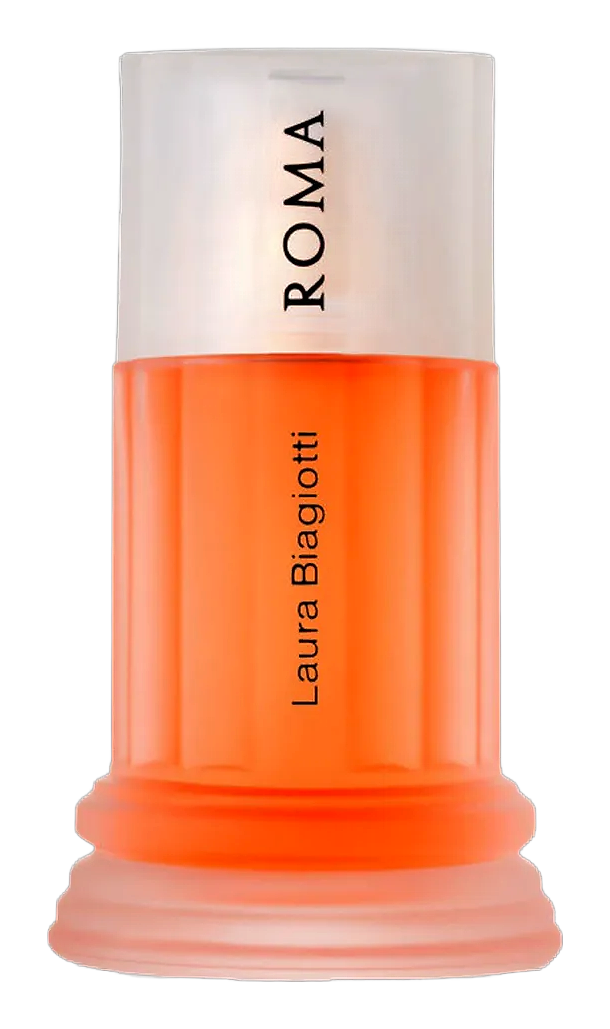
Roma was born in 1988, inspired by the Eternal City itself, not as a concept, but as a sensory experience. The brief was to bottle the feeling of Roman afternoon light falling on ancient stone, the city's layered history translated into warmth and depth. Bergamot from Sicily opened the composition bright and citrus-sharp, then gave way to florals and amber. Laura Biagiotti wanted a fragrance that felt like walking through Rome, every layer visible, every surface warm to the touch. The result was a floral-oriental that captured the city's timelessness without replicating it.
The combination of castoreum and civet in the base is what sets Roma apart. Both are animalic ingredients, rarely used in modern perfumery, civet especially has fallen out of favor due to ethical sourcing concerns. Together they create a refined sensuality that reads as almost skin-like rather than heavy or controversial. In the drydown, this animalic warmth becomes the fragrance's quiet signature, a depth that most compositions in the same accord family simply don't have. It's the kind of boldness that was characteristic of 1980s Italian perfumery, and it still works.
The evolution
The opening hits bright and tart, mint and blackcurrant arrive together, the blackcurrant giving the mint something to hold onto. Within minutes the florals push forward, faster than expected. Carnation's spice cuts through the sweetness of jasmine and rose, and lily of the valley adds a green edge that keeps the heart from getting too soft. The carnation is the tell, it never fully disappears. By the drydown, amber and myrrh take over, wrapping the florals in warmth. Vanilla and musk create a soft, powdery closeness that stays intimate and close to the skin. The civet is present but refined, it adds depth rather than shock. Patchouli and myrrh keep the earthiness. The drydown lasts for hours, you can still catch that sweet, powdery warmth the next morning.
Cultural impact
Roma arrived in 1988 as a feminine counterpart to the house's masculine release, crafted for women who wanted that Mediterranean sensibility. It became a signature for those drawn to Italian perfumery, floral-oriental with real character and longevity. While it hasn't reached the icon status of some contemporaries, it maintains a devoted following among collectors who value that 1980s Italian boldness and don't need their fragrance to announce itself.