    Brand Profile

    Laura Biagiotti began as an Italian fashion house in the early 1970s and later expanded into fragrance, creating a line that reflects the br…More

    Italy·Est. 1972·Site

    2

    Fragrances

    4.3

    Rating

    Just Landed

    New Arrivals

    The latest additions to the Laura Biagiotti collection.

    47
    Roma Uomo Eau de Toilette Cedro by Laura Biagiotti – Eau de Toilette
    Best Seller
    4.4

    Roma Uomo Eau de Toilette Cedro

    Eau de Toilette

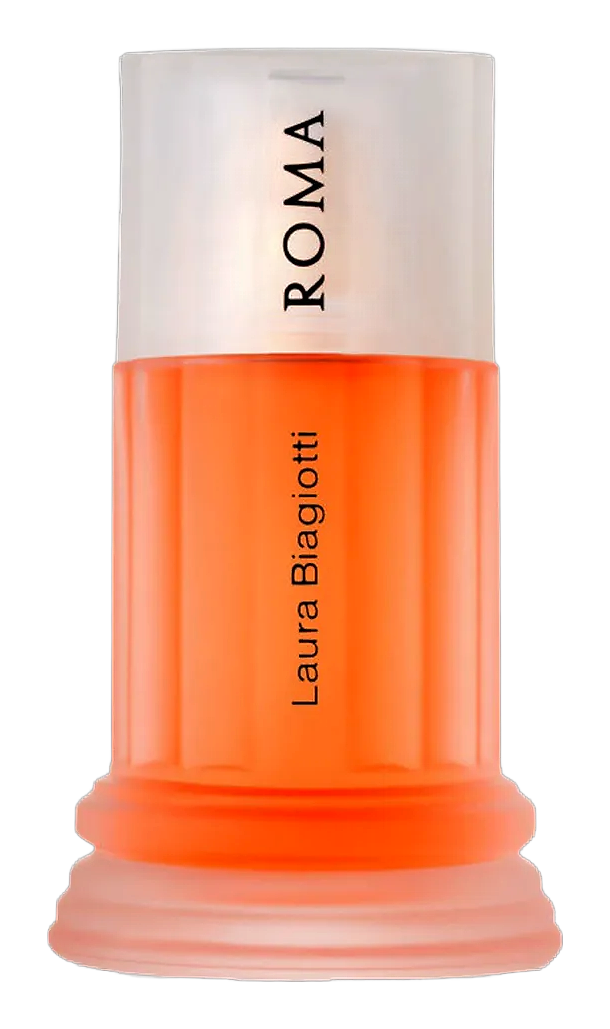
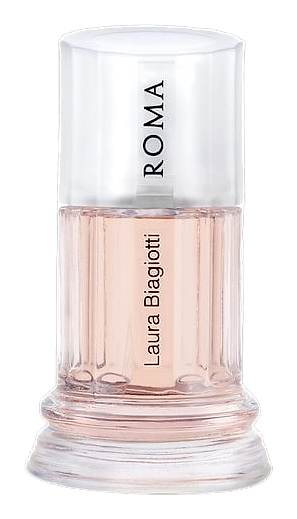
    Roma (Eau de Toilette) by Laura Biagiotti – Eau de Toilette
    4.1

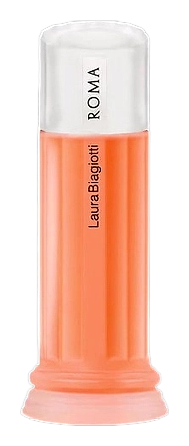
    Roma (Eau de Toilette)

    Eau de Toilette

    Roma Uomo Nero Estremo by Laura Biagiotti
    NewBest Seller
    4.3

    Roma Uomo Nero Estremo

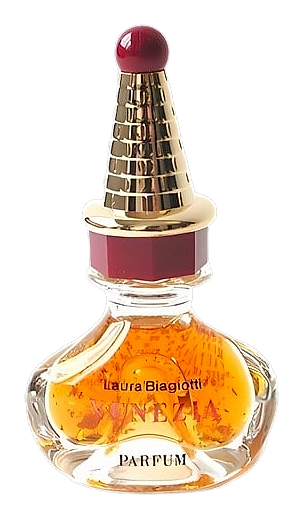
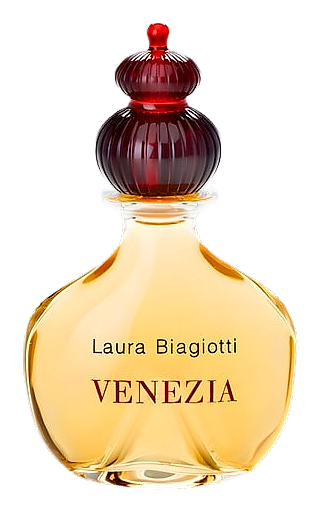
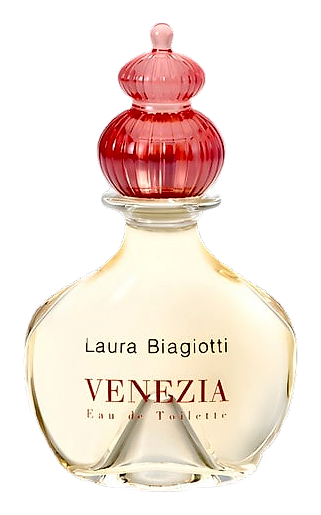
    Venezia by Laura Biagiotti
    Best Seller
    4.3

    Venezia

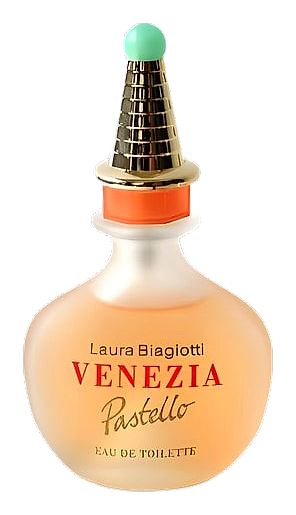
    Venezia Pastello by Laura Biagiotti
    4.3

    Venezia Pastello

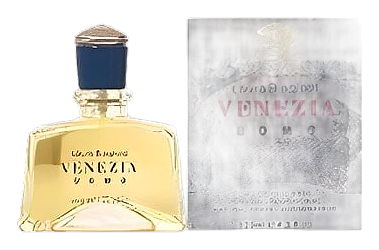
    Venezia Uomo by Laura Biagiotti
    4.3

    Venezia Uomo

    Sotto Voce by Laura Biagiotti
    4.2

    Sotto Voce

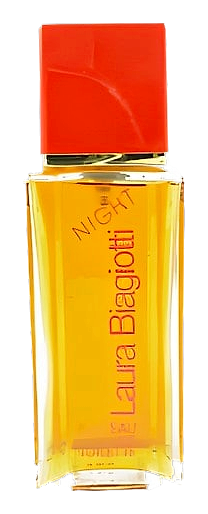
    Night by Laura Biagiotti
    4.2

    Night

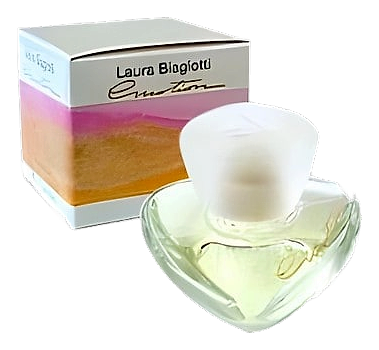
    Emotion by Laura Biagiotti
    4.2

    Emotion

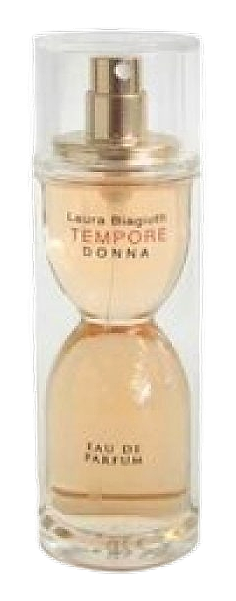
    Tempore Donna by Laura Biagiotti
    4.2

    Tempore Donna

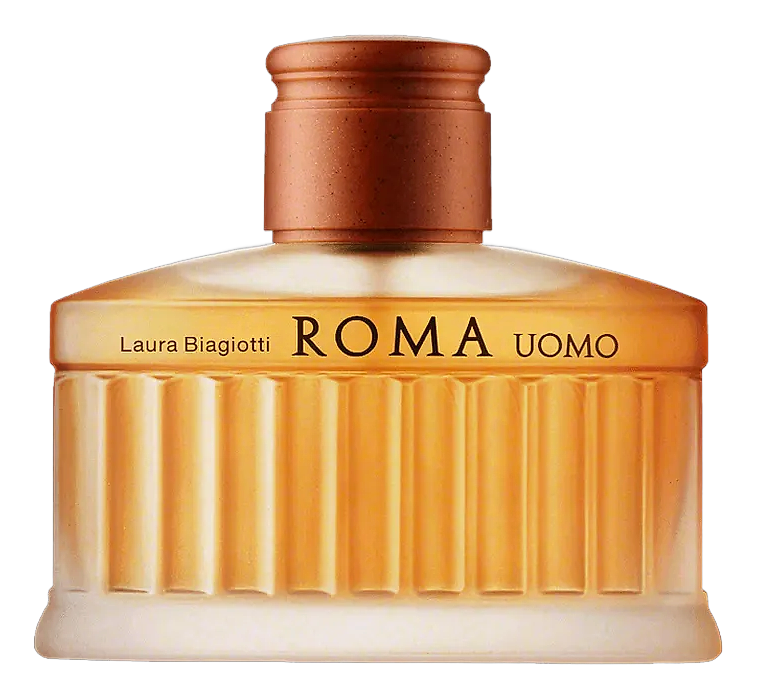
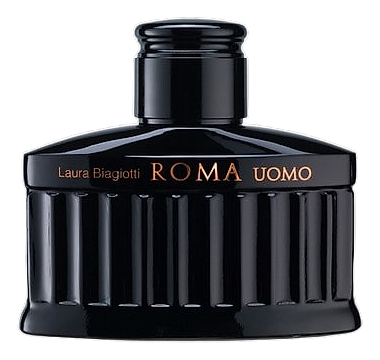
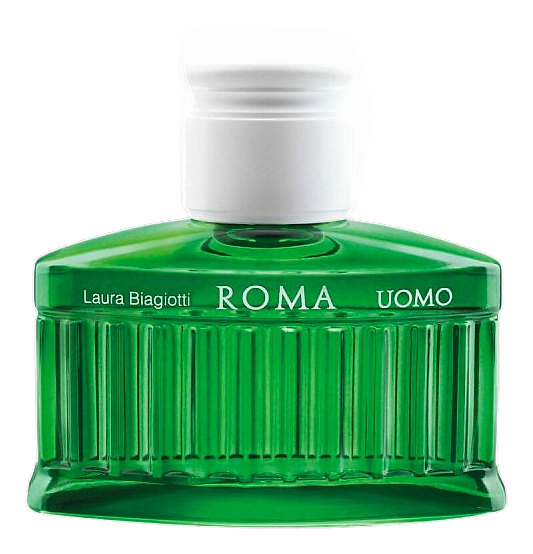
    Roma Uomo by Laura Biagiotti
    4.1

    Roma Uomo

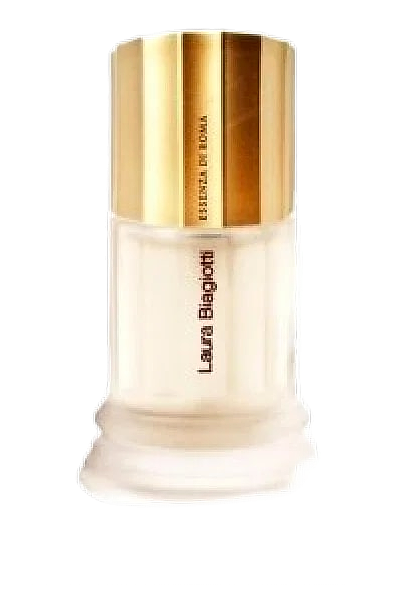
    Essenza di Roma by Laura Biagiotti
    4.1

    Essenza di Roma

    1 of 4

    The Heritage

    The Story of Laura Biagiotti

    Laura Biagiotti began as an Italian fashion house in the early 1970s and later expanded into fragrance, creating a line that reflects the brand’s architectural roots and Mediterranean sensibility. The perfume portfolio mixes classic Italian ingredients with contemporary structures, offering scents that feel both familiar and unexpected. From the early floral launch of Fiori Bianchi in 1982 to the recent Roma Uomo Nero Estremo in 2025, each fragrance carries a sense of place and a quiet confidence that appeals to collectors who value depth over flash.

    Heritage

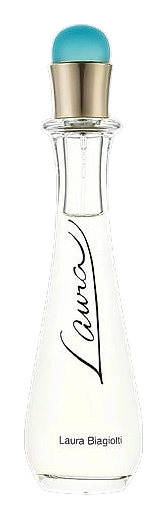
    Laura Biagiotti was founded in 1972 by the eponymous designer, Laura Biagiotti (1943‑2017), in Florence. She quickly earned a reputation for relaxed elegance, a style that contrasted with the more formal Italian couture of the era. In 1982 the house entered the perfume market with Fiori Bianchi, a fresh floral that introduced the brand’s approach to scent as an extension of its clothing philosophy. The following year the fashion house opened a flagship store in Milan, cementing its status among Italy’s leading designers. 1988 marked the debut of Roma, a fragrance inspired by the timeless stones and sunsets of the Italian capital; the scent’s success encouraged the brand to explore regional narratives, leading to the launch of Venezia in 1992, a tribute to the lagoon city’s pastel light. The same year saw the introduction of Roma Uomo, a masculine counterpart that balanced amber warmth with citrus brightness. 1994 brought Laura, a water‑fresh floral created by perfumer Anne Flipo, highlighting the house’s willingness to collaborate with noted noses. The mid‑1990s added a series of variations—Venezia Pastello (1995), Venezia Uomo (1995), Sotto Voce (1996) and Night (1985, re‑issued) — each reinforcing the brand’s commitment to storytelling through scent. In 2001 the Roma line was refreshed, aiming to reach a new generation of consumers while preserving the original’s architectural inspiration. The early 2000s also saw the brand expand into niche markets, partnering with independent boutiques across Europe and Asia. 2025 introduced Roma Uomo Nero Estremo, a limited‑edition reinterpretation that uses a darker amber base and a crystal‑clear bottle, underscoring the house’s ongoing dialogue between heritage and innovation. Throughout its history, Laura Biagiotti has remained anchored in Italian craftsmanship, using local suppliers for raw materials and maintaining production in Italy whenever possible, a practice that reinforces the brand’s regional identity while meeting global demand.

    Craftsmanship

    Production at Laura Biagiotti follows a meticulous process that begins with ingredient selection. The house sources Italian citrus from Sicily, Tuscan lavender, and rare Bulgarian rose oil, often visiting farms to verify harvesting methods. For woody components, the brand works with sustainable forests in the Balkans, ensuring that each batch meets strict ecological standards. Once raw materials are approved, they are sent to partnered laboratories in Grasse, France, where perfumers such as Anne Flipo translate the brand’s brief into a formula. The blending stage involves precise temperature control and timed maceration, allowing volatile top notes to settle before base notes are introduced. After the perfume is stabilized, it undergoes a series of quality checks, including gas chromatography to confirm concentration levels and sensory panels that evaluate balance and longevity. Bottling takes place in Italy, where artisans hand‑assemble each vessel, inspect seals, and apply the brand’s signature label with a laser‑etched logo. For limited editions like Roma Uomo Nero Estremo, the house commissions crystal bottles from a Venetian glassmaker, adding an extra layer of artisanal craftsmanship. Throughout the process, the brand records each step in a digital ledger, enabling traceability from farm to final product. This commitment to transparency and quality ensures that every bottle reflects the house’s dedication to refined, responsible perfumery.

    Design Language

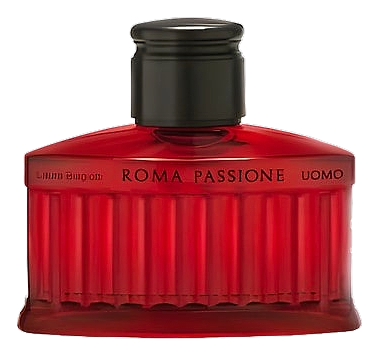
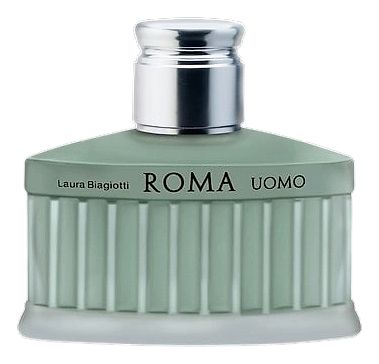
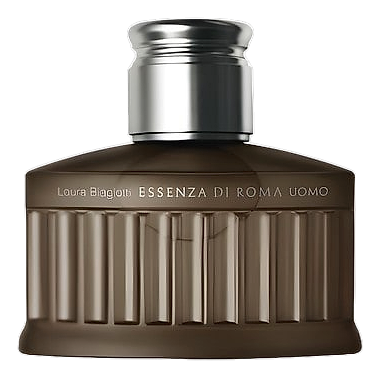
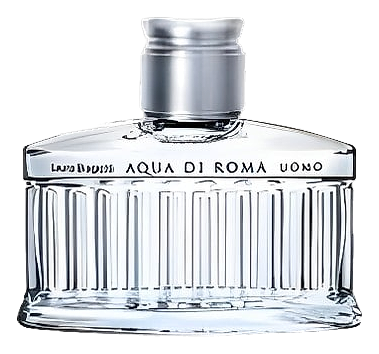
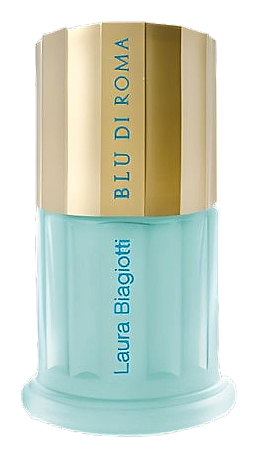
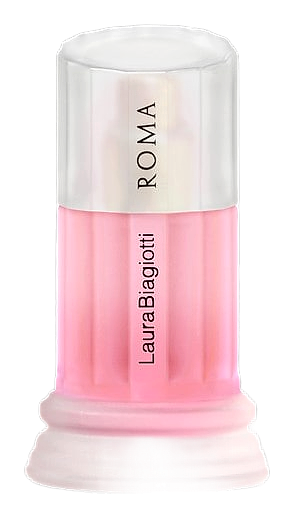
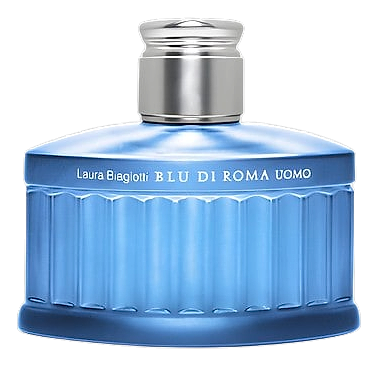
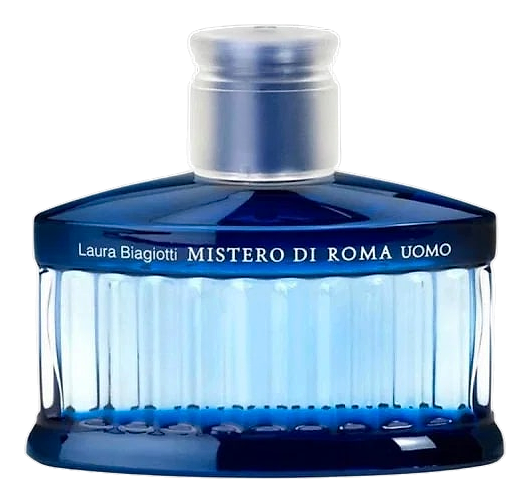
    Visually, Laura Biagiotti draws on the clean lines of Italian modernism. Early bottle designs featured simple, rounded silhouettes in soft pastel glass, echoing the gentle hues of the brand’s Venezia collection. The Roma line introduced a more structured form, with a matte amber bottle that references the warm stones of the Roman Forum. Typography across packaging uses a classic serif font, paired with subtle gold foil accents that suggest timeless elegance without excess. Seasonal campaigns often showcase the fragrances against architectural backdrops—ancient arches, marble columns, or Venetian canals—reinforcing the narrative that scent is a built environment. The brand’s advertising photography favors natural light and muted color palettes, allowing the product to speak rather than dominate the scene. In recent years, limited editions have experimented with crystal and frosted glass, yet they retain the same restrained branding, ensuring continuity across the portfolio. The overall image projects a calm confidence, inviting consumers to experience a scent as a quiet, personal architecture rather than a loud statement.

    Philosophy

    The creative vision at Laura Biagiotti rests on a belief that fragrance should echo the architecture of everyday life. The brand treats scent as a spatial experience, arranging notes the way a designer arranges lines on a runway. Values such as authenticity, respect for natural ingredients, and understated elegance guide every decision. Rather than chasing trends, the house studies the cultural context of each collection, translating the colors of a city or the texture of a stone into olfactory form. This approach leads to compositions that feel rooted in place yet adaptable to personal expression. The brand also emphasizes sustainability, opting for responsibly harvested botanicals and supporting Italian farms that practice low‑impact agriculture. Collaboration with perfumers is treated as a dialogue; the house provides a narrative brief, and the perfumer interprets it with technical expertise, ensuring that each fragrance remains true to the brand’s story while offering a fresh sensory perspective. The result is a portfolio that balances tradition with contemporary relevance, inviting wearers to explore memory, place, and emotion through scent.

    Key Milestones

    1972

    Laura Biagiotti launches her first women's fashion collection in Florence, establishing the brand's reputation for relaxed elegance.

    1982

    The house releases its inaugural fragrance, Fiori Bianchi, a fresh floral that extends the brand’s aesthetic into perfumery.

    1988

    Roma perfume debuts, inspired by the stones and sunsets of Rome, becoming a signature scent for the label.

    1992

    Venezia is introduced, capturing the pastel light of the lagoon city; the same year sees the launch of Roma Uomo, the masculine counterpart.

    2001

    A refreshed Roma line is launched, aiming to reach a new generation while preserving the original’s architectural inspiration.

    2025

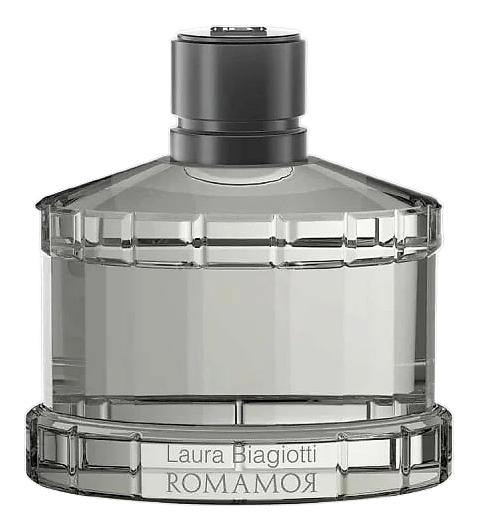
    Roma Uomo Nero Estremo arrives as a limited‑edition reinterpretation, featuring a darker amber base and a crystal‑clear bottle.

    At a Glance

    Brand profile snapshot

    Origin

    Italy

    Founded

    1972

    Heritage

    54

    Years active

    Collection

    2

    Fragrances released

    Avg Rating

    4.3

    Community sentiment

    Release Rhythm

    2025
    2
    2024
    3
    2023
    1
    2022
    1
    2021
    1
    2020
    2
    2019
    2
    2018
    2
    laurabiagiotti.com

    Did You Know?

    Interesting Facts

    Distinctive details and defining moments that shape the house personality.

    01

    Laura Biagiotti was the first Italian designer to present a collection in the Soviet Union, doing so in 1988, the same year her Roma fragrance launched.

    02

    The original Roma perfume used a rare variety of Bulgarian rose that was harvested at dawn to preserve its most volatile aromatics.

    03

    The crystal bottle for Roma Uomo Nero Estremo was handcrafted by a centuries‑old glass studio in Murano, Venice.

    04

    Perfumer Anne Flipo, known for her work with Acqua di Parma, created the 1994 Laura fragrance, marking one of the brand’s early collaborations with external noses.

    05

    The brand’s early fragrance bottles were deliberately designed with pastel glass to evoke the soft light of Venice’s canals.

    The Artisans

    The Perfumers