Blackcurrant
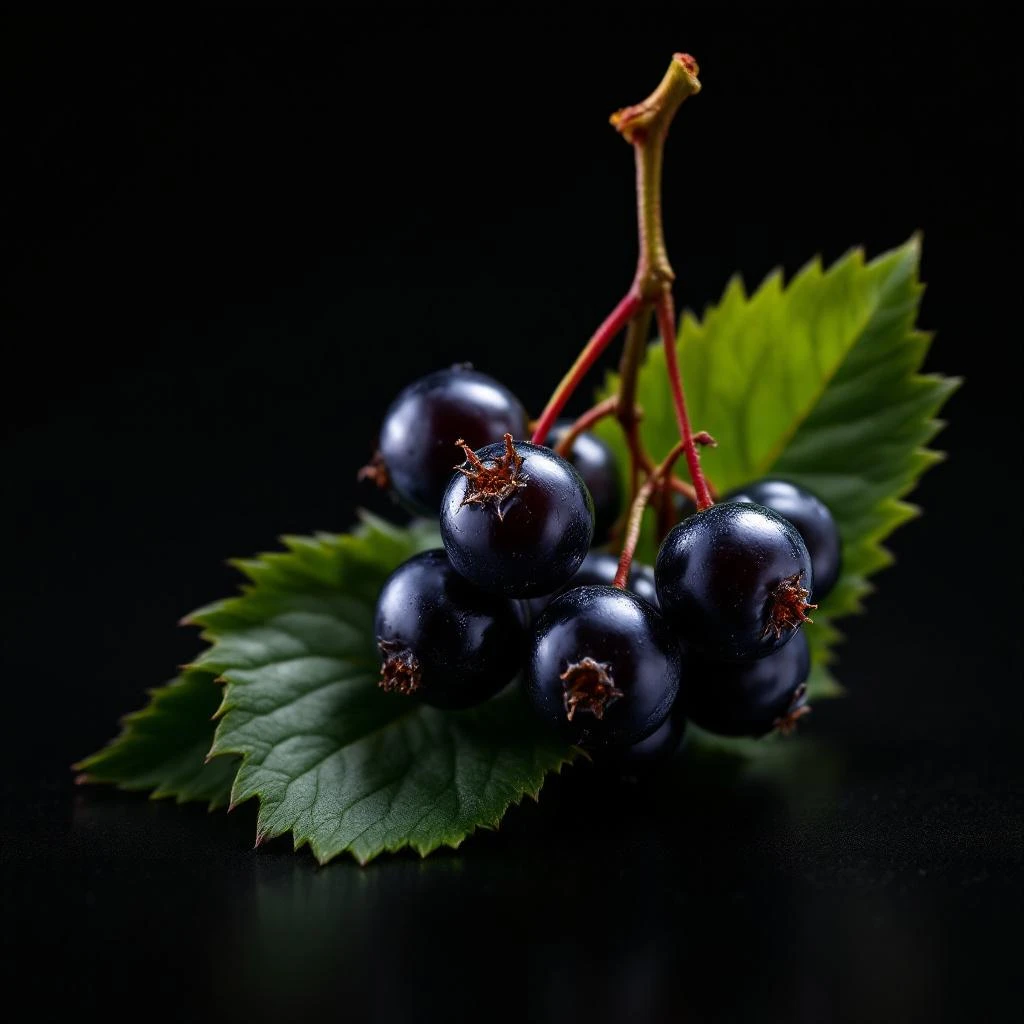
Tart, bright, and unmistakably alive. Blackcurrant brings a sharp berry punch with green, almost animalic depth that few ingredients can match.
Character
How it smells
Berry brightness with a wild edge.
A single sulfur compound in blackcurrant absolute creates its signature catty aroma, detectable at just 0.1 parts per billion.








Origin
France
Blackcurrant grows wild across northern and central Europe, with a documented presence stretching back to ancient Greek civilization. Medieval monasteries cultivated it extensively for medicinal cordials and preserving fruits. France, particularly the Burgundy region, built its reputation around cassis liqueur by the 18th century, cementing the fruit in European culinary culture.
Perfumery adoption moved slowly. While ancient Greeks likely encountered the berry's intense aroma, systematic extraction work began only in the 1960s and 1970s. Bud absolute emerged as a perfumery material during this period, revealing the ingredient's full aromatic potential.
The breakthrough came when Chanel introduced a prominent blackcurrant note in the late 1980s, reshaping the fruity-floral fragrance family. That single creative decision legitimized blackcurrant as a cornerstone modern note, driving its use across generations of fragrances since.
Wears it best
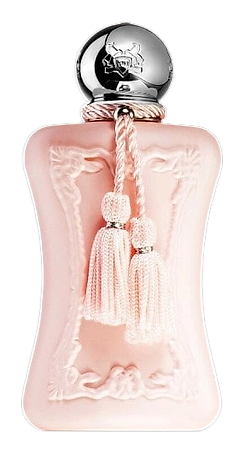
Fragrances featuring Blackcurrant
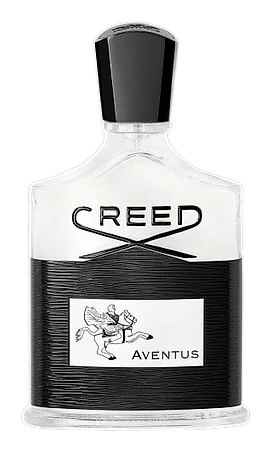
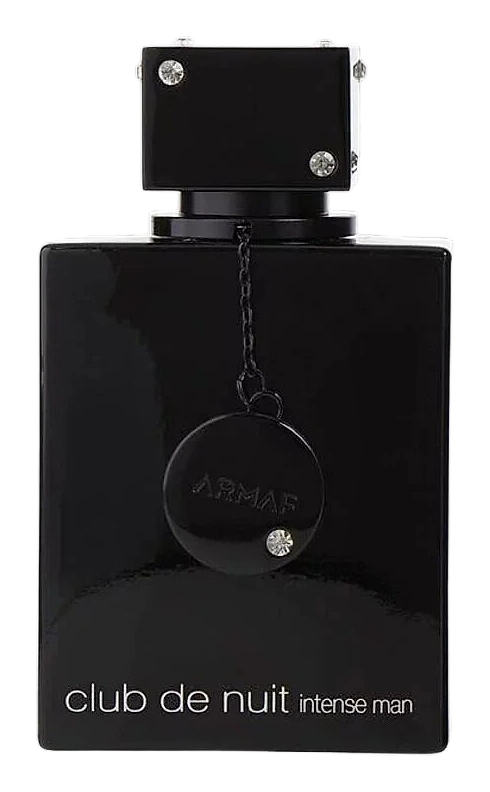
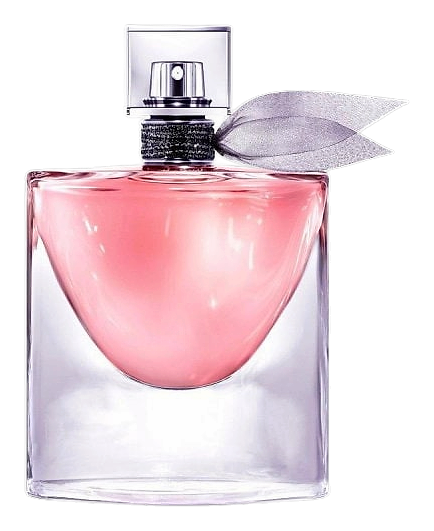



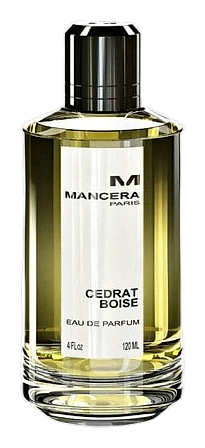
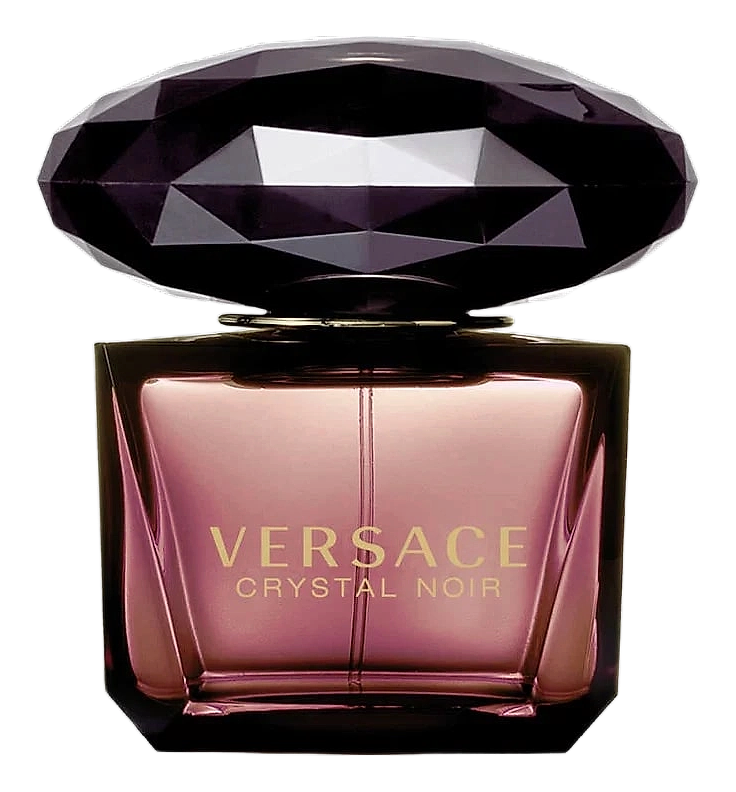
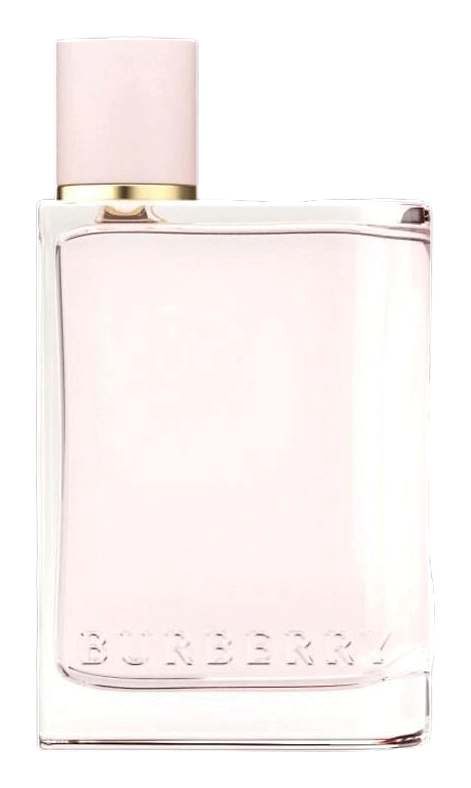
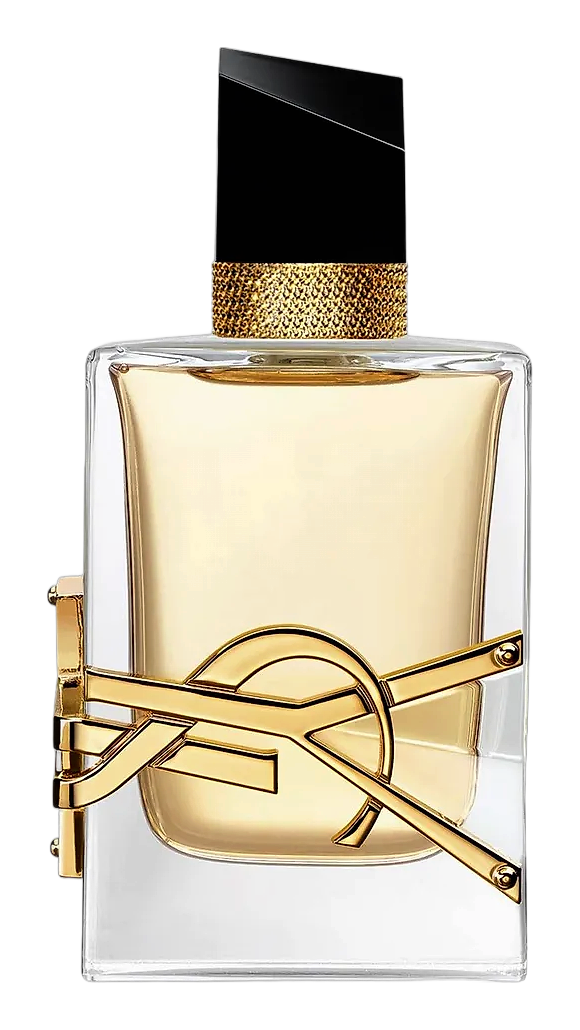
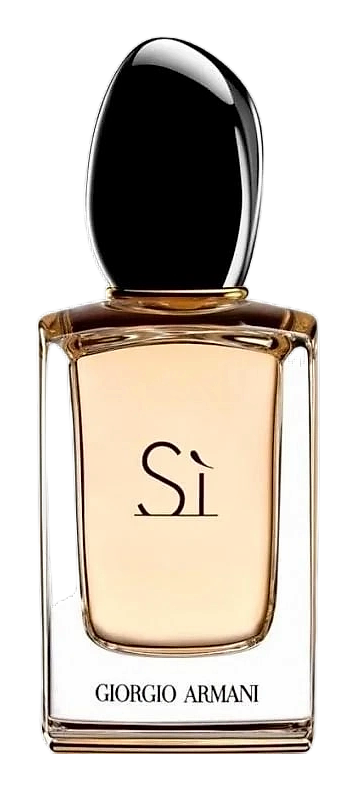
Brands
Brands known for Blackcurrant
Good to know
Questions, answered
The essentials on Blackcurrant in perfumery: how it smells, where it comes from, and how it behaves on skin.
What does blackcurrant smell like in perfume?
Blackcurrant delivers an immediate burst of tart berry sweetness with green, almost medicinal undertones and a distinctive sulfury-catty edge. The overall impression is bright, sharp, and fruity with surprising depth.
Is blackcurrant the same as cassis in perfumery?
Yes. Cassis is the French name for blackcurrant, and perfumers use the terms interchangeably. The bud absolute is sometimes called cassis absolute specifically.
When did blackcurrant become a major perfumery ingredient?
The 1960s and 1970s brought systematic extraction work on blackcurrant buds. A landmark commercial moment arrived in the late 1980s when the note appeared in a signature launch, reshaping the fruity-floral fragrance family permanently.
How is blackcurrant absolute produced?
Fresh flower buds undergo solvent extraction to yield a dark, viscous absolute. A single kilogram of buds produces only 3 to 7 grams of absolute, explaining its rarity and cost.
What is the difference between natural and synthetic blackcurrant?
Natural blackcurrant absolute is rare and expensive. The key aroma compounds, particularly specific thiols, are now synthesized reliably, allowing nature-identical versions to perform with remarkable accuracy in most fragrance applications.
How long does blackcurrant last in a fragrance?
Blackcurrant typically performs as a top-to-heart note, lasting 20 to 40 minutes on skin as a distinct fruity presence before softening into the heart of the composition.
What notes pair well with blackcurrant?
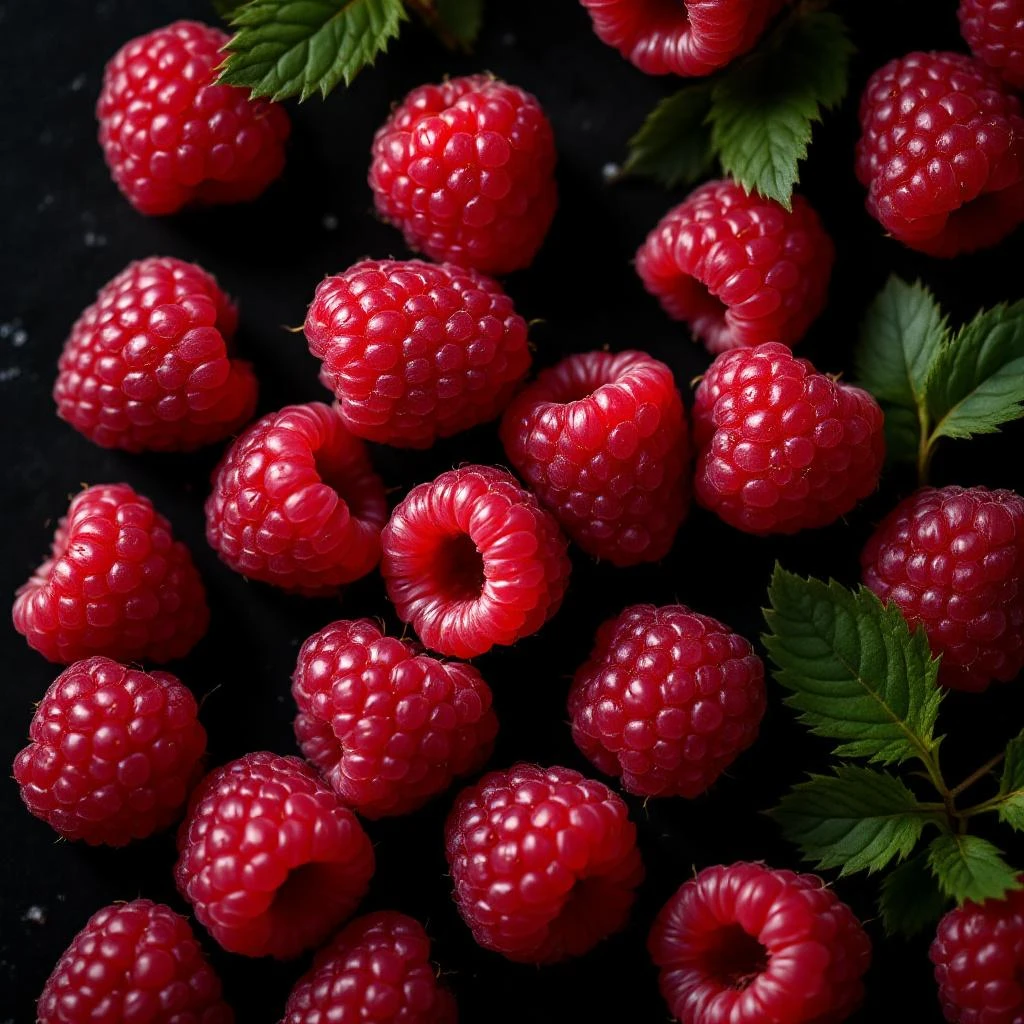
Berry companions like raspberry and strawberry strengthen its fruity character. Florals such as rose and jasmine temper its sharpness. Bases including musk, woods, and amber ground the brightness and extend its presence.
How should blackcurrant fragrance materials be stored?
Keep bud absolute and concentrates in a cool, dark environment away from light and heat. Sealed containers prevent oxidation. Synthetics and nature-identical materials follow the same general storage guidance for longevity.