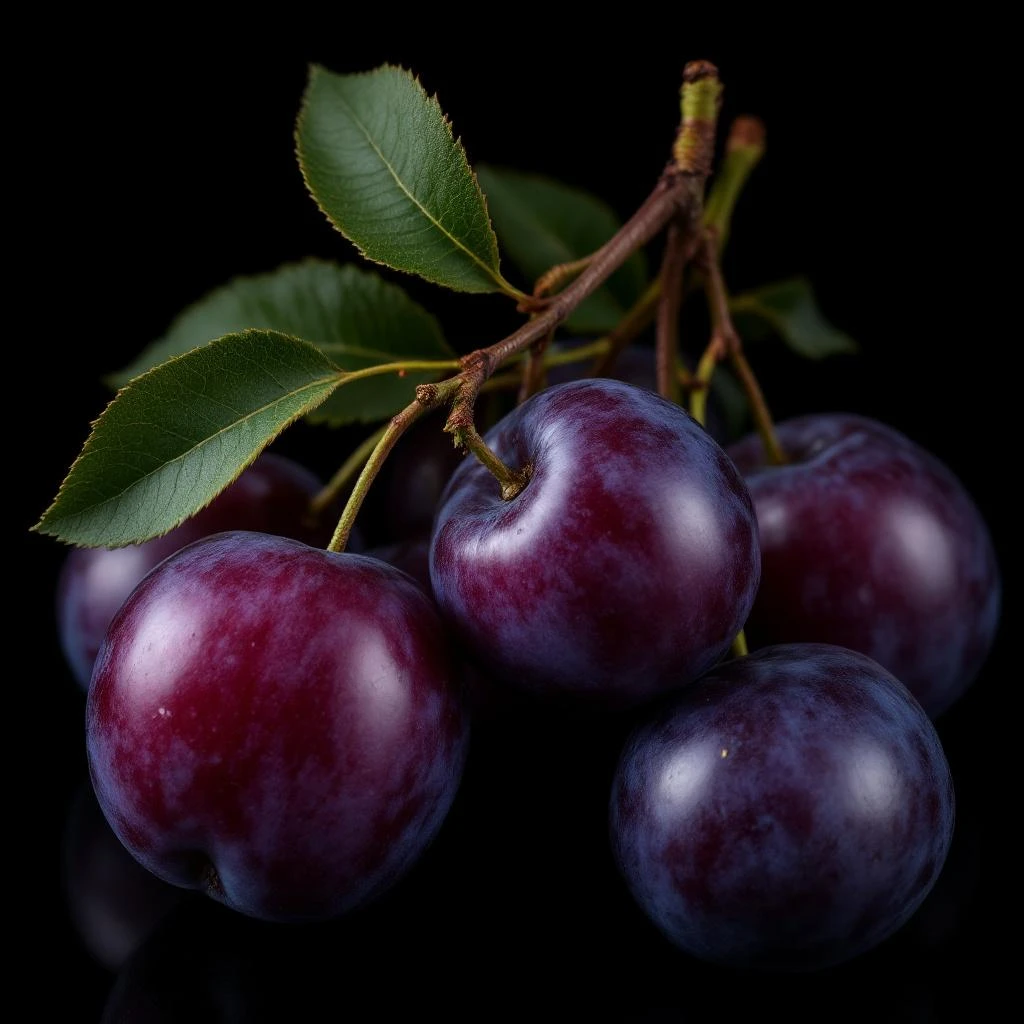
Pear
Pear brings a crisp, watery sweetness to modern perfumery. Its juicy, slightly musky character brightens florals, adds softness to gourmands, and lends an addictive, skin-like freshness to both masculine and feminine compositions.

Character
How it smells
Crisp, juicy, and deceptively complex
True pear fruit contains no aromatic compounds at all; every pear note in perfume is reconstructed molecule by molecule from synthetic esters discovered in the 20th century.









Origin
United Kingdom
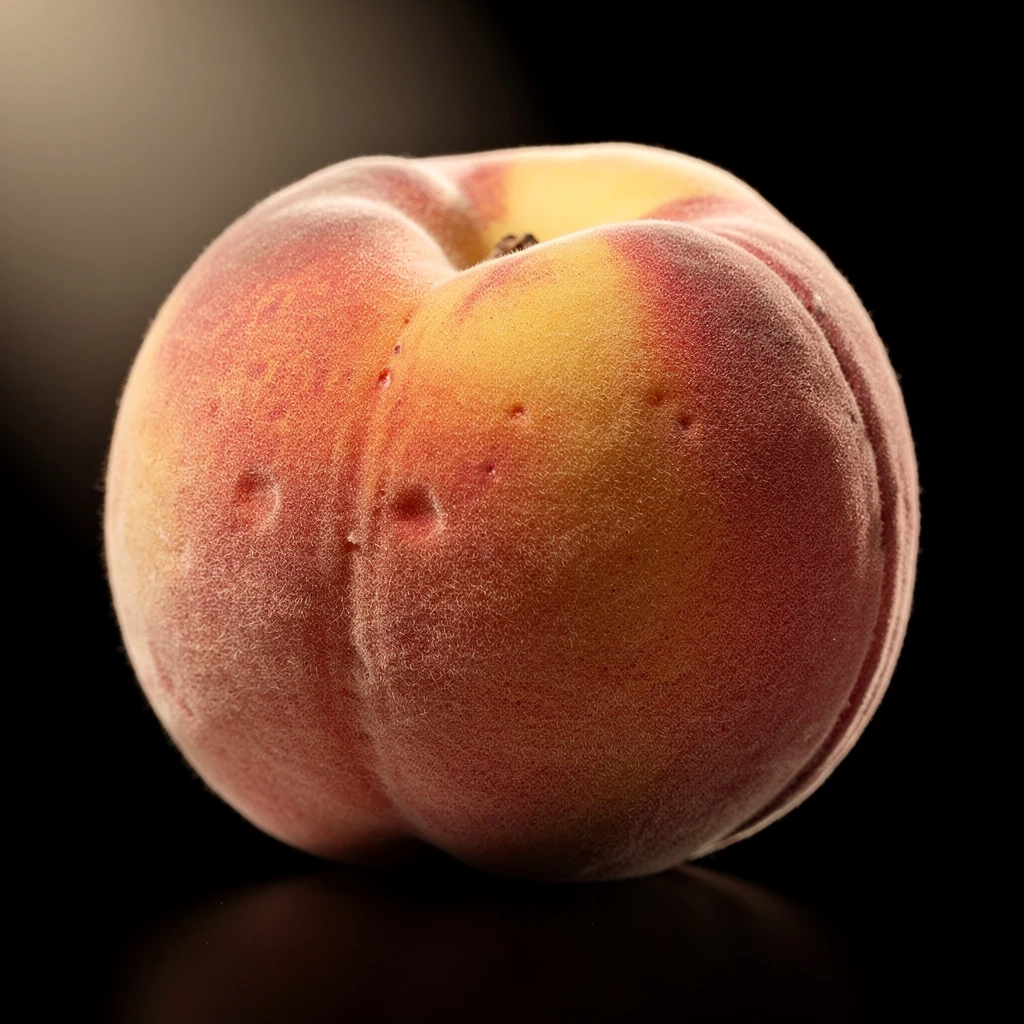
Pear cultivation stretches back thousands of years, with Pyrus communis varieties documented in ancient Persia, Greece, and Rome, where the fruit was valued more as food than as a source of fragrance. The Williams pear, also known as the Bartlett, emerged in 18th century England and became the benchmark variety for aroma research because of its intense, musky sweetness. Despite this long agricultural history, pear did not enter perfumery as a recognizable note until the late 20th century.
Earlier compositions sometimes incorporated pear fruit distillates, but these offered a muddy, fermenting impression rather than the crisp fruit character recognized today. The shift arrived with advances in synthetic organic chemistry, particularly the identification of the specific esters responsible for ripe pear aroma. Once these molecules could be isolated and reproduced, perfumers gained a reliable tool for constructing a clean, bright pear note.
The note surged in popularity during the 1990s and 2000s, appearing prominently in fresh, fruity, and gourmand compositions as consumers gravitated toward accessible, edible-smelling scents. Today pear remains a staple top-to-heart note, valued for its ability to soften sharper citrus and green accords while adding an inviting, mouth-watering quality.
Wears it best
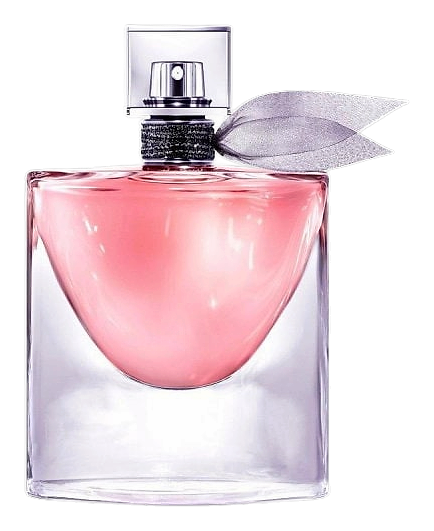
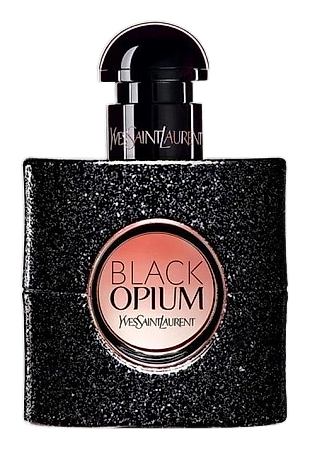
Fragrances featuring Pear


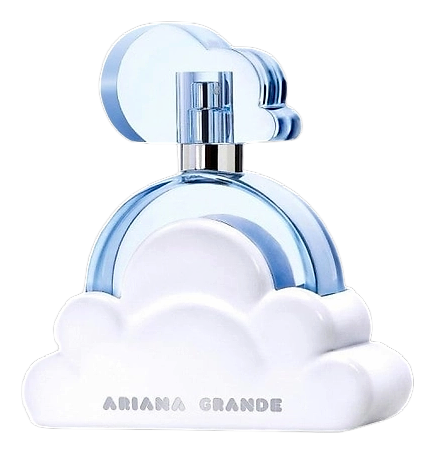
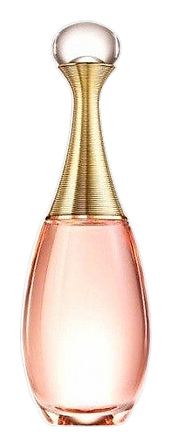
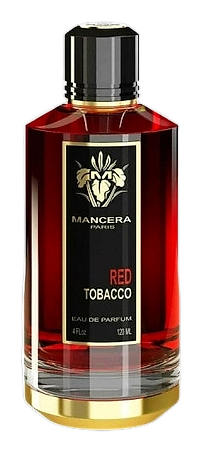

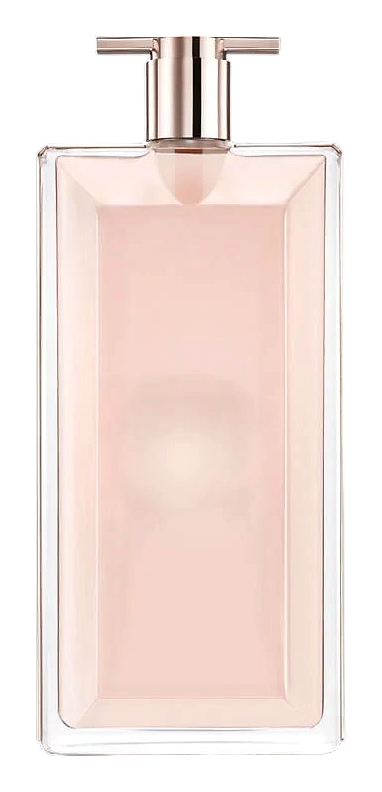

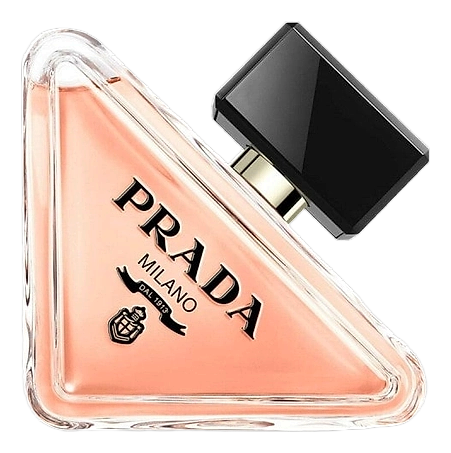
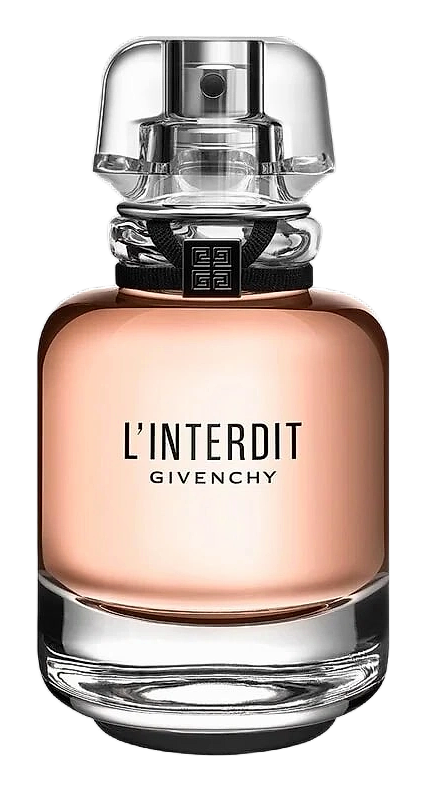
Brands
Brands known for Pear
Good to know
Questions, answered
The essentials on Pear in perfumery: how it smells, where it comes from, and how it behaves on skin.
What does pear smell like in perfume?
Pear in perfumery smells crisp, sweet, and slightly musky, with a watery, almost cooling sensation. It recalls biting into a ripe Bartlett: juicy, lightly waxy, and fresh. The note reads brighter and cleaner than apple, with a softer green facet and a subtle, creamy undertone.
Is pear a natural or synthetic fragrance ingredient?
Pear is effectively always synthetic in modern perfumery because the fresh fruit contains almost no volatile aromatic oils. Perfumers reconstruct the note using specific esters, most notably ethyl (2E,4Z)-2,4-decadienoate, blended with fruity aldehydes and lactones to mimic ripe fruit.
When was pear first used in perfumery?
Pear appeared sporadically in older compositions as a fruit distillate, but the modern pear note emerged only in the late 20th century. Advances in ester chemistry during the 1970s and 1980s allowed perfumers to isolate the molecules responsible for ripe pear aroma and use them reliably.
What fragrance families does pear work best in?
Pear shines in fruity, floral, and gourmand compositions, where its watery sweetness lifts heavier base notes like sandalwood or vanilla. It also bridges fresh and gourmand categories, making it a frequent top note in modern niche releases and mainstream scents aimed at younger wearers.
Is pear a top, heart, or base note?
Pear functions almost exclusively as a top or upper heart note because the esters that create its effect are highly volatile and evaporate quickly. Perfumers often pair it with longer-lasting musks or woods to extend its presence into the drydown without losing the initial crisp impression.
Can pear fragrance cause allergies?
Some synthetic esters used in pear accords, particularly certain allyl esters, can act as sensitizers at high concentrations. Regulatory bodies including IFRA restrict their usage levels. Finished fragrances formulated within these limits are considered safe for the vast majority of wearers.
What's the difference between pear and apple in perfumery?
Pear reads softer, creamier, and more lactonic than apple, which tends toward sharper green and acidic notes. Pear esters contribute a buttery, slightly floral sweetness, while apple leans on more aggressive aliphatic aldehydes for its characteristic tang and crisp skin impression.
Is pear a masculine or feminine fragrance note?
Pear is genuinely unisex and increasingly used across gender categories. Its clean, non-aggressive sweetness appeals in masculine fresh fragrances as easily as in feminine florals, and many contemporary niche houses use it as a neutral, modernizing element that avoids traditional gendered conventions.