Raspberry
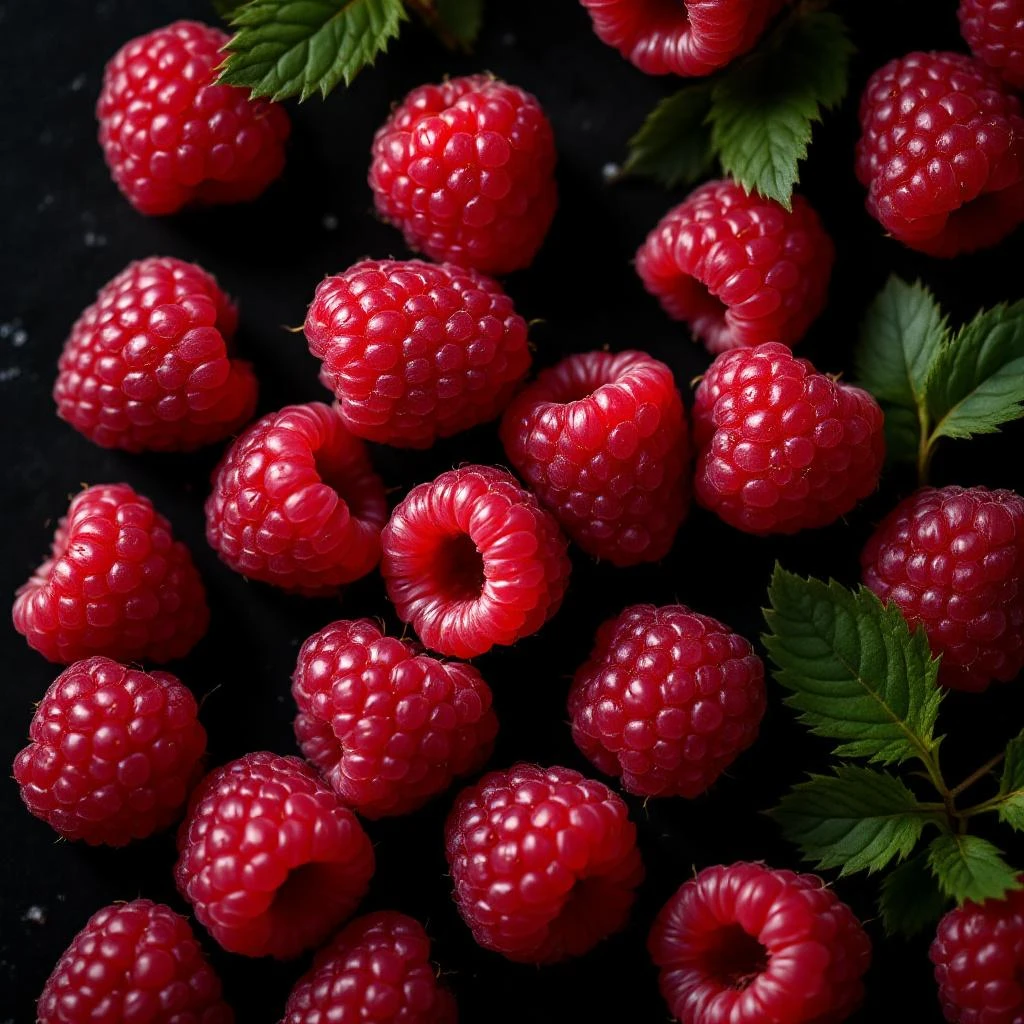
Fresh raspberry captures the essence of summer: bright, juicy, and tart. Perfumery uses both natural extracts and synthetic raspberry ketone to recreate this beloved fruit's addictive scent.
Character
How it smells
Bright, tart, and irresistibly sweet.
Raspberry ketone was first isolated in 1863, but commercial synthesis for perfumery only became practical in the 20th century.








Origin
United States
Raspberries have been part of human cultivation for millennia. Ancient Greeks and Romans gathered them from wild plants growing across Europe. The botanical name Rubus idaeus reflects this ancient relationship with the fruit.
By the Middle Ages, Europeans used raspberries for both culinary and medicinal purposes. The isolated ketone compound that defines raspberry's distinctive aroma was not discovered until 1863, when chemists first characterized its molecular structure. Before synthetic production became viable, perfumers had minimal access to authentic raspberry fragrance.
Modern aroma chemistry, advancing through the 20th century, finally made raspberry ketone commercially available. This breakthrough enabled perfumers to incorporate the bright, fruity note across countless fragrance compositions, from feminine florals to fresh colognes.
Wears it best
Fragrances featuring Raspberry
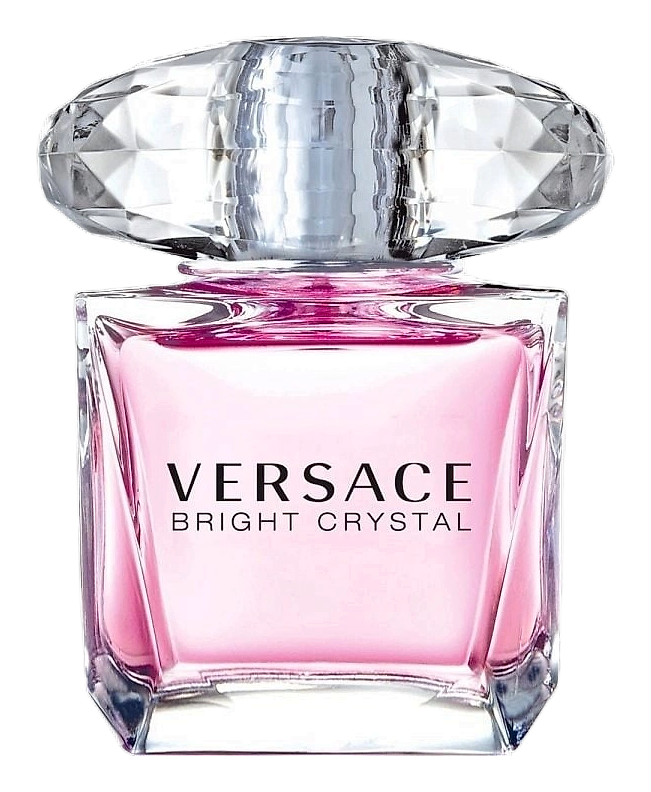


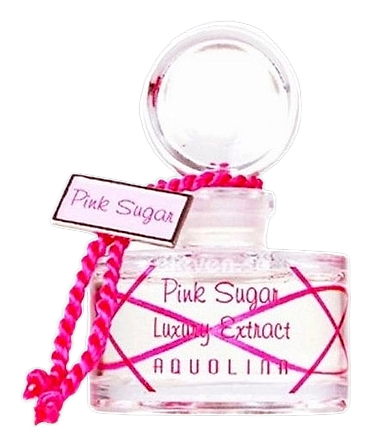
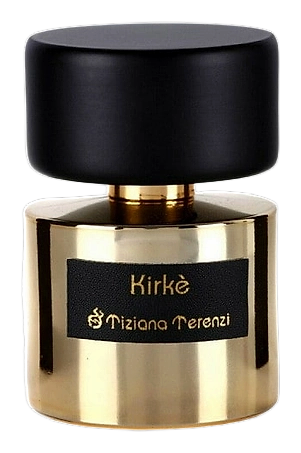
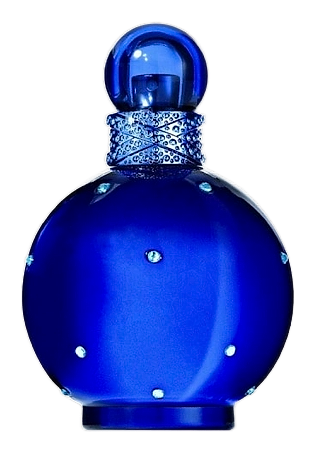
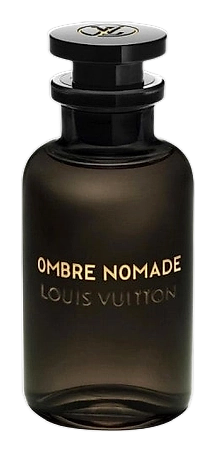

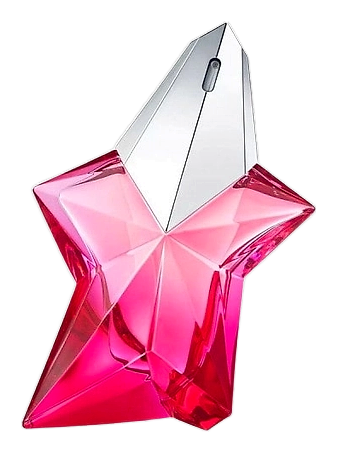
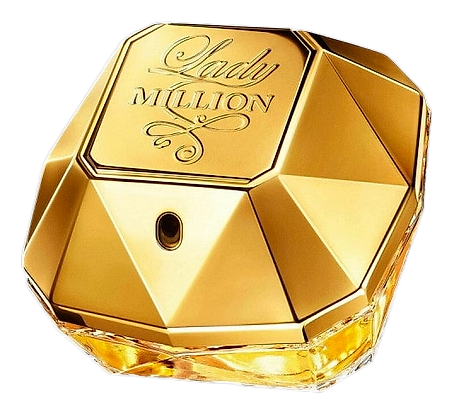
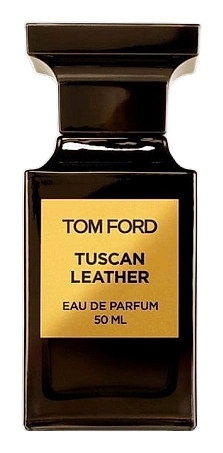
Brands
Brands known for Raspberry
Good to know
Questions, answered
The essentials on Raspberry in perfumery: how it smells, where it comes from, and how it behaves on skin.
Does real raspberry get used in perfumery?
Real raspberries contribute very little to perfumery due to their minimal essential oil content and rapid aroma degradation. Extraction methods like steam distillation yield negligible results from the fresh fruit. Perfumers rely primarily on synthetic raspberry ketone to create the characteristic fruity aroma.
What gives raspberry its distinctive scent?
Raspberry ketone (4-(4-hydroxyphenyl)butan-2-one) is the primary compound responsible for the characteristic raspberry aroma in perfumery. This ketone was first isolated in 1863, though commercial synthesis for fragrance use only became practical in the 20th century, enabling widespread adoption across fragrance families.
What fragrances use raspberry notes?
Raspberry ketone appears across feminine, fruity, and fresh fragrance families. It pairs naturally with ingredients like strawberry, blackberry, and pear. The note also complements florals such as rose and peony, adding vibrancy and youthful energy to compositions.
Is synthetic raspberry safe for skin?
Raspberry ketone has been evaluated for cosmetic and fragrance use by international regulatory bodies. When produced under proper manufacturing standards, it meets safety requirements for skin application. As with all fragrance materials, concentration levels and individual skin sensitivity matter.
What is the natural source of raspberry ketone?
Raspberry ketone occurs naturally in raspberries, though at relatively low concentrations. Natural sources also include cranberries, blackberries, and peaches. Due to extraction costs, synthetic production now dominates commercial fragrance applications.
What part of the raspberry plant gets used in perfumery?
Since raspberries lack traditional fragrance extraction potential, perfumers use synthetic raspberry ketone instead. The ketone molecule replicates the fruit's characteristic aroma without requiring physical plant material. Natural extracts like CO2 and absolutes exist but remain prohibitively expensive for most applications.
When did raspberry ketone become available for perfumery?
Raspberry ketone was first isolated in 1863, but commercial synthesis did not become practical until the 20th century. This breakthrough enabled consistent, affordable raspberry fragrance that could be incorporated into products at scale.
How much raspberry aroma comes from raspberry ketone?
Raspberry ketone accounts for approximately 90% of the characteristic raspberry aroma, making it the dominant scent molecule. However, natural raspberries contain hundreds of volatile compounds, so synthetic versions typically blend additional aromatic molecules to achieve more authentic complexity.