Peach
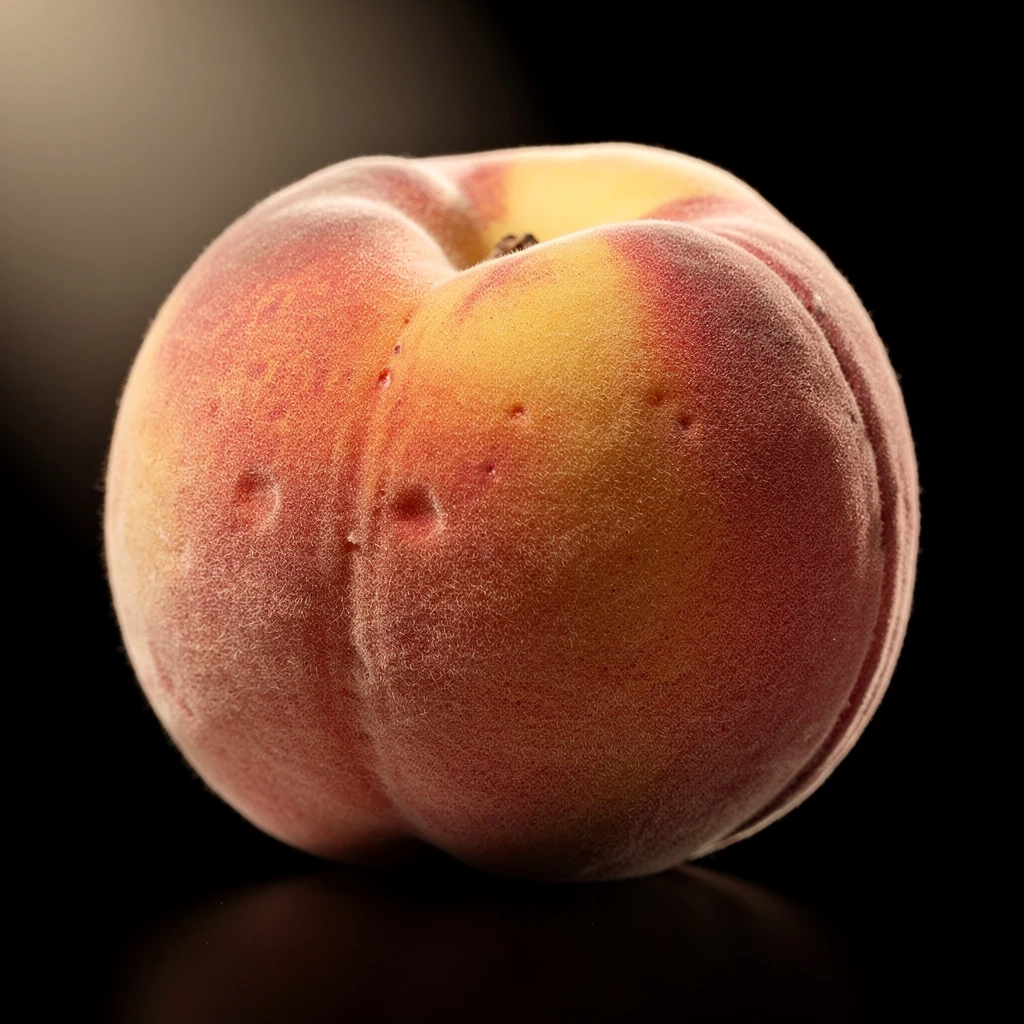
A sun-warmed stone fruit with velvety skin and yielding flesh. Peach delivers succulent sweetness, soft florals, and a lingering impression of sun-ripened abundance in the bottle.
Character
How it smells
Where summer's sweetness meets perfumery's art.
Arab perfumers used peach kernel flesh in ointments as early as the 9th century. True peach essential oil does not exist.








Origin
China
Peach originated in Zhejiang province, Eastern China, more than 2,000 years ago. Chinese cultivators treasured it as both fruit and symbol, associating the tree with longevity and protection.
The peach traveled westward along Silk Road trade routes, arriving in Persia and the Arab world, where early Arab perfumers began incorporating the flesh of peach kernels into scented ointments and pomades. By the time peach trees reached European gardens, the fruit had already accumulated centuries of cultural weight.
Its appearance in late 19th-century perfumery coincided with the rise of synthetic aroma chemistry, making peach one of the first fruits to be artificially reconstructed. That dual heritage persists today: ancient reverence meets modern molecular science.
Wears it best
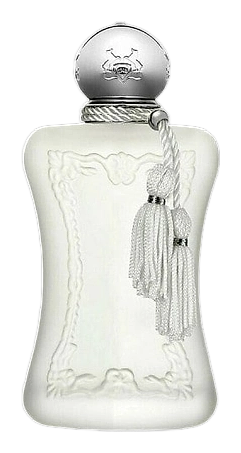
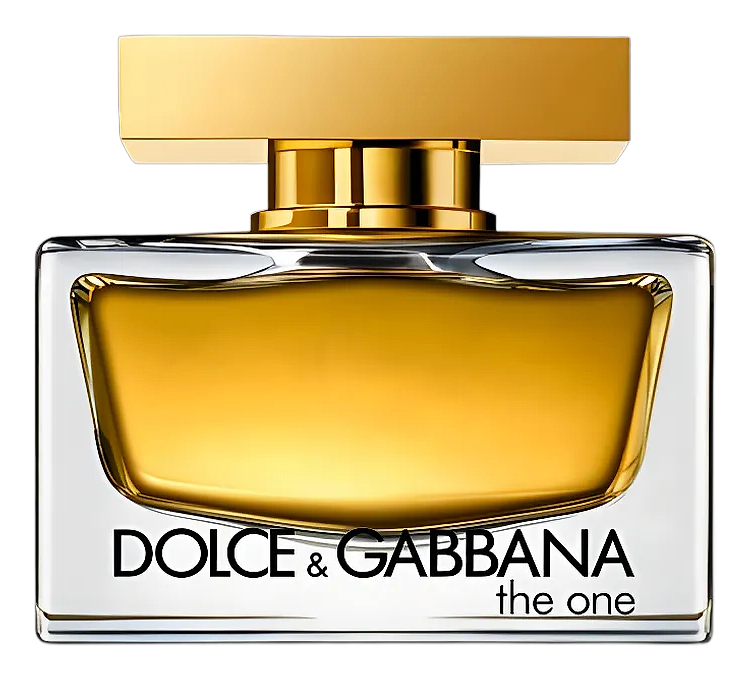
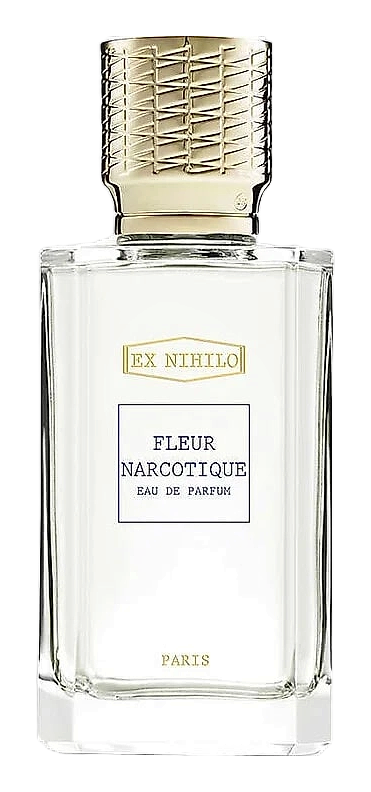
Fragrances featuring Peach

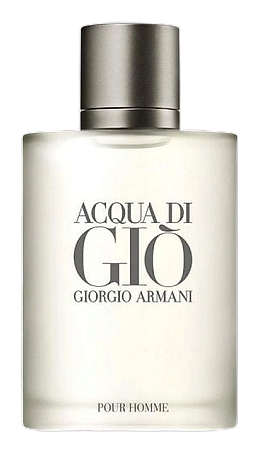
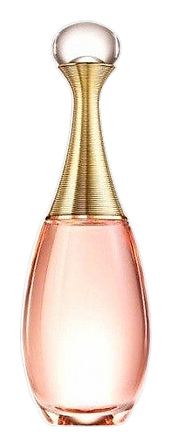
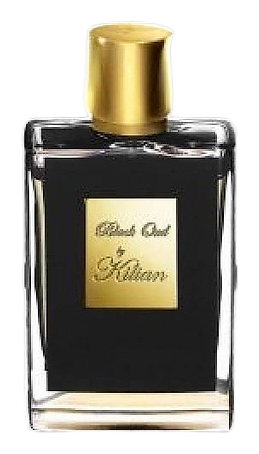

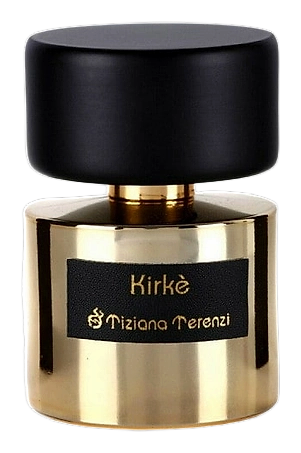



Brands
Brands known for Peach
Good to know
Questions, answered
The essentials on Peach in perfumery: how it smells, where it comes from, and how it behaves on skin.
What does peach smell like in perfume?
Peach in perfume is sweet, juicy, and velvety. It reads as fresh stone fruit with lactonic warmth, softer than tropical mango but warmer than crisp apple.
What gives peach its characteristic scent?
Gamma-decalactone (a lactone) delivers the sweet, buttery depth. Benzyl acetate adds a lighter, floral top note. Both molecules together recreate the full peach character.
How long have peaches been used in perfumery?
Chinese and Persian healers used peach kernels in scented ointments millennia ago. Arab perfumers formalized its use in unguents by the 9th century.
Can peach essential oil be extracted from the fruit?
No. Peach contains no extractable essential oil. Perfumers use synthetic gamma-decalactone (C14) and nature-identical compounds to capture peach's aroma.
What fragrance families pair well with peach?
Peach bridges florals and orientals effortlessly. It amplifies jasmine and rose while adding warmth to woody, musky, and ambery base compositions.
What compound is found in peach kernels?
Peach kernels contain benzyl benzoate and benzaldehyde, the latter lending a faint bitter-almond note. The kernels are processed cautiously due to cyanide content.
Is peach a natural or synthetic note in modern perfumery?
Both. Natural peach essence is unavailable, so perfumers rely on gamma-decalactone and benzyl acetate to construct the note, either synthetically or as nature-identical isolates.
How does peach compare to apricot in fragrance?
Both share gamma-decalactone as a key aromatic compound. Peach leans sweeter and more velvety; apricot carries a slightly tart, more acidic edge.