Pineapple
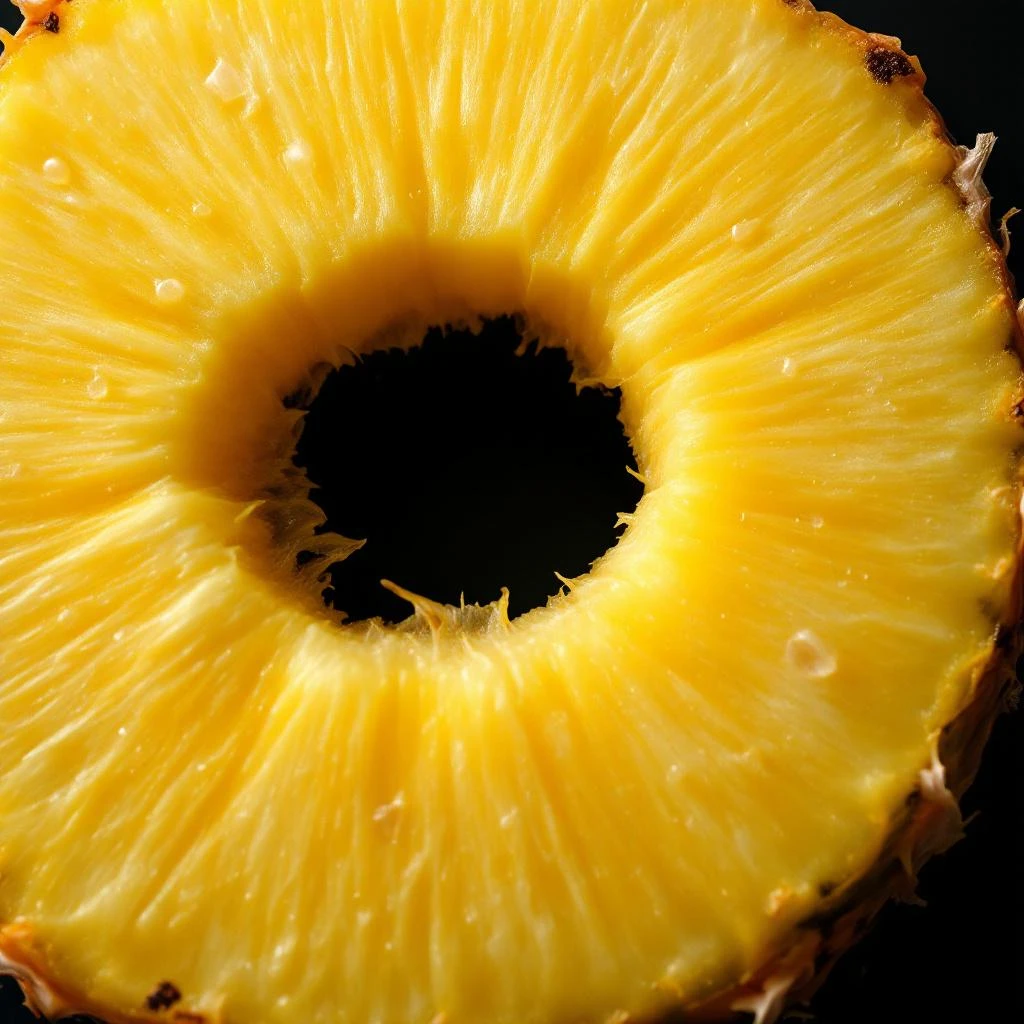
Pineapple brings a sharp, sun-warmed brightness to fragrance. Tropical fruit esters recreate the scent of fresh-cut Ananas comosus, layered with green stems and sugary pulp.
Character
How it smells
Tropical brightness bottled.
European explorers first encountered pineapple in Guadeloupe in 1493. The fruit did not reach Europe until 1672.
Origin
Brazil
Christopher Columbus documented pineapple during his second voyage to the Caribbean in 1493, encountering the fruit cultivated by Indigenous peoples in Guadeloupe. By 1548, the plant had spread to Martinique through trade networks across the Lesser Antilles. European fascination with the fruit grew slowly because pineapple plants could not survive the Atlantic crossing in usable condition.
The plant finally arrived in European collections in 1672, where Dutch and English growers cultivated it in heated orangeries as a symbol of colonial wealth and botanical prestige. The transition into perfumery came through 19th-century advances in organic chemistry, when chemists isolated and synthesized the esters responsible for pineapple's scent. These synthetic reconstructions made the tropical note accessible beyond the fruit's limited growing regions.
Today, pineapple accords appear across mainstream fragrances, tropical-themed compositions, and fresh summer releases, cementing the fruit's identity as a recognizable bright note in modern scent construction.
Wears it best
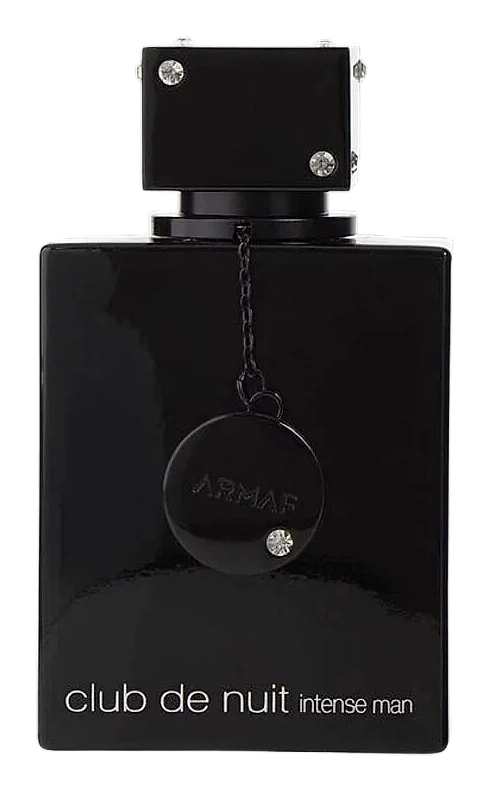
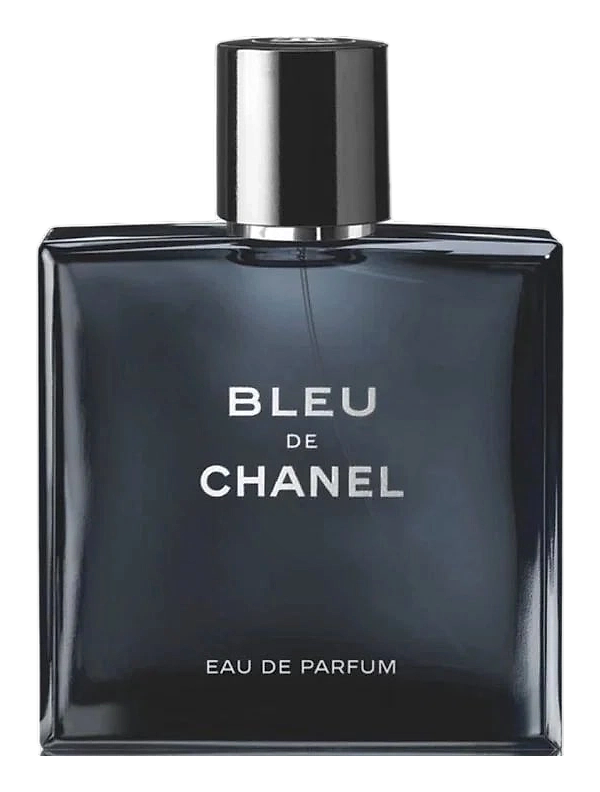
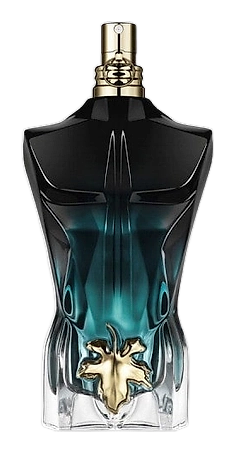
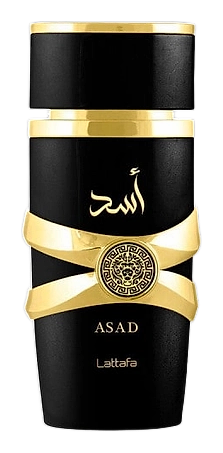
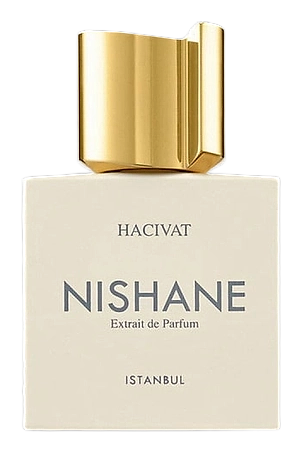
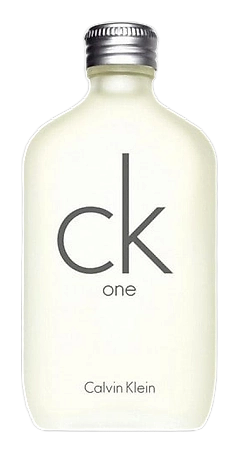
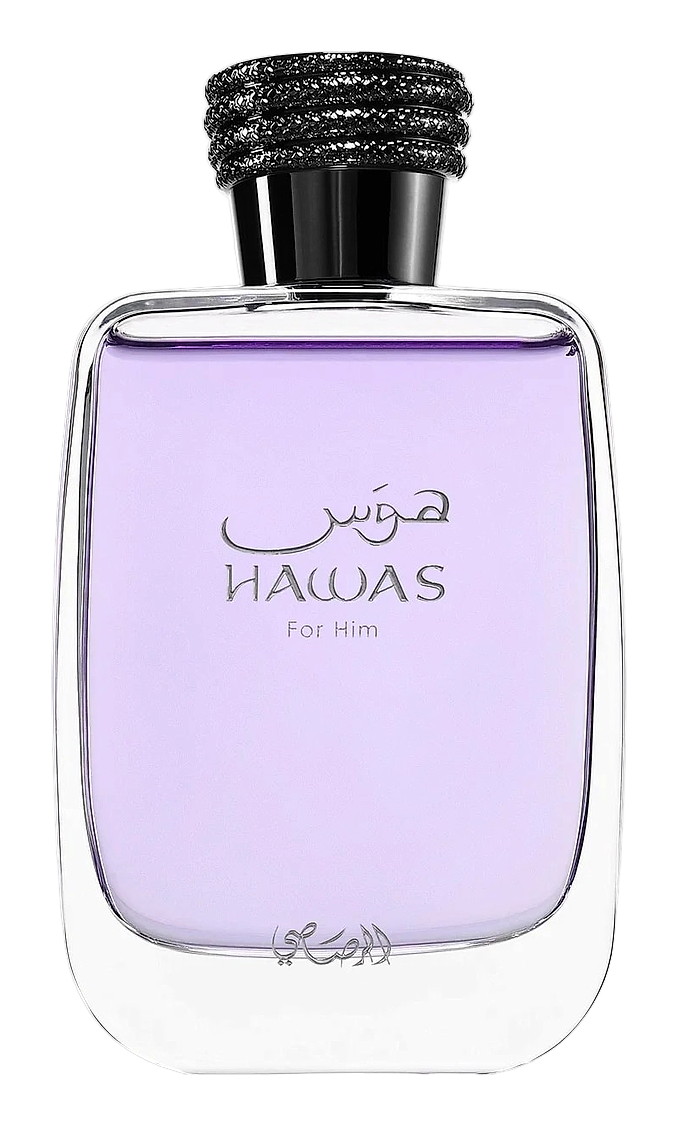
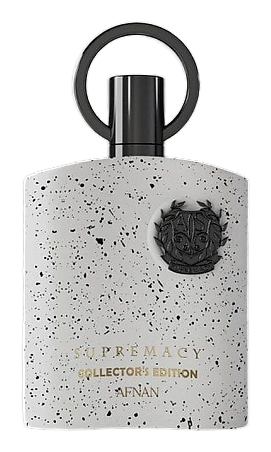
Fragrances featuring Pineapple


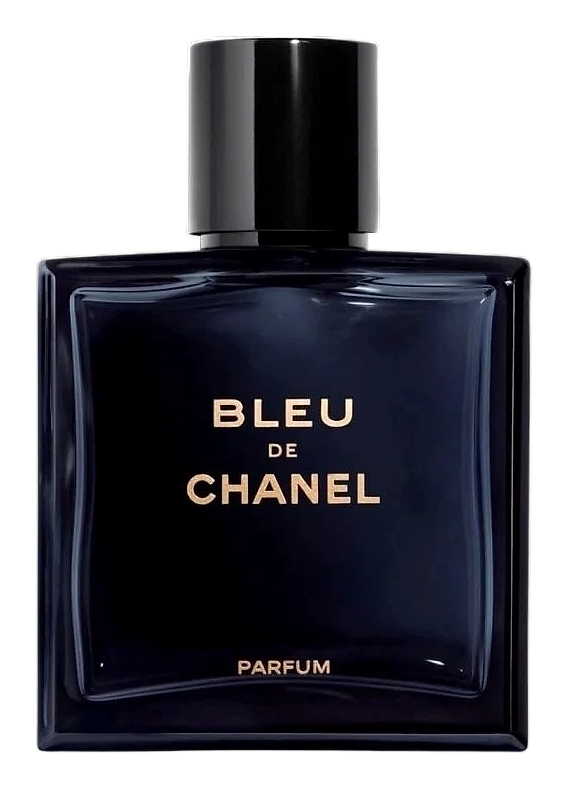
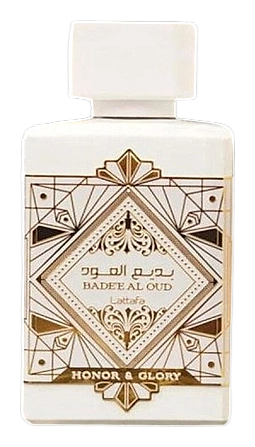
Brands
Brands known for Pineapple
Good to know
Questions, answered
The essentials on Pineapple in perfumery: how it smells, where it comes from, and how it behaves on skin.
What does pineapple smell like in perfume?
Pineapple in perfume smells sharp, juicy, and sweet with a slightly tart edge. The accord is built primarily on allyl caproate, an ester registered in 1892 that provides the fruit's signature tropical brightness.
Is pineapple in perfume natural or synthetic?
Almost all pineapple notes are synthetic. The fruit's 85 percent water content and delicate esters make natural extraction impractical, so perfumers reconstruct the aroma from isolated aroma chemicals.
Where does pineapple originally come from?
Pineapple originates from South America, specifically the Paraná-Paraguay River basin spanning modern Brazil and Paraguay. Indigenous peoples cultivated it long before European contact.
What chemical smells like pineapple?
Allyl caproate (allyl hexanoate) is the key pineapple-identifying chemical. Supporting esters include ethyl butyrate for juicy roundness and methyl hexanoate for tart, green freshness.
When was pineapple first used in perfumery?
Pineapple entered perfumery through 19th-century ester synthesis. Once chemists identified allyl caproate in 1892, perfumers began incorporating synthetic pineapple accords into commercial fragrances.
Why can't perfumers extract real pineapple oil?
Steam distillation destroys the volatile fruity esters, and cold pressing yields minimal oil due to the fruit's high water content. Synthetic reconstruction is the only reliable method.
What fragrances contain pineapple?
Pineapple appears in many tropical, gourmand, and fresh compositions. It functions as a bright top note, frequently paired with coconut, bergamot, or vanilla for sun-warmed effects.
Is pineapple a top, heart, or base note?
Pineapple is almost exclusively a top note. Its light molecular weight and high volatility cause it to evaporate within 15 to 30 minutes of application.