The Heritage
The Story of Victoria's Secret
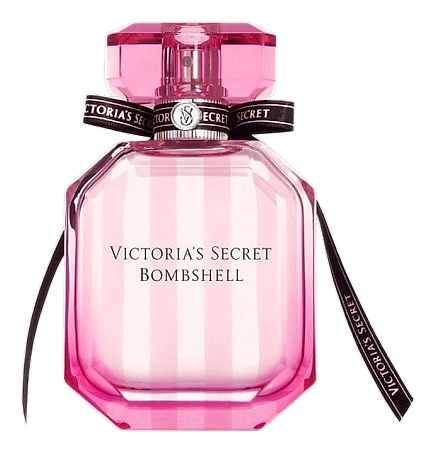
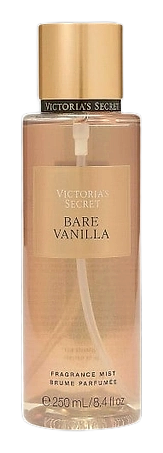
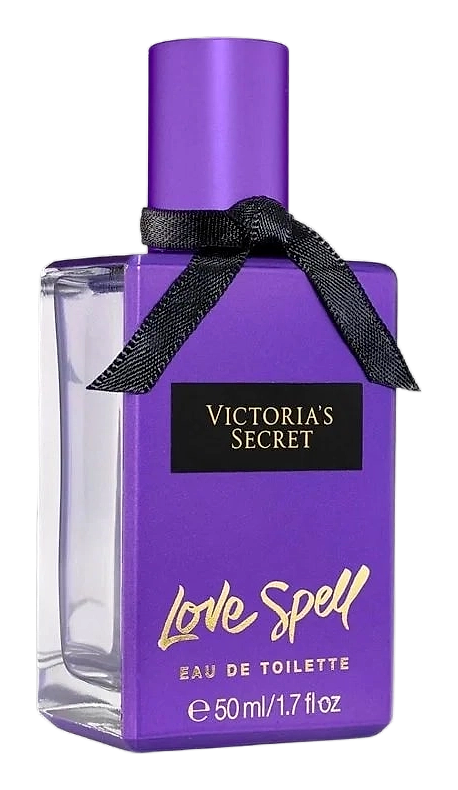
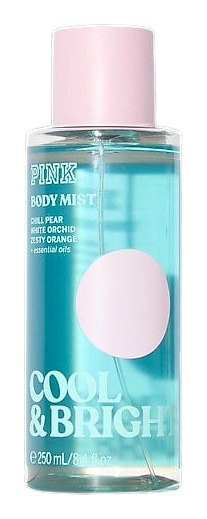
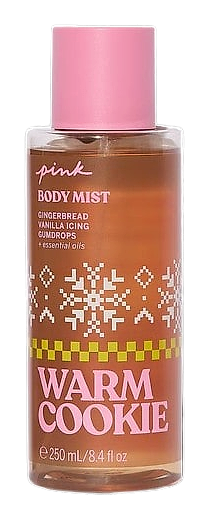
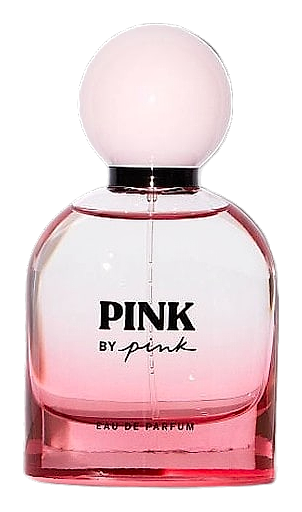
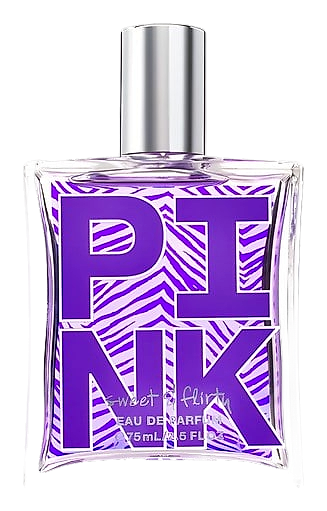
Victoria's Secret began as a San Francisco lingerie company founded in 1977 by Stanford graduate student Roy Raymond and his wife Gaye. The brand entered fragrance in 1989, launching its first perfume Victoria as part of a national magazine campaign. By the early 1990s, the company had grown to 350 stores nationwide with estimated sales of $1 billion. The beauty division grew substantially enough to generate nearly $1 billion in sales by 2006. Victoria's Secret fragrances are developed through Givaudan's Paris laboratory, the same fragrance house behind perfumes for Tom Ford, Prada, and Louis Vuitton. The brand works with a rotating roster of over 30 perfumers rather than a single in-house nose, creating scents for its Dream Angels, Very Sexy, Body, and Pink collections. Popular fragrances include Bombshell, Love Spell, Tease, and Heavenly, which ranked as the top-selling fragrance in the United States by both revenue and volume from 2005 to 2010. Victoria's Secret has won 20 Fragrance Foundation awards since 2001. The company offers fragrances alongside perfumed body care products including body mists, body lotions, and eau de parfum in various formats.
Heritage
Roy Raymond founded Victoria's Secret in 1977 after struggling to buy lingerie for his wife in a comfortable setting. The original Stanford graduate student opened five lingerie stores designed to make shopping approachable for men, naming the brand after his wife Gaye's Victorian-era aesthetic preferences. Raymond sold the five stores to Les Wexner in 1982 for approximately $1 million. Wexner transformed the business, repositioning it as an accessible luxury lingerie brand and expanding aggressively into American shopping malls throughout the 1980s and 1990s. Wexner personally oversaw store design, filling locations with English floral wallpaper circa 1890, gilded fixtures, classical music, soft lighting, and sachets with old-fashioned scents. He insisted on elegant perfume bottles that resembled grandmothers crystal. The brand executed a landmark ten-page glossy advertising insert in November 1989, appearing in Elle, Vogue, Vanity Fair, and other major magazines to announce its expansion into toiletries and fragrance. By the early 1990s, Victoria's Secret had grown to 350 stores nationwide. Intimate Brands Inc. created the Intimate Beauty Corporation in 1998 specifically to manage and develop the bath, fragrance, and cosmetic products for Victoria's Secret. The company has since grown to over 1,000 stores across the United States. Victoria's Secret has maintained a presence in American malls for over four decades, becoming synonymous with mainstream glamour and accessible luxury.
Craftsmanship
Victoria's Secret fragrances are created at Givaudan's Paris laboratory, one of the world's largest and most influential fragrance houses. Givaudan produces fragrances for Tom Ford, Prada, and Louis Vuitton from the same facility. The brand works with a diverse team of perfumers, each bringing specialized expertise in different fragrance families and ingredients. Notable collaborators include Annie Buzantian, Yann Vasnier, Aurelien Guichard, Quentin Bisch, Carlos Vinals, Mark Knitkowski, Ilias Ermenidis, Alexandra Carlin, Clement Gavarry, and Jean-Claude Delville among over 30 total contributors. Ingredients commonly featured across Victoria's Secret fragrances include musk, mandarin, violet petals, sandalwood, vanilla, and various florals. The brand produces its fragrances in multiple formats including eau de parfum concentration, body mists, and body lotions. Each product line maintains consistent scent profiles across different application methods. Victoria's Secret has developed innovative packaging concepts including a 2014 fragrance called Ooh La La that purred when the box was opened, designed by the product innovation team in collaboration with Givaudan.
Design Language
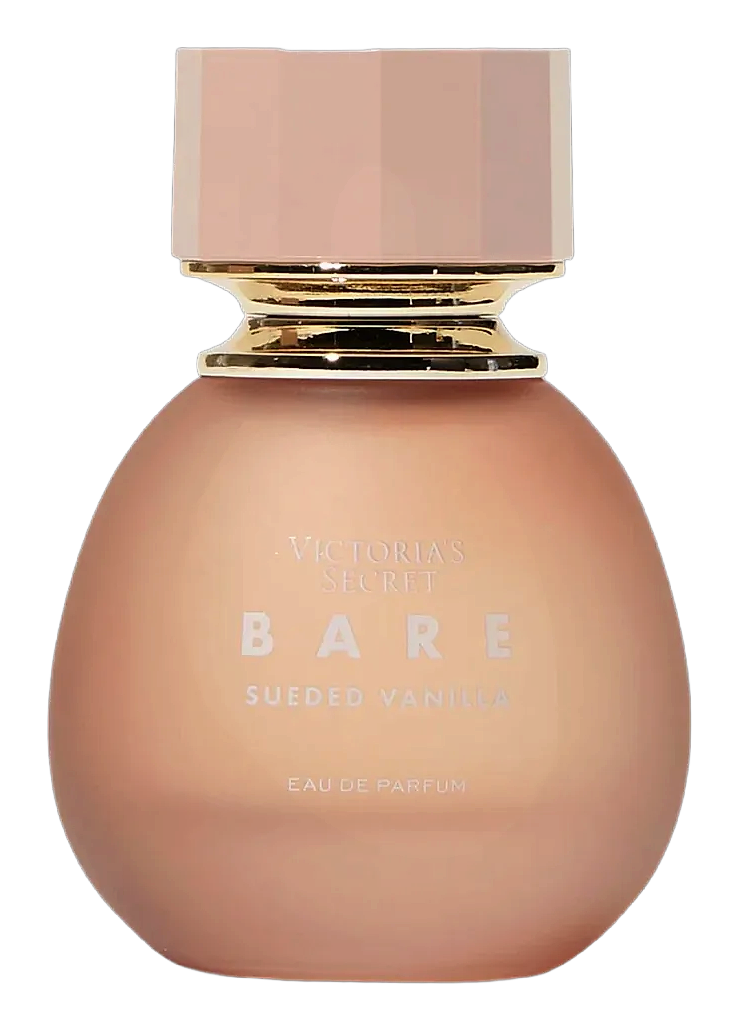
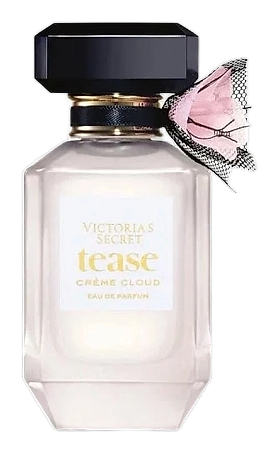
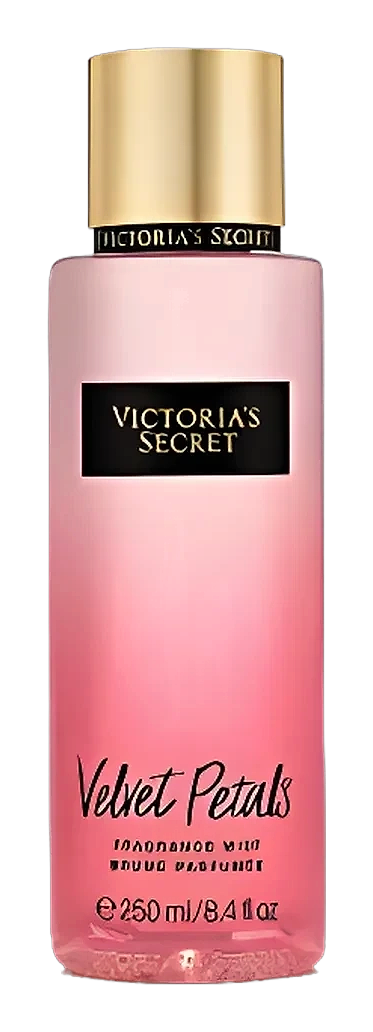
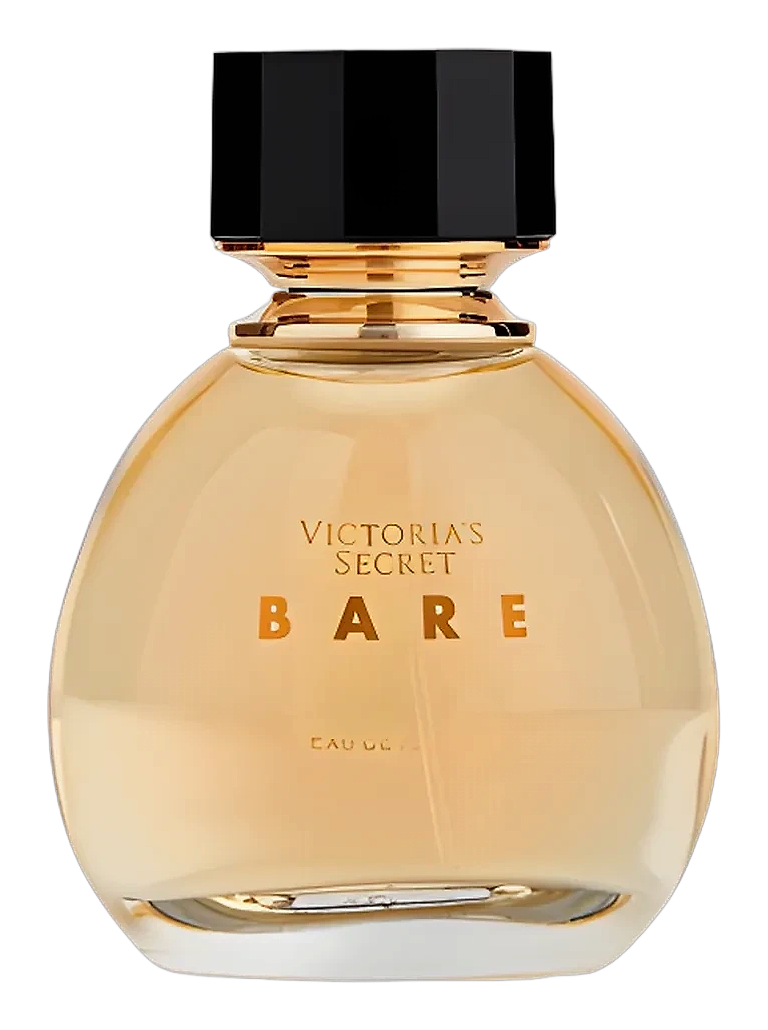
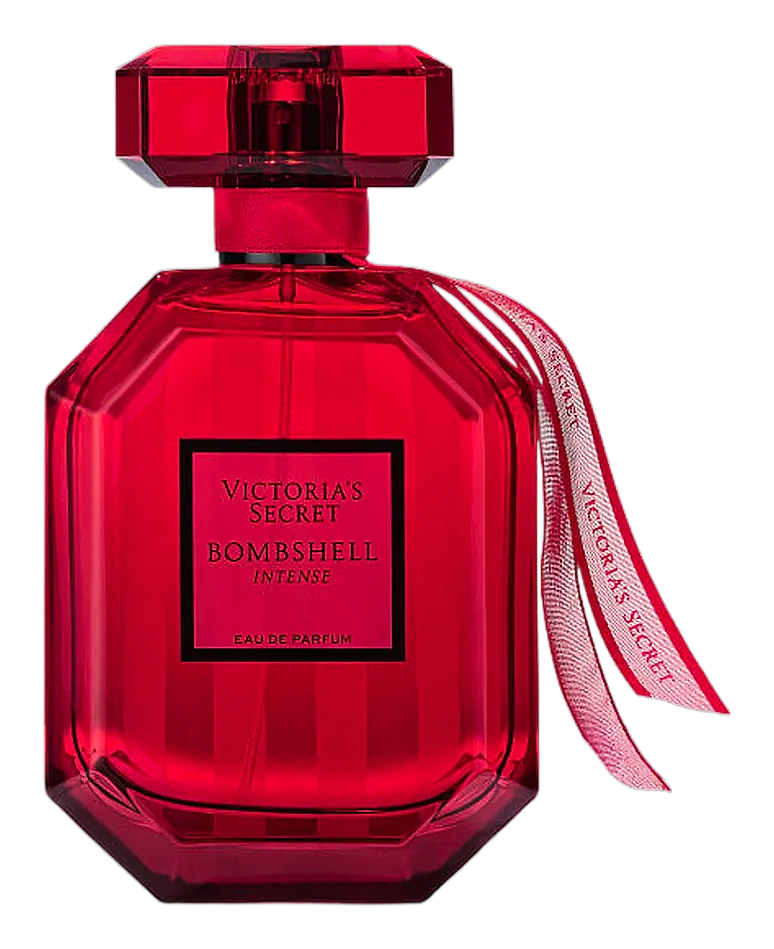
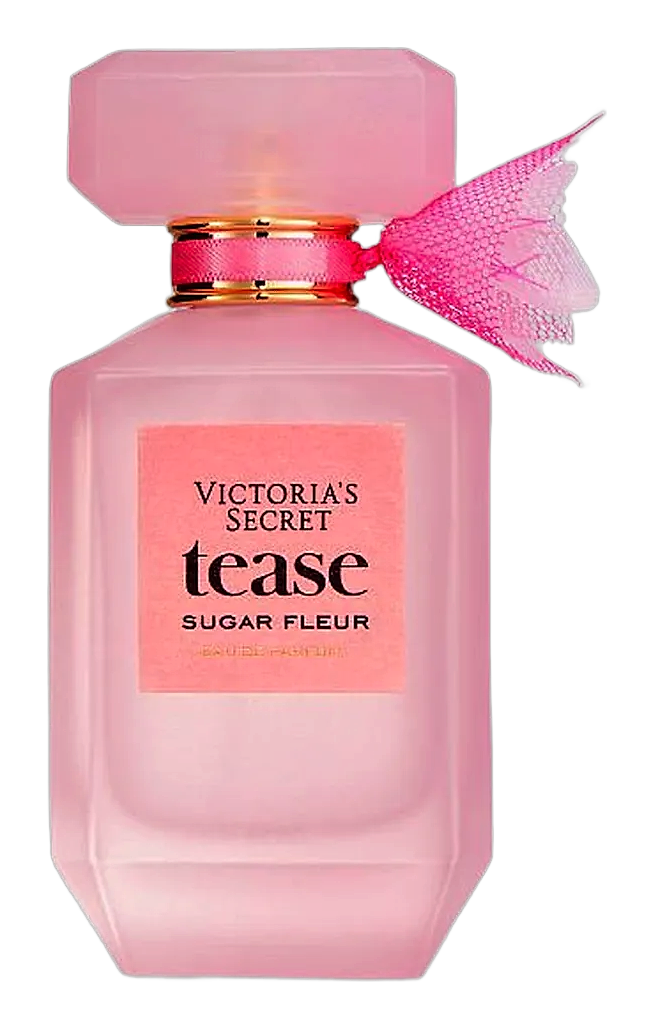
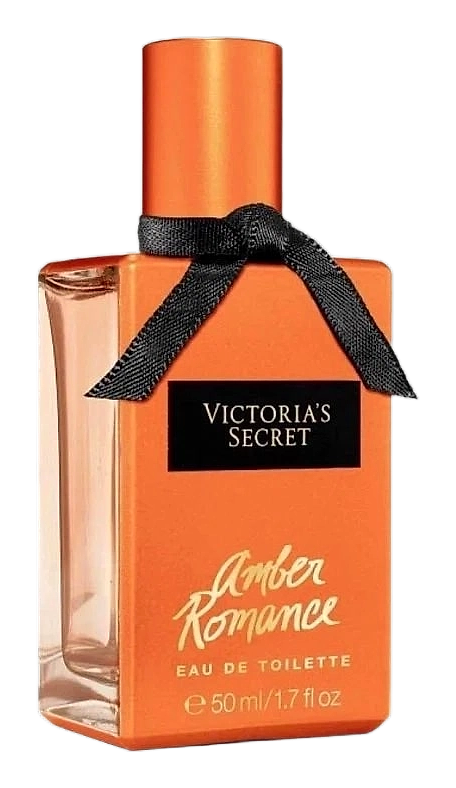
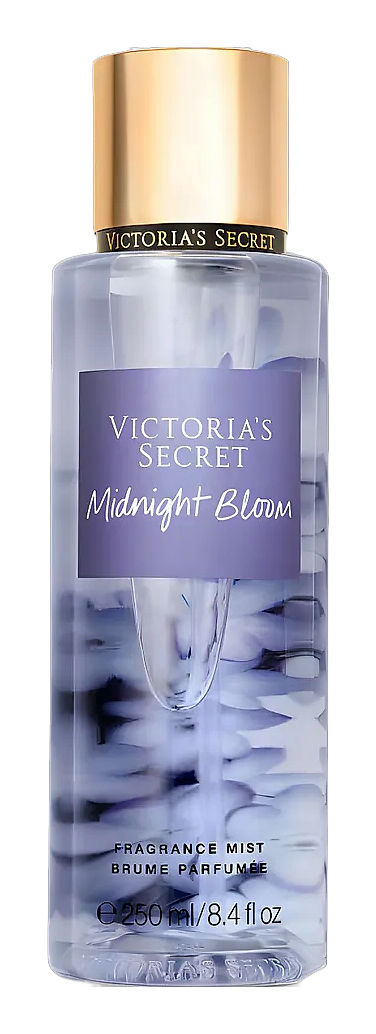
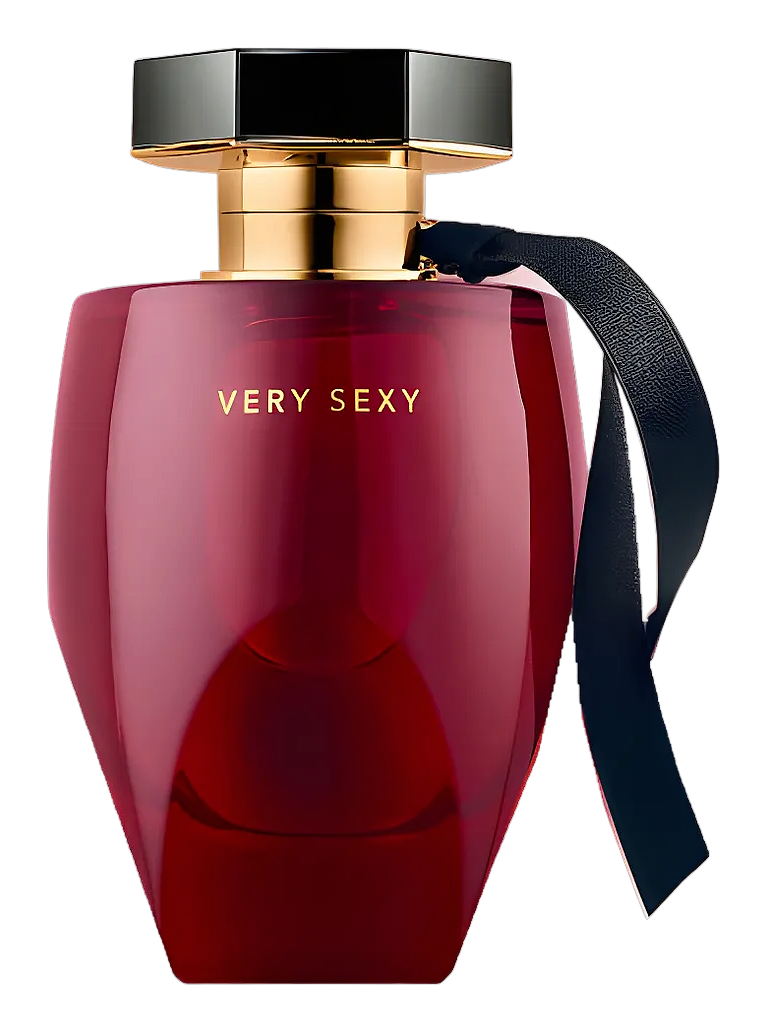
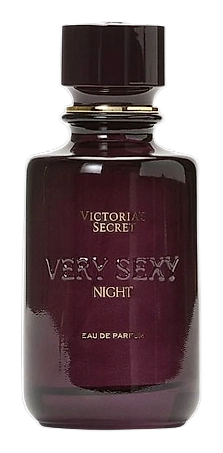
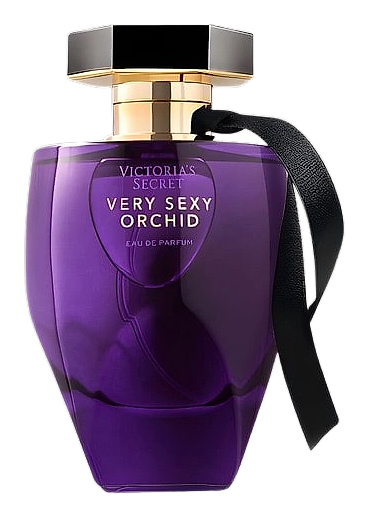
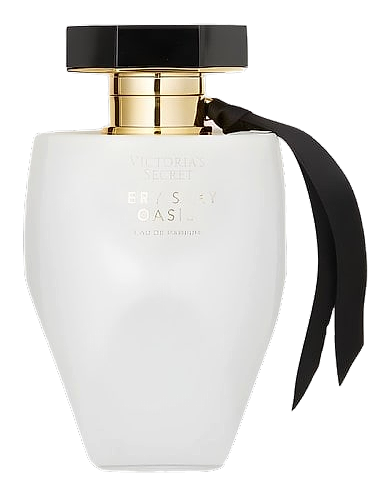
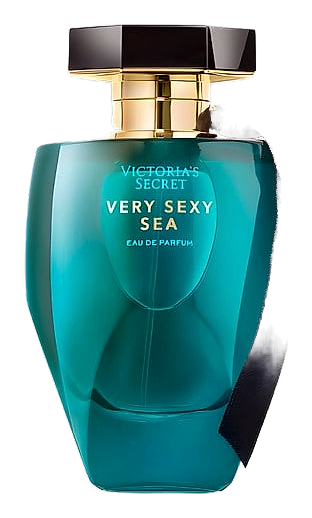
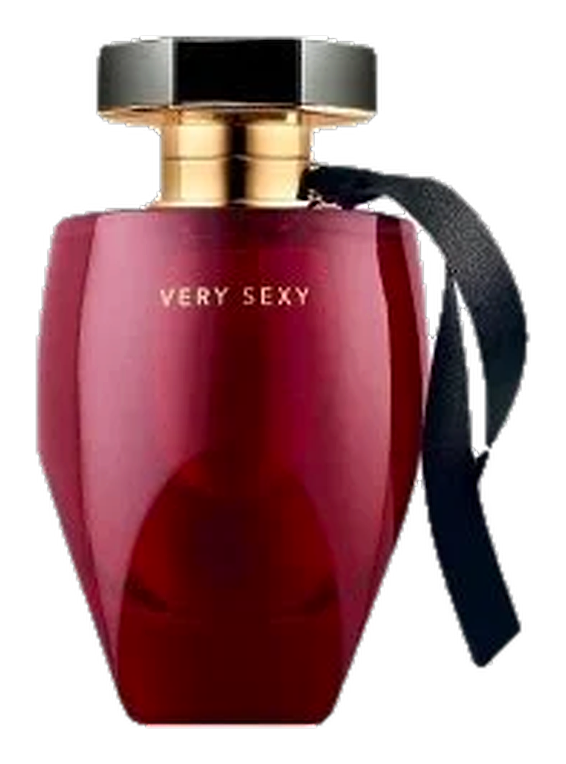
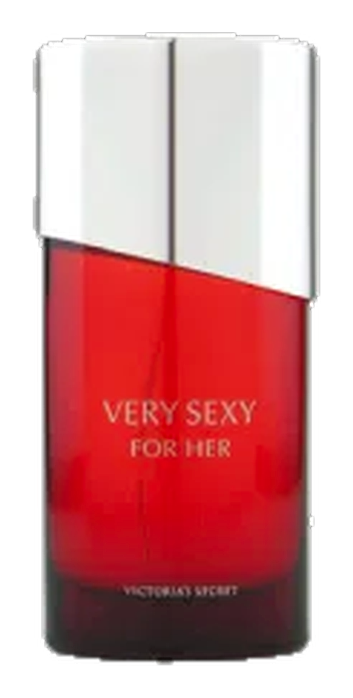
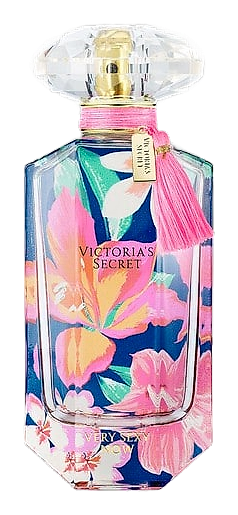
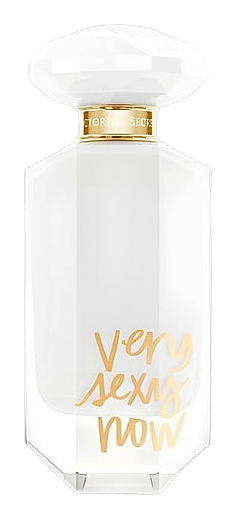
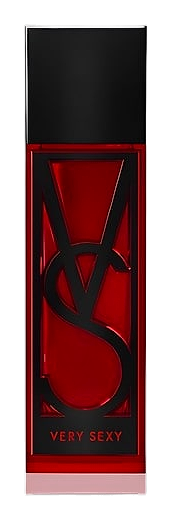
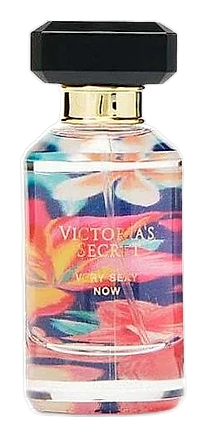
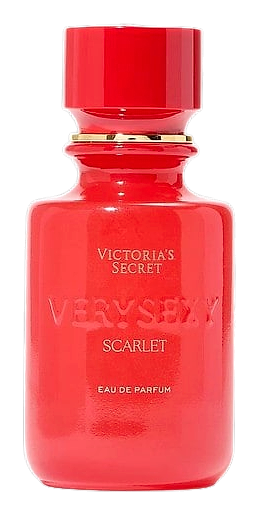
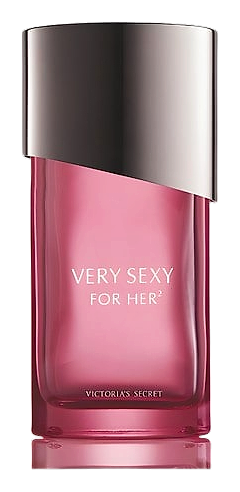
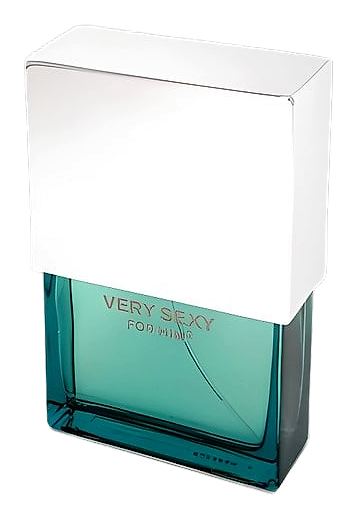
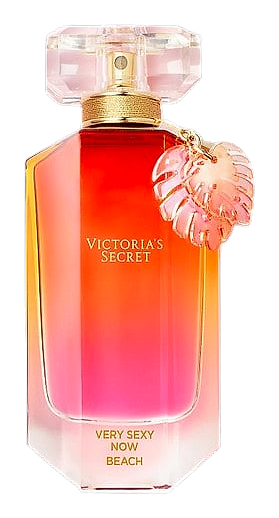
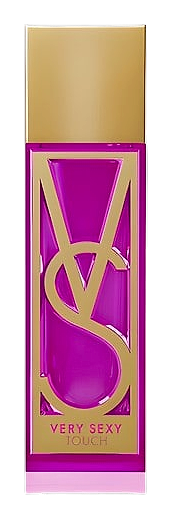
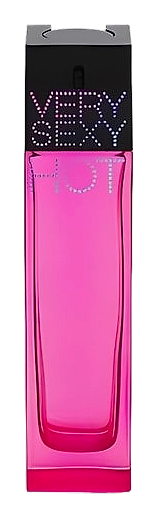
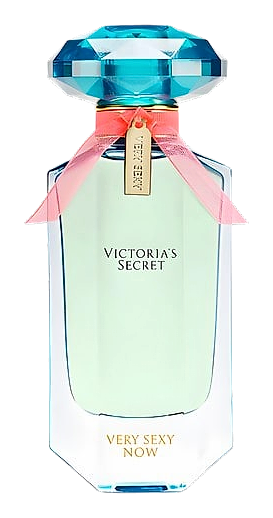
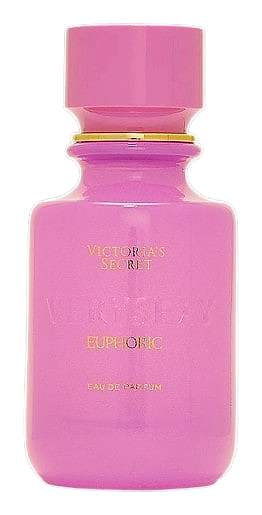
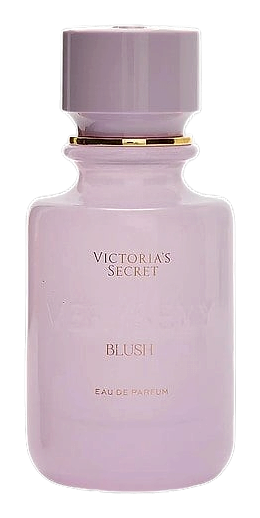
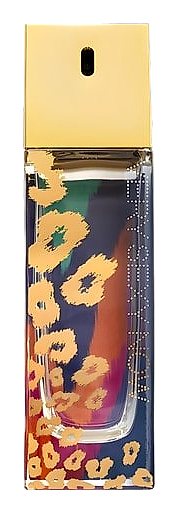
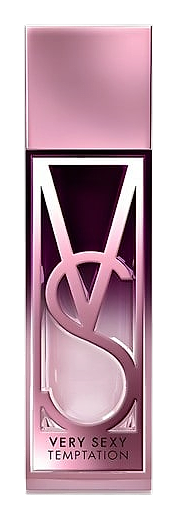
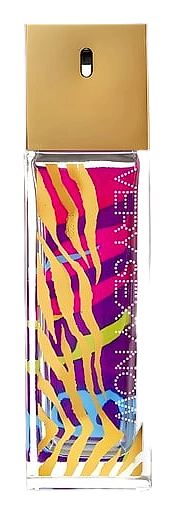
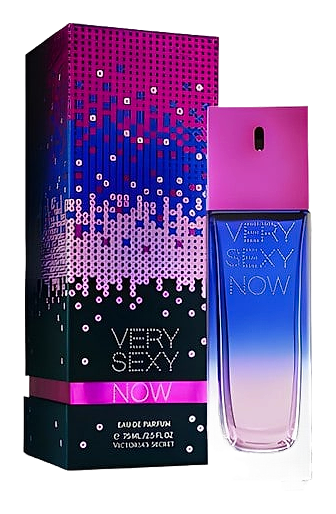
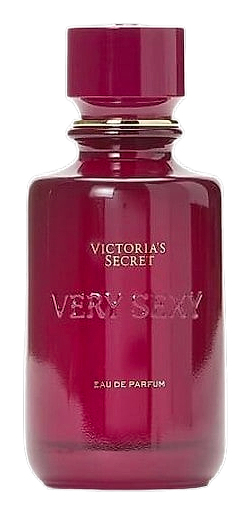
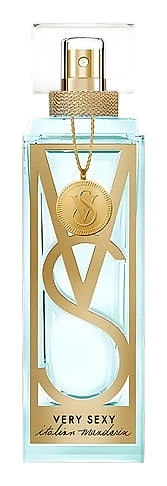
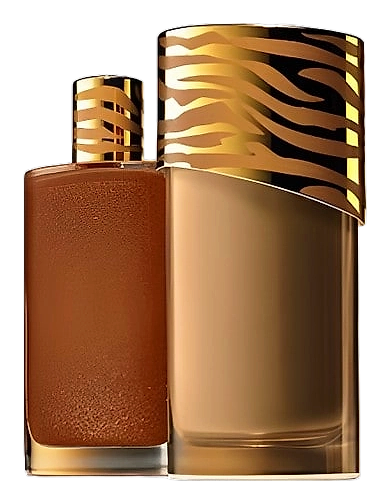
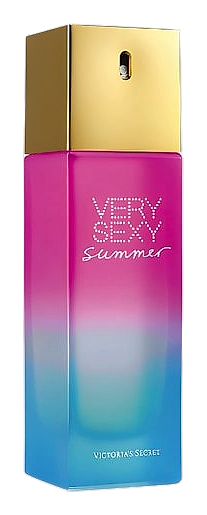
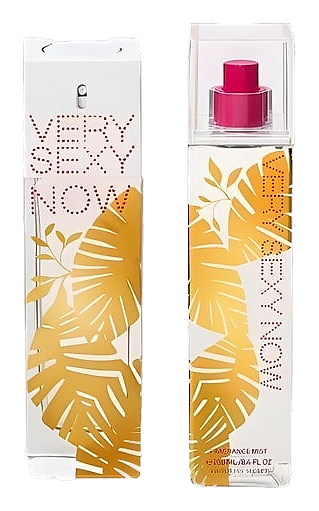
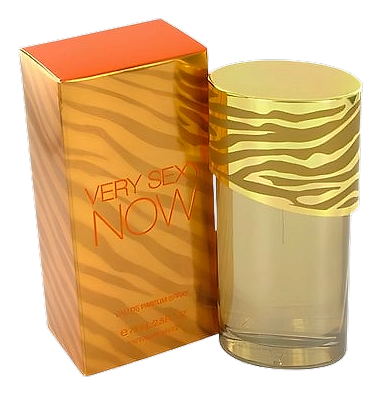
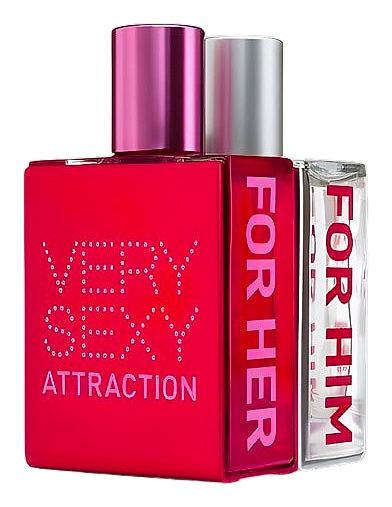
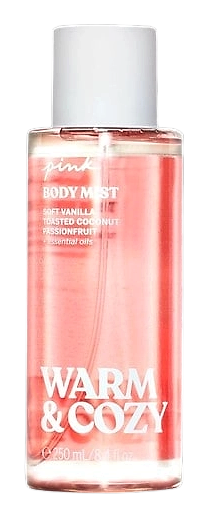
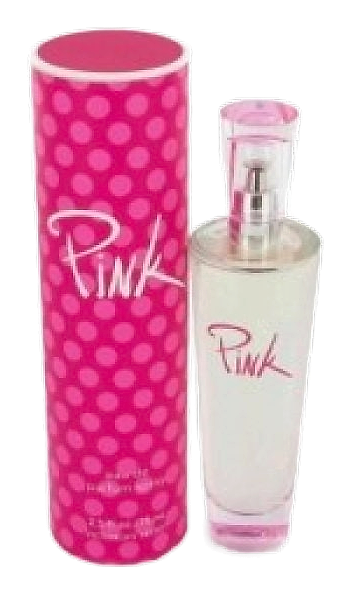
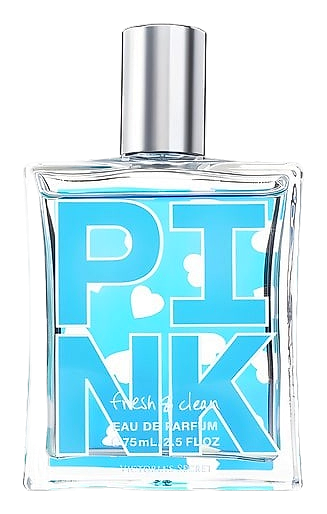
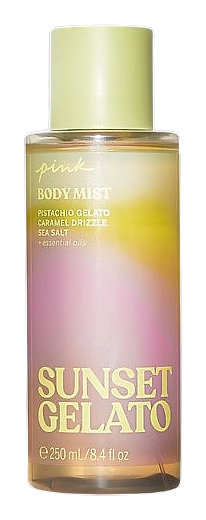
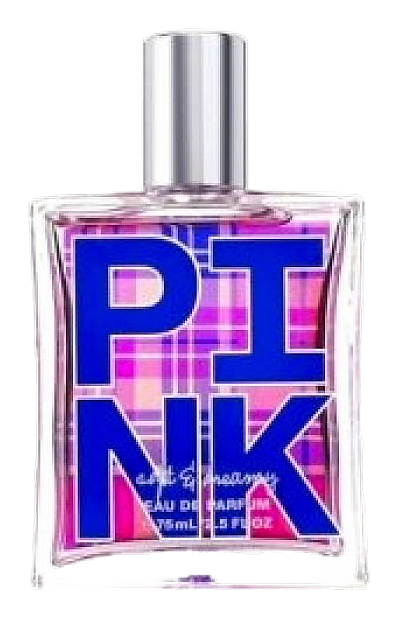
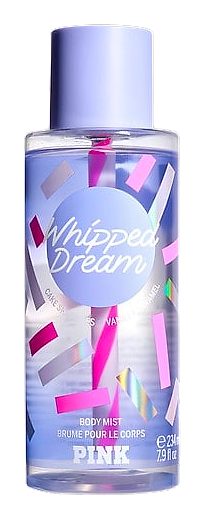
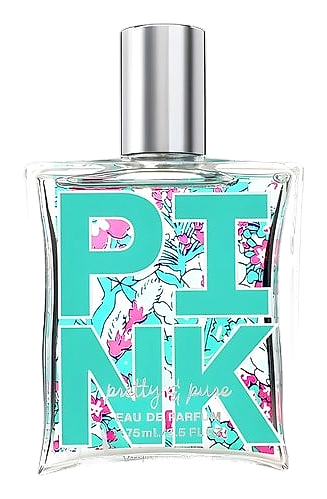
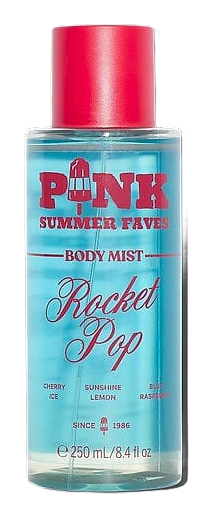
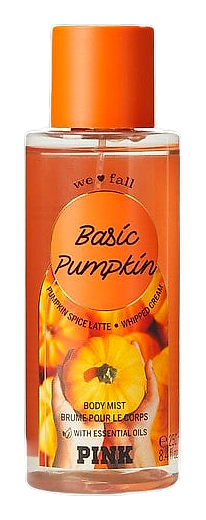
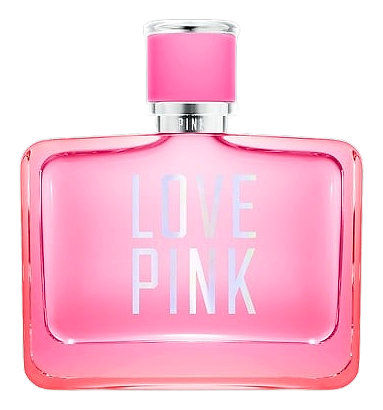
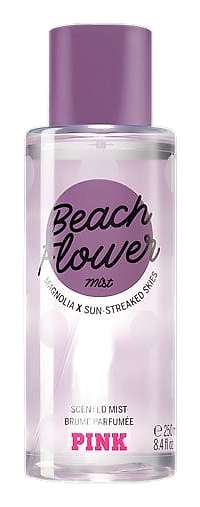
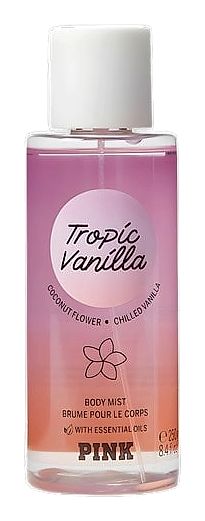
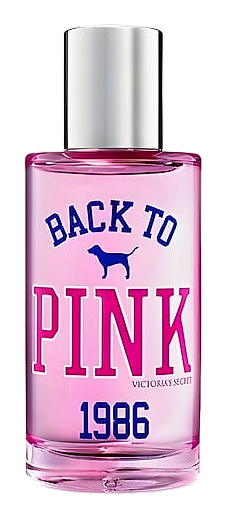
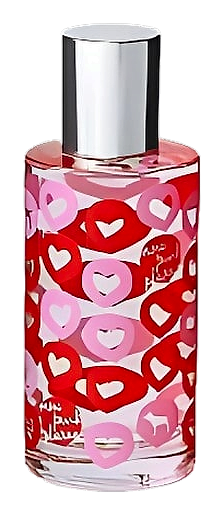
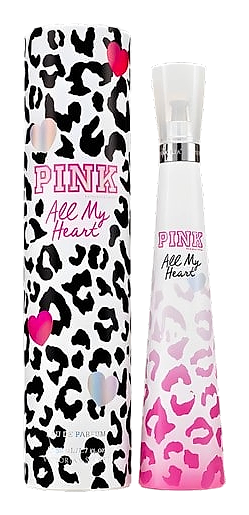
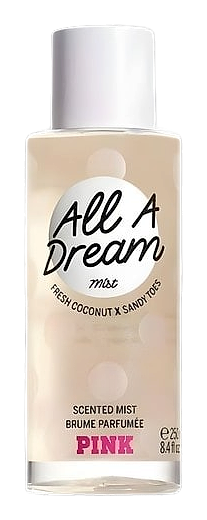
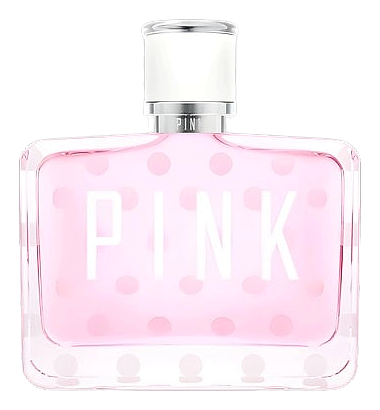
Victoria's Secret's visual identity centers on femininity, glamour, and accessible luxury. Fragrance bottles are designed as elegant decorative objects, with the brand historically emphasizing crystal-like vessels that evoke Victorian elegance. Packaging typically features soft pinks, metallics, and romantic motifs. The signature Angel imagery, introduced with the first fashion show in 1995, extends into fragrance marketing, with models and spokespeople promoting scents as part of a broader fantasy aesthetic. Stores reinforce the sensory experience through carefully curated music, lighting, and subtle scents, creating an immersive shopping environment that extends the brand's romantic positioning. The company has used celebrity spokespeople including Claudia Schiffer, Helena Christensen, Tyra Banks, Heidi Klum, and Laetitia Casta as Angels to promote both clothing and fragrance lines. Fragrance collections align with clothing line aesthetics, from the athletic Pink line to the romantic Dream Angels and provocative Very Sexy branding. The brand maintains consistent visual language across retail, advertising, and product packaging.
Philosophy
Victoria's Secret approaches fragrance as an extension of personal identity and sensory experience. The brand markets scents as enhancing a woman's natural beauty through carefully blended notes that adapt to individual body chemistry. Rather than working with a single signature perfumer, Victoria's Secret collaborates with over 30 perfumers including Annie Buzantian, Yann Vasnier, Aurelien Guichard, Quentin Bisch, and Carlos Vinals, selecting specialists for specific fragrance concepts. This rotating roster allows the brand to cover diverse scent profiles from fresh aquatic to warm vanilla. The brand creates fragrances named for its clothing lines including Dream Angels, Very Sexy, Body, and Pink, as well as romance-themed and lingerie-inspired collections. Scents typically balance sweet, floral, and sensual characteristics, often built around musk as a foundational base. Victoria's Secret describes its fragrances as sophisticated and glamorous, designed for everyday wearability rather than special occasions alone. The brand emphasizes that each fragrance interacts uniquely with the wearer's skin chemistry to generate a personalized scent experience.
Key Milestones
1977
Roy and Gaye Raymond founded Victoria's Secret in San Francisco
1982
Les Wexner acquired Victoria's Secret from Roy Raymond for approximately $1 million
1989
Victoria's Secret launched its first fragrance Victoria and began a national magazine advertising campaign
2000
Dream Angels fragrance line debuted and became the brand's flagship fragrance franchise
2005-2010
Heavenly became the top-selling fragrance in the United States by both revenue and volume
2014
Victoria's Secret released Ooh La La with interactive purring packaging at Givaudan's Paris laboratory
At a Glance
Brand profile snapshot
Origin
United States
Founded
1977
Heritage
49
Years active
Collection
2
Fragrances released
Avg Rating
4.2
Community sentiment
Release Rhythm


