






    Brand Profile

    Natura is a Brazilian fragrance and cosmetics house that blends botanical heritage with modern scent design. Founded in the late 1960s, the…More

    5

    Fragrances

    3.9

    Rating

    50
    Encanto das Rosas by Natura
    Best Seller
    5.0

    Encanto das Rosas

    Ciprus by Natura
    Best Seller
    4.9

    Ciprus

    Sabine - Cedro e Jasmim by Natura
    Best Seller
    4.8

    Sabine - Cedro e Jasmim

    Ritual by Natura
    4.8

    Ritual

    Sensual 2010 by Natura
    4.8

    Sensual 2010

    Especiarias Frescas by Natura
    4.8

    Especiarias Frescas

    Vestha by Natura
    4.8

    Vestha

    Encanto das Águas by Natura
    4.7

    Encanto das Águas

    Exsultate by Natura
    4.7

    Exsultate

    Atmos by Natura
    4.7

    Atmos

    Flor D'água by Natura
    4.7

    Flor D'água

    Aliger by Natura
    4.7

    Aliger

    1 of 5

    The Heritage

    The Story of Natura

    Natura is a Brazilian fragrance and cosmetics house that blends botanical heritage with modern scent design. Founded in the late 1960s, the brand grew from a small São Paulo workshop into a regional leader known for fragrances such as Ciprus (1990) and Encanto das Rosas (2020). Its portfolio balances classic accords with ingredients sourced from the Amazon basin, offering consumers a scent experience rooted in nature and craft.

    Heritage

    Natura began in 1969 when Luiz Seabra, Pedro Passos and Guilherme Leal opened a modest retail space in São Paulo. Their early catalog focused on skin‑care products made with locally sourced oils. By the early 1980s the company introduced its first fragrance line, a modest collection that included the citrus‑spiced scent Atmos (2005). The 1990 release of Ciprus marked the brand’s first fragrance to reach national distribution, and it set a precedent for using Brazilian botanicals as a creative core. In 1996 Natura launched Exsultate, a perfume that combined Amazonian fruits with European base notes, signaling a shift toward hybrid olfactory storytelling. The turn of the millennium saw the introduction of Sabine – Cedro e Jasmim (2000) and Vestha (1999), both of which reinforced the house’s commitment to regional flora. A sustainability program introduced in 2004 formalized partnerships with indigenous cooperatives, ensuring that raw materials such as rose oil and cedar were harvested responsibly. The Ekos line, unveiled in 2012, highlighted Amazonian ingredients like murumuru butter and acai, and it earned recognition from the Brazilian Institute of Environment for its transparent sourcing. In 2017 Natura acquired The Body Shop, expanding its ethical footprint beyond Brazil. The most recent milestone, the 2020 launch of Encanto das Rosas, celebrated the brand’s 50‑year journey by pairing traditional Portuguese rose accords with a contemporary minimalist bottle. Each decade reflects a pattern of growth rooted in community, biodiversity and a steady expansion of the fragrance portfolio.

    Craftsmanship

    Natura’s production process begins with field trips to the Amazon rainforest, where agronomists evaluate harvest sites for biodiversity impact. The brand contracts small‑scale cooperatives that practice agroforestry, allowing trees such as cedar, rose and jasmine to grow alongside food crops. After harvest, raw materials travel to a central laboratory in São Paulo, where chemists perform gas‑chromatography analysis to verify purity. The fragrance development team then blends natural extracts with synthetically derived aroma molecules, a practice that balances scent stability with ecological responsibility. Quality control includes batch‑by‑batch organoleptic testing by senior perfumers, who assess balance, longevity and projection. Bottles are molded from recycled glass, and caps are produced from biodegradable polymers sourced from sugarcane. Packaging inks are vegetable‑based, and the brand ships products in cardboard made from post‑consumer waste. Throughout the process, Natura follows ISO 9001 standards and holds certifications from the Brazilian Institute of Environment for sustainable sourcing. The company also runs a traceability platform that lets consumers scan a QR code on the bottle to view the exact farm, harvest date and community partner associated with each ingredient.

    Design Language

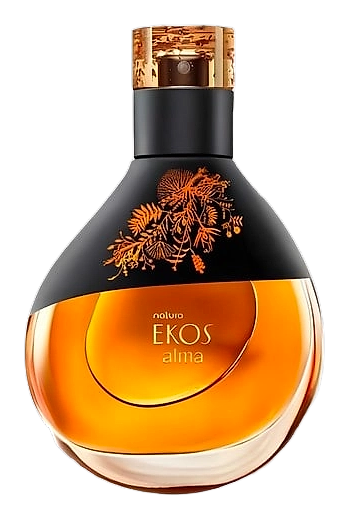
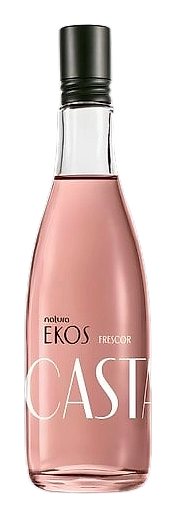
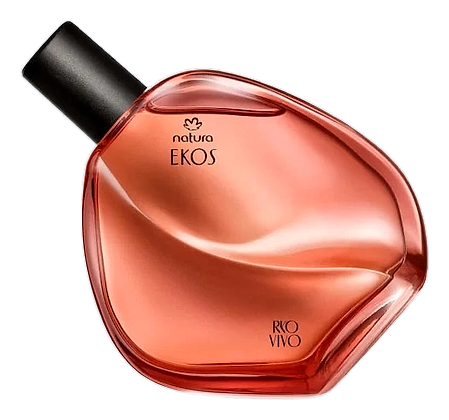
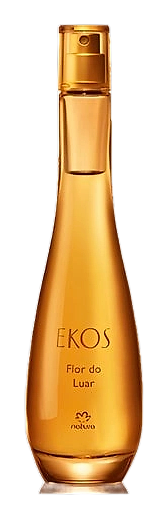
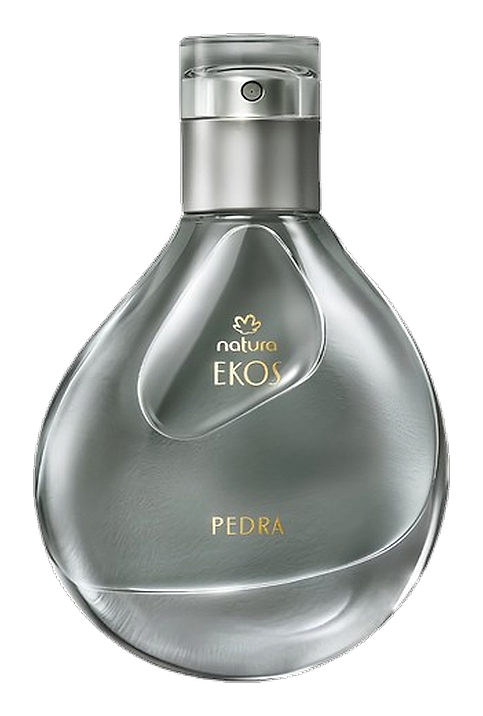
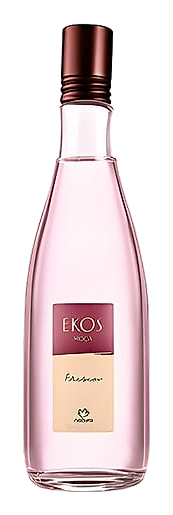
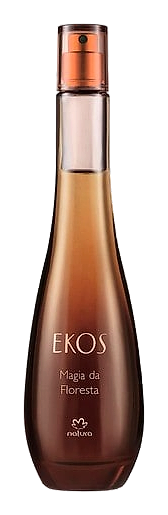
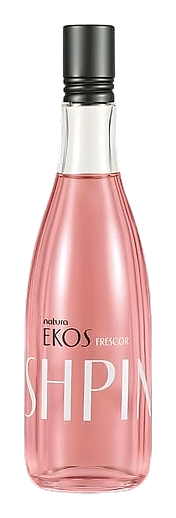
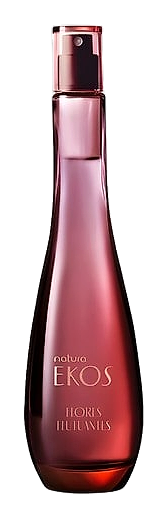
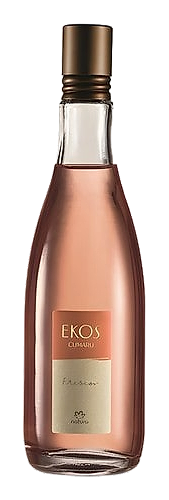
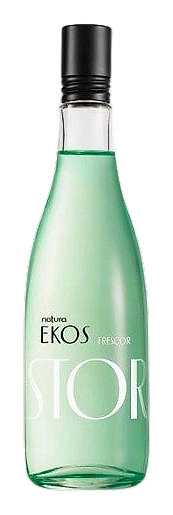
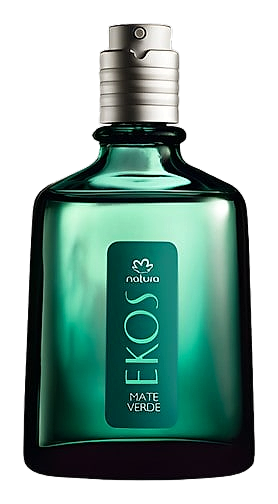
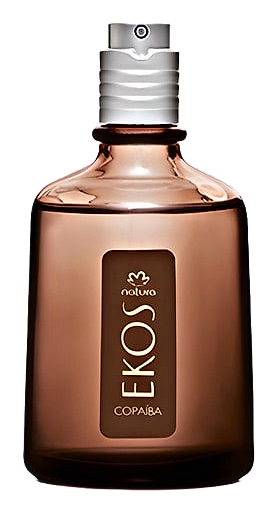
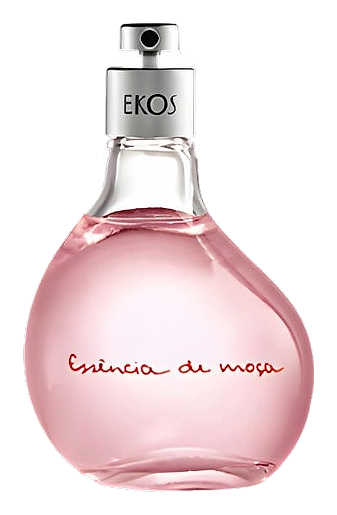
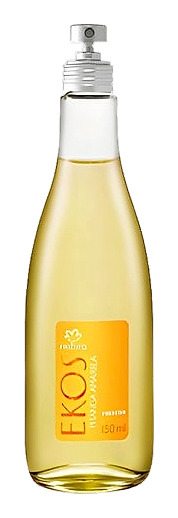
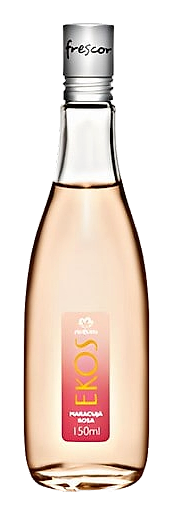
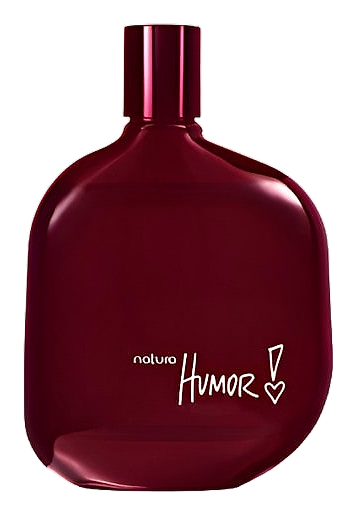
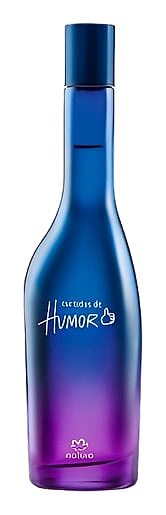
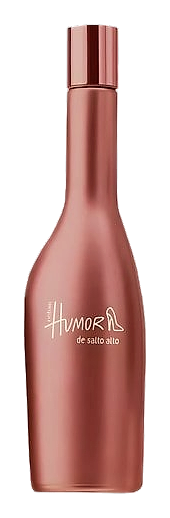
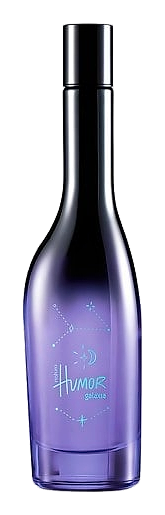
    Natura’s visual language draws on the green hues of the rainforest and the clean lines of modern Brazilian design. Primary packaging features a muted emerald palette, punctuated by subtle leaf motifs that reference the brand’s botanical roots. Bottle silhouettes favor simple, cylindrical forms that feel weighty yet ergonomic, allowing the fragrance to sit comfortably in the hand. Caps often incorporate matte‑finished metal or recycled wood, reinforcing a tactile connection to nature. Typography uses a sans‑serif typeface with generous spacing, conveying clarity and approachability. Limited‑edition releases, such as Encanto das Águas (2010), receive custom‑etched glass that reflects water ripples, while the Ritual (2006) series employs a frosted finish to suggest ceremonial calm. Marketing imagery places the perfume against natural backdrops—rainforest canopies, riverbanks, or stone pathways—highlighting the brand’s commitment to place‑based storytelling. Digital assets maintain the same palette, using soft gradients and high‑resolution macro photography of raw ingredients to create a cohesive brand experience across retail and online channels.

    Philosophy

    Natura frames scent as a dialogue between people and the ecosystems that inspire them. The brand states that every fragrance should respect the source, which translates into a sourcing policy that prioritizes fair‑trade agreements with Amazonian communities. It measures success by the number of families supported, the volume of certified‑organic ingredients, and the reduction of carbon emissions across its supply chain. Creative teams work closely with agronomists to translate raw botanical extracts into olfactory narratives, ensuring that each note carries a traceable origin story. Transparency guides the brand’s communication; product pages list the percentage of natural versus synthetic components, and sustainability reports disclose water usage and waste management. Natura also embraces inclusivity, designing scents that appeal to a broad demographic without relying on gendered marketing. The company’s values emphasize stewardship, community empowerment and a belief that fragrance can reinforce cultural identity while protecting the environment.

    Key Milestones

    1969

    Founding of Natura by Luiz Seabra, Pedro Passos and Guilherme Leal in São Paulo

    1990

    Release of Ciprus, the first nationally distributed fragrance

    2004

    Launch of a formal sustainability program with Amazonian cooperatives

    2012

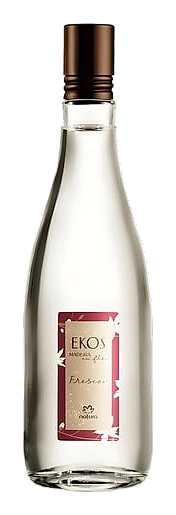
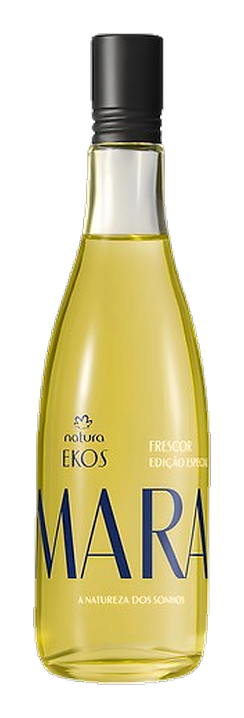
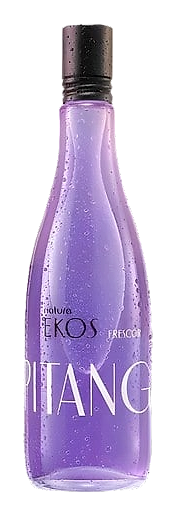
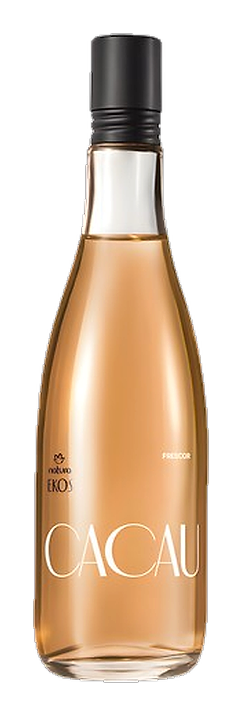
    Introduction of the Ekos line, highlighting Amazonian botanical extracts

    2017

    Acquisition of The Body Shop, expanding ethical retail presence

    2020

    Launch of Encanto das Rosas, celebrating 50 years of fragrance innovation

    At a Glance

    Brand profile snapshot

    Collection

    5

    Fragrances released

    Avg Rating

    3.9

    Community sentiment

    Release Rhythm

    2025
    5
    2024
    2
    2022
    1
    2021
    1
    2020
    3
    2019
    1
    2018
    2
    2017
    1

    The Artisans

    The Perfumers

    Creative noses shaping the olfactive identity of Natura.