The Story
Why it exists.
The beginning
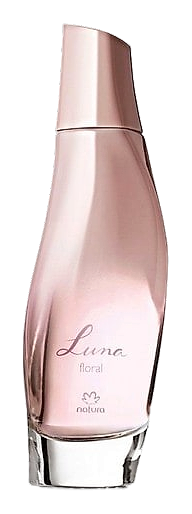
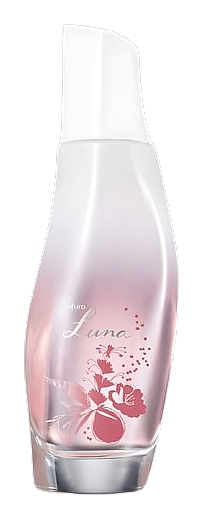
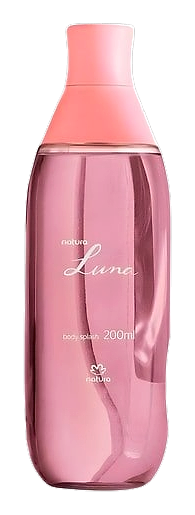
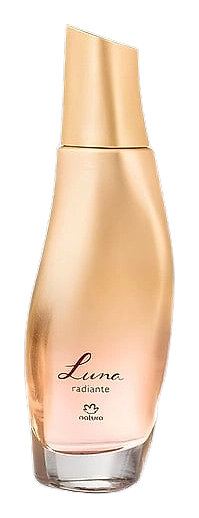
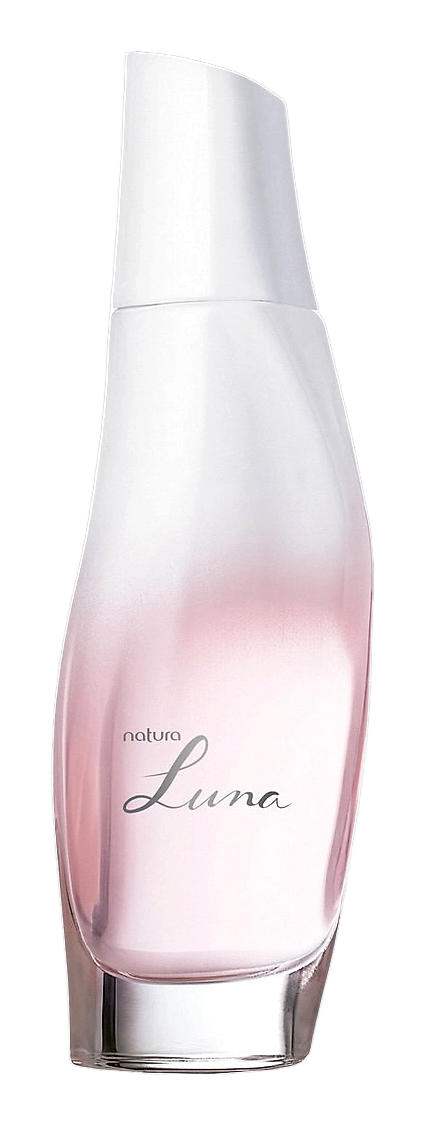
Natura, a Brazilian fragrance house rooted in São Paulo since 1969, blends botanical heritage with modern scent design, sourcing fair-trade ingredients from Amazonian communities. Verônica Kato created Luna in 2014, bottling a specific sensibility: Brazilian femininity. Warm, luminous, and unapologetic. The choice of CO2 extracts as a structural device reflects Natura's commitment to translating raw botanical material into olfactory narrative, using the precision of modern extraction to capture the immediacy of the fruit and the earthiness of the base.
Luna's note philosophy leans into immediacy. The CO2 extracts used in both opening and drydown serve a dual purpose: they heighten the vibrancy of the fruity top notes and anchor the sweetness of the base with an herbal, almost mineral undertone. The pairing of rose with maltol is intentional and effective, the florals softened by a caramel edge that prevents the scent from reading as either too delicate or too synthetic. Patchouli and cedarwood ensure the scent has weight without heaviness, making the structure legible across temperature and skin chemistry.
The evolution
Luna opens as a bright fruit bowl, mandarin and red fruits colliding with apple, peach, and plum in a way that feels sun-drenched and immediate. Pink pepper flickers across the top notes like light on skin. The heart arrives not as a dramatic shift but as a gentle deepening, rose and jasmine taking center stage as the fruit begins to recede, neroli threading a citrus-green current through the florals while violet adds a whisper of powder. The drydown does the real work of revealing Luna's character: patchouli and cedarwood ground the sweetness, musk adds intimacy, amber adds warmth, and maltol delivers a final caramelized murmur before CO2 extracts bring everything back to earth, keeping the composition rooted in botanical authenticity from first spray to last breath.
Cultural impact
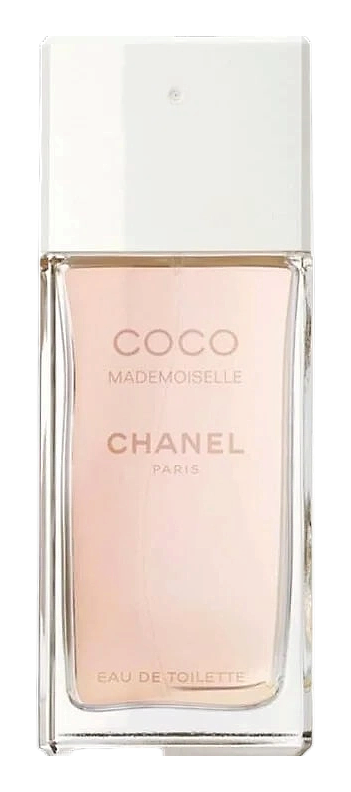
Luna became a signature scent for many in Brazil and across Latin America, versatile enough for daily wear, distinctive enough to stand apart. The rose-patchouli combination gives it a feminine identity that reads as romantic but not heavy. Compared to Chanel's Coco Mademoiselle, it occupies similar territory at a fraction of the cost, earning it a reputation as an accessible alternative for those drawn to the rose-chypre archetype but wanting something for everyday wear.