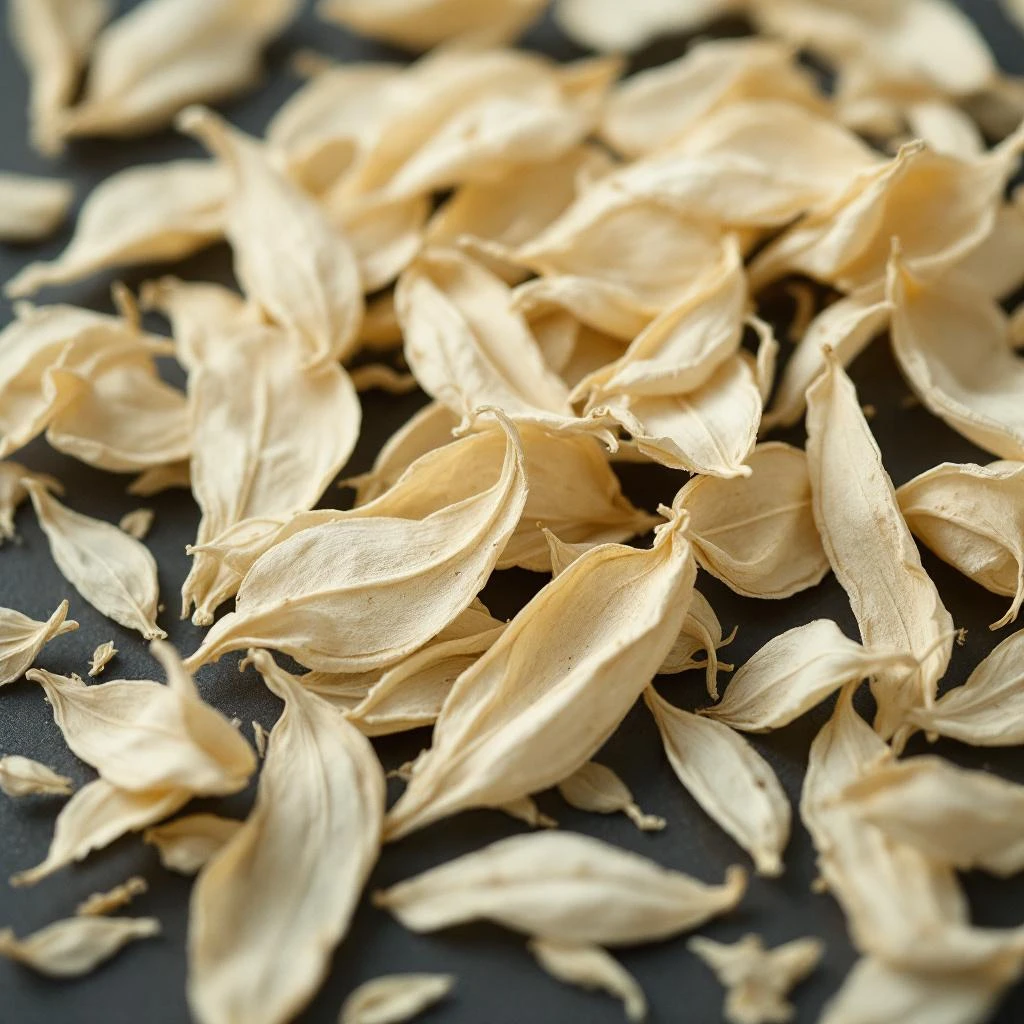
Red Fruits
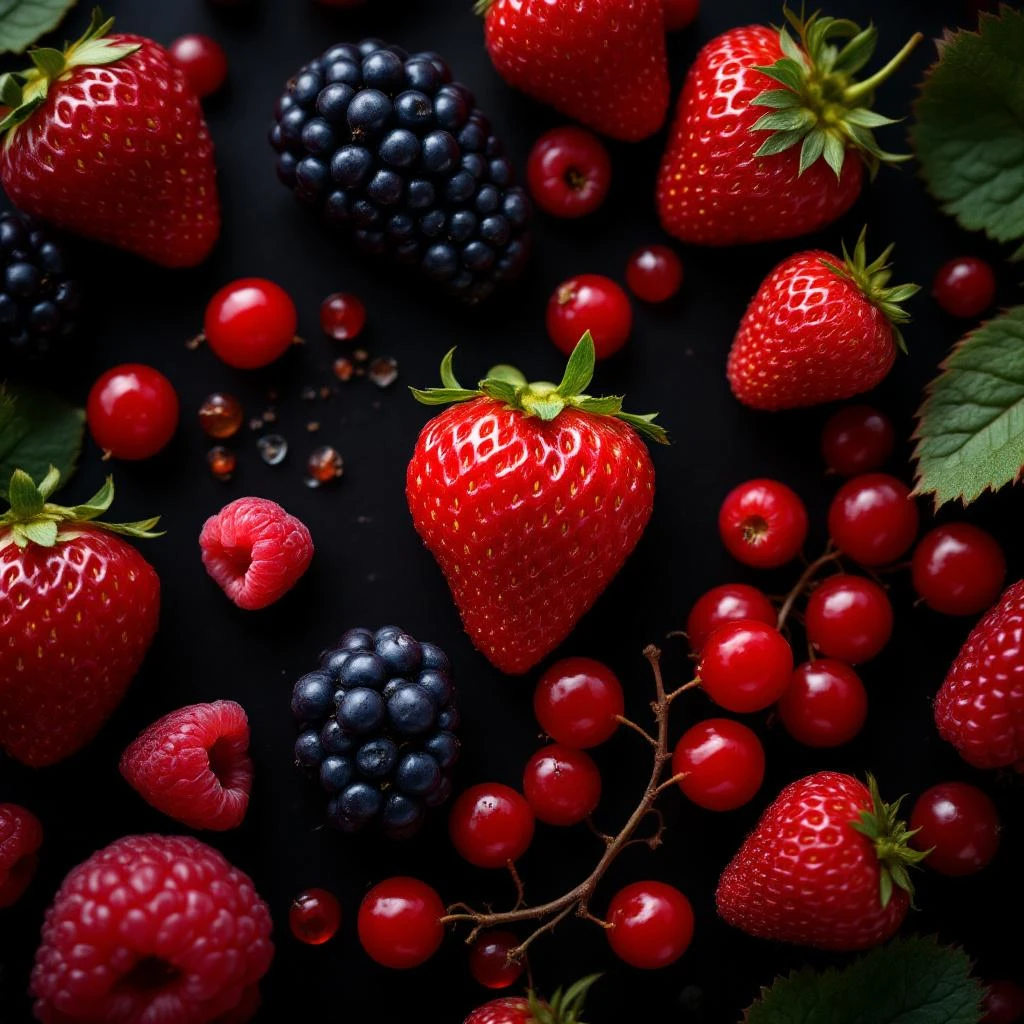
A vibrant composite accord that captures the juicy sweetness and tart brightness of strawberries, raspberries, red currants, and cherries. Red fruits add an immediate burst of playful energy to fragrances, evoking summer gardens and ripe harvests with their candied yet naturally mouthwatering character.
Character
How it smells
The candied burst of summer captured in every drop
Raspberry ketone, the molecule that gives raspberries their signature scent, occurs naturally at just 1-4 milligrams per kilogram of fruit. At $20,000 per kilogram for natural extraction, virtually all red fruit notes in perfumery are synthetic reconstructions.








Origin
France
The history of red fruits in perfumery is a story of twentieth-century chemistry triumphing over botanical limitation. While ancient civilizations enjoyed berries as food and medicine, the fruits themselves resisted all attempts at extraction. Medieval herbalists infused berries in oils, but the results were weak and prone to spoilage. The challenge remained: how to capture the ephemeral scent of strawberries and raspberries in a stable, concentrated form?
The breakthrough came in the late nineteenth century as synthetic organic chemistry advanced. In 1870, German chemist Albert Ladenburg synthesized ionones, violet-scented molecules that would become crucial building blocks for berry accords. The true revolution arrived in the 1950s when Firmenich chemists developed viable commercial synthesis routes for raspberry ketone, making the iconic "red berry" scent accessible to perfumers for the first time.
By the 1990s, red fruit notes had become mainstream fragrance staples, appearing in blockbuster compositions that defined the era. Lancôme's Trésor (1990) and Thierry Mugler's Angel (1992) showcased berries as serious perfume materials, not just novelty notes. The 2000s saw an explosion of fruity-floral fragrances, with red fruits serving as the bridge between sweet gourmand and fresh floral territories. Today, red fruits appear in over 40% of women's fragrances launched annually, from mass-market body sprays to niche artisanal creations. The accord has proven remarkably versatile, equally at home in playful summer colognes and sophisticated evening perfumes, a testament to how synthetic chemistry expanded perfumery's vocabulary beyond what nature alone could provide.
Wears it best
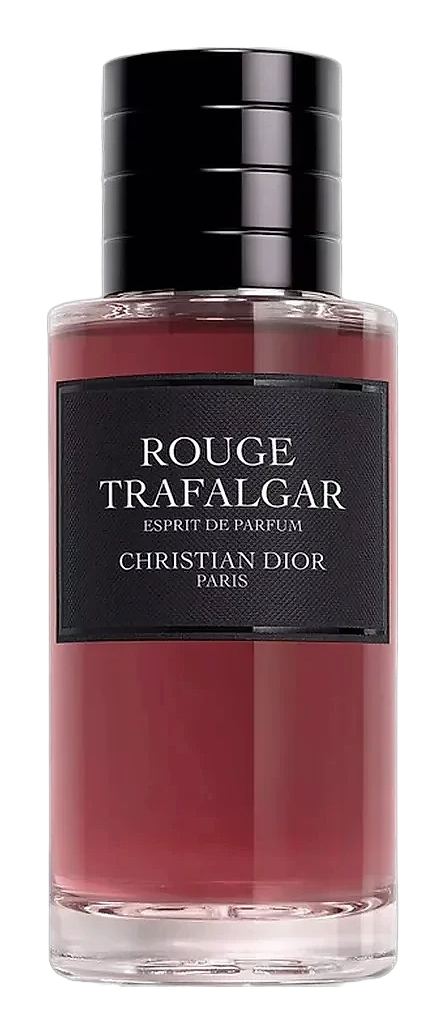
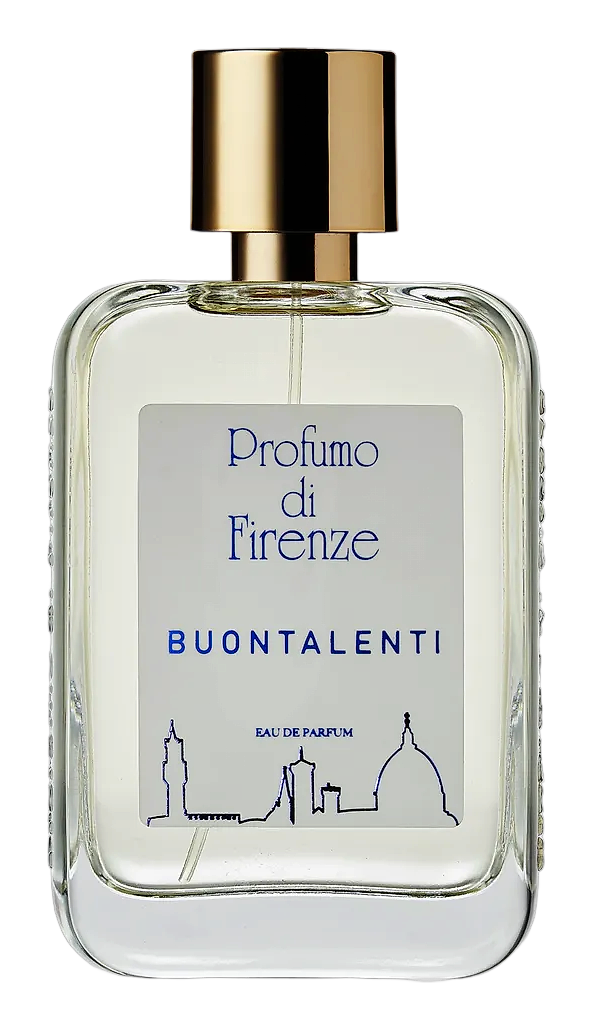
Fragrances featuring Red Fruits
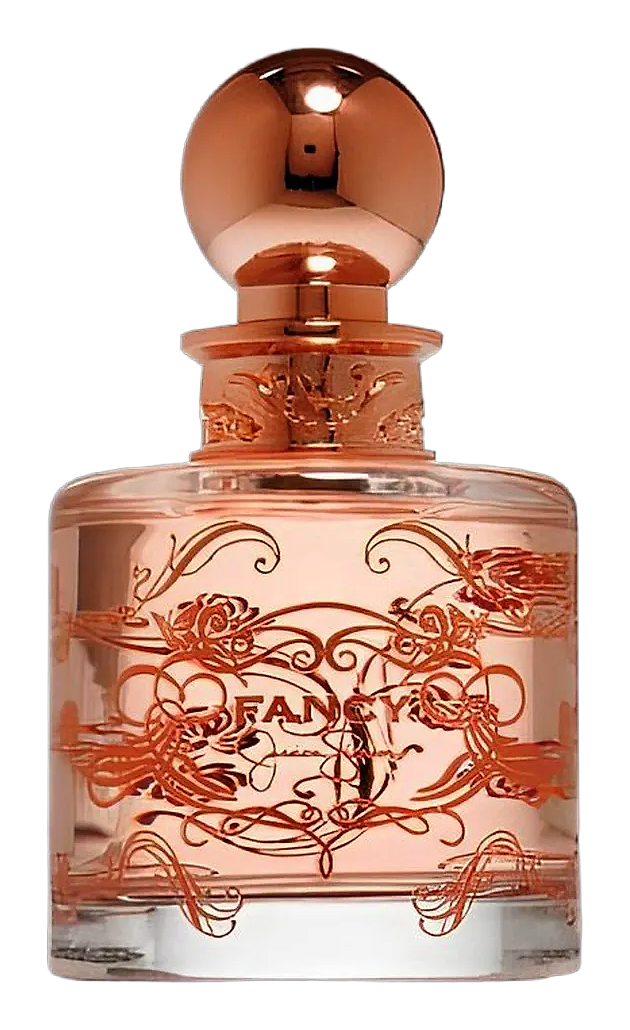

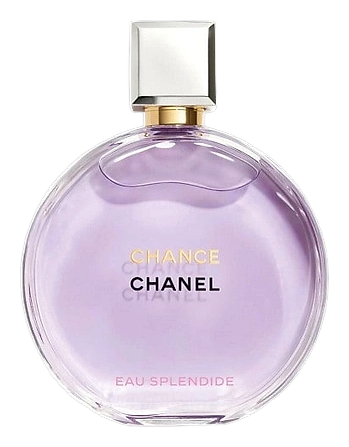
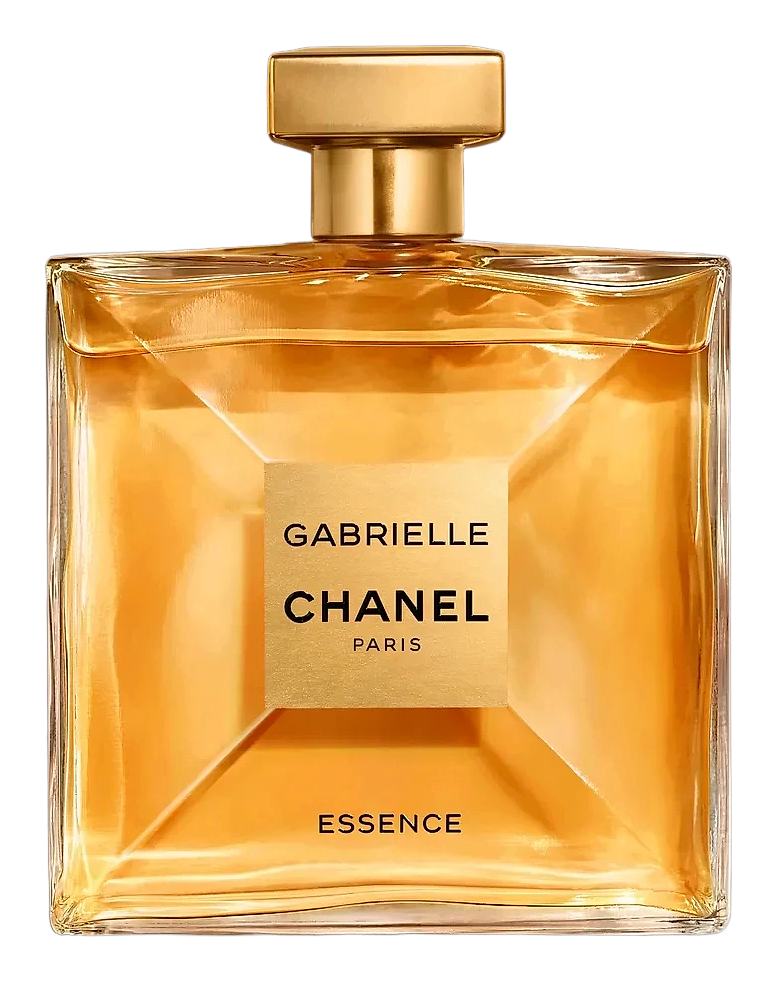
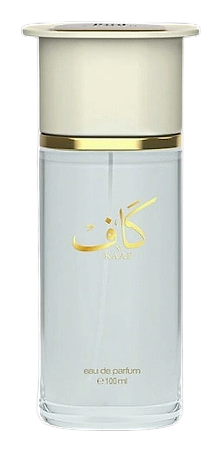
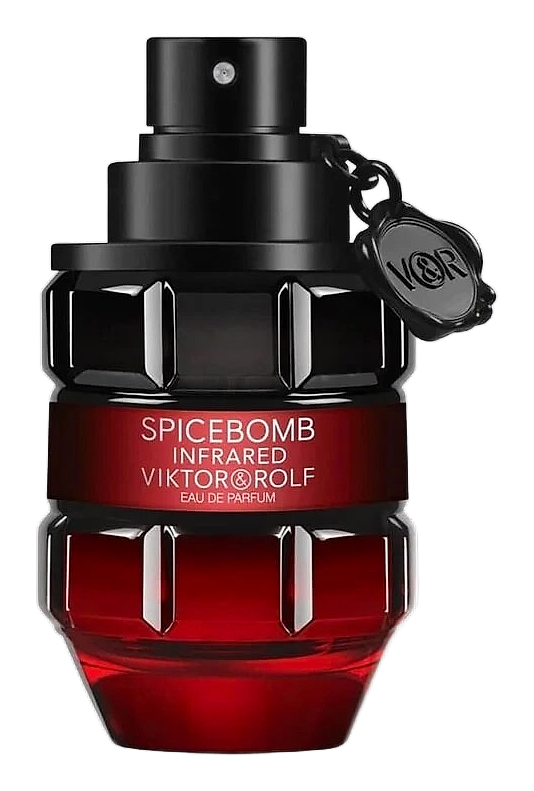
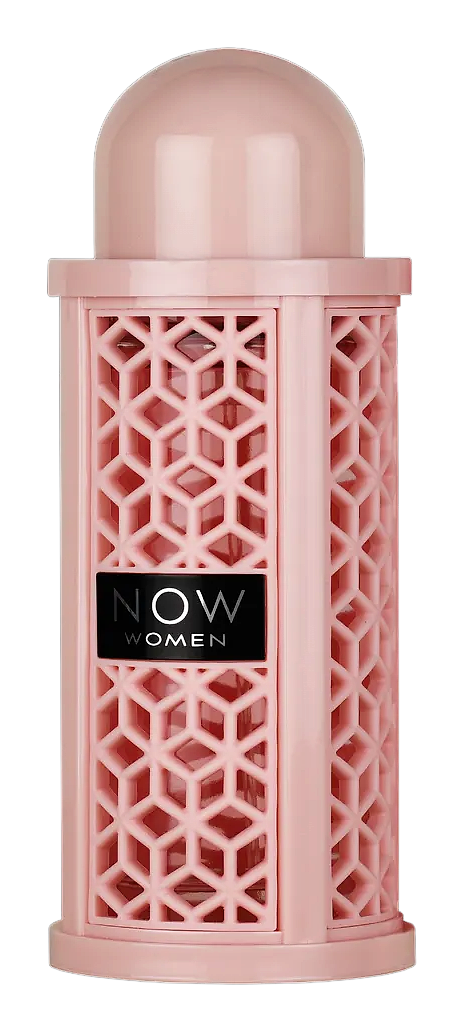
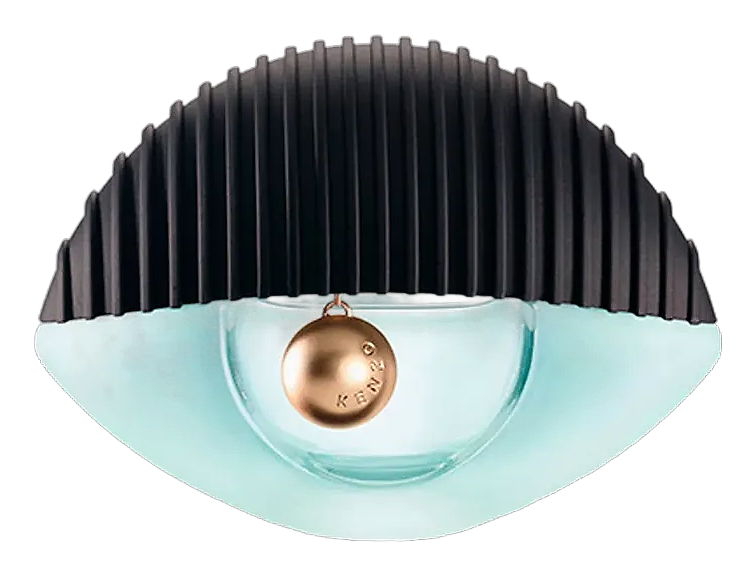
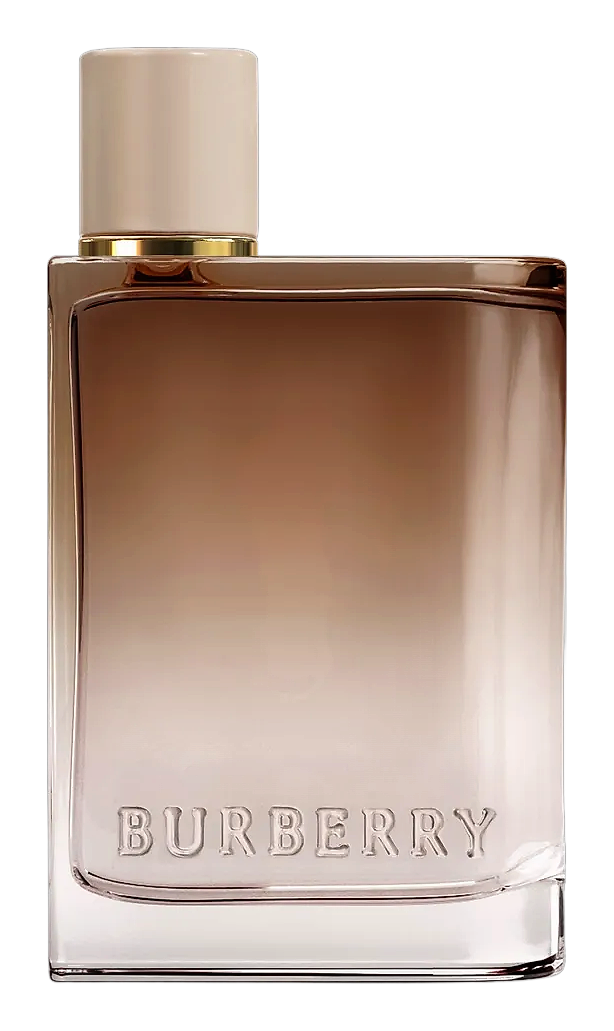
Brands
Brands known for Red Fruits
Good to know
Questions, answered
The essentials on Red Fruits in perfumery: how it smells, where it comes from, and how it behaves on skin.
What do red fruits smell like in perfume?
Red fruits in perfume smell sweet, juicy, and slightly tart, combining strawberry's candied brightness with raspberry's jammy depth and red currant's sparkling acidity. The accord typically reads as playful and youthful, evoking ripe summer berries rather than the actual fruits, which contain only trace aromatic compounds. Most red fruit notes last 15 to 45 minutes on skin as a top-note element.
Why are red fruits used in perfumery?
Red fruits add immediate freshness and energetic lift to fragrance compositions. They function as top-note modifiers that make perfumes feel modern, approachable, and vibrant. The accord pairs exceptionally well with florals, where it adds juicy sweetness without heaviness, and with woods, where it creates appealing contrast. Over 40% of women's fragrances launched annually now contain red fruit elements.
Is red fruits in perfume natural or synthetic?
Red fruits in perfume is entirely synthetic. Natural raspberries contain only 1 to 4 milligrams of aromatic ketone per kilogram, making extraction economically impossible at $20,000 per kilogram. Instead, perfumers construct the accord from molecules like raspberry ketone (frambinone) and strawberry aldehyde, synthesized in laboratories. This molecular approach actually produces a more vivid, stable scent than nature provides.
What famous perfumes contain red fruits?
Iconic red fruit fragrances include Thierry Mugler's Angel (1992), which paired berries with patchouli and chocolate to create the gourmand category. Lancôme's Trésor, Marc Jacobs Daisy Eau So Fresh, and Givenchy's Very Irresistible all feature prominent red berry notes. In niche perfumery, Byredo Pulp and Jo Malone's Red Currant showcase the versatility of red fruit accords.
Is red fruits a top note, heart note, or base note?
Red fruits function almost exclusively as top notes. The molecular components, primarily low-weight esters and ketones, are highly volatile and evaporate quickly. Raspberry ketone has moderate tenacity, but the overall berry impression typically fades within 15 to 45 minutes, leaving behind subtle sweet undertones that blend into the heart notes. Their role is immediate impact and opening freshness.
What notes pair well with red fruits in perfume?
Red fruits pair exceptionally with white florals like jasmine and orange blossom, where they add youthful sweetness. They complement vanilla and caramel for gourmand effects, contrast beautifully against earthy patchouli, and add brightness to woody bases like cedar and sandalwood. Citrus notes enhance their freshness, while musks extend their longevity on skin.
How is red fruits extracted for perfume?
Red fruits cannot be extracted commercially. Instead, perfumers synthesize the accord from aromatic molecules. Raspberry ketone, the backbone of red fruit accords, is produced via chemical synthesis combining 4-hydroxybenzaldehyde with acetone. Other components like strawberry aldehyde (ethyl methylphenylglycidate) and various fruity aldehydes are manufactured in fragrance laboratories.
Is red fruits used in men's or women's fragrances?
Red fruits appear predominantly in women's fragrances, featuring in over 40% of new launches for women compared to under 10% for men. However, the note has gained traction in unisex and men's compositions when paired with woody, aromatic, or leather bases. Fragrances like Hermès' Un Jardin Sur Le Nil use red currant to add freshness without femininity.