The Story
Why it exists.
The beginning
Memo Paris approaches fragrance as cartography, mapping emotional territories rather than merely listing ingredients. For Sintra, perfumer Philippe Paparella-Paris received only the destination: the forested hills above Lisbon where a royal palace dissolves into subtropical jungle. No constraints on materials, only a landscape to interpret. Paparella-Paris translated Sintra's misty forests and humid gardens into olfactory coordinates: the green intensity of Petitgrain echoing pine-scented hillsides, the floral abundance of Orange Blossom and Rose representing the palace gardens, and the deep warmth of Caramel and Vanilla in the base evoking the island's golden afternoon light filtering through canopy. The result reads as a sensory map of that specific elevation, where European structure meets tropical abundance.
Each note in Sintra serves cartographic purpose. The opening notes map the landscape's immediate impression: citrus roads through forest, Red Fruits ripening in clearings. The heart charts the garden's cultivated abundance. The drydown reveals the deeper character of the place, where vanilla orchids and caramel-sweet air persist after sunset. Abelmoschus, derived from musk mallow seeds, contributes a subtle exoticism that honors the location's subtropical climate without tipping into tropical cliché. The composition treats these ingredients as coordinates rather than conveniences, building atmosphere through their combination.
The evolution
The narrative arc unfolds like an afternoon in Sintra itself. Morning light brings Bergamot and Red Fruits, their tart brightness cutting through coastal humidity. Petitgrain adds a green, slightly bitter counterpoint that grounds the sweetness. As the day progresses, the heart opens: Orange Blossom unfurls with creamy, indolic richness, while Cinnamon provides warmth and Rose adds romantic softness. The transition into evening brings the drydown's transformation. Caramel emerges first, buttery and sticky-sweet, followed by Vanilla's familiar comfort. Abelmoschus, the often-overlooked base note, adds an animalic muskiness that prevents the finish from becoming merely edible. This progression mirrors the forest itself: bright canopy giving way to dense undergrowth, ending in the warm, humid stillness of dusk.
Cultural impact
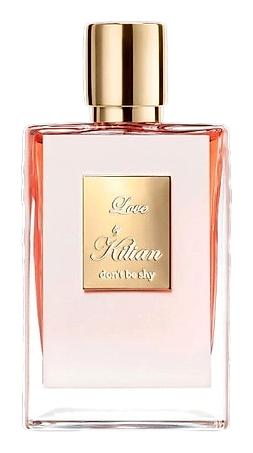
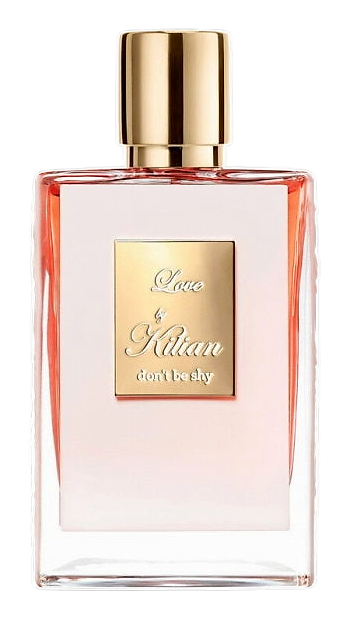
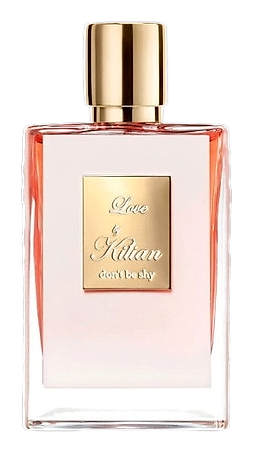
Sintra sits in the Fleurs Bohèmes collection alongside other floral-forward compositions from Memo Paris. It's become one of the house's more accessible fragrances, sweet enough to attract wearers who might not consider themselves niche enthusiasts, but with enough complexity to reward those who do. The orange blossom and vanilla combination puts it in conversation with fragrances like Memo Paris's Inlé and Kilian's Love Don't Be Shy, though Sintra leans more aromatic and less honeyed than either. Wearers describe it as the scent of someone who walks into a room and doesn't need to announce themselves, confident, warm, with a quietiness that gets remembered.