Abelmoschus
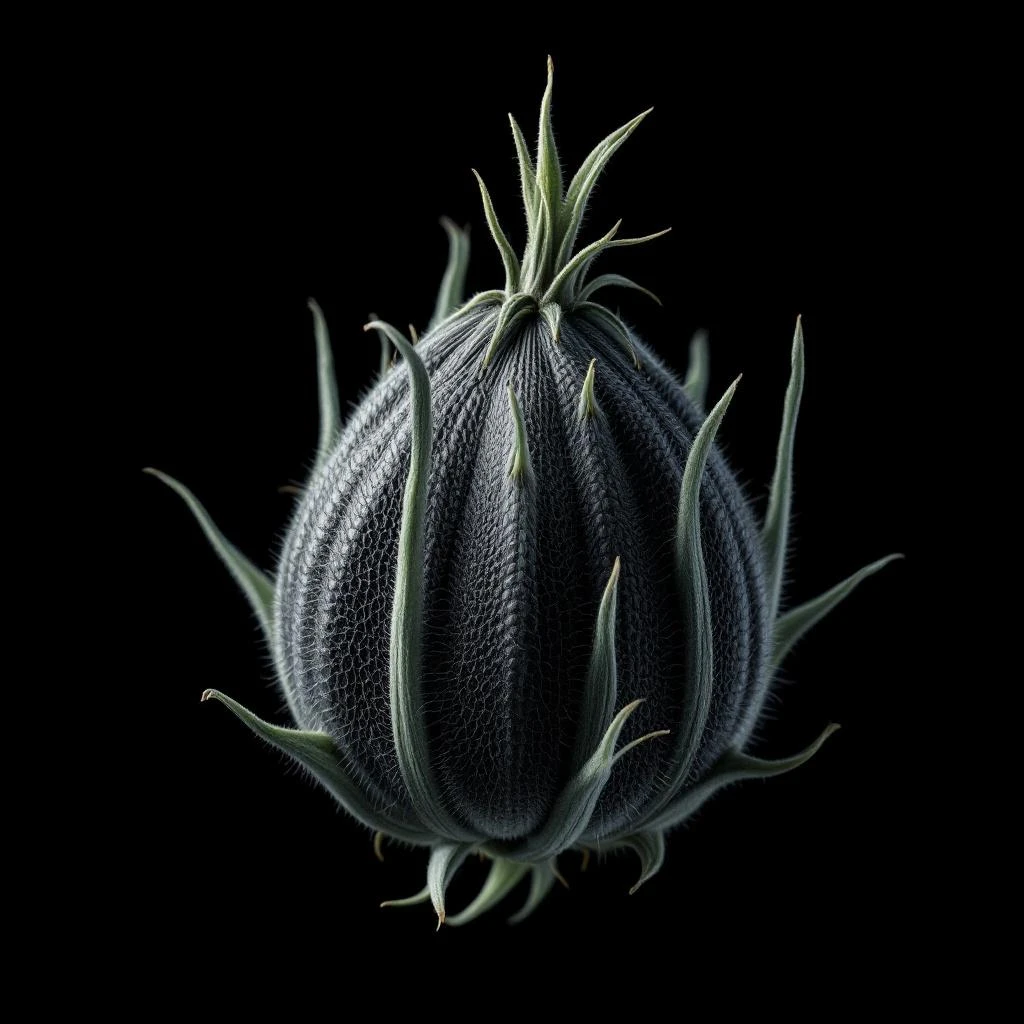
Ambrette seed oil, derived from the tropical Abelmoschus moschatus plant, delivers a rare vegetable musk with subtle fruity pear and gentle floral undertones. A highly prized ingredient in fine perfumery for its warm, natural fixative qualities.
Character
How it smells
The rare vegetable musk with fruity warmth
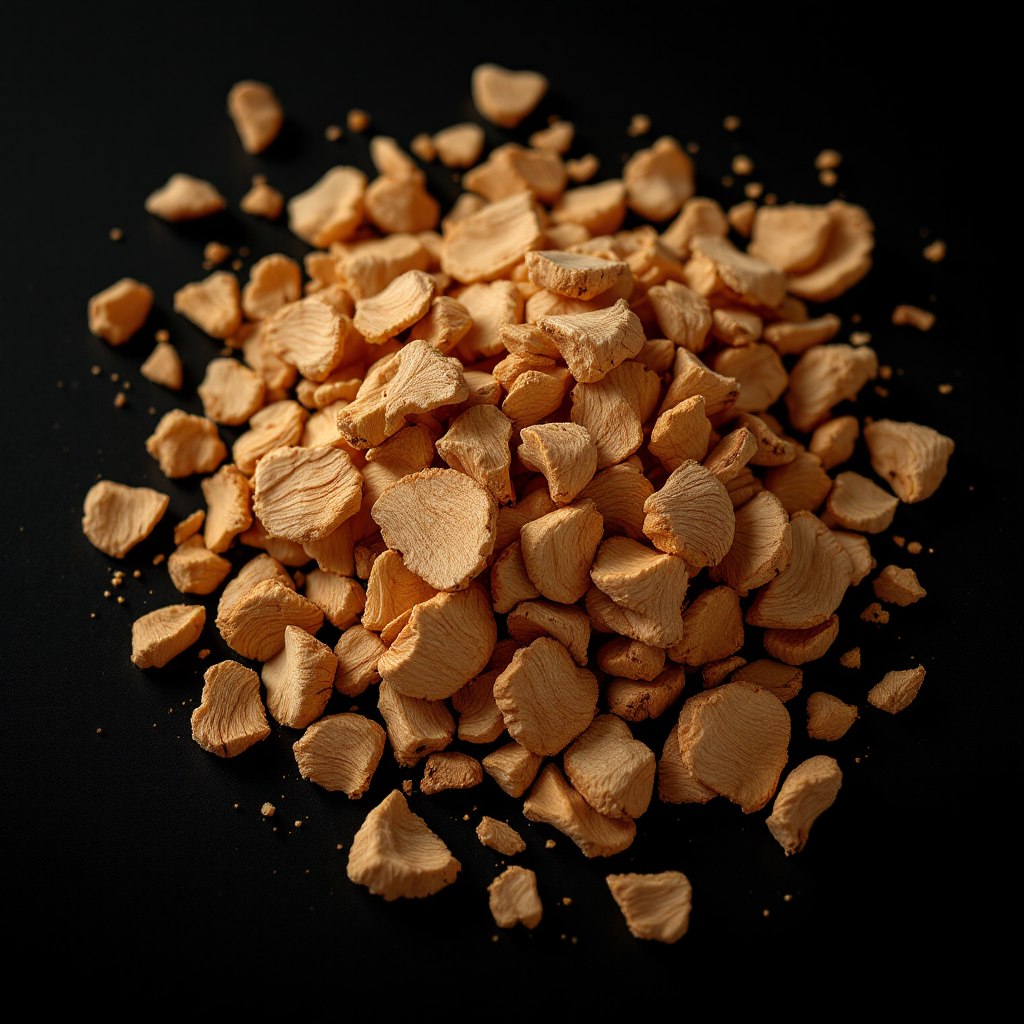
Unlike most botanicals, ambrette seeds develop their signature musky aroma only during drying, when natural enzyme activity converts the seed's starches into aromatic compounds.







Origin
India
Ambrette seed holds a distinguished position among natural aromatics, tracing its use back to ancient civilizations in the Middle East and North Africa. Egyptian and Mesopotamian perfumers valued the material for its warm, persistent character and its ability to anchor fragrance compositions.
The seeds were traditionally associated with Arabic perfumery traditions, where they featured in traditional attars and ceremonial blends. When animal-derived musks faced increasing scrutiny in the 20th century, ambrette seed emerged as a sought-after botanical alternative.
Its complex olfactory profile, combining musky warmth with fruity brightness, made it particularly valuable for oriental and fantasy fragrance families. The ingredient has remained relatively niche due to cultivation challenges and extraction complexity, preserving its status as a mark of quality and natural authenticity in fine perfumery.
Wears it best
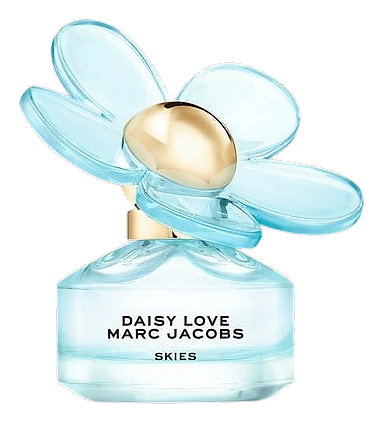
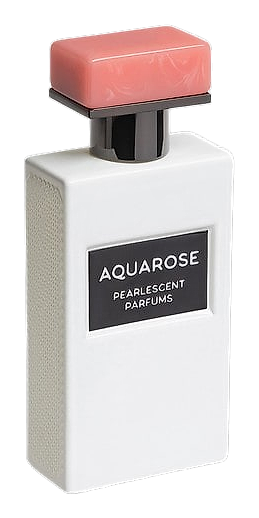
Fragrances featuring Abelmoschus

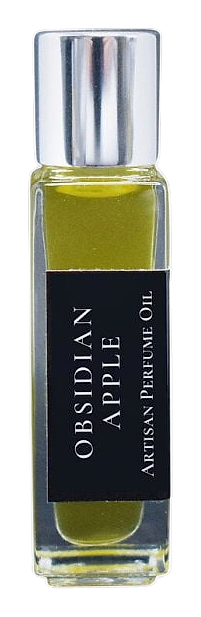
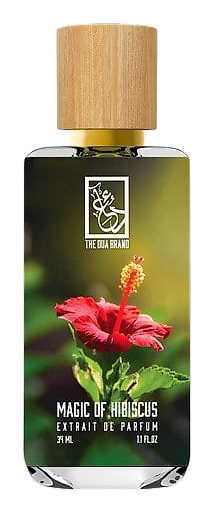
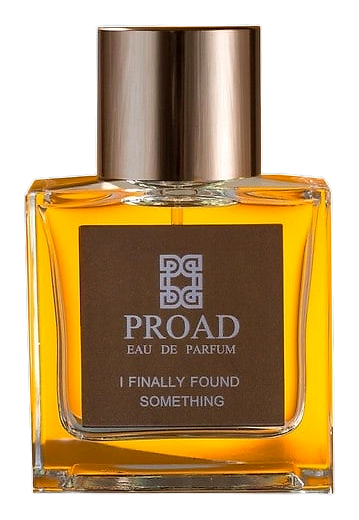
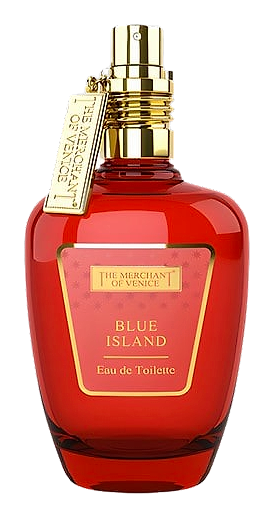
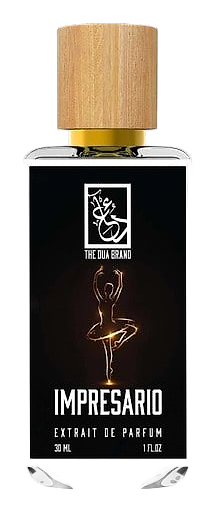
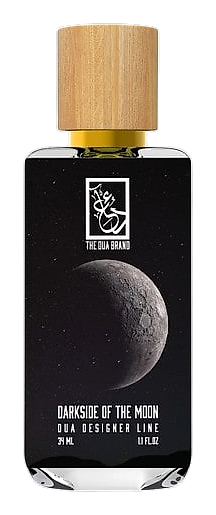
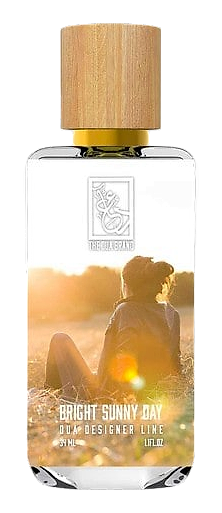
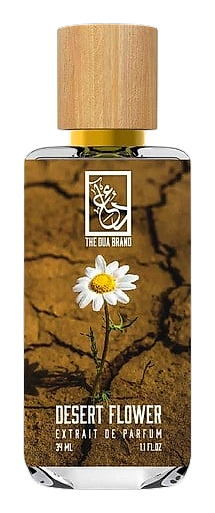
Brands
Brands known for Abelmoschus
Good to know
Questions, answered
The essentials on Abelmoschus in perfumery: how it smells, where it comes from, and how it behaves on skin.
What does ambrette smell like?
Ambrette delivers warm, natural musk with fruity pear and floral undertones. It combines animalic depth with a clean, vegetable freshness that synthetic musks often struggle to replicate.
Is ambrette seed a sustainable ingredient?
Yes. Ambrette seed provides a ethical alternative to animal musk. The seeds are harvested after the plant's fiber crops, making use of what would otherwise be agricultural waste.
What fragrance families use ambrette?
Ambrette appears primarily in oriental, chypre, and woody compositions. It works as both a heart note and fixative, adding warmth and longevity to the dry-down phase.
How does ambrette compare to synthetic musks?
Natural ambrette offers a complexity synthetic musks cannot match. It provides green, fruity nuances alongside musky warmth, creating a more dimensional olfactory experience.
Which parts of the plant are used?
Only the seeds contain significant aromatic compounds. The oil concentrates in the thin seed coat, requiring careful extraction to capture the full olfactory profile.
What extraction method produces ambrette oil?
Steam distillation is the primary method. Seeds are dried for several weeks before processing, allowing natural enzymes to develop the characteristic musky aroma.
Where does commercial ambrette originate?
India and East Africa supply most commercial ambrette seed. The tropical climate and growing conditions directly affect the oil's aromatic quality and yield.
Can ambrette seed trigger allergies?
Like many natural materials, ambrette seed contains compounds that may sensitize some individuals. IFRA guidelines regulate its concentration in consumer products.