Caramel
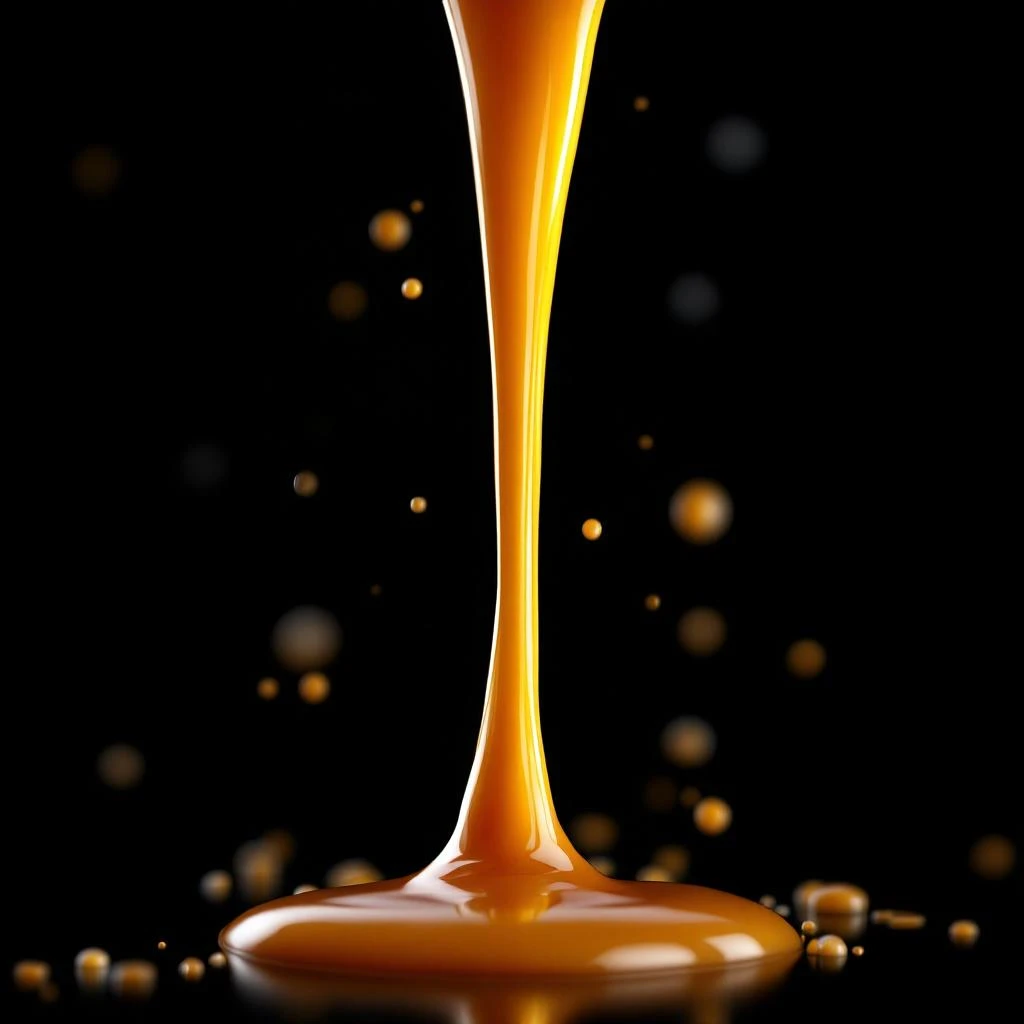
Warm, edible sweetness with deep burnt-sugar complexity. Caramel brings comfort and indulgence to fragrance, evoking confectionery warmth without any natural source.
Character
How it smells
The sweet science of burnt sugar in a bottle.
Caramel is entirely synthetic in perfumery—the scent of confectionery created entirely in a laboratory without any natural caramel extract.








Origin
France
Caramel as a perfumery ingredient emerged alongside the first wave of synthetic aroma compounds in the late nineteenth century. Modern perfumery began around 1870 when commercial synthesis of vanillin and coumarin became feasible, opening entirely new scent categories for perfumers. Before these breakthroughs, recreating edible, food-like aromas relied on natural materials like benzoin resin or styrax, which offered only distant approximations of confectionery notes.
The development of caramel-smelling synthetics represented a pivotal moment in fragrance history. For the first time, perfumers could construct precise gourmand narratives that mimicked real food experiences. This innovation fundamentally reshaped how fragrances communicated warmth, comfort, and sensory memory.
The French perfume industry led this transformation, establishing what we now recognize as modern perfumery. Today, caramel remains a cornerstone of the gourmand fragrance family, valued for its psychological comfort and universal appeal.
Wears it best
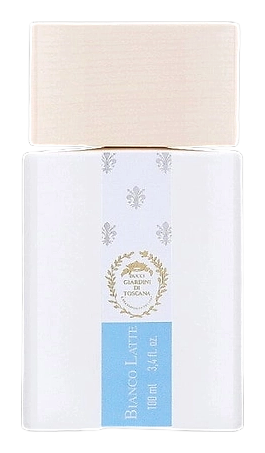
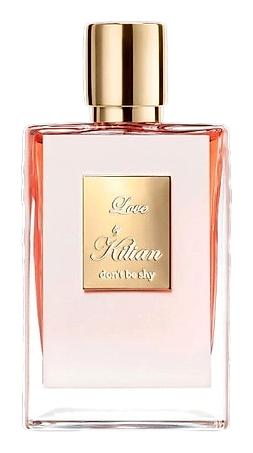
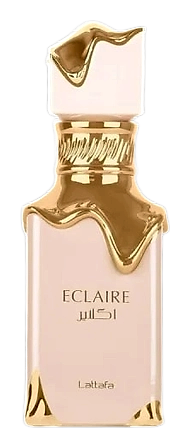
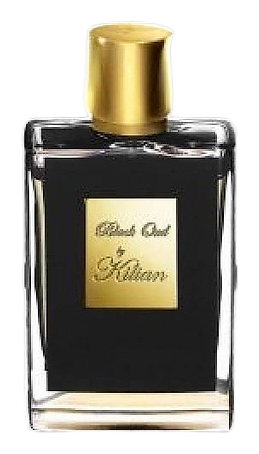
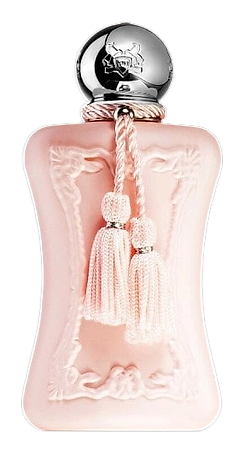
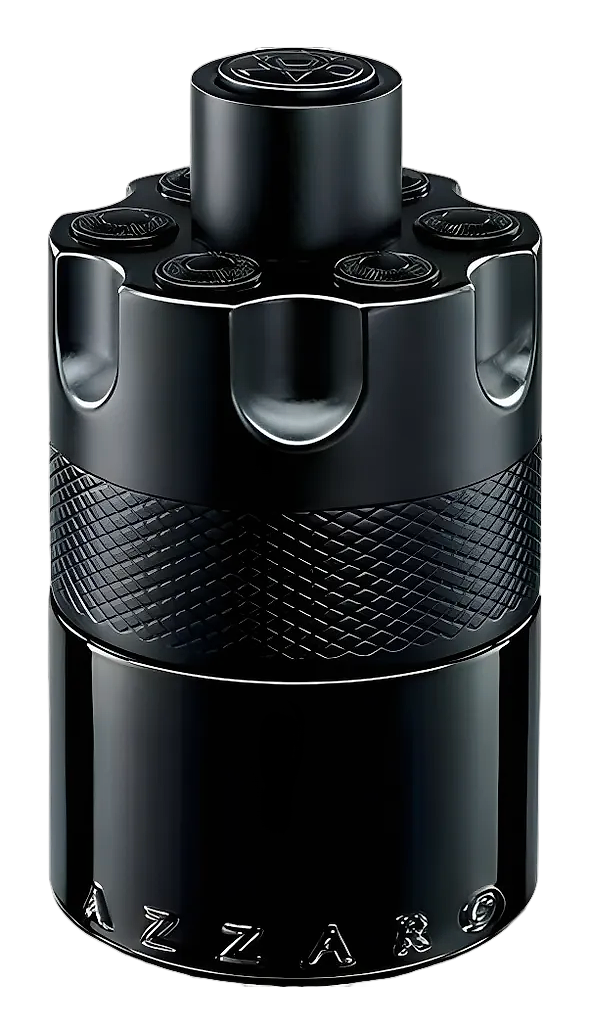
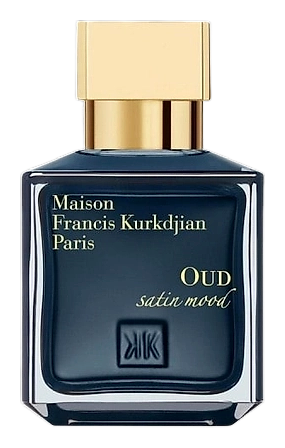
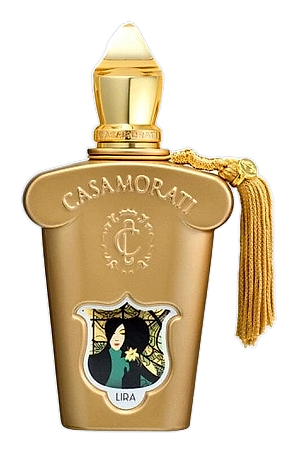
Fragrances featuring Caramel

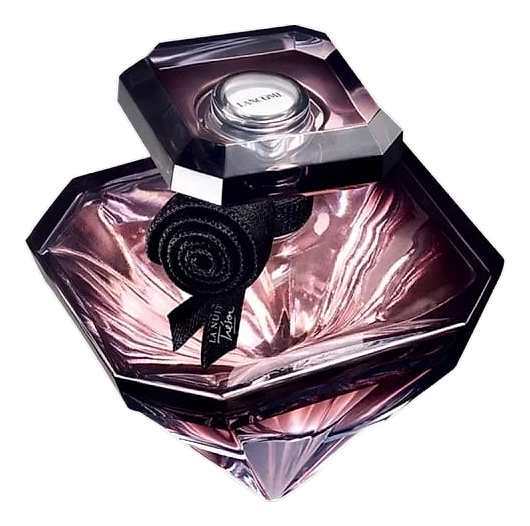
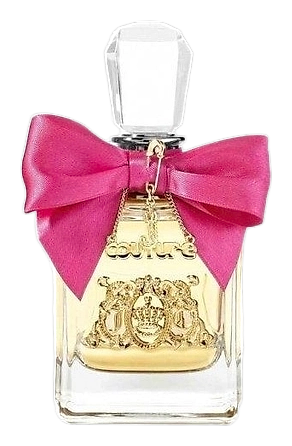
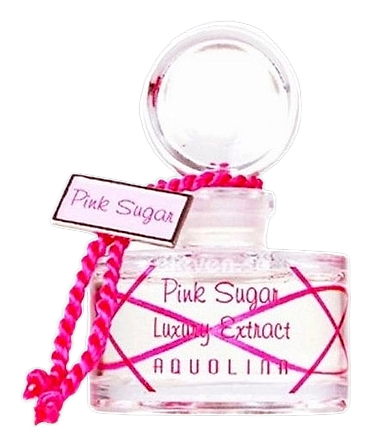
Brands
Brands known for Caramel
Good to know
Questions, answered
The essentials on Caramel in perfumery: how it smells, where it comes from, and how it behaves on skin.
Is caramel natural or synthetic in perfumery?
Caramel is synthetic in perfumery. No natural extraction process yields caramel as a fragrance ingredient.
What does caramel smell like in perfume?
Caramel offers warm, edible sweetness with burnt-sugar depth and slight bitterness. It creates comforting, confectionery-like warmth in fragrance compositions.
How do perfumers create caramel scent without real caramel?
Perfumers synthesize caramel compounds through Maillard reactions or derive them from furanone chemistry, replicating the aroma entirely in laboratory conditions.
What fragrance families use caramel notes?
Caramel appears primarily in oriental and gourmand fragrances. It serves as a heart or base note in many warm, sweet compositions.
Does caramel pair well with other ingredients?
Caramel pairs excellently with vanilla, tonka bean, and woody notes like sandalwood, enhancing depth and creating rich, lingering drydowns.
When did caramel enter the perfumer's palette?
Caramel-smelling synthetics entered perfumery in the late nineteenth century alongside vanillin and coumarin as early commercial aroma compounds.
What is the most common caramel-smelling compound in perfume?
Furaneol (4-hydroxy-2,5-dimethyl-3(2H)-furanone) is among the most widely used compounds for creating caramel effects in fragrance.
Is caramel fragrance safe for skin application?
Regulatory authorities including IFRA have approved caramel aroma chemicals at established concentrations for cosmetic and perfume use.