Coffee
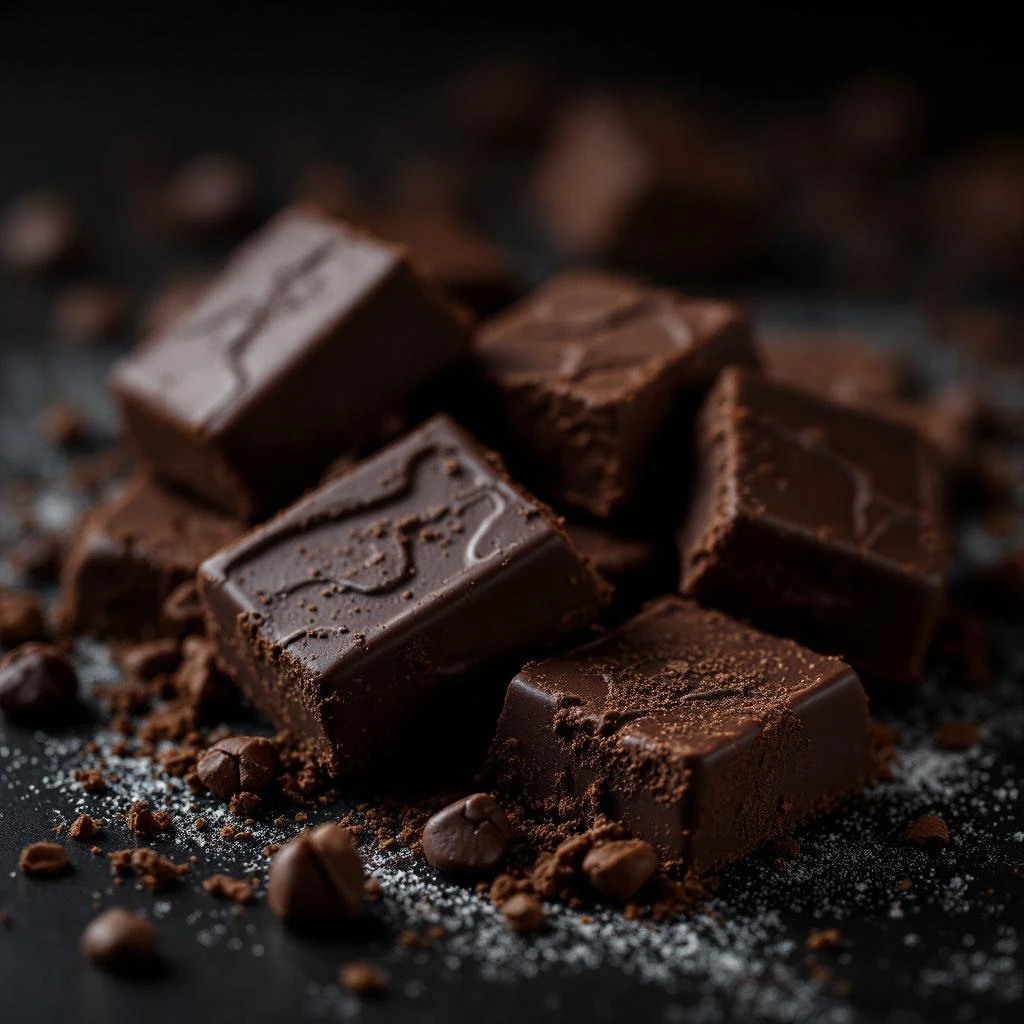
Rich, roasted, and unmistakably bold. Coffee brings the deep bitterness of freshly brewed beans to perfumery, grounding sweet gourmands and adding smoky warmth to leather compositions.
Character
How it smells
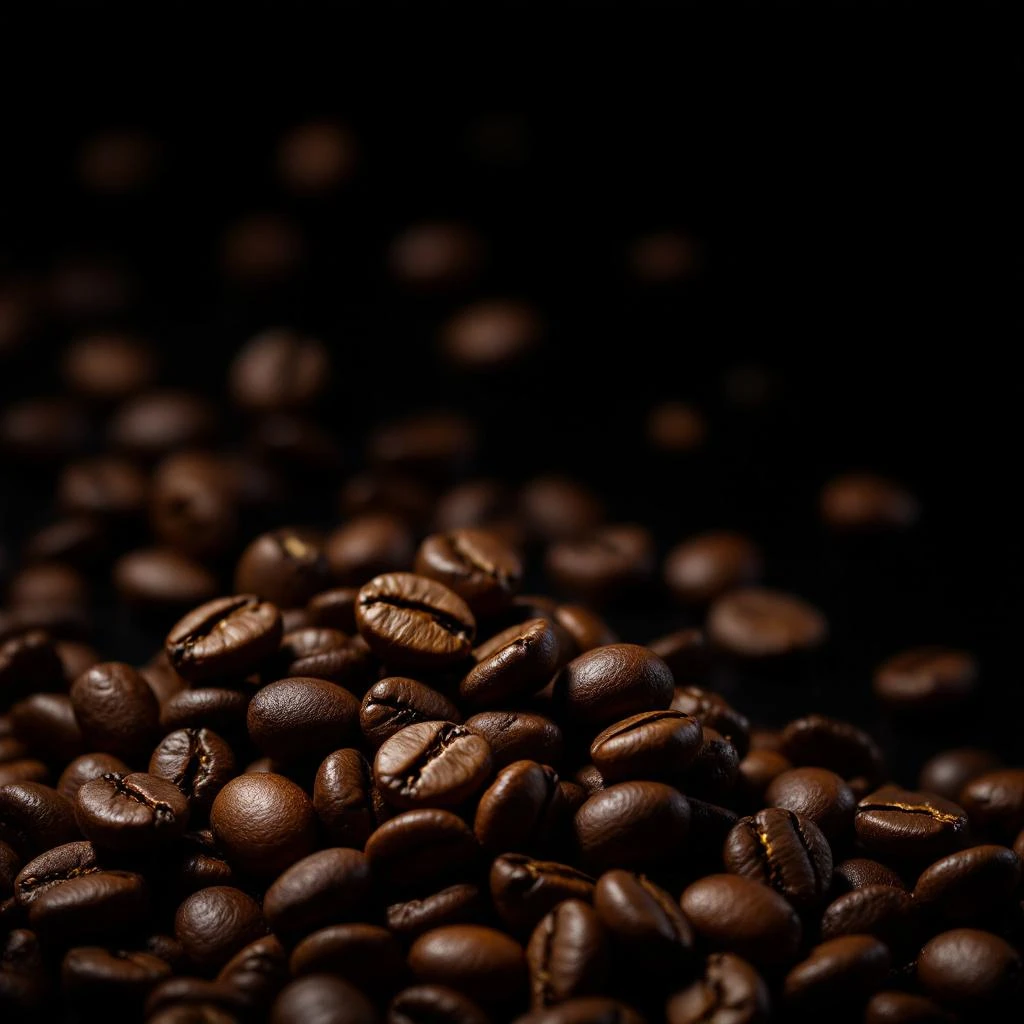
Roasted depth in a single drop
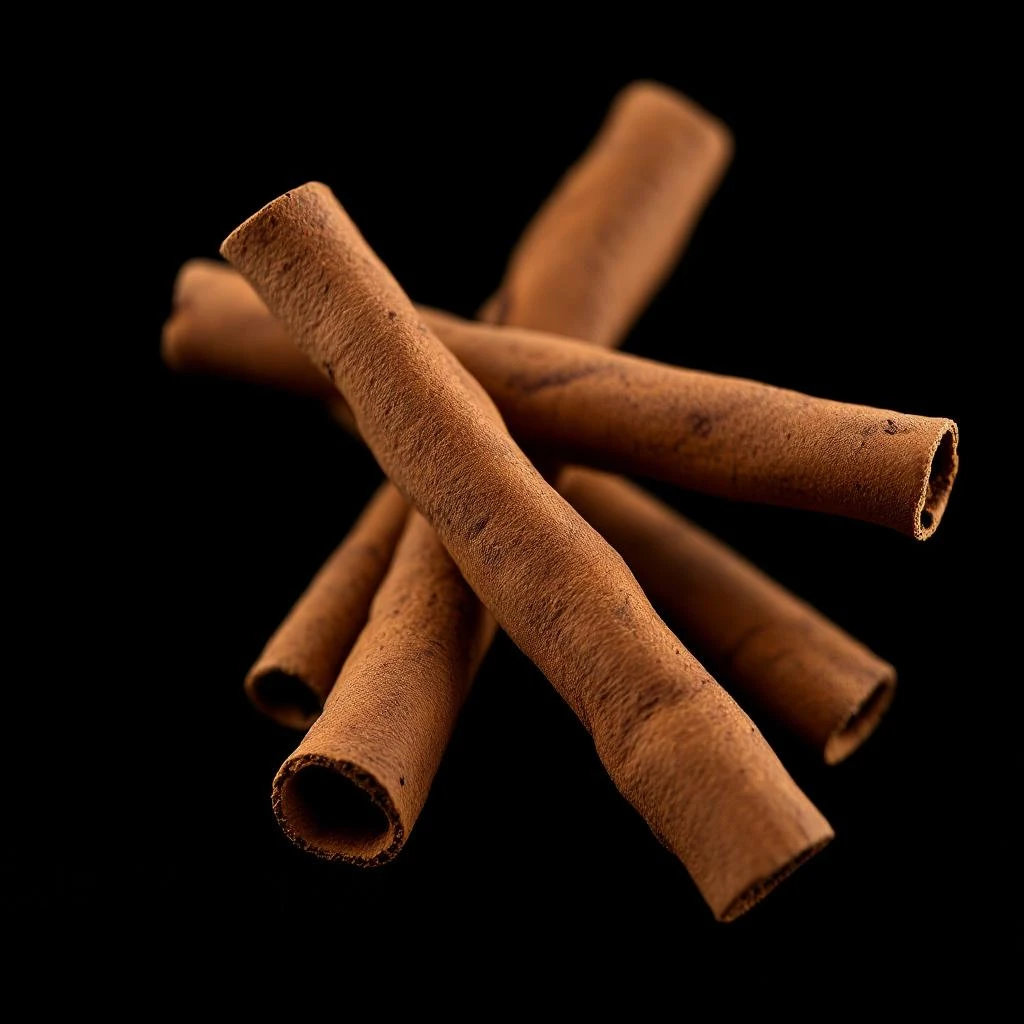
Coffee beans aren't botanically beans at all. They're the roasted seeds inside cherry-like fruits, and each cherry typically contains two seeds nestled in sweet mucilage.







Origin
Ethiopia
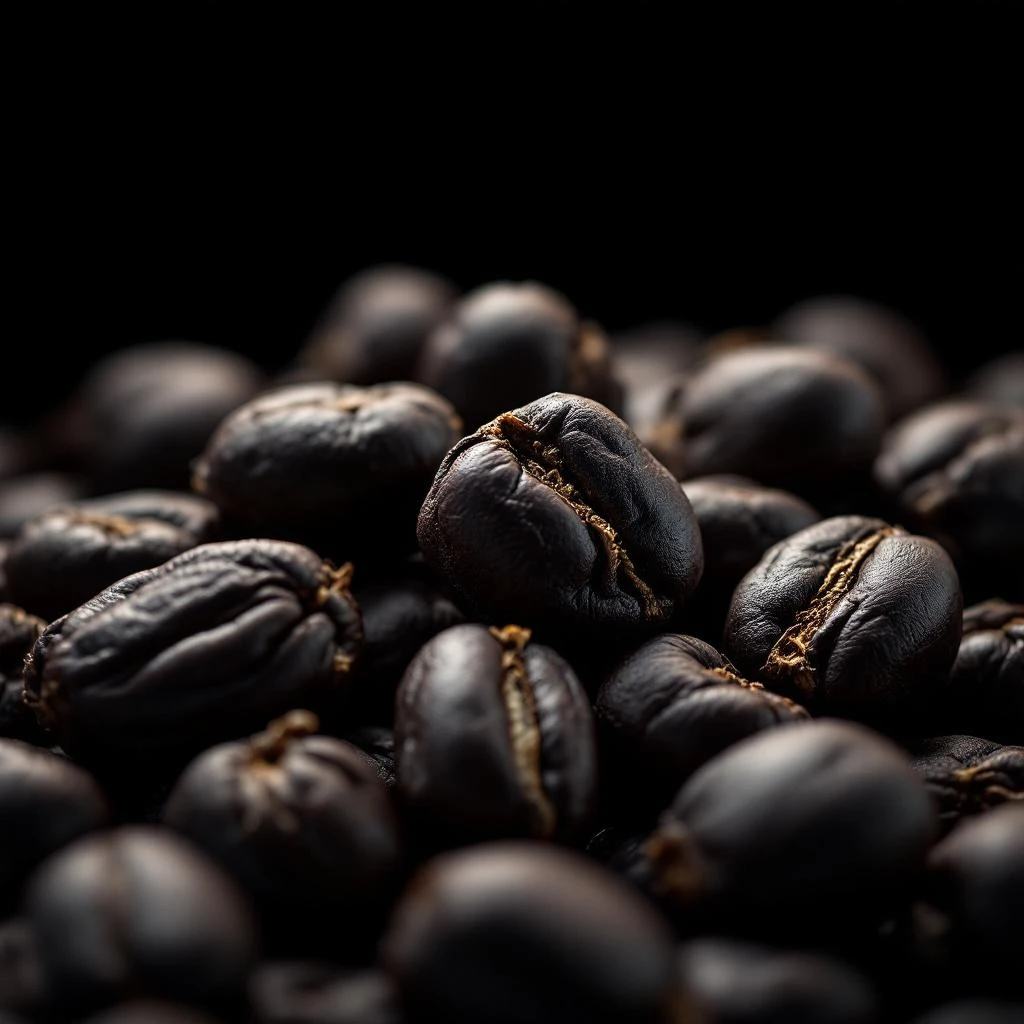
Coffea arabica originated in the highlands of southwestern Ethiopia, where wild plants still grow beneath the forest canopy. The story goes that a goatherd named Kaldi noticed his goats dancing after eating the bright red cherries, though this tale is likely apocryphal. What is documented is that cultivation spread through the Arabian Peninsula by the 15th century, with Yemen and the port of Mokha becoming central to early trade.
Coffee arrived in Europe through Ottoman intermediaries and reached Ottoman coffeehouses by the mid-1500s. As a perfumery ingredient, coffee entered Western fragrance relatively late. The gourmand revolution of the 1990s, marked by compositions built around edible notes, pushed coffee into the spotlight.
Modern synthesis of aroma compounds, beginning with vanillin and coumarin in the late 19th century, made it possible to isolate and reproduce coffee's roasted signature, freeing perfumers to deploy it in compositions unconstrained by raw material cost.
Wears it best
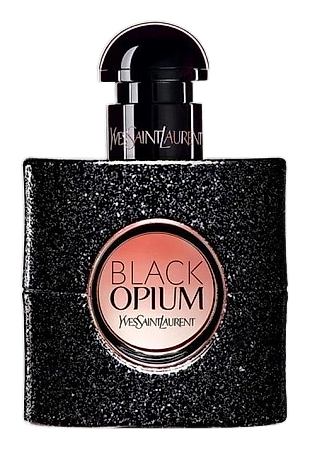
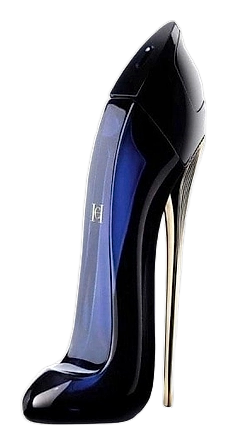
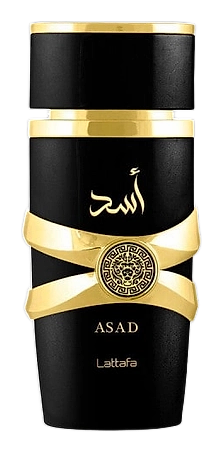
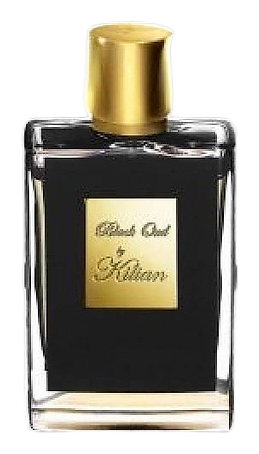
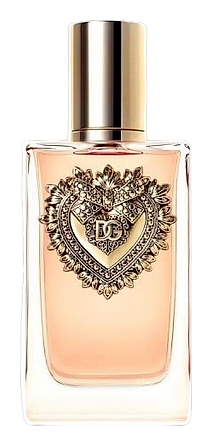
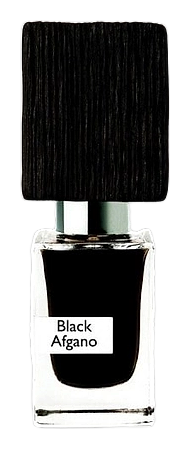
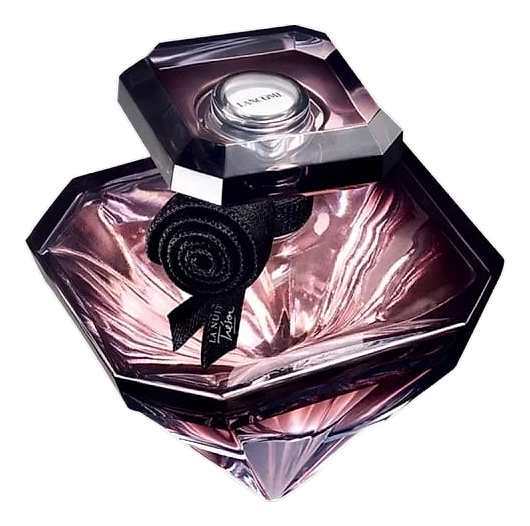
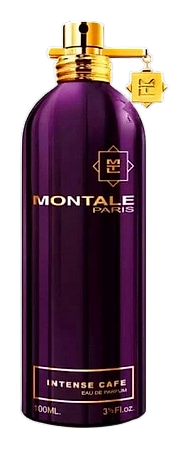
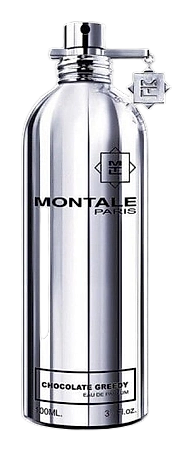
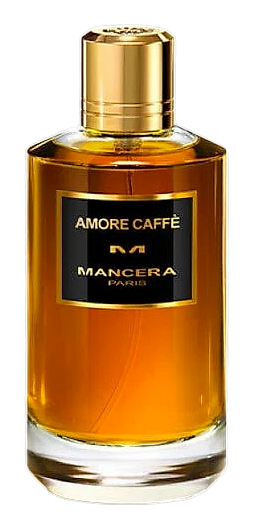
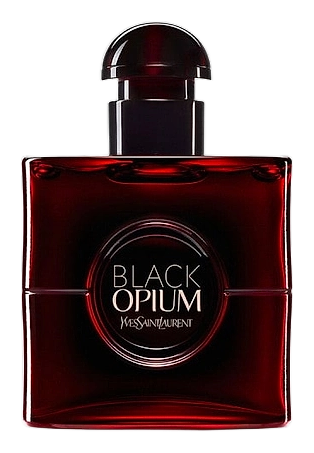
Fragrances featuring Coffee

Brands
Brands known for Coffee
Good to know
Questions, answered
The essentials on Coffee in perfumery: how it smells, where it comes from, and how it behaves on skin.
What does coffee smell like in perfume?
Coffee in fragrance reads as roasted, bitter, and slightly sweet, with smoky undertones. The note carries the warmth of freshly ground beans alongside a dark, almost burnt edge that anchors gourmand and oriental compositions.
Is coffee absolute expensive to produce?
Yes. Natural coffee absolute requires enormous quantities of roasted beans per kilogram of extract, and the roasting step adds significant processing cost. Synthetic reconstructions are far more economical and dominate commercial perfumery.
Where does coffee originate from?
Coffee (Coffea arabica) originated in the Kaffa region of southwestern Ethiopia. Wild plants still grow there today, and the species spread to Yemen by the 15th century before reaching global cultivation.
How is coffee aroma extracted for perfume?
Most natural coffee aroma comes from supercritical CO2 extraction of roasted beans, which preserves heat-sensitive volatiles. Solvent extraction is also used. Synthetic versions combine pyrazines and furans to recreate specific roast profiles.
Are coffee beans actually beans?
No. Coffee beans are seeds found inside the fruit (called a cherry) of the Coffea plant. Each cherry usually contains two seeds, which are separated, dried, and roasted to develop the characteristic brown color and aroma.
When was coffee first used in perfumery?
Coffee became a prominent fragrance note during the 1990s gourmand movement, when perfumers began building compositions around edible, dessert-like themes. Before then, it appeared only sporadically in classical oriental bases.
Does coffee absolute contain caffeine?
Coffee absolute contains trace amounts of caffeine along with hundreds of other aroma-active compounds. Caffeine itself is odorless, so it contributes nothing to the scent. The characteristic aroma comes from pyrazines, furans, and related roast-generated molecules.
Can you use instant coffee to make perfume?
No. Instant coffee lacks the volatile aromatic oils that give freshly roasted beans their depth. Perfumery requires either extracted absolutes, CO2 concentrates, or carefully formulated synthetic reconstructions to capture the roasted character.