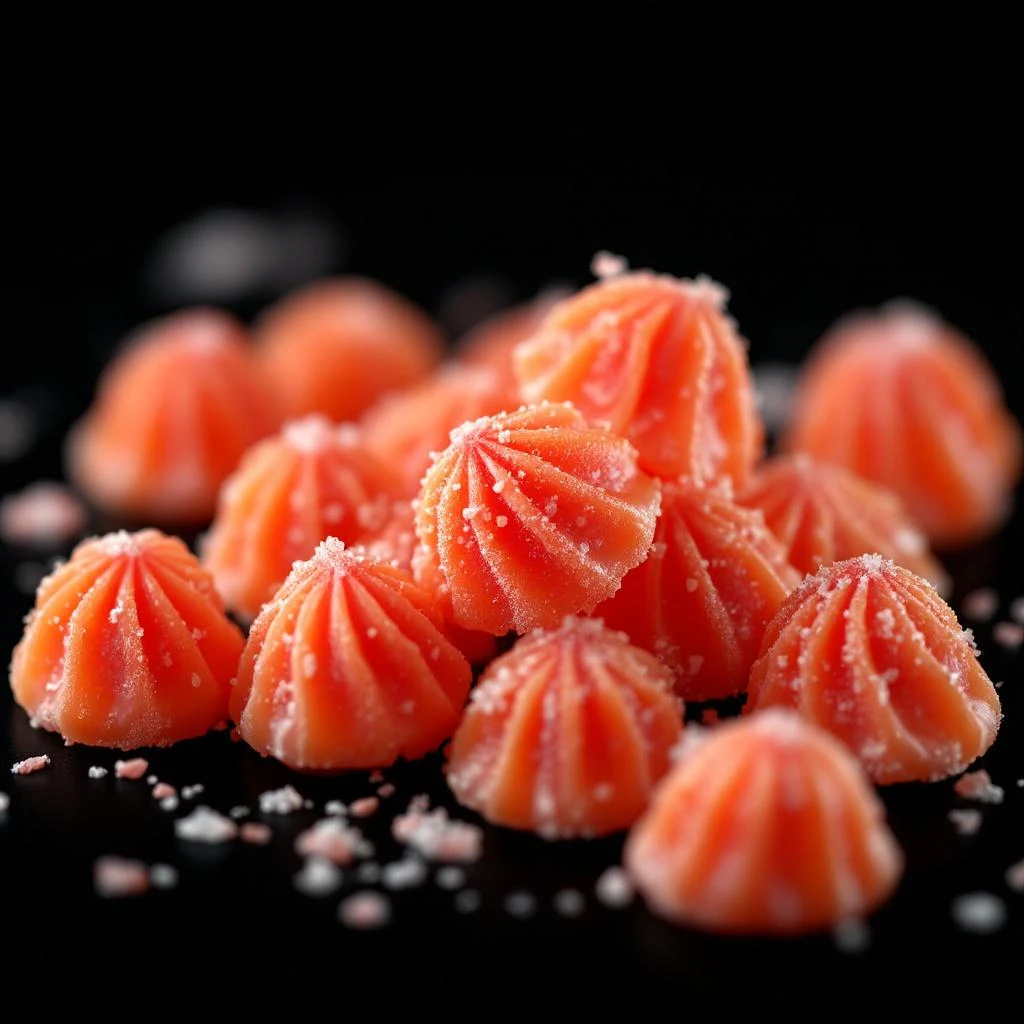
Sugar
Sugar adds a sweet, edible warmth to fragrance compositions, grounding sharper florals and spices with a confectionery softness. In perfumery, it serves as a gourmand accent, evoking caramel, cotton candy, or spun-sugar accords.

Character
How it smells
The gourmand whisper that softens every composition
Sugar cannot be distilled like essential oils, so perfumers recreate its scent using synthetic molecules such as ethyl maltol, first synthesized in the 1890s to mimic caramelized sugar.








Origin
Germany
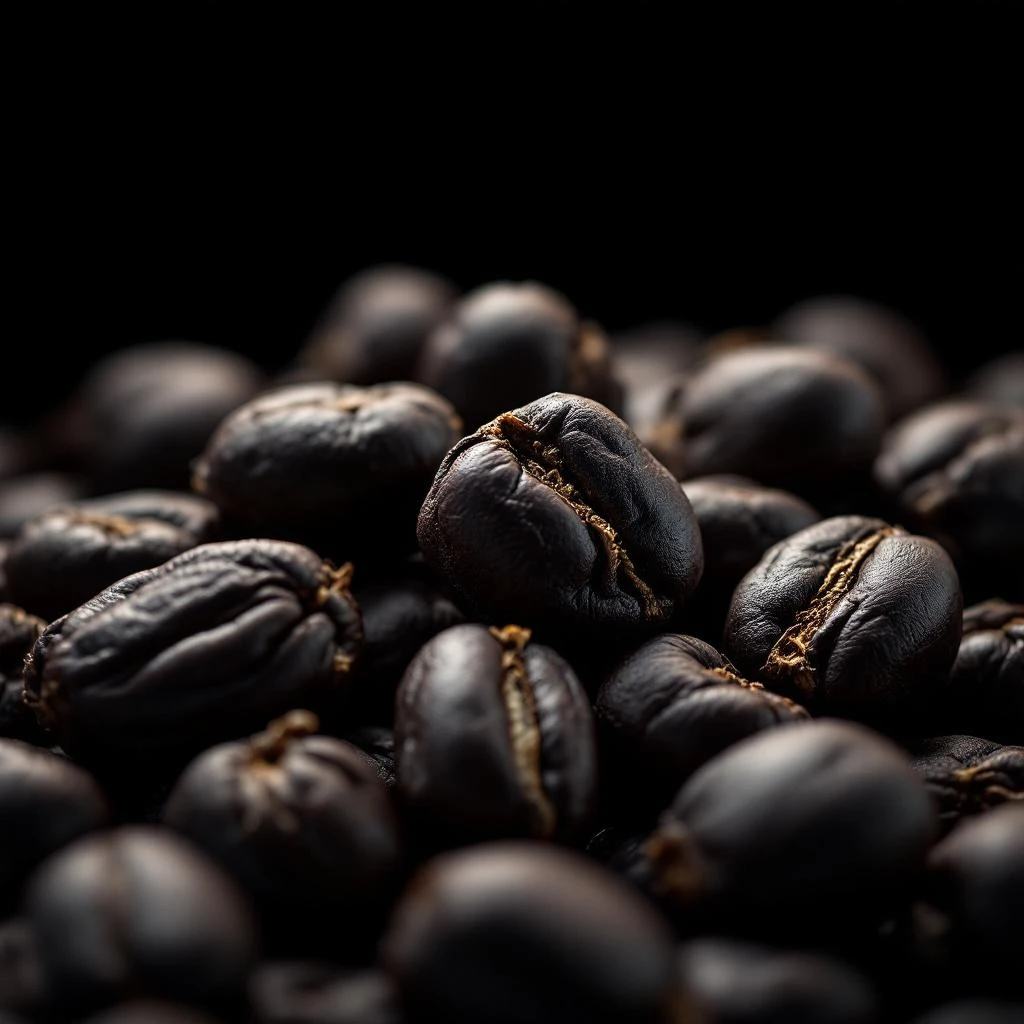
Sugar reached European perfumery shelves centuries after it left the kitchen. The first literary reference to sugar in fragrance appeared in the 16th century, when European perfumers began blending it with rose water and ambergris for ornamental sachets and sweet waters. By the 1800s, sugar-based accords appeared in French toilette formulations, often as sugar-syrup tinctures added to floral bases.
The real turning point arrived in 1894, when German chemist Oscar Loew identified ethyl maltol, a molecule with a cotton-candy aroma ten times more potent than its cousin maltol. This discovery gave perfumers their first stable, reproducible sweet molecule. In the 1990s, gourmand perfumery, the style built entirely around edible notes, surged with Thierry Mugler's Angel and Lolita Lempicka's Original, both of which used sugar notes as structural pillars.
Today, sugar remains a foundation of the gourmand genre, appearing in roughly 15% of new feminine launches. Its story traces the path from pantry to laboratory, from a kitchen ingredient to a synthetic molecule that reshaped how fragrance smells.
Wears it best
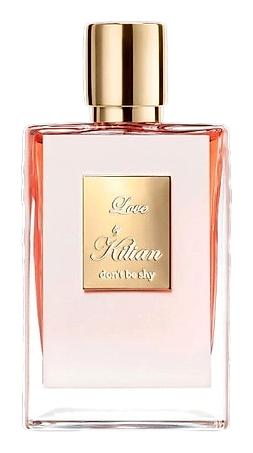
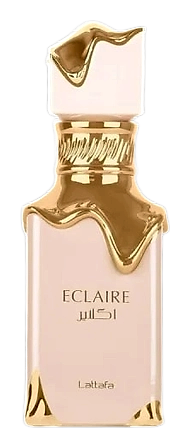
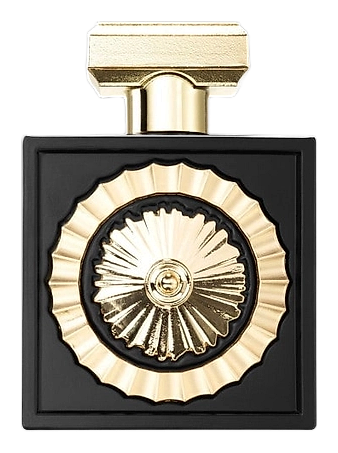
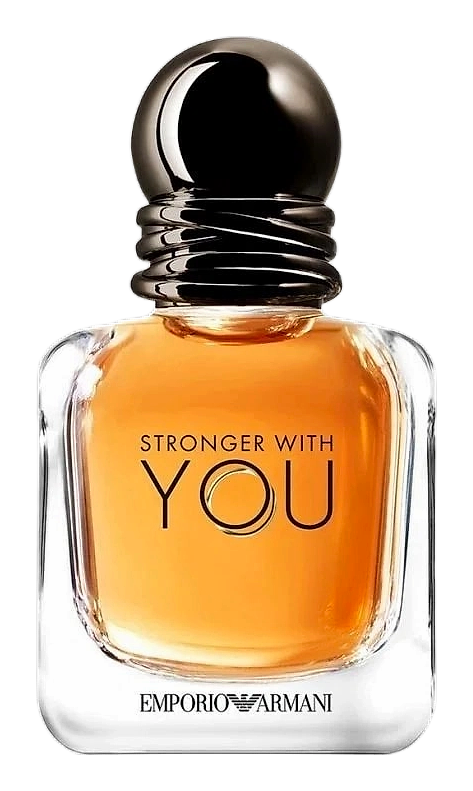
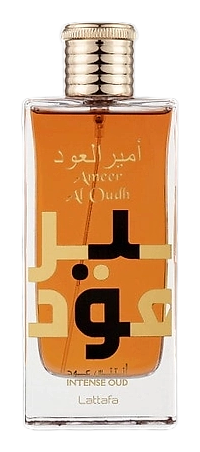
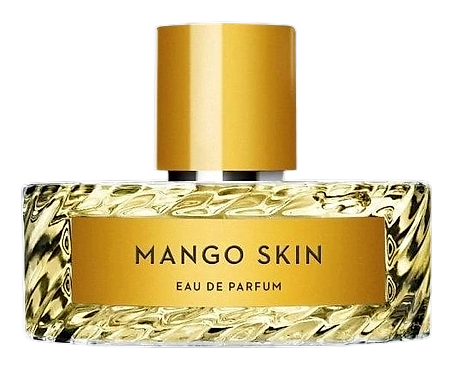
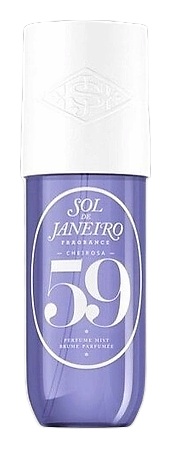
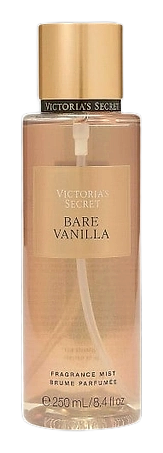
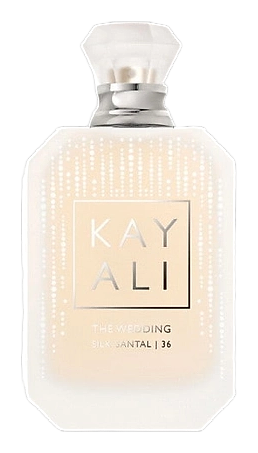
Fragrances featuring Sugar



Good to know
Questions, answered
The essentials on Sugar in perfumery: how it smells, where it comes from, and how it behaves on skin.
Is sugar a natural fragrance ingredient?
No direct natural source exists. Sucrose itself isn't volatile, so perfumers recreate the aroma using synthetic molecules like ethyl maltol, a compound first identified in 1894 that mimics the scent of caramelized sugar.
What does sugar smell like in perfume?
The note registers as warm and caramelized, with toasted-sugar sweetness, soft vanilla undertones, and a faint metallic edge. It reads as edible and comforting rather than overtly sugary on skin.
Which perfumes are known for their sugar notes?
Thierry Mugler Angel (1992) and Lolita Lempicka Original (1997) pioneered the gourmand genre by foregrounding sugar accords that shaped subsequent sweet-fragrance launches.
Is sugar safe in fragrance?
Yes, synthetic sugar notes carry no biological hazard. Ethyl maltol and related compounds are approved for cosmetic use by major regulatory bodies including IFRA, the International Fragrance Association.
Can you extract sugar directly from sugarcane for perfume?
No. Sugarcane yields juice rich in sucrose, but sucrose has no aroma. The caramelized scent comes from compounds formed only when sugar is heated, which requires synthesis rather than simple extraction.
What is the difference between sugar and vanilla notes?
Vanilla derives from the cured seed pods of the Vanilla planifolia orchid, while sugar notes are entirely synthetic, built from molecules like ethyl maltol designed to evoke cooked sweetness without any botanical origin.
Does sugar note last long on skin?
Sugar accords vary widely in longevity. Heavier caramelized sugar molecules like ethyl maltol can persist 6 to 8 hours, while lighter cotton-candy impressions fade within 2 to 3 hours depending on the formula.
Why do perfumers use sugar instead of actual sugar?
Sucrose isn't volatile at body temperature, so it can't project scent. Synthetic sugar molecules like ethyl maltol evaporate at usable rates, allowing perfumers to capture the warm sweetness of caramel without using any real sugar.