








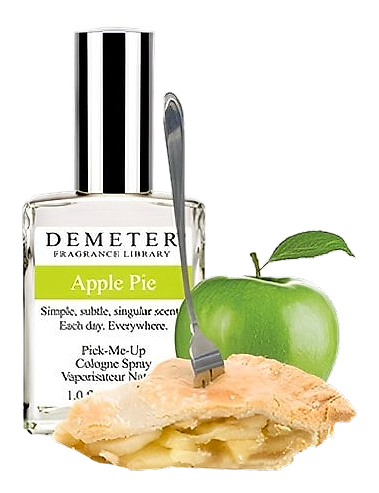
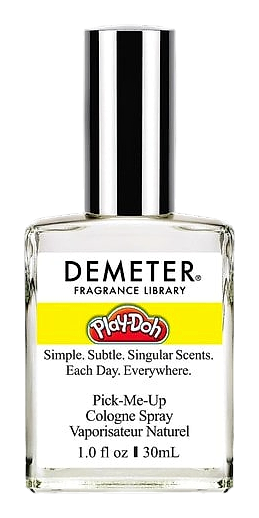
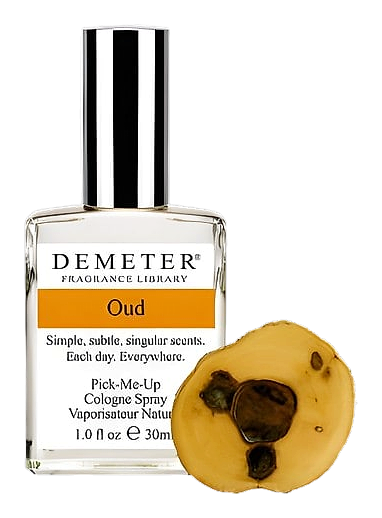
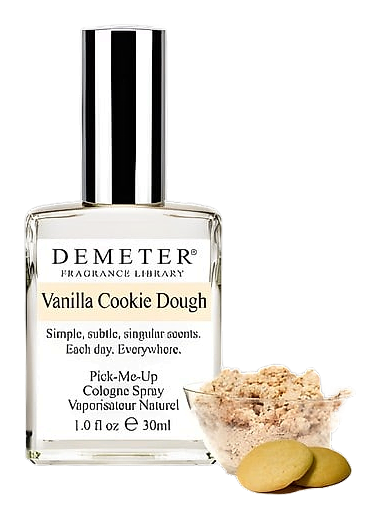

The Heritage
The Story of Demeter Fragrance
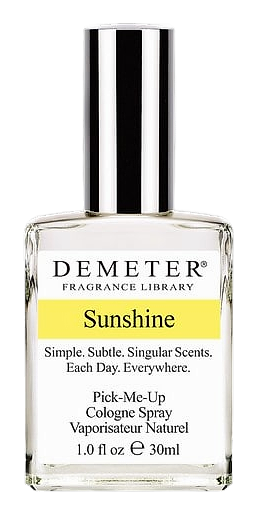
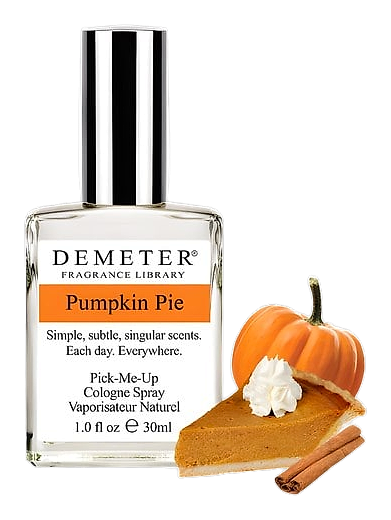
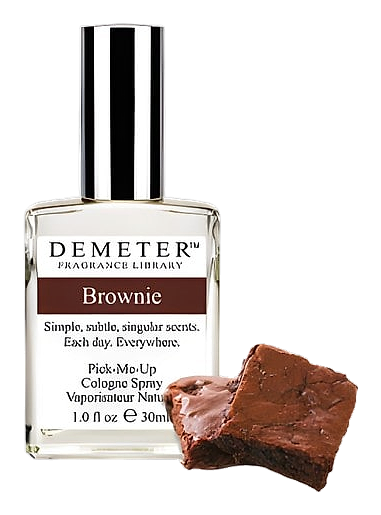
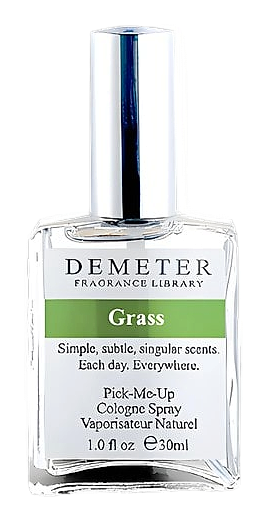
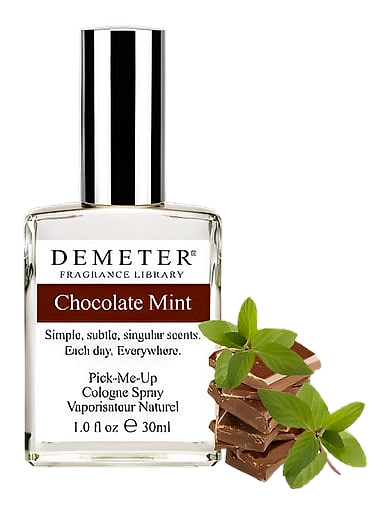
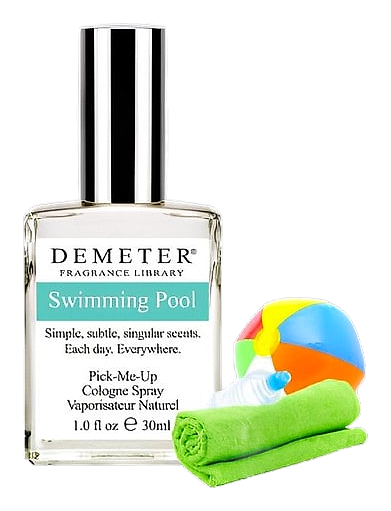
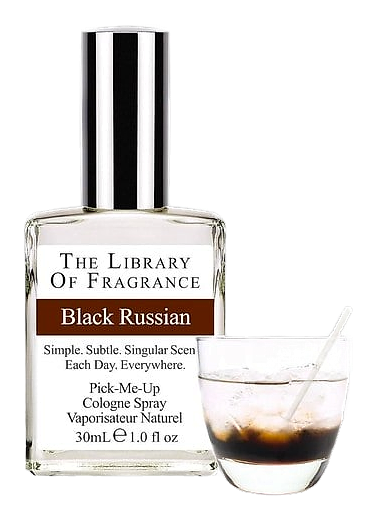
Demeter Fragrance Library offers a catalog of single‑note scents that translate everyday aromas into wearable form. Founded in New York City’s East Village, the brand has stayed family‑run while expanding to more than three hundred distinct fragrances. From garden herbs to kitchen treats, each bottle captures a moment that can be spritzed on skin, clothing or a workspace. The line is known for its playful naming and straightforward, clear bottles that let the scent speak for itself.
Heritage
The origins of Demeter trace back to the early 1990s in Manhattan’s East Village. According to a 2023 feature in Eater, founders Christopher Gable and Christopher Brosius launched the concept in 1993, aiming to bottle the smells of daily life. The brand’s own history page records a formal establishment date of 1996, when the first storefront opened on Avenue A and the first limited‑run scents were produced. Early releases included playful interpretations of food and nature such as Orange Juice (2000) and Meyer Lemon. By the turn of the millennium, Demeter had moved beyond a niche boutique, securing shelf space in specialty retailers across the United States. A 2021 interview with MU Australia noted that the company celebrated over twenty years of continuous production that year, marking a milestone of more than three hundred scents in its archive. In 2005 the library reached its hundred‑scent mark, prompting a modest expansion of its manufacturing space in Brooklyn. The 2010s saw the introduction of limited‑edition series, including Vintage Naturals (2009) and a line of nostalgic childhood scents like Tootsie Roll. Throughout its growth, Demeter has remained privately owned, with family members overseeing sourcing, formulation and distribution. The brand’s modest but steady expansion reflects a commitment to a singular vision rather than rapid scaling, allowing it to maintain control over each fragrance’s authenticity. Recent years have brought an online storefront that ships worldwide, yet the core ethos—capturing a single smell and sharing it without pretense—remains unchanged since the founders first mixed a batch in a cramped East Village studio.
Craftsmanship
Each Demeter fragrance is formulated in a modest laboratory that blends synthetic aroma chemicals with natural extracts when appropriate. The process begins with a scent brief—often a description of a food, plant or environment—followed by a series of test batches evaluated by the founding perfumers and a small panel of staff. Ingredients are sourced from specialty chemical manufacturers in Europe and the United States, with natural extracts such as citrus oils obtained from certified growers. Quality control includes gas chromatography analysis to verify the composition of each batch and ensure consistency with the original formula. Bottles are filled by hand in a cleanroom environment, using 3.4 oz (100 ml) spray caps that dispense a fine mist. The brand’s family ownership means that production decisions remain centralized; there is no outsourcing to large contract manufacturers. Packaging materials are selected for recyclability, and the clear glass containers are designed to showcase the scent rather than the brand logo. While the library does not publish detailed cost structures, its emphasis on single‑note simplicity allows for streamlined formulation, reducing the need for extensive aging or blending stages typical of multi‑note perfumes. This efficiency supports the brand’s ability to release new scents regularly without compromising on purity or safety.
Design Language
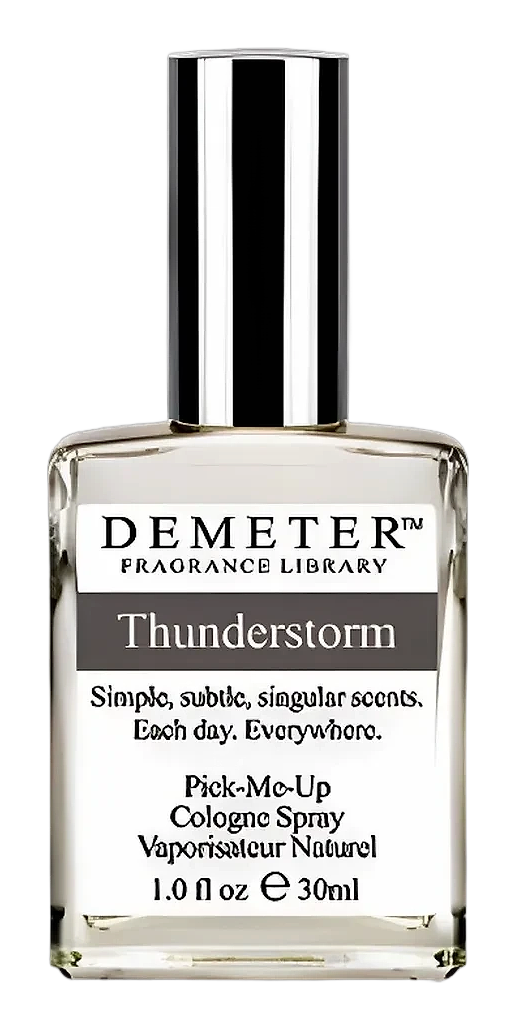
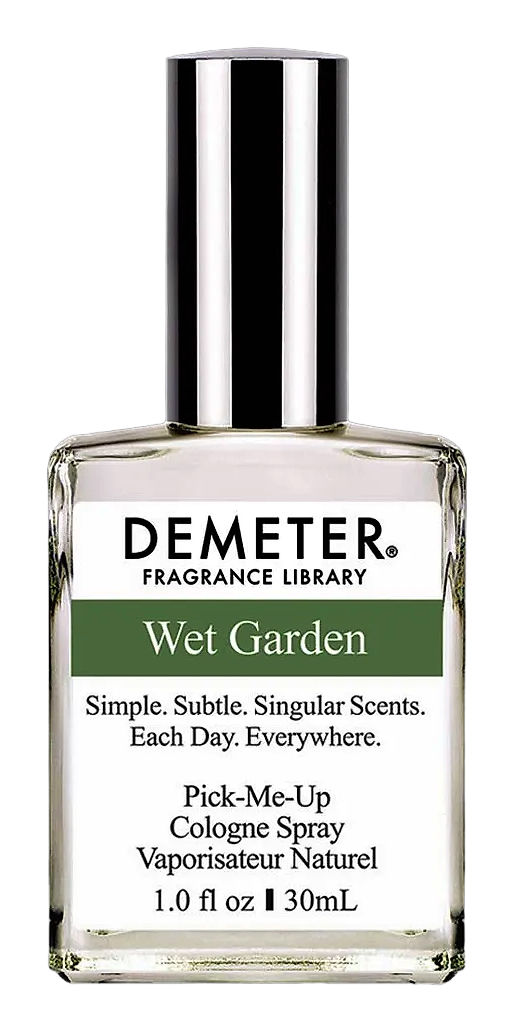
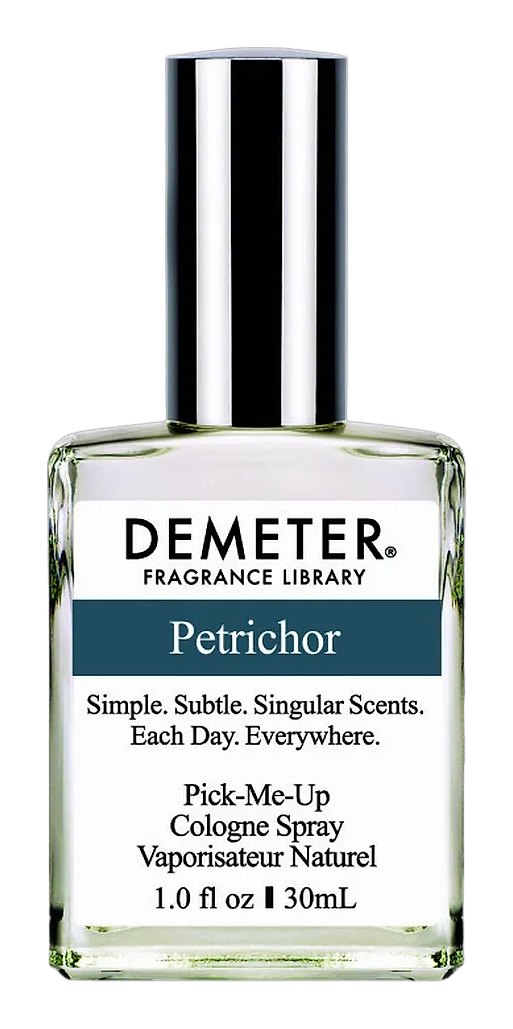
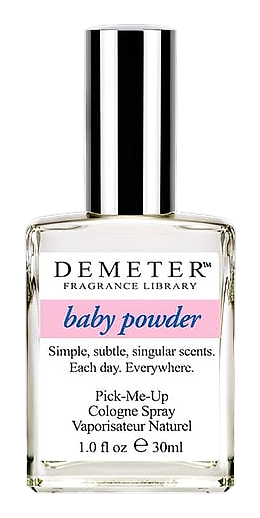
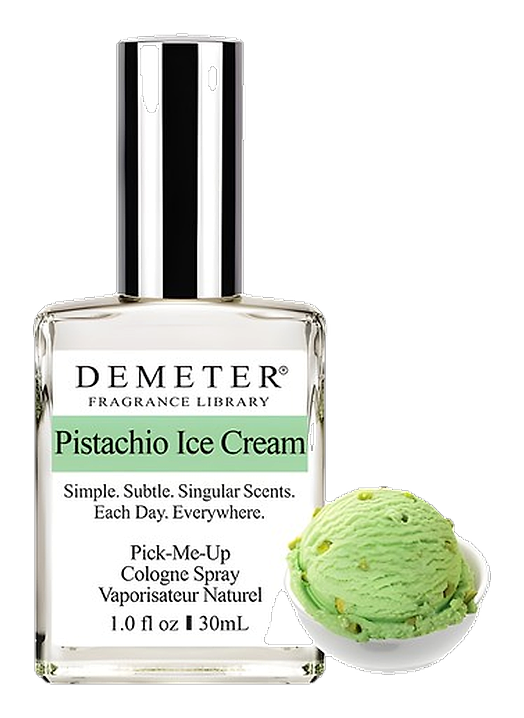
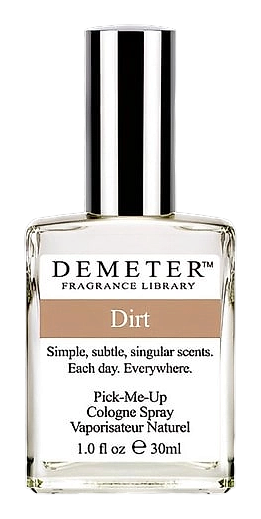
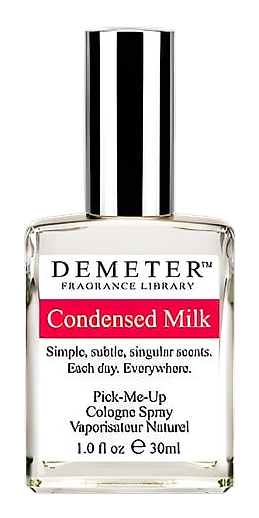
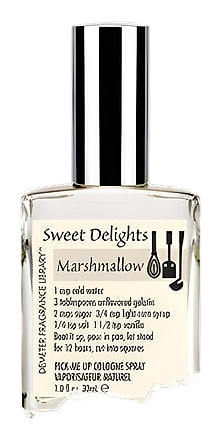
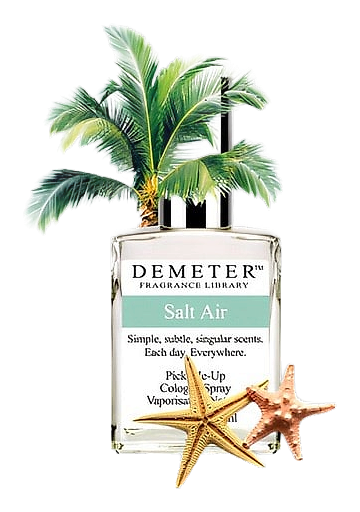
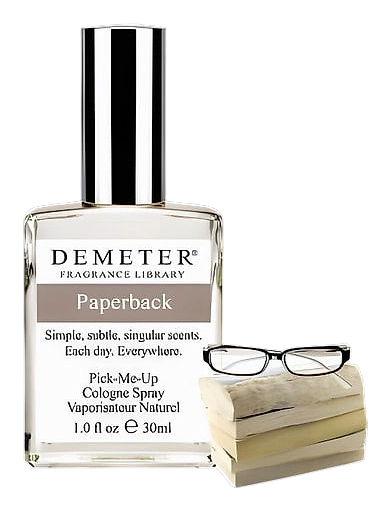
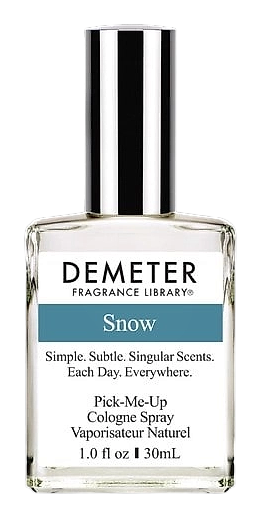
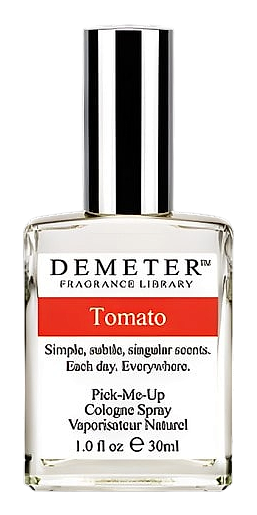
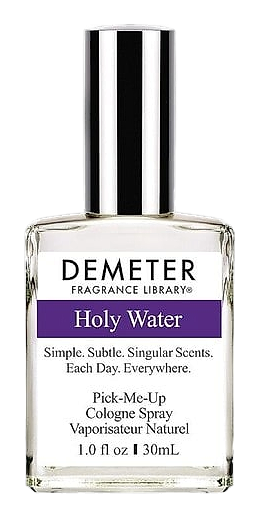
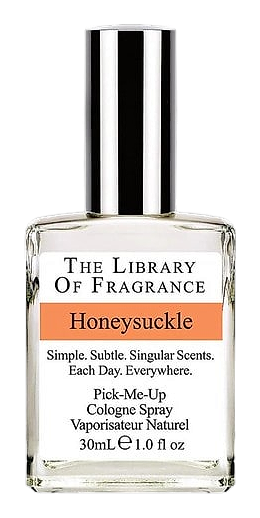
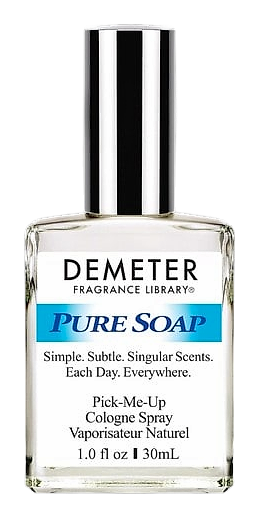
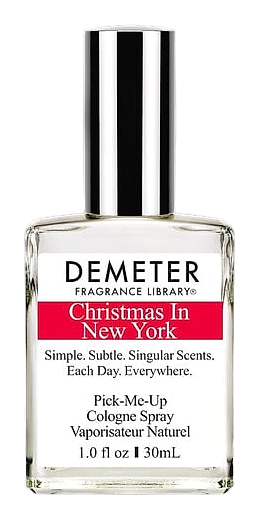
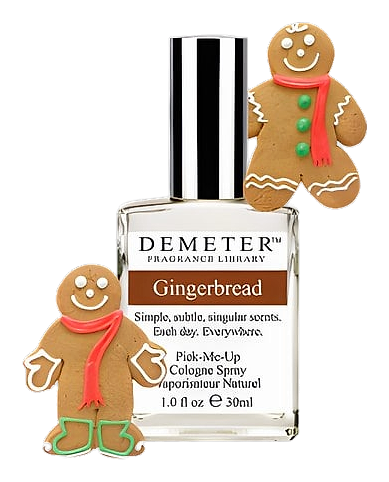
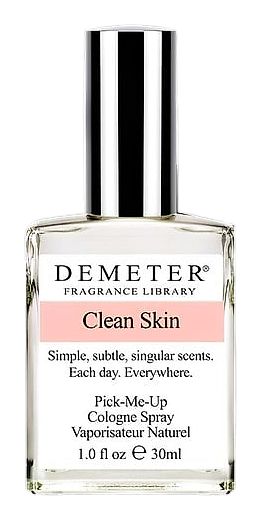
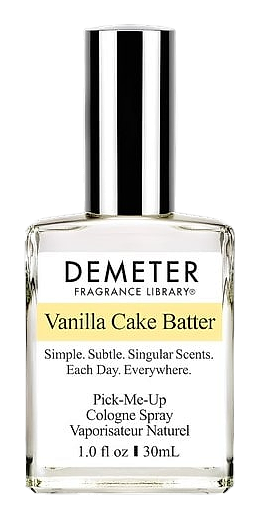
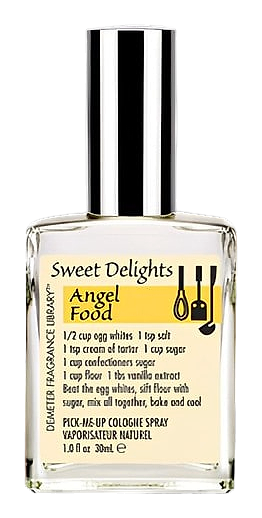
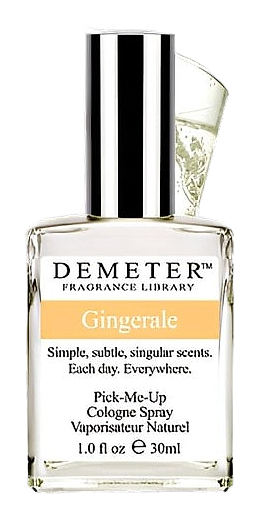
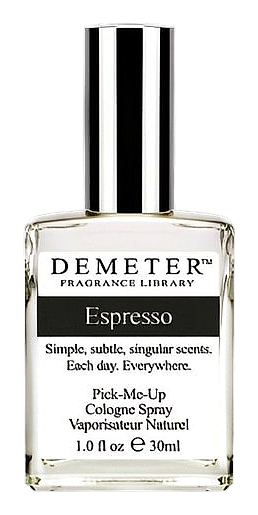
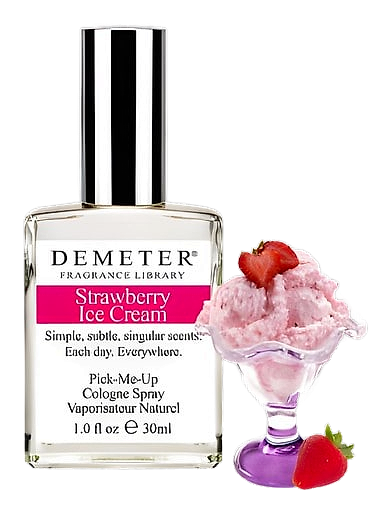
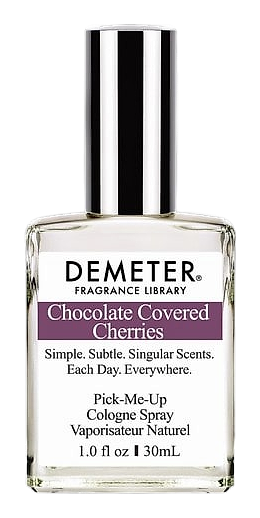
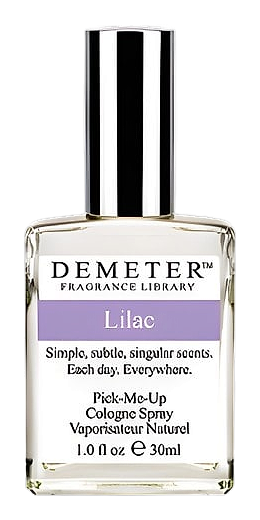
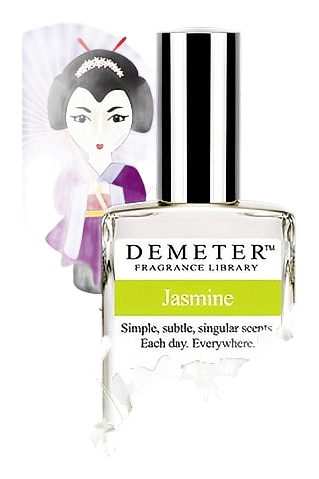
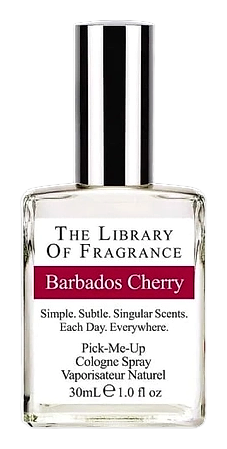
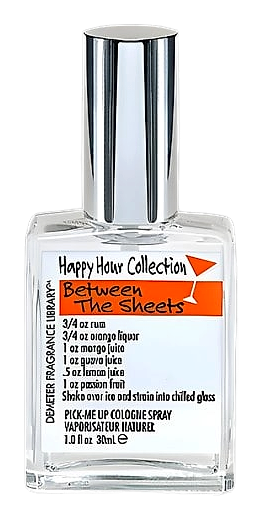
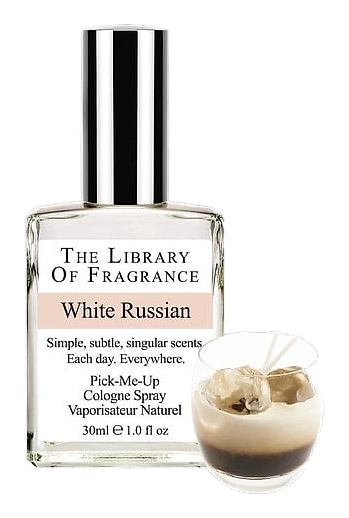
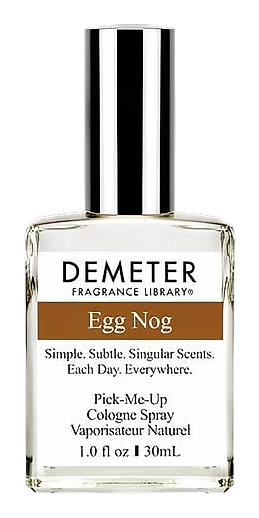
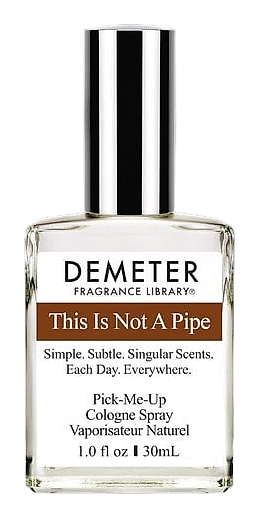
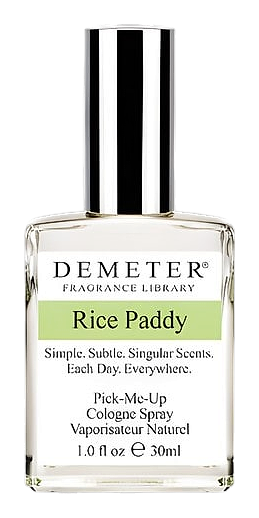
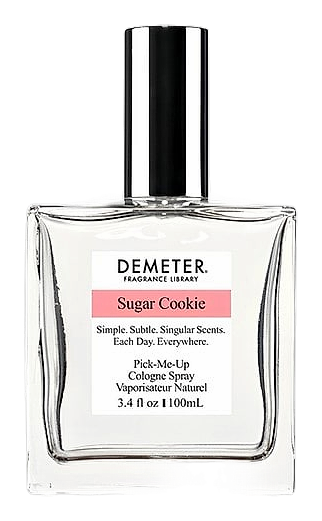
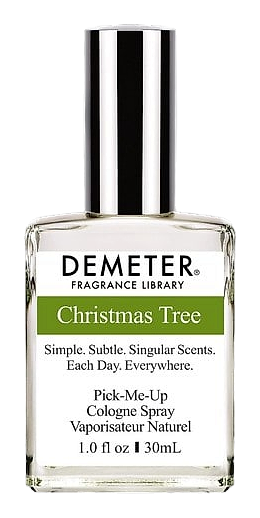
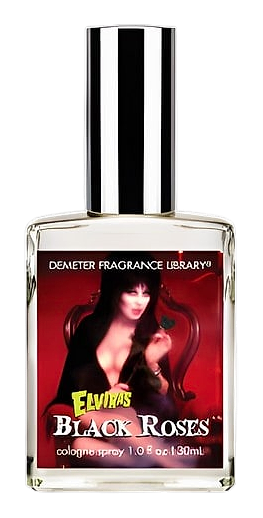
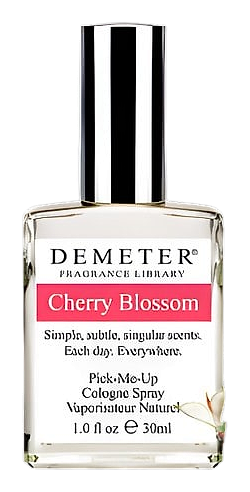
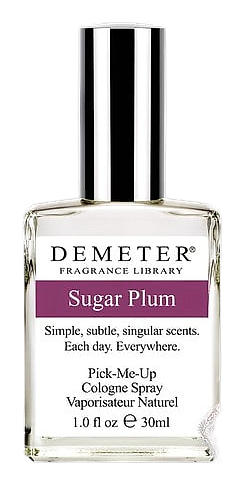
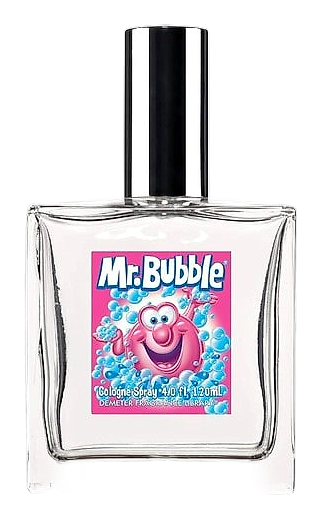
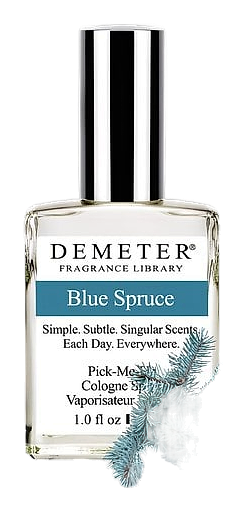
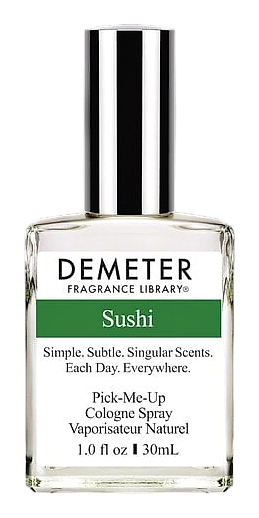
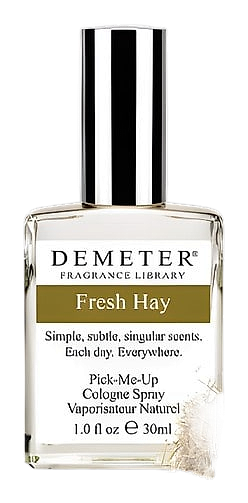
Visually, Demeter favors a minimalist presentation that lets the scent take center stage. Bottles are clear glass with a simple spray cap, often accompanied by a pastel‑colored label that lists the scent name in a clean sans‑serif font. The label design avoids ornate graphics, instead using a small icon that hints at the fragrance’s inspiration—a pine needle for Siberian Pine, a lemon wedge for Meyer Lemon, or a cartoonish cat for Hello Kitty Spring. Retail displays echo this restraint, featuring wooden shelves and muted lighting that highlight the bottles’ transparency. The brand’s website mirrors the physical aesthetic, employing white space, straightforward navigation and high‑resolution images of each product. Marketing materials rely on straightforward copy that describes the scent’s origin rather than employing grandiose language. This visual strategy reinforces the library’s core message: fragrance is a functional, everyday experience, not a distant luxury. Even limited‑edition releases maintain the same clear bottle, with only the label color shifting to denote a special series. The consistent visual language across product, packaging and digital platforms creates a cohesive identity that is instantly recognizable to longtime fans and newcomers alike.
Philosophy
Demeter’s creative outlook centers on the idea that a single scent can tell a story. Rather than layering complex accords, the house isolates one note and presents it in its purest form. This approach stems from the founders’ belief that everyday aromas deserve the same attention as traditional perfume ingredients. The brand encourages curiosity, inviting users to explore the smell of a pine forest, a fresh cut geranium or a slice of orange juice as a standalone experience. Transparency is another pillar; ingredient lists are published on the website, and many scents are described with straightforward language rather than poetic marketing. Sustainability is addressed through small‑batch production that reduces waste, and the company sources both synthetic and natural components from vetted suppliers who meet safety standards. Community feedback influences new releases, with the library often adding scents suggested by fans who request a particular memory or location. By treating fragrance as a catalog of moments, Demeter positions itself as a bridge between the sensory world and personal expression, allowing wearers to choose a scent that matches a mood, a memory, or a simple pleasure.
Key Milestones
1993
Christopher Gable and Christopher Brosius begin experimenting with single‑note scents in a Manhattan studio, according to a feature in Eater.
1996
Demeter Fragrance Library officially opens its first storefront on Avenue A in the East Village, as noted on the brand’s About page.
2005
The catalog reaches 100 distinct fragrances, prompting a modest expansion of production space in Brooklyn.
2010
Launch of the Vintage Naturals line, including Geranium and other classic garden notes.
2015
Celebration of the brand’s 20th anniversary, highlighted in an interview with MU Australia.
2021
Introduction of a global e‑commerce platform, allowing the library’s full catalog to ship internationally.
At a Glance
Brand profile snapshot
Origin
United States
Founded
1996
Heritage
30
Years active
Collection
7
Fragrances released
Avg Rating
3.7
Community sentiment
Release Rhythm


