



Heritage
A house, in its own words
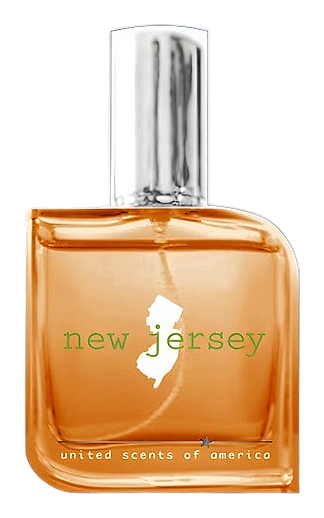
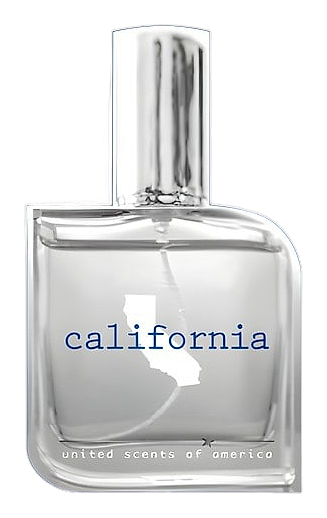
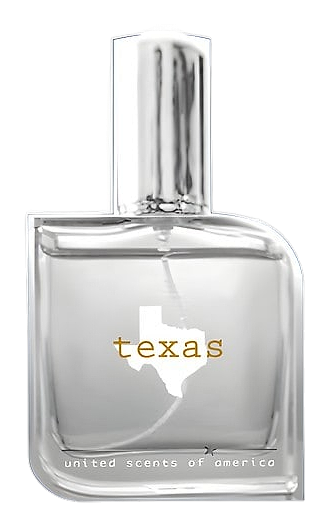
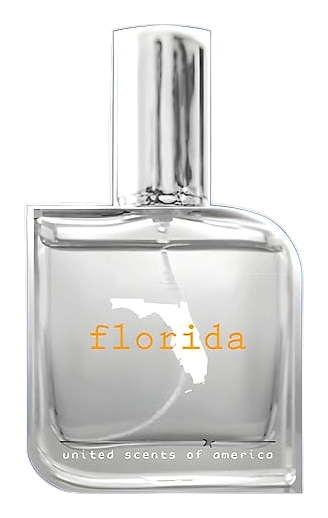
The brand emerged in early 2011 when Samantha Sherwin and Sasha Bertran, two former retail consultants, decided to turn their love of travel into a olfactory project. Their first offering consisted of five fragrances—New York, New Jersey, California, Florida and Texas—each built around a scent profile they associated with that state. The launch took place in Hoboken, a small industrial town that offered affordable studio space and easy access to the New York perfume trade. Within a year the line grew to include additional states such as Arizona (2015) and Georgia (2015), as well as a limited‑edition scent called Love Wins, released the same year. In 2013 the duo introduced a Massachusetts fragrance that blended cranberry, sage, red oak and tobacco leaf, a nod to the state’s autumn harvest and historic woodlands. By 2015 the catalogue featured eight state scents and the socially‑aware Love Wins, marking a period of rapid expansion. Throughout its first decade United Scents remained independent, sourcing ingredients from regional growers and small‑batch manufacturers rather than large corporate suppliers. The brand’s modest size allowed it to experiment with niche accords while keeping production runs limited, a strategy that helped it build a loyal community of collectors who value the personal narrative behind each bottle. As of 2024 the company continues to release new state‑focused scents on an irregular schedule, positioning itself as a chronicle of American places rather than a conventional perfume house. United Scents frames fragrance as a form of personal geography. The founders believe that scent can act as a portable memory, recalling the smells of a hometown or a favorite vacation spot. Their creative brief asks each perfumer to imagine the dominant aromas of a state—whether that is the salty breeze of a coastal beach, the pine‑laden air of a mountain range, or the sweet spice of a regional harvest. The brand values authenticity over trend, preferring ingredients that have a clear link to the place they represent. Sustainability also informs their choices; they prioritize suppliers who practice responsible farming and who can provide traceable provenance for botanicals such as cedar, citrus, or ambergris substitutes. Community engagement is another pillar: the company often hosts pop‑up events in the states they celebrate, inviting locals to sample the scent and share stories. This dialogue feeds back into future releases, ensuring that each new fragrance reflects both a sensory research phase and a cultural conversation. In this way United Scents positions itself as a mapmaker of memory, using perfume to chart the diverse olfactory landscape of the United States.