    Brand Profile

    Jealous is a niche fragrance label that entered the market in 2019 with a concise portfolio of five scents – Expo, Koa, Unity, Nyala and Sam…More

    United States·Est. 2019·Site

    5.0

    Rating

    5
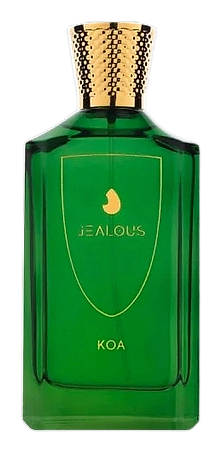
    Koa by Jealous
    Best Seller
    5.0

    Koa

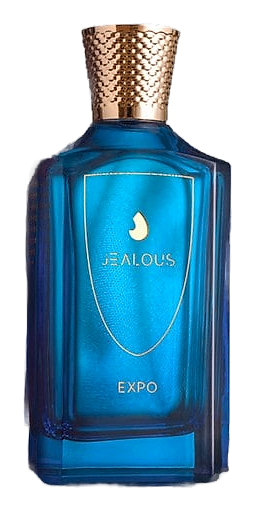
    Expo by Jealous
    Best Seller
    4.8

    Expo

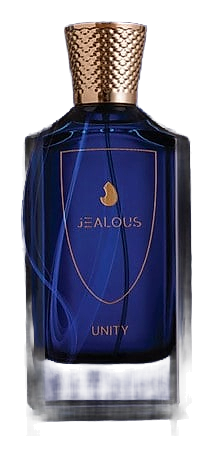
    Unity by Jealous
    Best Seller
    4.3

    Unity

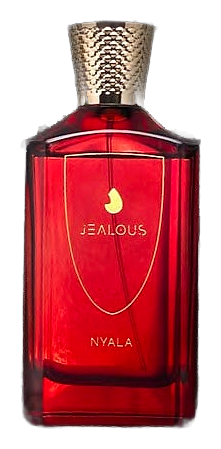
    Nyala by Jealous
    3.7

    Nyala

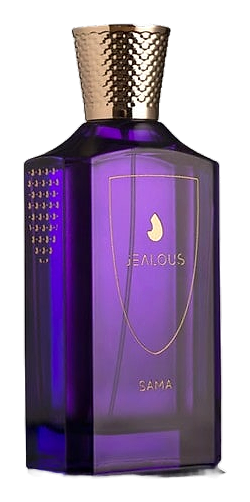
    Sama by Jealous
    3.5

    Sama

    Haltane by Parfums de Marly
    Coming Soon

    Haltane

    Parfums de Marly

    The Heritage

    The Story of Jealous

    Jealous is a niche fragrance label that entered the market in 2019 with a concise portfolio of five scents – Expo, Koa, Unity, Nyala and Sama. Each composition focuses on a single aromatic theme, allowing the wearer to experience a clear, unfiltered expression of the chosen note. The brand positions itself as a laboratory for curiosity, inviting collectors to explore the boundaries of scent without the clutter of excessive marketing. Its releases arrive in minimalist glass bottles that emphasize the perfume itself rather than decorative excess.

    Heritage

    The story of Jealous begins in early 2019 when a small collective of fragrance enthusiasts in New York decided to create a line that would strip away the conventions of mainstream perfumery. According to the brand’s own statements, the founders wanted a platform where a single note could be presented in its purest form, a concept that resonated with a growing community of scent‑savvy consumers. The first launch featured five fragrances – Expo, Koa, Unity, Nyala and Sama – each named after a word that evoked a particular mood or place. Expo, released in March 2019, highlighted bright citrus accords; Koa, unveiled in May, explored warm woody tones; Unity, in July, presented a balanced aromatic blend; Nyala, in September, offered a fresh green profile; and Sama, in November, closed the debut year with a subtle powdery finish. The brand’s early success was driven by word‑of‑mouth among niche‑fragrance forums and a handful of boutique retailers that embraced its minimalist aesthetic. In 2020 Jealous partnered with a small batch distiller in Grasse to experiment with natural extraction methods, a move that reinforced its commitment to quality. By 2021 the label had expanded its distribution to select concept stores in Europe, while maintaining a direct‑to‑consumer online presence. A sustainability audit in 2022 confirmed that all raw materials were sourced from certified farms, and the packaging was updated to use 100 % recycled glass. In 2023 Jealous opened its first pop‑up shop in Tokyo, allowing customers to experience the fragrances in a tactile setting. The brand continues to release limited‑edition drops each year, each one announced with a brief narrative that explains the inspiration behind the chosen note. While Jealous remains a relatively young house, its clear focus on single‑note storytelling has earned it a dedicated following among collectors who value transparency and artistic restraint.

    Craftsmanship

    Jealous produces its scents in small batches, a practice that allows close monitoring of each step from raw material selection to final bottling. The brand sources natural absolutes and essential oils from farms in Madagascar, Brazil and the French Riviera, all of which hold organic or fair‑trade certifications. Synthetic aroma chemicals are used only when they provide a stability that natural extracts cannot achieve, and each synthetic component is disclosed on the label. Production takes place in a certified facility in Grasse, where the team follows a strict quality‑control protocol: every batch undergoes gas‑chromatography analysis to verify concentration levels, and a sensory panel evaluates the fragrance for consistency with the original brief. Bottles are hand‑blown in a glass workshop in Murano, then sealed with aluminum caps that are recyclable. The packaging includes a thin, biodegradable insert that explains the scent’s inspiration and ingredient origins. Shipping materials are compostable, and the brand offsets its carbon footprint through a partnership with a reforestation program in the Amazon basin. These practices reflect Jealous’s commitment to craftsmanship that respects both the art of perfumery and the environment.

    Design Language

    Visually, Jealous embraces a stark, utilitarian aesthetic. Bottles are clear, cylindrical, and unadorned, allowing the color of the perfume to become the focal point. Labels feature a simple sans‑serif typeface printed in black on a matte white background; the only decorative element is a thin line that varies in length to differentiate each fragrance. The brand’s logo consists of the word “Jealous” in lowercase letters, underscoring an informal, approachable tone. Marketing imagery relies on natural lighting and minimal props, often showing the bottle beside the raw ingredient that inspired it – a sprig of rosemary for Unity, a slice of orange for Expo. The website mirrors this design language, using generous white space, monochrome photography, and concise copy that lets the scents speak for themselves. This visual restraint aligns with the brand’s ethos of clarity and honesty, positioning the product as an object of quiet confidence rather than flamboyant spectacle.

    Philosophy

    Jealous frames fragrance as a dialogue between the nose and the memory. The brand’s philosophy stresses honesty in composition; every ingredient is listed on the bottle, and the scent structure is presented without hidden layers. It believes that a perfume should be approachable yet intriguing, offering a straightforward olfactory experience that still invites personal interpretation. Sustainability is a core value: the label works only with suppliers who can demonstrate ethical harvesting and fair‑trade practices. Community engagement also matters; Jealous regularly invites feedback from its customers and incorporates that input into future releases. The creative process is collaborative, with the founding team consulting independent perfumers and raw‑material experts to ensure each note is rendered accurately. By keeping the product line small, the brand can devote attention to each launch, treating every fragrance as a singular work rather than part of a larger catalogue.

    Key Milestones

    2019

    Launch of the inaugural collection featuring Expo, Koa, Unity, Nyala and Sama.

    2020

    Collaboration with a Grasse distiller to test natural extraction techniques.

    2021

    Expansion into European boutique retailers and launch of a direct‑to‑consumer e‑shop.

    2022

    Completion of a sustainability audit; transition to 100 % recycled glass packaging.

    2023

    Opening of a pop‑up shop in Tokyo, offering in‑person scent experiences.

    2024

    Release of a limited‑edition fragrance series inspired by world heritage sites.

    At a Glance

    Brand profile snapshot

    Origin

    United States

    Founded

    2019

    Heritage

    7

    Years active

    Collection

    1

    Fragrances released

    Avg Rating

    5.0

    Community sentiment

    jealousfragrance.com

    Did You Know?

    Interesting Facts

    Distinctive details and defining moments that shape the house personality.

    01

    Each of the five debut fragrances is named after a word that appears in the brand’s founding manifesto.

    02

    The glass bottles are hand‑blown in Murano, a tradition that dates back to the 13th century.

    03

    Jealous offsets its entire carbon footprint by investing in Amazon reforestation projects.

    04

    The brand’s label design was created by a graphic artist who previously worked on scientific journal covers, reinforcing the theme of clarity.