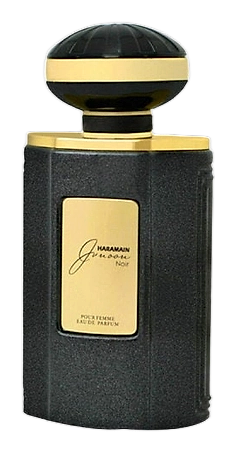
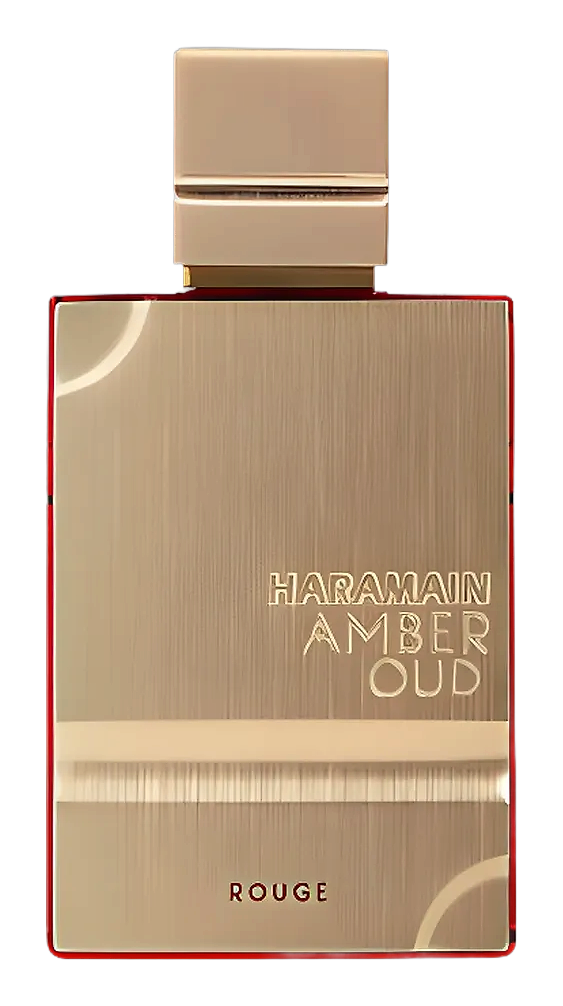
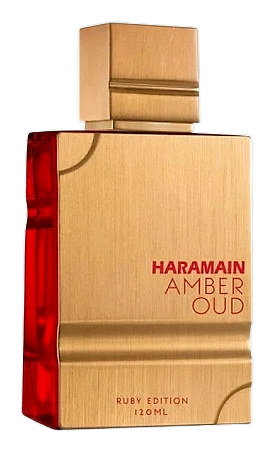
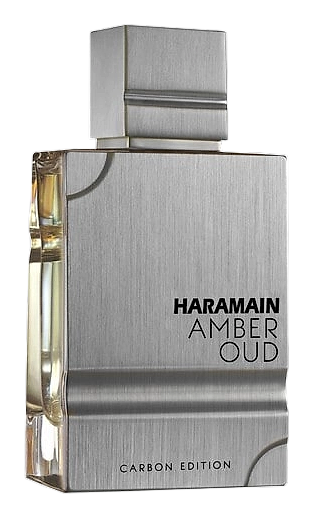
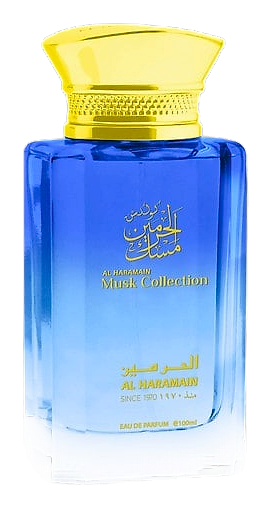
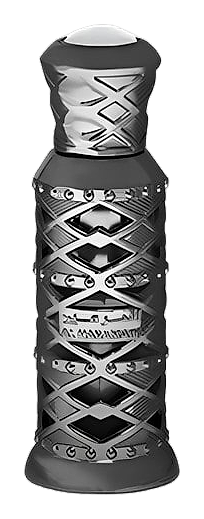
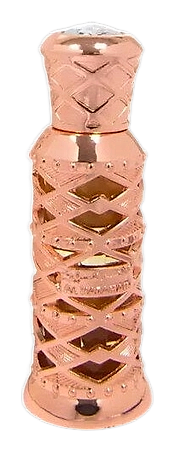
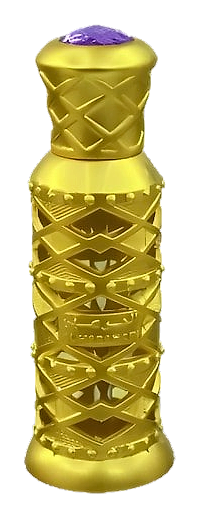
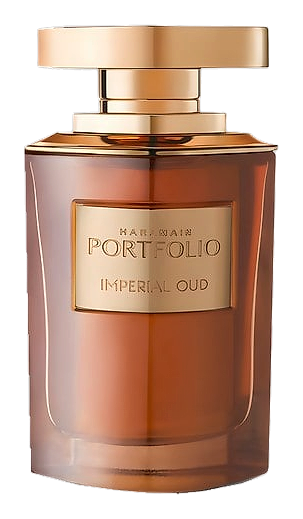
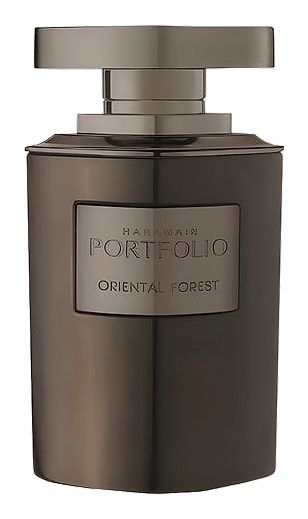
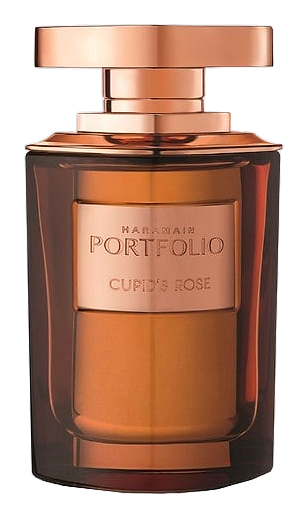
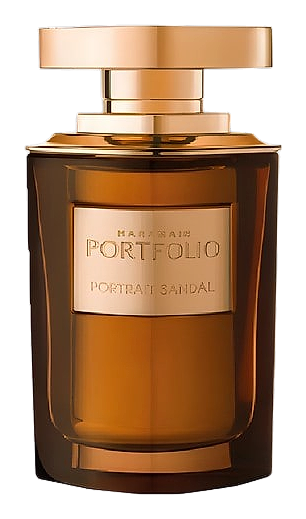
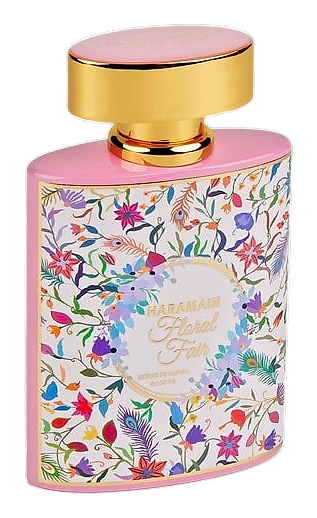
    Brand Profile

    Al Haramain Perfumes is a fragrance house rooted in Mecca, Saudi Arabia, with over five decades of experience crafting oriental perfumes. Th…More

    United Arab Emirates·Est. 1970·Site

    4

    Fragrances

    4.3

    Rating

    4

    The Heritage

    The Story of Al Haramain Perfumes

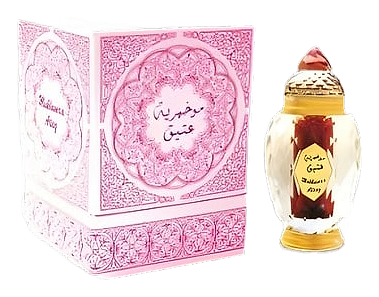
    Al Haramain Perfumes is a fragrance house rooted in Mecca, Saudi Arabia, with over five decades of experience crafting oriental perfumes. The company traces its origins to 1970, when founder Kazi Abdul Haque, a Bangladeshi businessman, began trading perfumes with shops in Makkah and Madinah before moving into production. Today, the business operates from the UAE under the leadership of Haque's eldest son, Mahtabur Rahman, who serves as Chairman and Managing Director. Al Haramain has built a portfolio that reportedly exceeds 1,000 fragrance variants, spanning pure perfume oils, concentrated sprays, bakhoor, and agarwood products. The brand maintains retail presence across the GCC, Middle East, Asia, and Europe through a network of exclusive stores. Notable releases include Dehnal Oudh Mahabbah from 2012, Red African from 2017, Mukhamria Maliki Silver from 2021, and the Musk Orchid and Musk Floral releases of 2023.

    Heritage

    Al Haramain Perfumes was established in the Holy City of Makkah in 1970 by Kazi Abdul Haque, a Bangladeshi businessman who discovered oudh during visits to the Kingdom of Saudi Arabia. The resin from the Southeast Asian agar tree, which produces oudh oil, became a central ingredient in the company's early formulations. Before moving into manufacturing, Al Haramain operated as a trading business, supplying perfumes to retail outlets in Makkah and Madinah. The company's expansion beyond Saudi Arabia began in 1982, when operations shifted to the UAE to take advantage of Dubai's commercial infrastructure. In 1992, Al Haramain invested in an agarwood processing and manufacturing facility in Rumailah, Ajman, marking its entry into dedicated production capabilities within the Emirates. The company grew its retail footprint across the Gulf region, eventually establishing showrooms in Bahrain, London, Singapore, and New York. Under Mahtabur Rahman's leadership since around 2014, Al Haramain consolidated its manufacturing operations in the UAE, developing a factory spanning over 180,000 square feet equipped with modern machinery and quality control systems. The company's journey reflects a transition from family-run trading to a global enterprise with international distribution.

    Craftsmanship

    Al Haramain operates its manufacturing and quality control from facilities in the UAE, where the company invested early in dedicated production infrastructure. The agarwood processing plant established in Ajman in 1992 reflects the brand's focus on this signature ingredient, which remains central to its oriental fragrance line. The company's current factory spans over 180,000 square feet and incorporates both automatic and semi-automatic machinery for production and packaging. Quality control is handled through an R&D department equipped with Agilent testing instruments. Al Haramain holds dual ISO certifications, specifically ISO 9001 for quality management and ISO 22716 for good manufacturing practices in cosmetics. The company produces multiple product formats including pure perfume oils, concentrated oils, eau de parfum sprays, deodorants, bakhoor (incense), and agarwood chips. Its collections include the Empress of Perfumes, Majestic, and Exclusive lines, each offering different concentrations and fragrance directions from heavy oriental oud-based scents to sweeter floral compositions. The brand describes its sweet floral perfumes as intensive, heavy creations designed to meet specific fragrance concepts, a classification achieved through years of perfumery experience within the company.

    Design Language

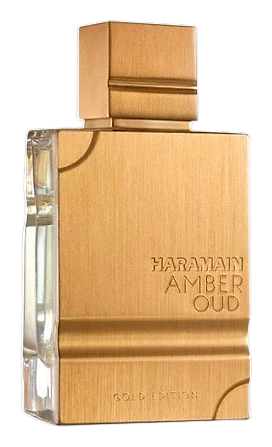
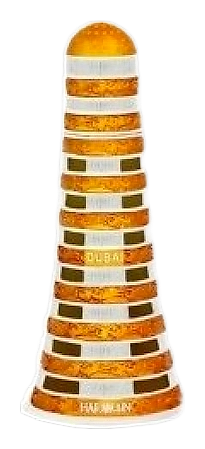
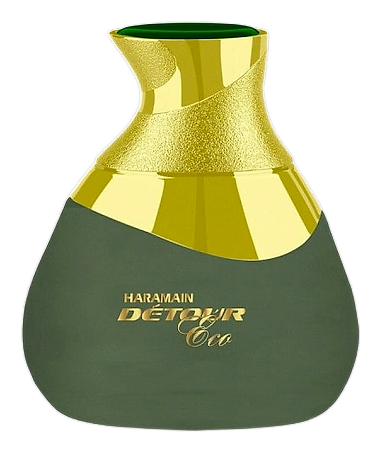
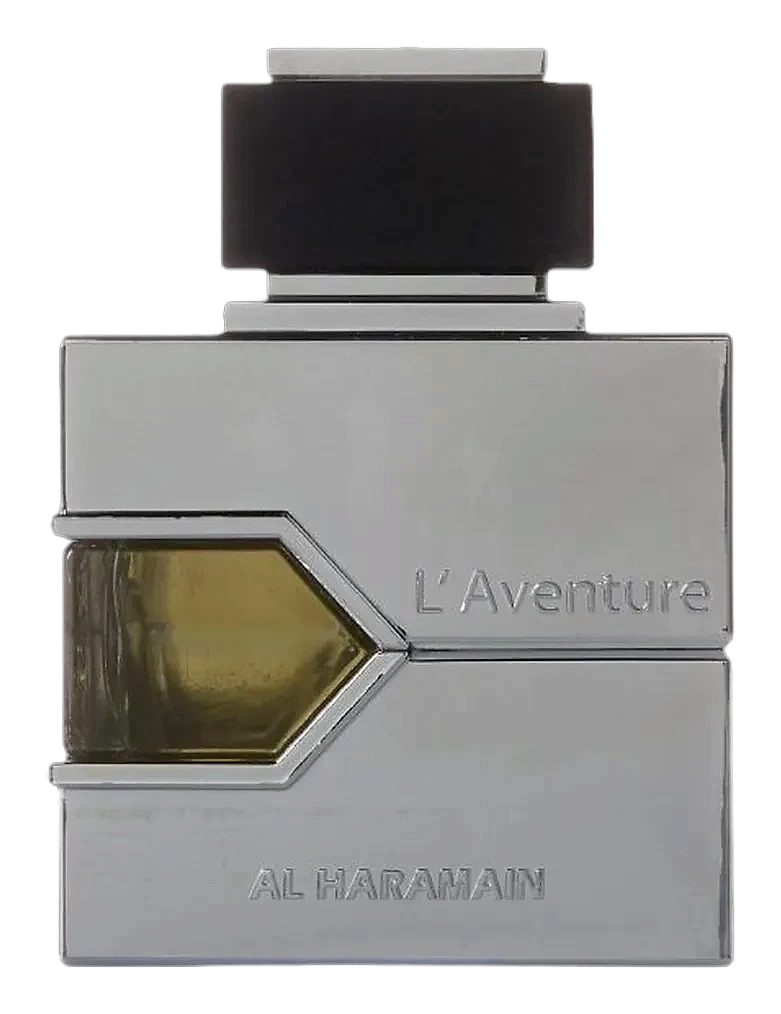
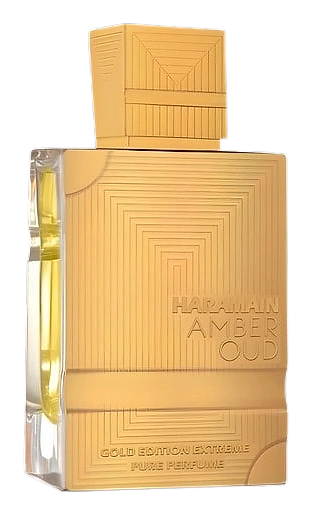
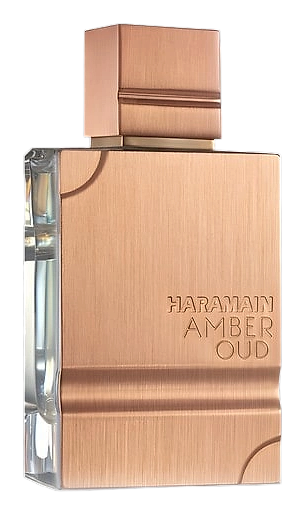
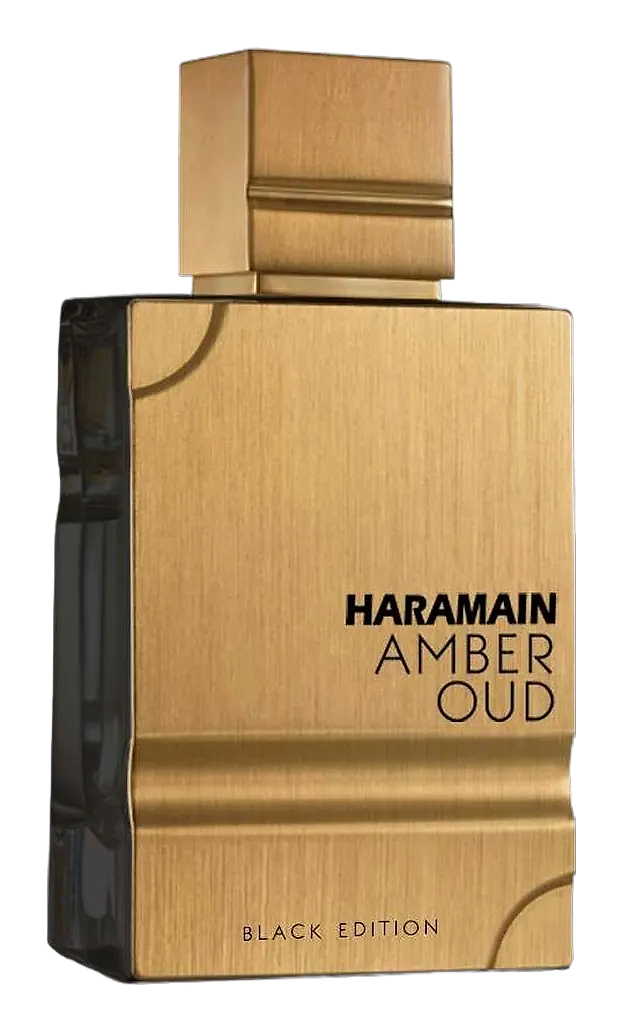
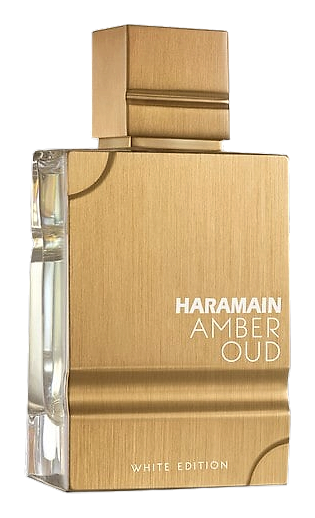
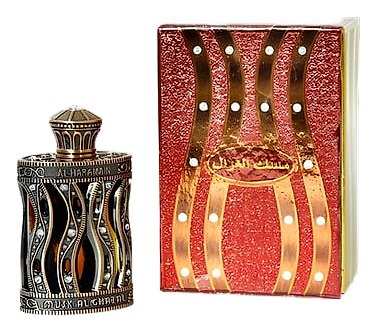
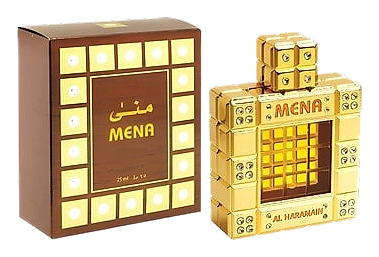
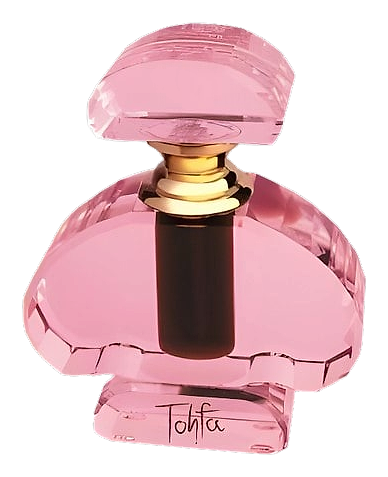
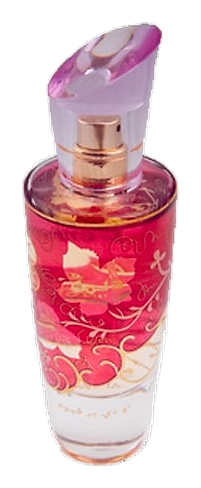
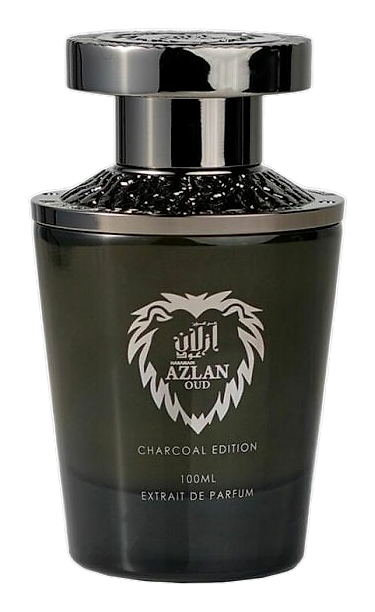
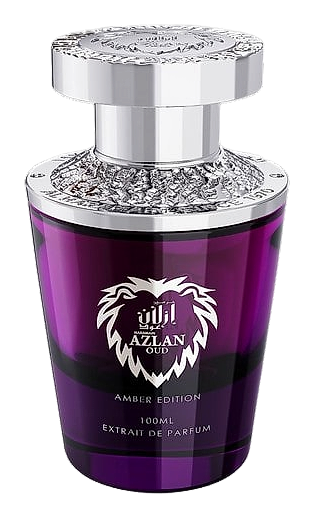
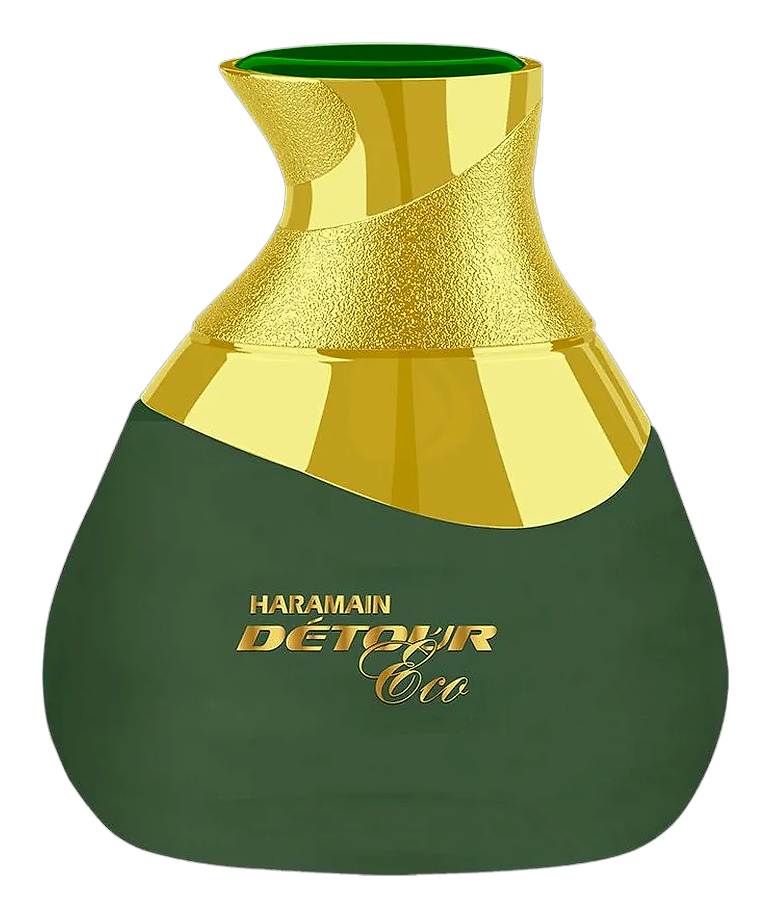
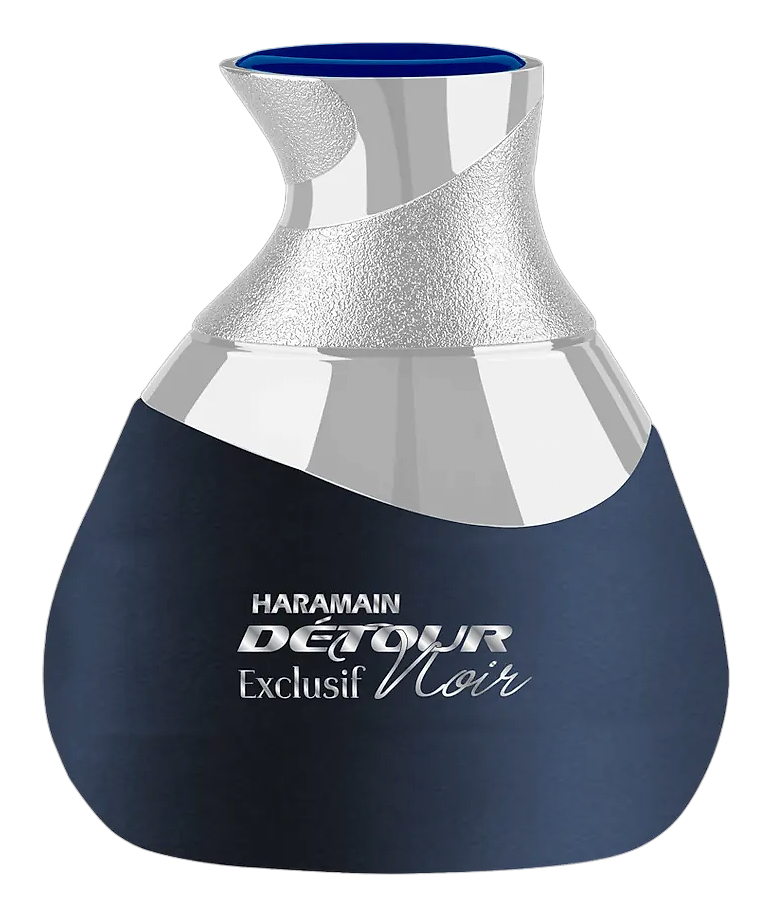
    Al Haramain positions its visual identity around the richness and depth associated with oriental perfumery. The brand's product lineup spans a wide range of fragrance families, from concentrated pure oils to spray formats, with packaging designed to reflect the product's intensity and intended use. Perfume oils are described as suitable for intimate, long-lasting wear and portable application, while spray formats offer broader accessibility for everyday use. The brand's home fragrance range includes bukhoor, air fresheners, and room fresheners designed to extend the aromatic experience beyond personal wear. Al Haramain's retail environments are styled to convey the brand's heritage and cultural associations, with showrooms serving as destinations that reflect the traditions embedded in its philosophy. The overall aesthetic communicates the sourcing and craftsmanship behind agarwood-based products, presenting oud as a rare and significant ingredient rather than a commodity.

    Philosophy

    The philosophy of Al Haramain Perfumes draws from the convictions of its founder, Kazi Abdul Haque, who believed that fragrance carries the power to arouse emotions, desires, memories, and inner peace. According to the company, this perspective aligns fragrance with cultural tradition, particularly the Islamic practice of burning agarwood to scent and purify living spaces. This belief became the foundation for Al Haramain's approach to creating perfumes that serve both sensory and cultural purposes. The company positions itself as a bridge between eastern perfume traditions and a global audience, noting that oriental fragrances have gained significant popularity beyond the Middle East, including in Europe and the United States. Mahtabur Rahman reportedly played a formative role in shaping the company's creative direction, contributing to the development of nearly all Al Haramain fragrances and building a team of specialists focused on oriental perfumery. The brand emphasizes its commitment to the craft of fragrance-making as a form of cultural service, aiming to deliver what it describes as heritage and exceptional experience through each bottle.

    Key Milestones

    1970

    Al Haramain Perfumes founded in Mecca, Saudi Arabia by Kazi Abdul Haque, initially trading perfumes with stores in Makkah and Madinah before starting production

    1982

    Company relocated operations to the UAE, setting up business in Dubai to leverage the emirate's commercial environment

    1992

    Al Haramain invested in an agarwood processing and manufacturing plant in Rumailah, Ajman, expanding into dedicated production capabilities

    2012

    Dehnal Oudh Mahabbah, one of the brand's notable oud-based fragrances, was introduced

    2014

    Mahtabur Rahman, eldest son of founder Kazi Abdul Haque, assumed leadership as Chairman and Managing Director

    2021

    Mukhamria Maliki Silver released, continuing the brand's expansion of contemporary oriental fragrances

    At a Glance

    Brand profile snapshot

    Origin

    United Arab Emirates

    Founded

    1970

    Heritage

    56

    Years active

    Collection

    4

    Fragrances released

    Avg Rating

    4.3

    Community sentiment

    Release Rhythm

    2024
    2
    2021
    1
    2019
    1
    alharamainperfumes.com

    Did You Know?

    Interesting Facts

    Distinctive details and defining moments that shape the house personality.

    01

    Founder Kazi Abdul Haque reportedly discovered oudh while visiting the Kingdom of Saudi Arabia, which inspired the company's focus on agarwood-based oriental fragrances.

    02

    Al Haramain moved its operations from Saudi Arabia to the UAE in 1982 specifically due to the ease of trade and commerce in Dubai.

    03

    The company established an agarwood processing facility in Ajman, the smallest of the seven emirates in the UAE, demonstrating strategic placement of manufacturing assets.

    04

    Mahtabur Rahman has reportedly been involved in the creation of nearly all Al Haramain perfumes, developing expertise in oriental fragrance composition over decades.

    05

    Al Haramain operates a factory spanning over 180,000 square feet in the UAE, equipped with ultramodern production machinery including automatic and semi-automatic lines.

    The Artisans

    The Perfumers