








Heritage
A house, in its own words
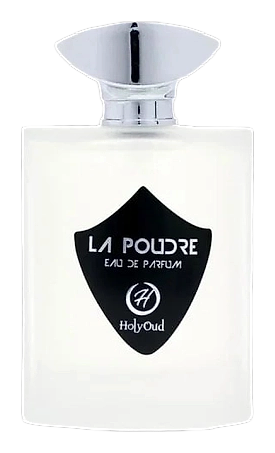
The story of Holy Oud begins with a cross‑continental friendship that sparked in the early 2010s. An Italian master perfumer, whose name remains private in public records, met an oud aficionado from Jakarta during a fragrance symposium in Europe. Their shared fascination with the resinous heart of agar led to a series of experimental blends that combined Western compositional techniques with Eastern raw materials. By 2018 the duo had secured a modest supply of sustainably harvested oud from the forests of northern Vietnam, a region noted for its high‑quality wood. In 2019 they formalised their partnership under the name Holy Oud, registering the brand in the United Arab Emirates, a hub for luxury perfume trade. The first public launch arrived in 2020 with a limited edition oud oil that garnered attention in niche fragrance forums for its clarity and restraint. 2021 marked a milestone with the release of La Poudre and Patchouli Bouquet, both of which were reviewed in independent blogs for their nuanced integration of oud with powdery and earthy notes. 2023 saw the introduction of Le Rose, a fragrance that paired oud with a rose heart sourced from Bulgaria, illustrating the brand’s willingness to juxtapose contrasting ingredients. In 2025 Holy Oud Expression arrived, a scent described by third‑party reviewers as a “modern ode to the ancient wood,” featuring a blend of oud, amber, and subtle citrus. Throughout its first decade Holy Oud has maintained a low‑profile distribution model, favouring boutique retailers and direct‑to‑consumer channels, which has helped preserve the exclusivity of its raw material sourcing while allowing the brand to refine its creative direction without the pressure of mass‑market expectations. Holy Oud’s creative vision rests on the belief that oud can be both reverent and approachable. The brand states that it seeks to honour the cultural rituals surrounding agar while translating its complexity into scents that speak to contemporary lifestyles. This duality informs every decision, from ingredient selection to packaging. Sustainability is a core value; the house works with certified forest management programmes in Vietnam and Laos, ensuring that each kilogram of wood is harvested under strict ecological guidelines. Transparency is another pillar: batch numbers are printed on the bottle, allowing collectors to trace the provenance of the oud used. The brand also embraces a minimalist narrative, avoiding overt storytelling in favour of letting the fragrance speak for itself. This philosophy extends to marketing, where Holy Oud limits its social media presence to curated visual posts rather than aggressive promotional campaigns. By focusing on craftsmanship and ethical sourcing, the house aims to set a benchmark for responsible luxury in the niche perfume sector.