The Story
Why it exists.
The beginning
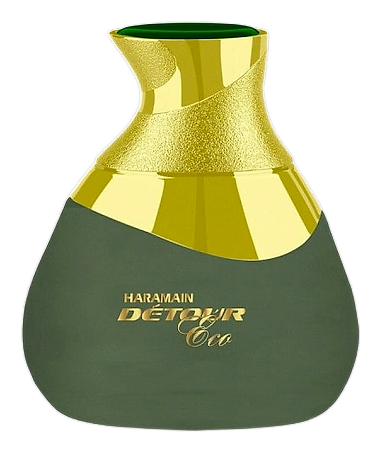
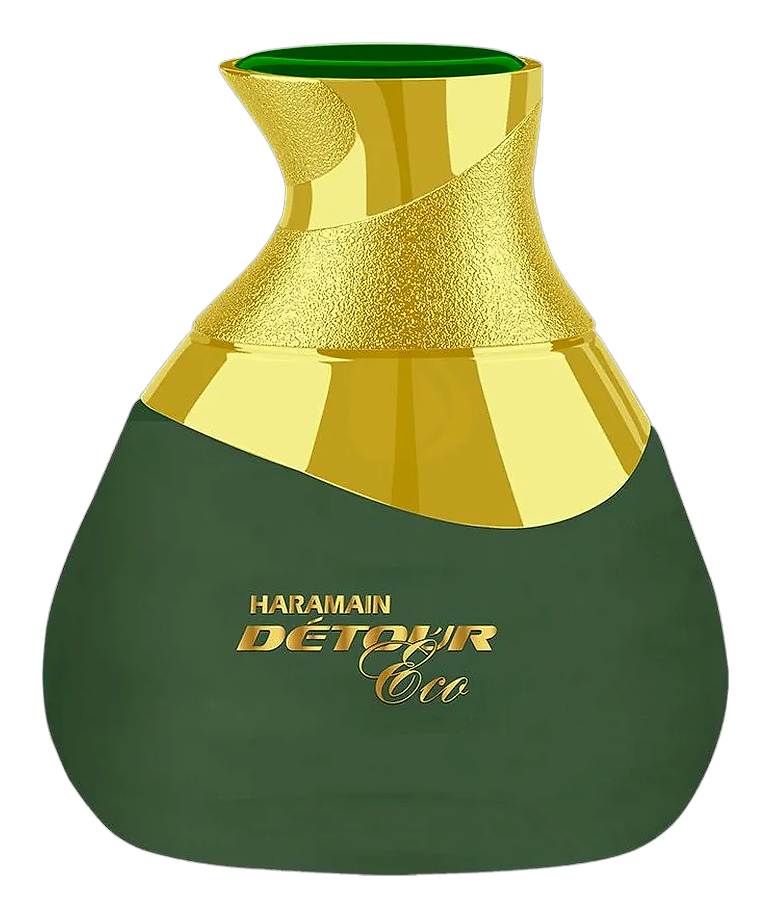
Detour Eco arrived in 2024 as part of Al Haramain's ongoing exploration of what oriental perfumery looks like when it chooses sustainability. The name says eco, and that matters, this is a fragrance designed around a different relationship with ingredients, one that acknowledges the resource pressure of traditional oud while still delivering the depth that defines the house. The brief was straightforward: take the aromatic-fresh-herbal palette that works year-round and anchor it to something warmer, sweeter, and with more lasting power than most in this category. What emerged is a composition that opens cool and herbal, builds through a heart of saffron and praline that adds warmth without sweetness-fatigue, and settles into cedar and oud that hold the whole thing together for a full working day.
The note structure here is doing something clever. Lavender and clary sage sit together at the top, both aromatic, both herbal, but clary sage carries a nuance that lavender alone doesn't. It's softer, slightly sweeter, and when bergamot enters, the combination reads as clean rather than medicinal. The heart introduces the first real tension: saffron is warm, earthy, almost savory; praline is sweet, almost confectionary. They don't cancel each other, they create a contrast that makes the drydown feel earned. Cedar and oud together is Al Haramain's signature combination, and here it serves a specific purpose: the woody base keeps the sweetness from becoming sticky over time.
The evolution
The opening hits clean. Clary sage and lavender give it an aromatic quality that feels almost cool, and the bergamot adds a brief citrus lift, not enough to be a citrus fragrance, but enough to make the herbs feel fresh rather than dusty. It stays in this phase for about an hour before the warmth arrives. The saffron comes in quietly first, then the praline sweetness builds, and for a while the composition holds both: cool herbs in the background, warmth and sweetness moving forward. The hand-off happens gradually. The clary sage fades, the bergamot disappears entirely, and what remains is praline and saffron balanced against cedar. Then the oud emerges, slowly, almost reluctantly, and the composition shifts into something deeper and more resinous. By the fourth hour, it's primarily cedar and oud, with a whisper of sweetness that refuses to fully leave. On fabric, it lasts into the next day. On skin, expect eight to ten hours with strong sillage throughout, not a projection bomb in the opening, but a fragrance that announces itself and then stays.
Cultural impact
Haramain Detour Eco arrives at a turning point in Middle Eastern perfumery, when traditional houses are rethinking their relationship with ingredient sourcing and environmental responsibility. The 2024 launch reflects a broader industry shift toward sustainable luxury, where consumers increasingly demand transparency about how their fragrances are made. Al Haramain's history dates to 1970, and this release marks a subtle but meaningful evolution in how the house approaches its craft. The timing matters: as climate concerns reshape how perfume houses think about natural ingredients, eco-conscious releases like Detour Eco signal that heritage brands can adapt without abandoning their identity.