









Heritage
A house, in its own words
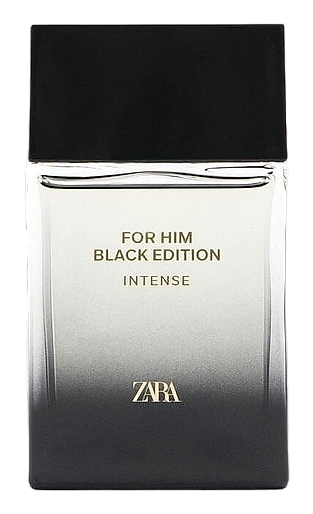
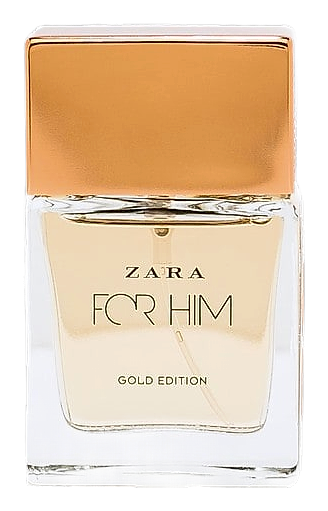
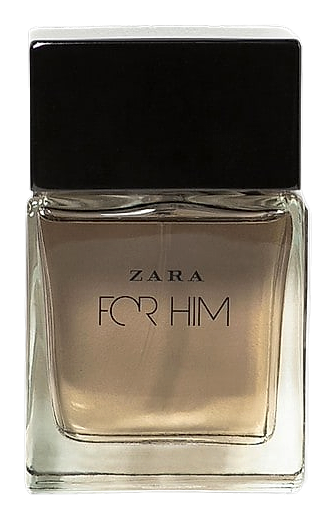
Zara was founded in 1975 by Amancio Ortega and Rosalía Mera in Arteixo, a municipality in the province of A Coruña in Galicia, northern Spain. The couple opened their first store in the city center, initially offering couture-inspired designs modeled after creations from major fashion houses. Within eight years, the brand had expanded to nine locations across Spain, demonstrating rapid early growth that would characterize its global expansion. In 1985, Ortega formalized his business structure by creating Inditex (Industria de Diseño Textil, S.A.) as the parent holding company, bringing Zara and related brands under centralized corporate management. This organizational restructuring enabled the development of an efficient production and distribution network that became central to Zara's competitive strategy. The brand's approach to fashion challenged industry conventions by prioritizing speed and responsiveness over traditional seasonal collections. This model, sometimes described as 'instant fashion,' allowed Zara to move designs from concept to store shelves in approximately two weeks, dramatically faster than the industry standard of six months. The company remained privately held through most of its history, with Ortega retaining a majority stake until his retirement. Zara's fragrance division grew from a collaboration with Spanish fragrance company Puig beginning in 1998, establishing the brand as a serious player in accessible luxury scents. In 2019, a UK High Court case involving Estee Lauder, Jo Malone, and Zara brought public attention to the brand's fragrance operations, revealing that the perfumer had started working with Zara seven years earlier in what she described as a personal collaboration rather than a corporate partnership. Zara's brand philosophy centers on four core values: beauty, clarity, function, and sustainability. These principles guide both its fashion and fragrance collections, informing decisions from product design to retail presentation. The brand's approach to perfumery reflects its broader fashion philosophy, emphasizing contemporary relevance and democratic accessibility over exclusivity for its own sake. Zara fragrances are positioned as stylish options for consumers who appreciate considered design without traditional luxury price barriers. The brand's collaboration with Jo Malone illustrates this philosophy in practice, with Malone describing the partnership as a personal relationship between herself and Zara rather than a corporate licensing arrangement. This emphasis on human connection and creative authenticity shapes how the brand approaches new fragrance development. Zara's sustainability commitment, listed among its core values, influences ingredient sourcing and packaging decisions across its product lines. The brand's fast fashion model, while controversial in some industry discussions, enables continuous freshness in its collections, allowing fragrance offerings to evolve with changing consumer tastes and seasonal relevance. Rather than positioning fragrances as timeless investments, Zara approaches scent creation with the same directional sensibility that defines its clothing lines.