
Heritage
A house, in its own words
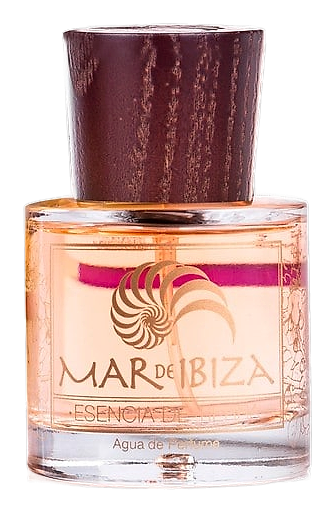
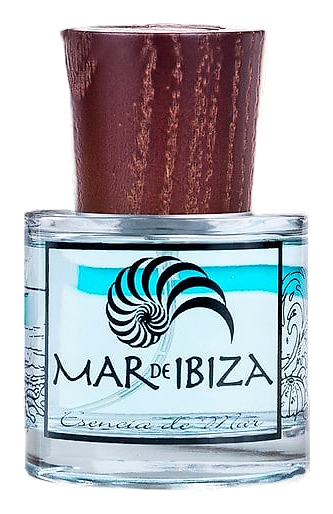
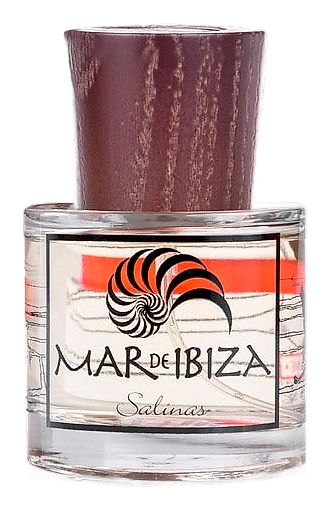
Mar de Ibiza emerged from the Spanish fragrance landscape in 2012, a period when independent Iberian perfume houses were finding new directions beyond the shadow of classical French perfumery. The brand's foundation year coincided with the release of its first two fragrances, Esencia Mar and Esencia Tierra, establishing a thematic duality that would characterize its approach. The name itself, translating to Sea of Ibiza, signals the brand's geographic and emotional anchor. Ibiza, as the third-largest of the Balearic Islands, has long attracted creative communities and countercultural movements, yet also harbors ancient Phoenician and Carthaginian layers beneath its contemporary reputation. The choice of this particular island, rather than Mallorca or Menorca, suggests an intentional alignment with Ibiza's distinctive cultural chemistry. Formentera followed in 2018 as the most recent addition to the collection, named for the smallest and most secluded of the Balearic islands, accessible only by ferry. Salinas, released in 2016, references the salt flats that have defined the southeastern coast of Ibiza for millennia, where sea salt production has continued uninterrupted since Phoenician times. The progression from Mar to Tierra, then Salinas and Formentera, traces a path from open water to land, from island to island, suggesting a methodical cartography of the archipelago's olfactory geography. Beyond these fragrance titles and dates, documented information about the founders, initial team, or business structure remains limited in available sources. The brand appears to operate with a small-scale, focused model, releasing infrequency rather than pursuing broad market expansion. The brand's approach centers on translating specific coastal geography into sensory experience. Rather than pursuing abstract marine accords common in contemporary perfumery, Mar de Ibiza appears to work with more grounded material. The dual release structure of 2012, pairing sea essence with earth essence, indicates an interest in balance and contrast. Salt and stone, water and soil, the luminous and the rooted. This duality extends to the later releases as well, with Salinas honoring the productive littoral zone where sea and land interpenetrate. Formentera, the smallest and most isolated of the inhabited Balearics, brings an island-within-an-island dimension, suggesting nested geography and increasingly intimate scale. The philosophy seems to reject generalization in favor of particularity. These are not generic Mediterranean fragrances but specific places rendered in liquid form. The island names function as coordinates, directing attention to concrete coordinates rather than abstract concepts of coastal beauty. This specificity implies patience and attentiveness, a willingness to develop fewer releases rather than populating shelf space. The six-year span between first and last release, with only four fragrances, suggests deliberate pacing and unhurried development. Each title points outward to physical geography, inviting the wearer to project themselves onto that terrain, to imagine salt marshes or sheltered bays rather than simply smelling a composition. The earth and sea pairing in 2012 established the territory, while Salinas and Formentera later mapped smaller regions within that already defined space.