




    Brand Profile

    Maese Pau crafts natural perfumes in Spain, blending botanical extracts with contemporary sensibility. The house releases scents such as Voc…More

    Spain·Site

    4.7

    Rating

    8
    Voc by Maese Pau
    Best Seller
    4.7

    Voc

    Ladano by Maese Pau
    Best Seller
    4.6

    Ladano

    Hesperides by Maese Pau
    Best Seller
    4.6

    Hesperides

    Driades by Maese Pau
    4.5

    Driades

    Gaiac by Maese Pau
    4.2

    Gaiac

    Damasco by Maese Pau
    4.0

    Damasco

    Onyx by Maese Pau
    3.9

    Onyx

    Nao by Maese Pau
    3.9

    Nao

    The Heritage

    The Story of Maese Pau

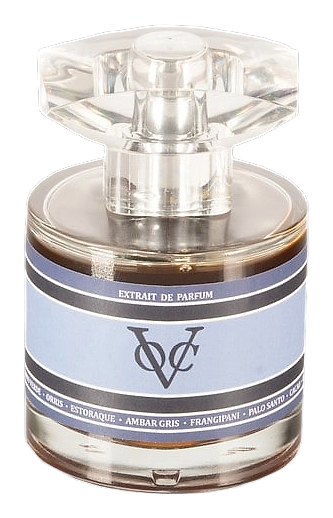
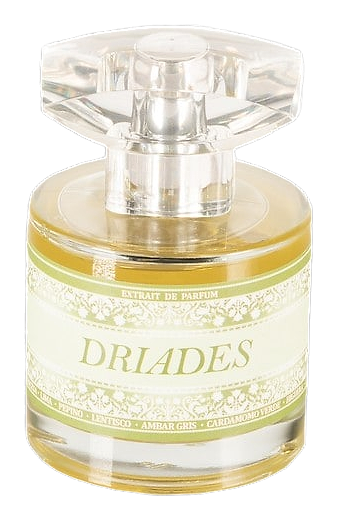
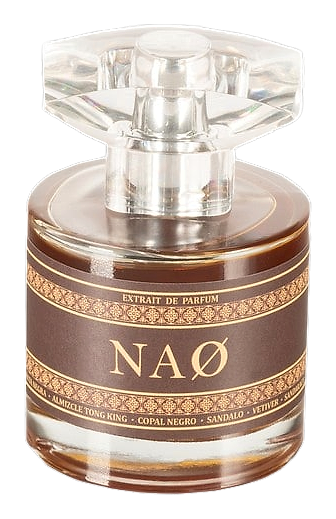
    Maese Pau crafts natural perfumes in Spain, blending botanical extracts with contemporary sensibility. The house releases scents such as Voc, Ladano, Hesperides, Driades, Gaiac, Damasco, Onyx and Nao, each anchored in a single dominant note yet balanced by supporting accords. Its bottles carry a restrained silhouette, reflecting a minimalist aesthetic that lets the fragrance speak for itself. The brand positions itself at the intersection of artisanal care and modern design, inviting wearers to explore scent as a quiet, personal ritual.

    Heritage

    Maese Pau emerged in the mid‑2010s in Barcelona, founded by a perfumer who preferred to work under the moniker Maese Pau rather than a conventional corporate name. Early interviews in Spanish lifestyle blogs describe the founder’s background in natural cosmetics and a desire to create fragrances that felt like a gentle caress rather than a bold proclamation. The first public launch arrived in 2017 with a modest line of single‑note perfumes that emphasized purity of ingredient over complexity. By 2019 the brand expanded its catalogue to include seasonal releases, each tied to a specific Mediterranean landscape or memory. In 2020 Maese Pau opened a small laboratory in the Gràcia district, allowing the team to experiment with cold‑pressed absolutes and locally sourced botanicals. The pandemic year prompted a shift toward online education, and the brand began publishing short videos that explained extraction methods and scent structure. 2022 marked the introduction of a refill system for its most popular bottles, reducing plastic waste and reinforcing a sustainability pledge. The 2024 collection, featuring Voc, Ladano, Hesperides, Driades, Gaiac, Damasco, Onyx and Nao, showcases the brand’s evolution from a niche laboratory to a recognized name among natural perfume enthusiasts across Europe. Throughout its growth, Maese Pau has remained anchored in a philosophy that treats fragrance as an extension of daily ritual, rather than a fleeting trend.

    Craftsmanship

    Maese Pau produces each perfume in small batches, a practice that preserves the freshness of volatile oils. The laboratory sources lavender from the hills of Provence, citrus peels from Valencia and cedarwood from the Atlas Mountains, all verified through third‑party certificates. Extraction begins with gentle cold‑pressing for citrus, followed by steam distillation for floral absolutes. For woods and resins, the brand employs supercritical CO2 extraction, a method that yields a high‑purity oil while minimizing solvent residue. After extraction, the raw materials rest in dark glass containers for several weeks, allowing the scent profile to mature naturally. The perfumers then blend the ingredients by hand, measuring each drop with a graduated pipette to ensure consistency across batches. Quality control includes gas‑chromatography analysis performed by an independent lab in Barcelona, confirming that each batch meets the declared composition. Bottles are hand‑filled in a climate‑controlled room, sealed with cork stoppers reclaimed from vintage wine bottles, and labeled with soy‑based ink. The brand records every batch in a digital ledger, enabling traceability from field to final product. This meticulous process reflects a commitment to purity, consistency and respect for the raw materials.

    Design Language

    Maese Pau’s visual language mirrors its olfactory restraint. The bottle adopts a slender, cylindrical shape with a smooth matte finish, allowing the perfume to sit like a quiet note on a shelf. Labels feature a thin, sans‑serif typeface in muted earth tones, echoing the natural origins of the ingredients. The brand’s logo, a simple hand‑drawn glyph resembling a leaf, appears embossed on the glass, providing a tactile cue without overt branding. Packaging uses recycled cardboard with a soft, uncoated texture, reinforcing the tactile experience. Seasonal releases introduce subtle color shifts—soft amber for Gaiac, pale teal for Hesperides—yet the overall design language remains consistent, creating a cohesive collection that feels like a curated library. Marketing imagery favors natural light, close‑up shots of raw botanicals, and minimalist interiors, positioning the fragrance as an extension of a calm, mindful lifestyle. The aesthetic extends to the brand’s website, where white space dominates and product pages present concise ingredient lists alongside high‑resolution photographs of the source plants.

    Philosophy

    Maese Pau views perfume as a quiet companion to everyday life. The brand believes that scent should enhance mood without overwhelming the senses. It selects ingredients that are either wild‑harvested in the Spanish countryside or produced by small cooperatives that follow organic standards. Transparency guides every decision; the label lists each botanical component and its origin on the back of the box. Sustainability informs packaging choices, with recycled glass and biodegradable caps. The creative team avoids synthetic aromachemicals unless they replicate a natural scent that cannot be sourced responsibly. Instead, it relies on cold‑pressed oils, steam‑distilled absolutes and CO2 extracts that preserve the integrity of the raw material. Maese Pau also embraces a minimalist narrative, allowing the wearer to assign personal meaning to each fragrance rather than prescribing a story. Community feedback shapes future releases, and the brand regularly hosts scent‑testing sessions in local art spaces, encouraging dialogue between perfumer, maker and consumer. This collaborative approach reflects a belief that perfume belongs to the moment, not just the market.

    Key Milestones

    2015

    Maese Pau founded in Barcelona by a perfumer focused on natural ingredients.

    2017

    First public fragrance line launched, featuring single‑note scents made from locally sourced botanicals.

    2020

    Opening of a dedicated laboratory in Gràcia, enabling in‑house extraction and blending.

    2022

    Introduction of a refill system for popular bottles, reducing plastic waste.

    2024

    Release of an eight‑fragrance collection including Voc, Ladano, Hesperides, Driades, Gaiac, Damasco, Onyx and Nao.

    At a Glance

    Brand profile snapshot

    Origin

    Spain

    Collection

    1

    Fragrances released

    Avg Rating

    4.7

    Community sentiment

    maesepau.com

    Did You Know?

    Interesting Facts

    Distinctive details and defining moments that shape the house personality.

    01

    The brand’s name, Maese Pau, combines a medieval title with the founder’s nickname, suggesting a craftsman’s pride.

    02

    Ladano was inspired by the scent of a traditional Spanish almond cake, using bitter almond oil harvested from wild trees.

    03

    Maese Pau’s laboratory recycles 95 % of its water through a closed‑loop filtration system.

    04

    Each bottle is sealed with a cork stopper reclaimed from vintage Rioja wine barrels, linking the perfume to Spain’s wine heritage.