The Heritage
The Story of Almah Parfums 1948
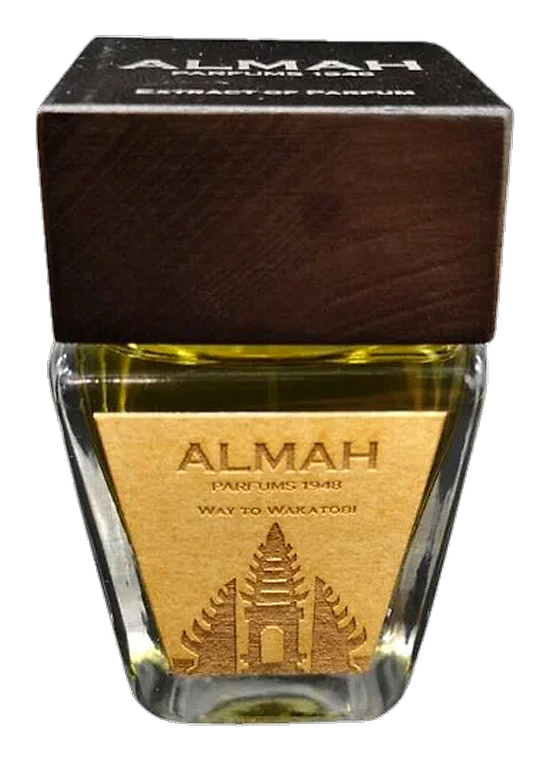
Almah Parfums 1948 lives in the heart of Barcelona, where a family workshop turns natural essential oils into scents that feel like a quiet walk through a Mediterranean garden. The house offers a modest catalogue that includes recent releases such as Borneus (2024) and earlier creations like Way To Wakatobi (2019). Each fragrance is presented in a clear bottle that lets the aroma speak for itself, without flashy marketing or over‑the‑top claims. The brand’s modest scale lets it focus on ingredient quality, precise maceration, and a calm, almost scholarly approach to perfume making.
Heritage
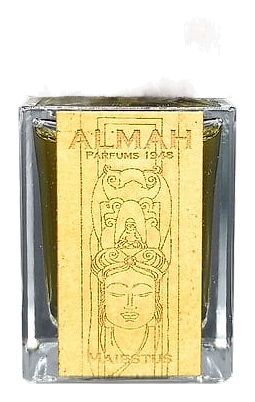
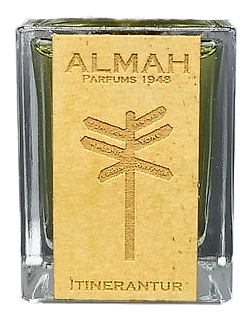
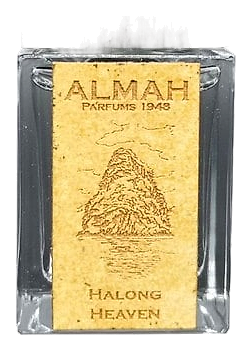
The story of Almah Parfums 1948 begins in post‑war Barcelona, when master perfumer Valentí Perelló opened a small laboratory dedicated to the extraction and blending of natural essential oils. Perelló, who had spent years mastering maceration techniques, wanted to create a house that respected the raw materials and the traditions of Catalan artisanal perfumery. By the early 1950s the workshop supplied local apothecaries and boutique retailers, building a reputation for reliable, plant‑based extracts. In the 1970s the second generation of the Perelló family expanded the range, introducing the first limited‑edition fragrances that combined traditional Mediterranean notes with subtle oriental accents. The 1990s saw a formal registration of the brand name Almah Parfums 1948 and the opening of a dedicated essential‑oil laboratory on the same Barcelona street where the original lab stood. This move allowed the house to control every step of production, from raw‑material sourcing to final bottling. The turn of the millennium brought a renewed focus on sustainability; the brand began partnering with small cooperatives in the Balearic Islands and the Pyrenees to source wild‑crafted botanicals. In 2019 Almah released a cluster of scents—Maiestus, Halong Heaven, Itinerantur, Ivvavik and Way To Wakatobi—that marked a modern reinterpretation of its heritage, each built on a foundation of natural absolutes and transparent formulas. The most recent addition, Borneus (2024), demonstrates how the house continues to evolve while staying true to the original philosophy of honest, nature‑forward perfumery.
Craftsmanship
Production at Almah Parfums 1948 starts in a modest laboratory that houses copper stills, stainless‑steel maceration tanks, and a small inventory of botanicals sourced from Spain, Morocco, and the Far East. The brand’s perfumers select raw materials based on seasonal harvest windows, often traveling to the source to verify quality. Once the essential oils arrive, they undergo a cold‑press or steam‑distillation process that preserves volatile aromatics. After extraction, the oils are stored in dark glass containers to prevent oxidation. The next stage is maceration, where the oils are blended in precise ratios and left to mature for periods ranging from a few weeks to several months. Almah monitors temperature and humidity closely, believing that stable conditions allow the fragrance molecules to integrate fully. Quality control includes blind olfactory testing by a panel of senior perfumers who evaluate balance, longevity, and projection. Only batches that meet the house’s exacting standards proceed to bottling. Bottles are hand‑filled in a low‑light environment to avoid premature exposure to light, then sealed with simple caps that echo the brand’s minimal aesthetic. Each finished perfume is accompanied by a paper insert that lists the botanical origins and the maceration timeline, reinforcing the house’s commitment to transparency. The entire workflow, from seed to spray, is designed to minimize waste; leftover plant material is composted, and any excess oil is repurposed in small‑batch home fragrance products.
Design Language
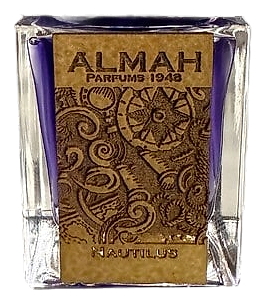
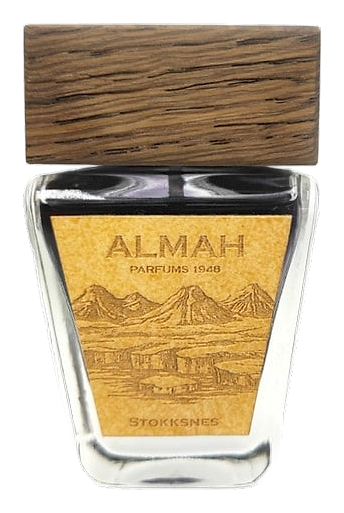
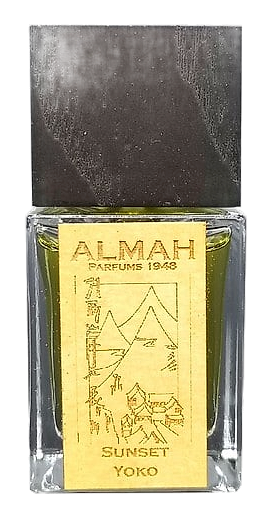
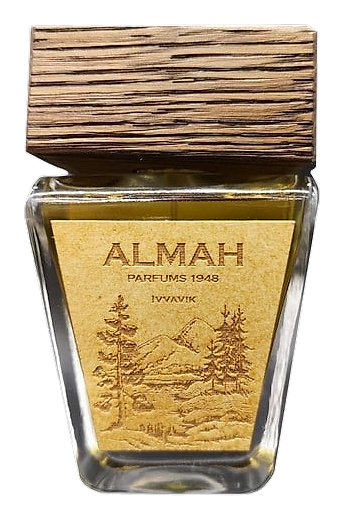
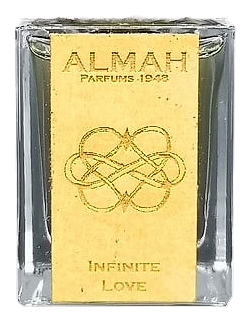
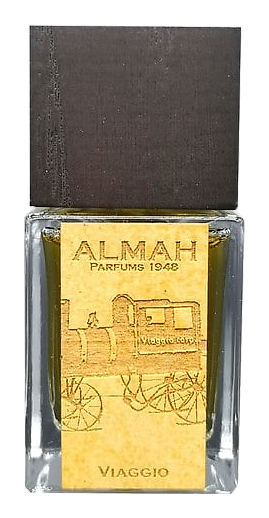
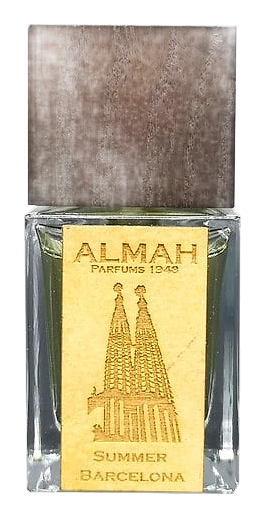
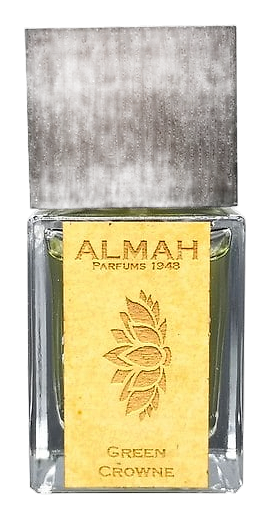
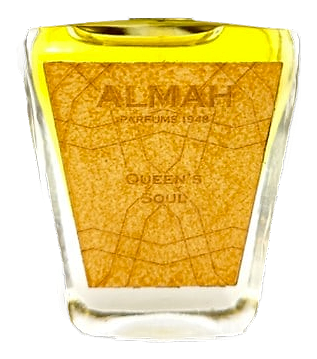
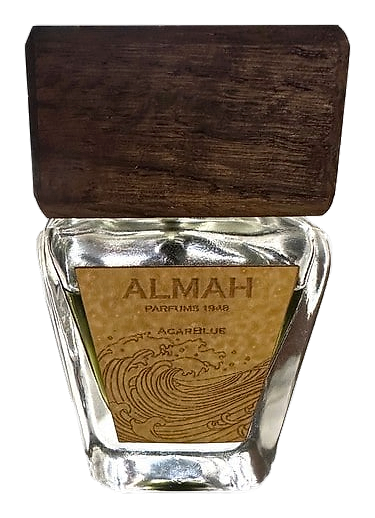
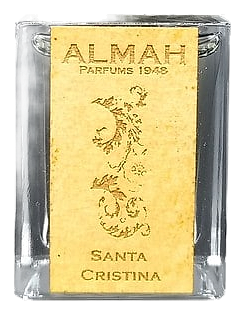
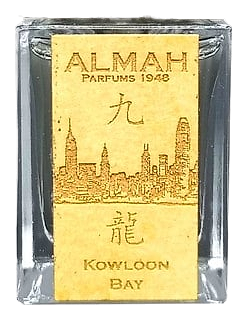
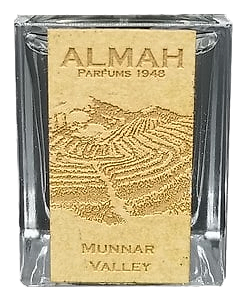
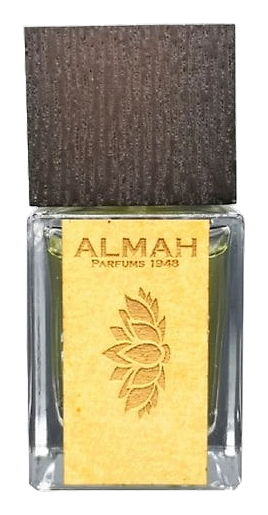
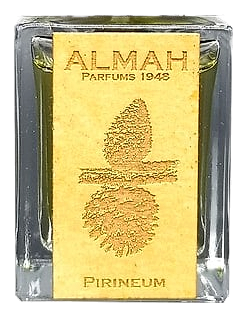
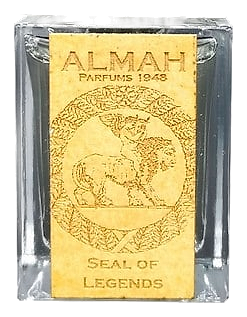
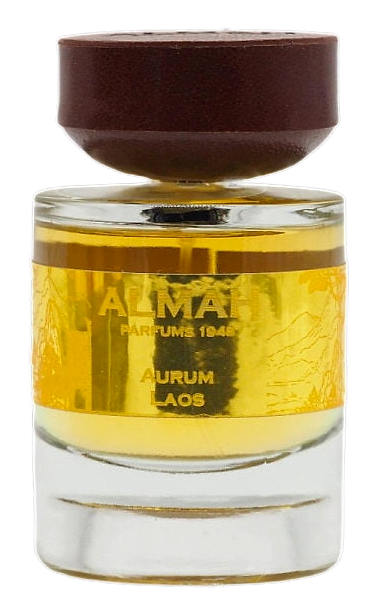
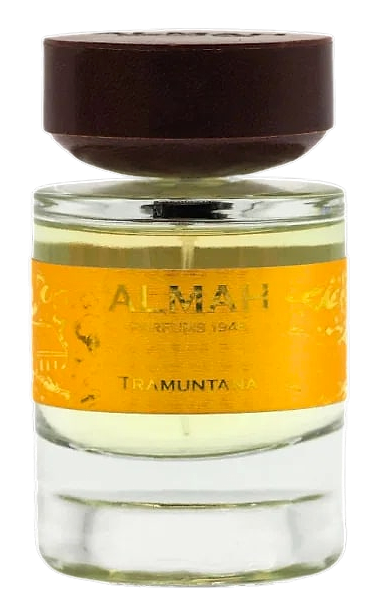
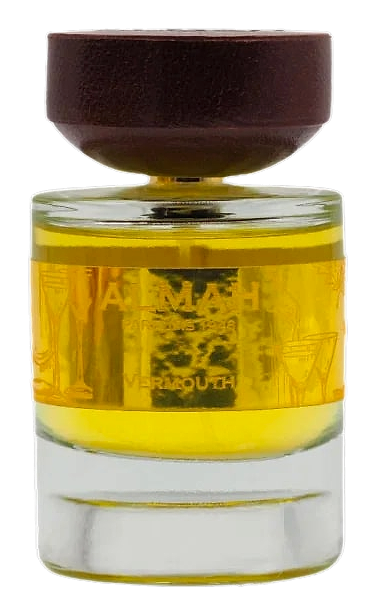
Visually, Almah Parfums 1948 favors restraint. Bottles are typically clear or lightly frosted glass, allowing the natural hue of the perfume to show through. Labels consist of a thin black serif typeface on matte white paper, with the year of the house subtly printed in the corner. The caps are either brushed aluminum or natural wood, chosen to echo the raw material focus of the fragrances. Packaging boxes are unadorned, using recycled cardboard with a single embossed line drawing that hints at the scent’s key botanical element—such as a stylized lavender sprig for a floral composition or a wave motif for a marine‑inspired fragrance. The brand’s visual language extends to its Barcelona studio, where wooden worktables, copper equipment, and potted herbs create an environment that feels both laboratory and garden. Promotional photography often features the bottles placed on stone slabs or linen, bathed in soft natural light, reinforcing the idea that the scents belong to the natural world rather than a glossy commercial set. This minimal visual approach mirrors the house’s dedication to letting the perfume itself be the focal point.
Philosophy
Almah Parfums 1948 treats perfume as a quiet dialogue between scent and memory. The house believes that a fragrance should be recognizable without the need for hype, and that the story of a perfume begins with the provenance of its ingredients. Transparency guides every decision: the brand lists the botanical origin of each oil on its packaging and avoids synthetic shortcuts unless they are essential for stability. Sustainability is not a buzzword but a daily practice; Almah works with growers who practice low‑impact harvesting and supports reforestation projects in regions where its raw materials are collected. Creativity is rooted in research rather than trend‑following; perfumers at Almah spend months testing maceration periods and temperature controls to let each note reveal its true character. The house also values education, offering occasional workshops in its Barcelona studio where enthusiasts can learn about oil extraction, blending, and the history of Mediterranean aromatics. This approach reflects a belief that perfume, at its best, is both an art and a science, and that the most compelling scents arise when both are given equal respect.
Key Milestones
1948
Valentí Perelló establishes a small essential‑oil lab in Barcelona, laying the foundation for Almah Parfums 1948.
1972
Second generation of the Perelló family expands the product line to include limited‑edition fragrances blending Mediterranean and oriental notes.
1997
The brand formally registers the name Almah Parfums 1948 and opens a dedicated on‑site essential‑oil laboratory.
2019
Release of a cluster of new scents—Maiestus, Halong Heaven, Itinerantur, Ivvavik, Way To Wakatobi—showcasing modern natural‑oil techniques.
2024
Launch of Borneus, a fragrance that highlights the house’s continued focus on transparent, nature‑forward composition.
At a Glance
Brand profile snapshot
Origin
Spain
Founded
1948
Heritage
78
Years active
Collection
1
Fragrances released
Avg Rating
4.7
Community sentiment
Release Rhythm


