









Heritage
A house, in its own words
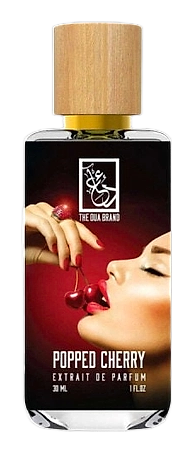
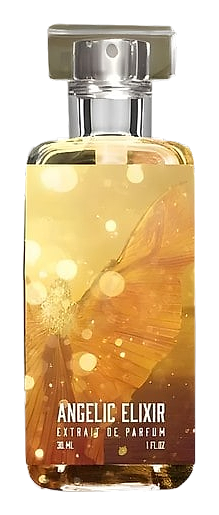
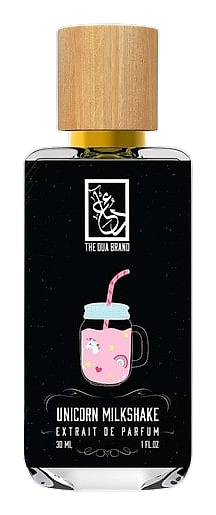
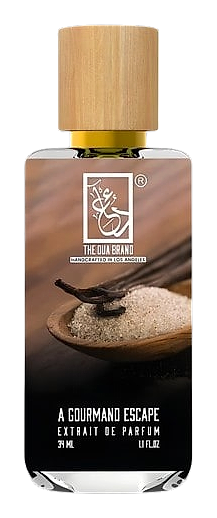
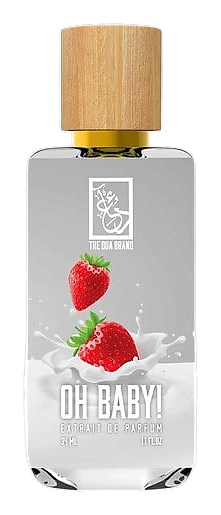
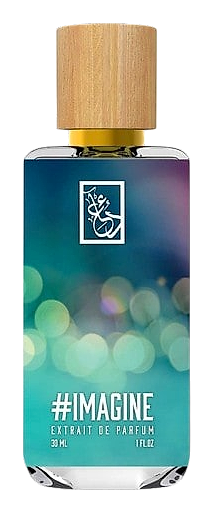
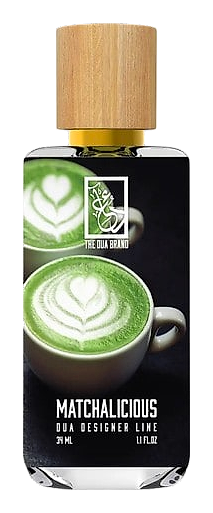
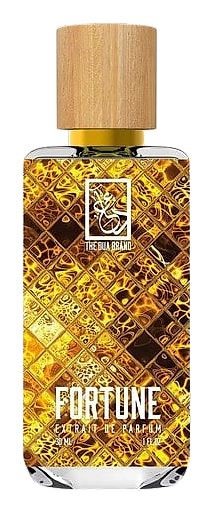
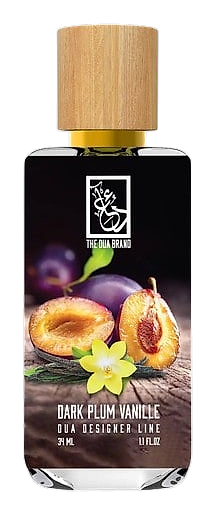
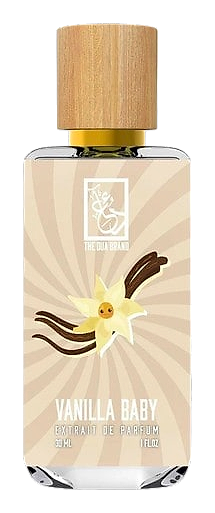
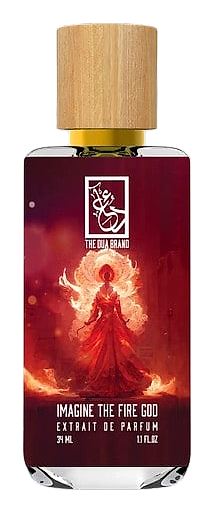
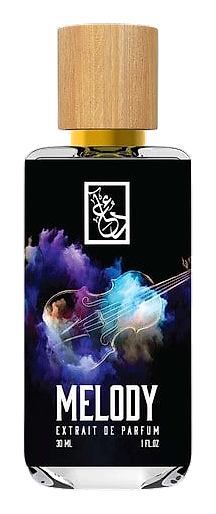
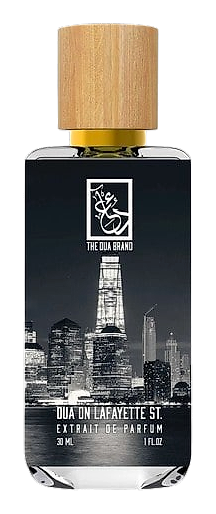
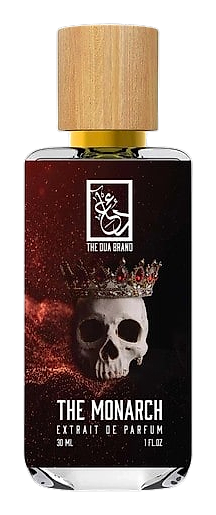
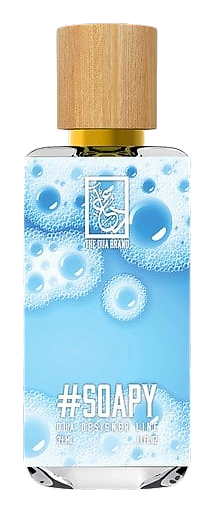
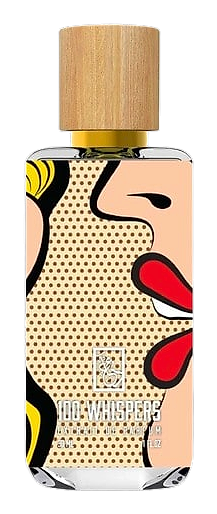
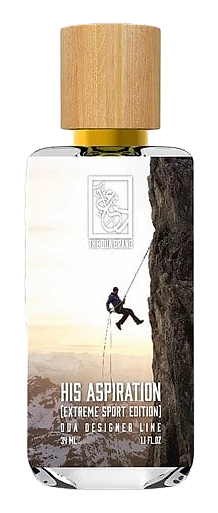
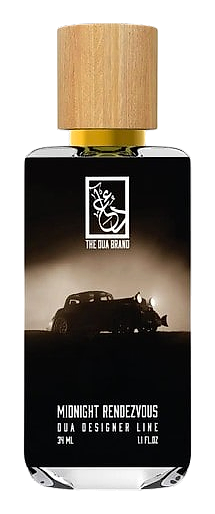
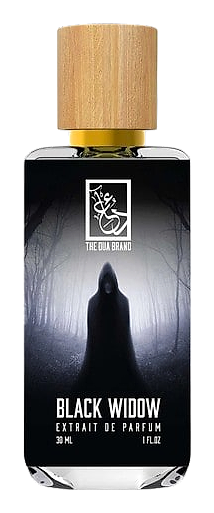
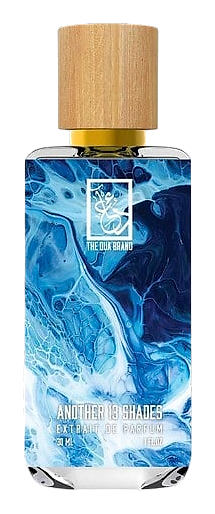
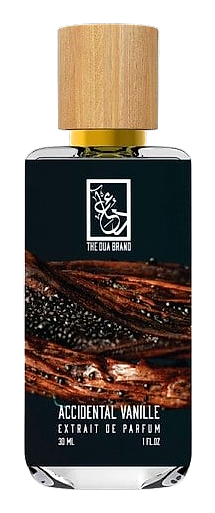
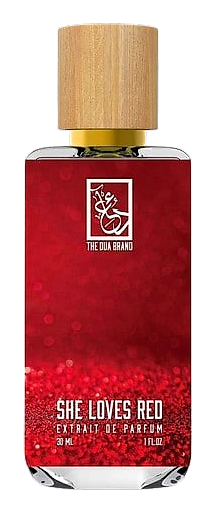
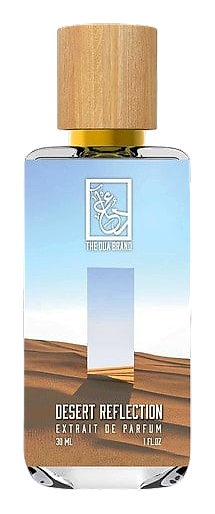
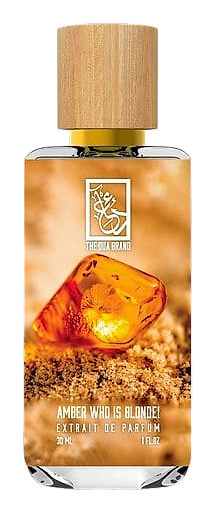
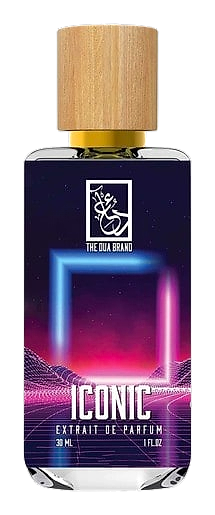
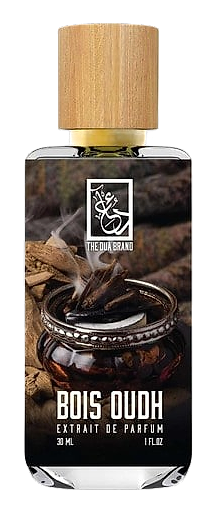
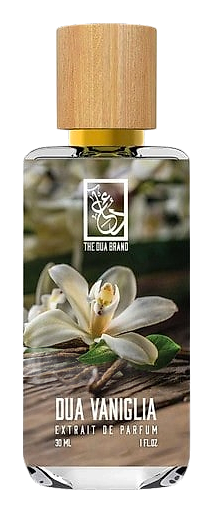
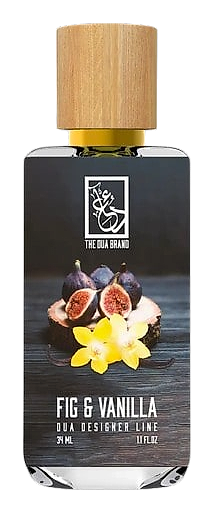
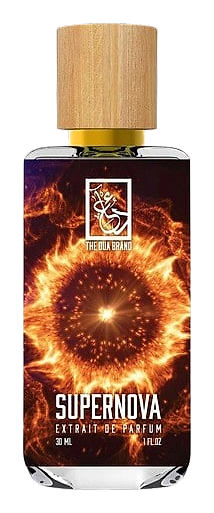
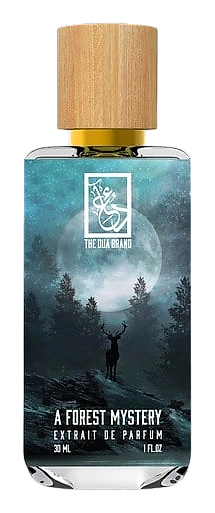
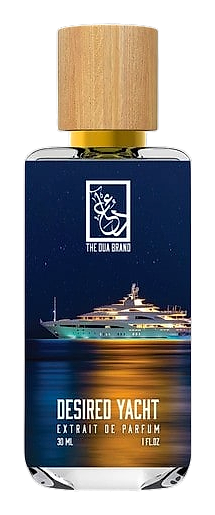
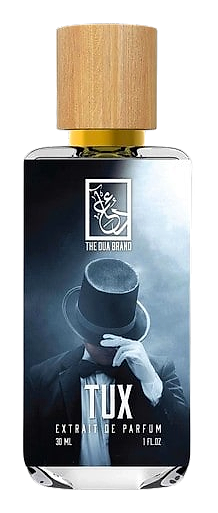
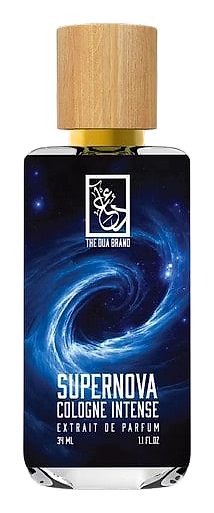
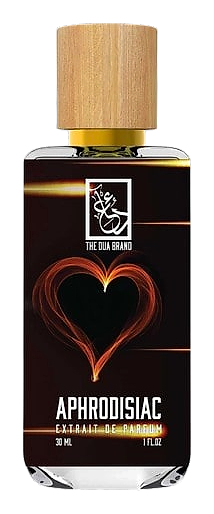
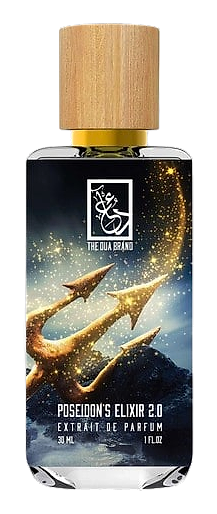
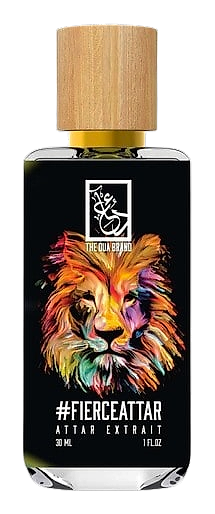
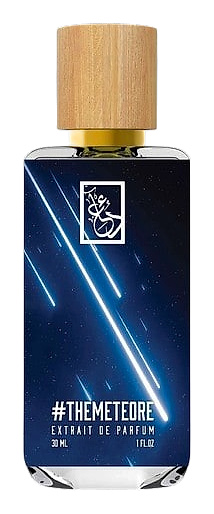
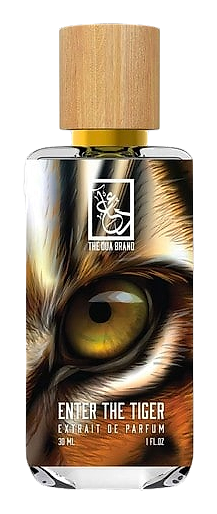
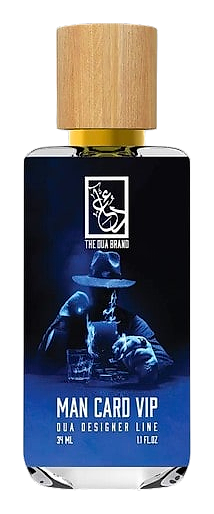
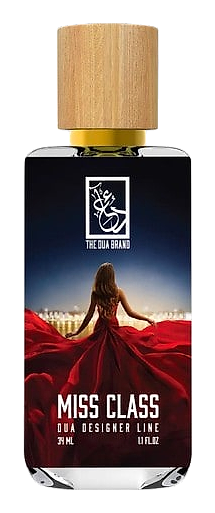
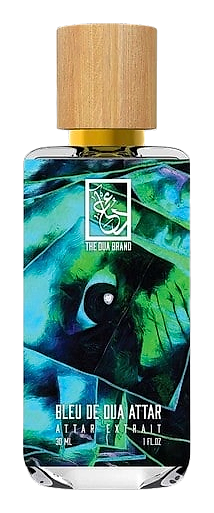
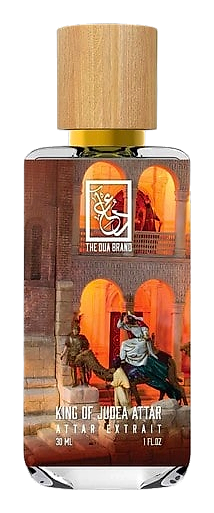
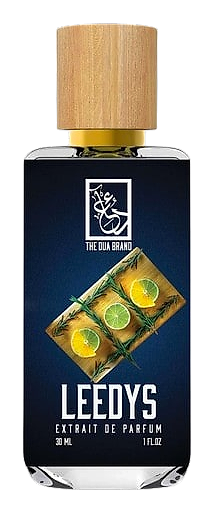
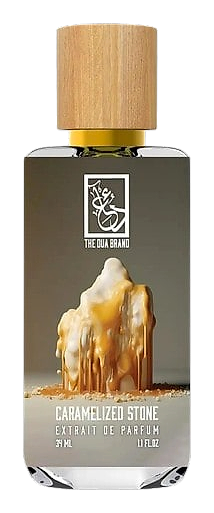
Mahsam Raza founded The Dua Brand in 2016 after spotting a gap in the market for well‑executed fragrance copies that did not require a luxury budget. The first storefront was a modest kiosk in a Los Angeles shopping centre, where the brand offered a handful of scent‑matching formulas alongside basic perfumery accessories. Within a year the company expanded its range, launching Italian Decorum in 2017, a fragrance that referenced classic Italian leather accords while using locally sourced alcohol bases. 2018 saw the introduction of Impresario, a scent that combined citrus top notes with a warm amber heart, marking the brand’s first foray into original‑inspired compositions. By 2020 The Dua Brand released two notable entries: Aoud Intense Bleu, which paired oud with marine accords, and Cali Life, a bright, citrus‑driven fragrance that highlighted the brand’s growing confidence in blending familiar motifs with fresh twists. 2021 brought DUA’s Empire of Iris, a powdery floral that demonstrated the house’s willingness to experiment with rare botanical extracts. 2023 proved prolific, delivering Boss Lady! – a bold, spicy statement – and Turin 22, a tribute to the historic Italian city’s aromatic heritage. The following year the brand announced Marshmallow Dream 2.0, a gourmand reinterpretation that leveraged a new generation of synthetic vanilla accords. Throughout its first decade the company has maintained a dual presence in the United States and the United Arab Emirates, a structure confirmed by independent business listings. The Dua Brand’s growth has been punctuated by strategic use of digital marketing, a modest but active community on social platforms, and occasional collaborations with local artists for limited‑edition packaging. While the brand does not claim industry awards, its consistent release schedule and expanding catalogue have positioned it as a recognizable player in the niche‑clone segment of the fragrance market. The Dua Brand states that its core purpose is to make scents that feel luxurious without the associated cost barrier. This mission translates into a practical approach: the house studies the olfactory architecture of well‑known perfumes, then reconstructs them using ingredients that meet safety regulations and price constraints. The brand emphasizes transparency in its ingredient lists, allowing customers to see the balance between natural extracts and synthetics. Sustainability appears in its sourcing policy, with reports indicating that a portion of its raw materials, such as sandalwood oil, are obtained from certified suppliers in Indonesia. The company also experiments with artificial‑intelligence‑driven scent modeling, a practice that aims to predict consumer preferences before a launch. This data‑informed method does not replace the nose of a perfumer but serves as an additional reference point during formulation. Community feedback loops, gathered through online surveys and direct email outreach, shape future releases, reflecting a belief that fragrance should evolve with its wearers. Overall, the brand’s philosophy blends accessibility, analytical rigor, and a respect for the traditional art of perfume making.