Chocolate
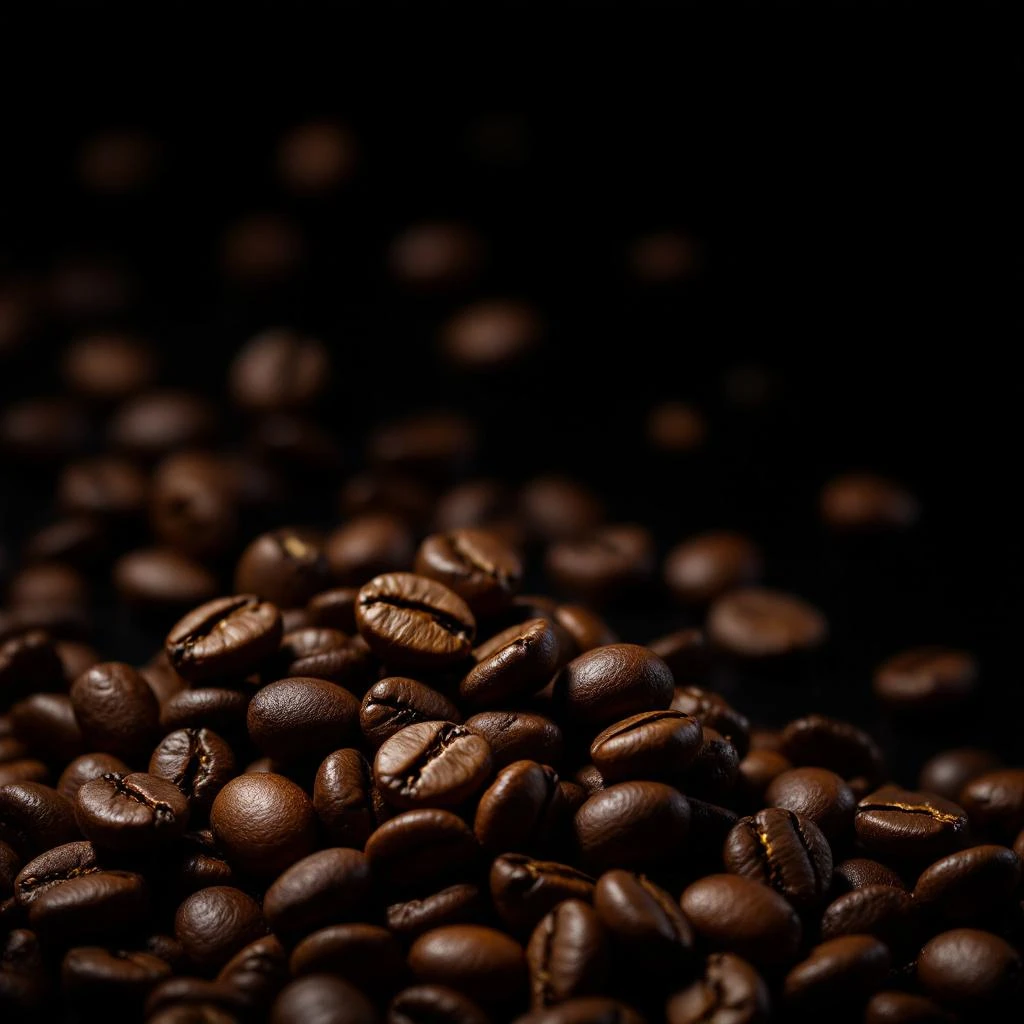
Chocolate in perfumery captures the dark, roasted soul of Theobroma cacao. Discover how this sacred Mesoamerican treasure transforms into a sought-after fragrance material.
Character
How it smells
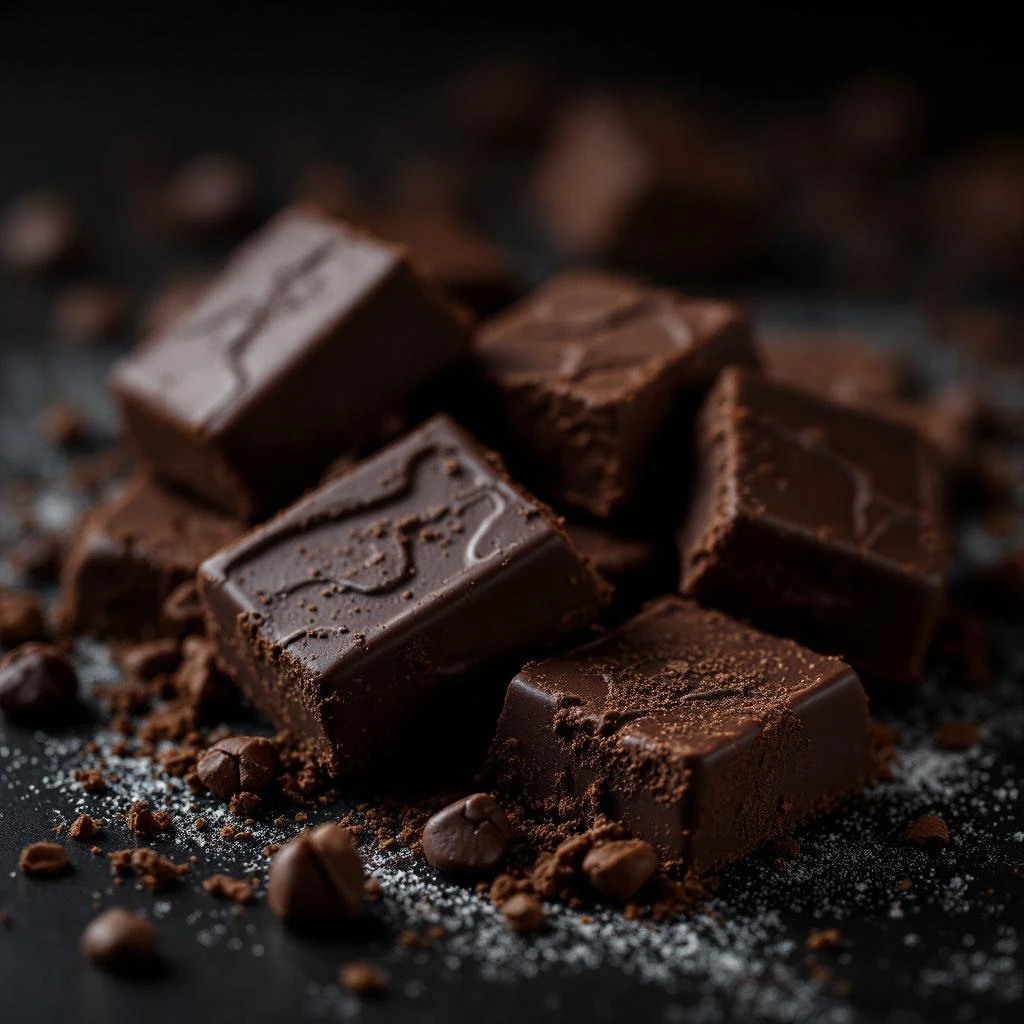
Sacred cacao, distilled into scent.
A single roasted cocoa bean contains over 300 volatile aromatic compounds, rivaling wine in complexity.








Origin
Mexico
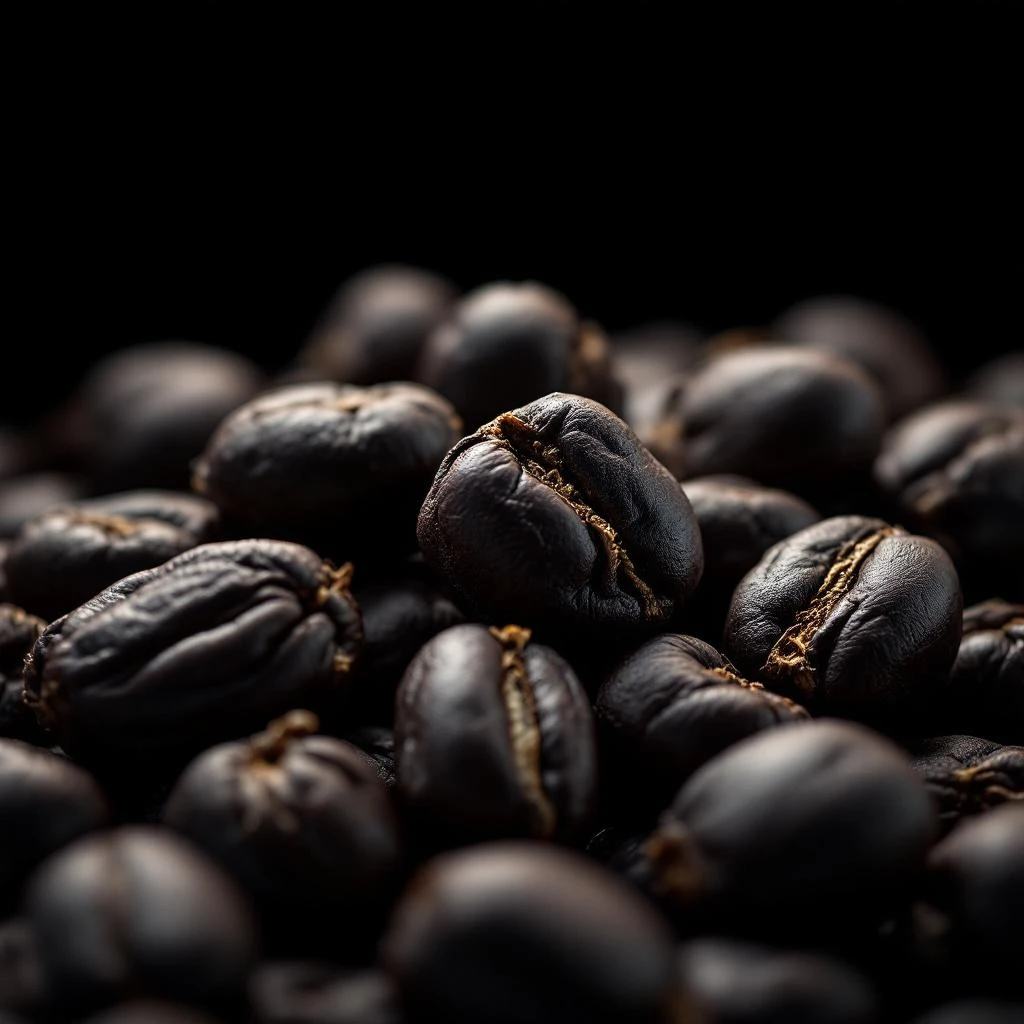
Theobroma cacao originated in the Amazon basin before ancient Mesoamerican civilizations cultivated it extensively. The Maya revered cacao as a gift from the gods, using the beans in ceremonial rituals and treating them as currency.
The Aztec empire elevated cacao further, preparing bitter xocolatl beverages reserved for warriors, priests, and nobility. Spanish conquistadors encountered this sacred drink in the 16th century and introduced it to European courts, where sugar and milk eventually transformed it into the sweet confection familiar today.
The word chocolate derives from Nahuatl xocolatl, while the scientific name Theobroma literally means "food of the gods." When modern perfumery emerged in late 19th century France, perfumers initially recreated chocolate notes using combinations of vanillin and coumarin before natural cocoa absolute became available as a ingredient.
Wears it best
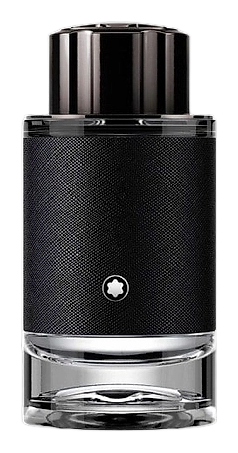
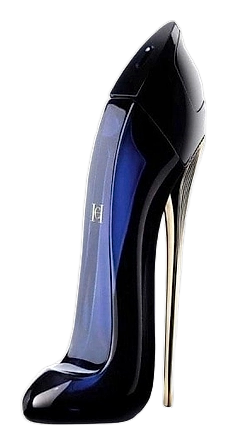
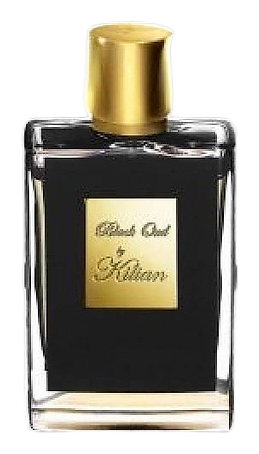
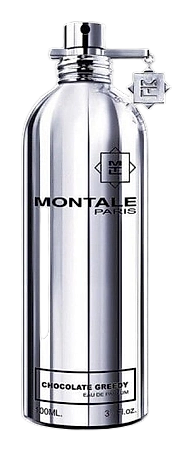
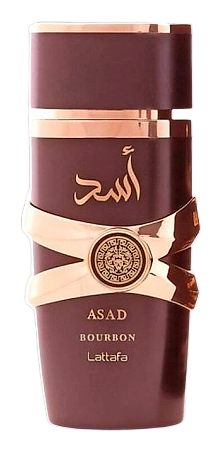
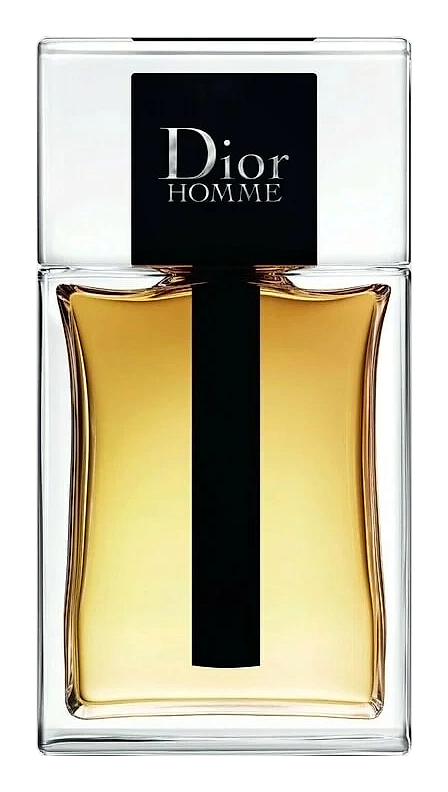
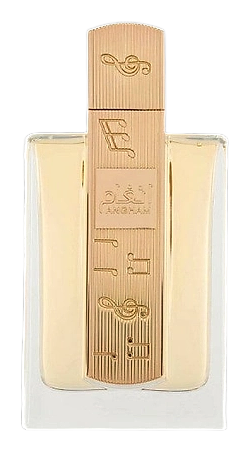
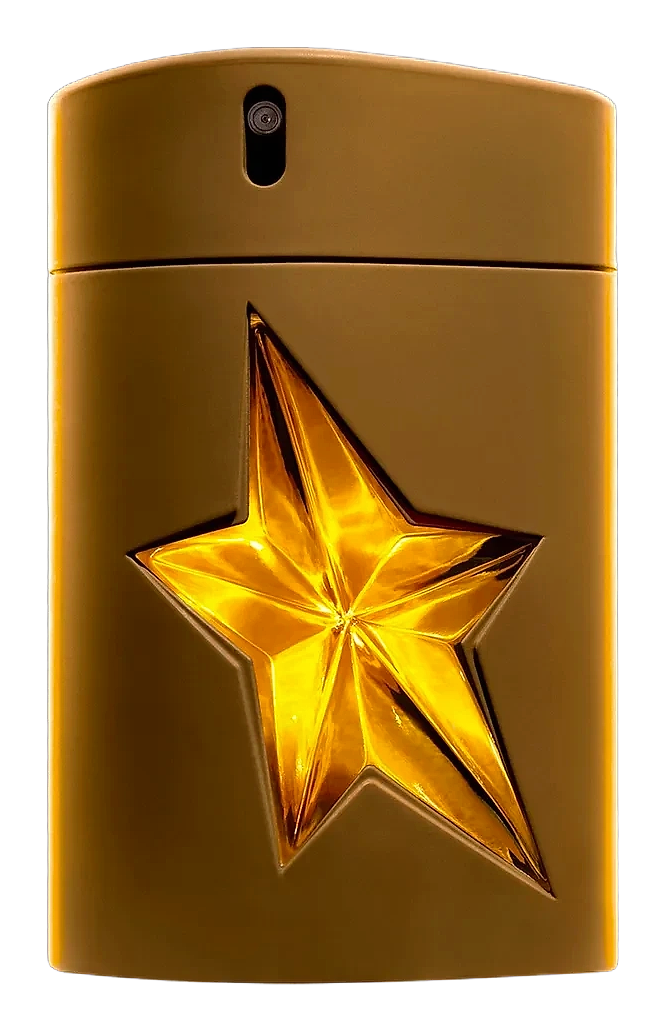
Fragrances featuring Chocolate




Brands
Brands known for Chocolate
Good to know
Questions, answered
The essentials on Chocolate in perfumery: how it smells, where it comes from, and how it behaves on skin.
Is cocoa absolute made from real chocolate?
No. Cocoa absolute comes from roasted Theobroma cacao beans processed through solvent extraction. It captures only the aromatic compounds, not the sugar, milk fats, or cocoa butter found in edible chocolate.
How is cocoa absolute extracted?
Roasted cacao beans undergo solvent extraction, typically using hexane or ethanol, to dissolve aromatic compounds. The solvent evaporates, leaving behind a concentrated absolute with an intense chocolate fragrance.
What does cocoa absolute smell like?
Cocoa absolute has a rich, sweet, roasted aroma with bitter undertones and earthy, slightly fermented nuances. It lacks the sugariness of milk chocolate but captures the deep complexity of dark chocolate.
When did perfumers start using chocolate?
Late 19th century perfumers initially combined vanillin and coumarin to approximate chocolate notes. Natural cocoa absolute became a standard material in the 20th century, offering greater complexity.
Is chocolate synthetic or natural in perfumery?
Both exist. Natural cocoa absolute comes from roasted cacao beans, while synthetic alternatives like chocolate furanone replicate specific molecular aspects. Natural cocoa absolute contains over 300 volatile compounds for fuller complexity.
What fragrance families pair well with chocolate?
Cocoa absolute pairs naturally with warm, sweet materials like vanilla, benzoin, and tonka bean. It also complements oriental fragrances, amber bases, and spicy notes such as cinnamon and cardamom.
Does cocoa absolute contain caffeine or theobromine?
Cocoa absolute contains trace amounts of theobromine, but the concentration is negligible for fragrance use. It provides chocolate's aromatic qualities without significant stimulant effects.
Is cocoa absolute sustainable to use?
Cocoa cultivation raises environmental and social concerns, including deforestation and labor practices. Reputable suppliers like Givaudan and Symrise maintain responsible sourcing programs and certification initiatives.