Honey
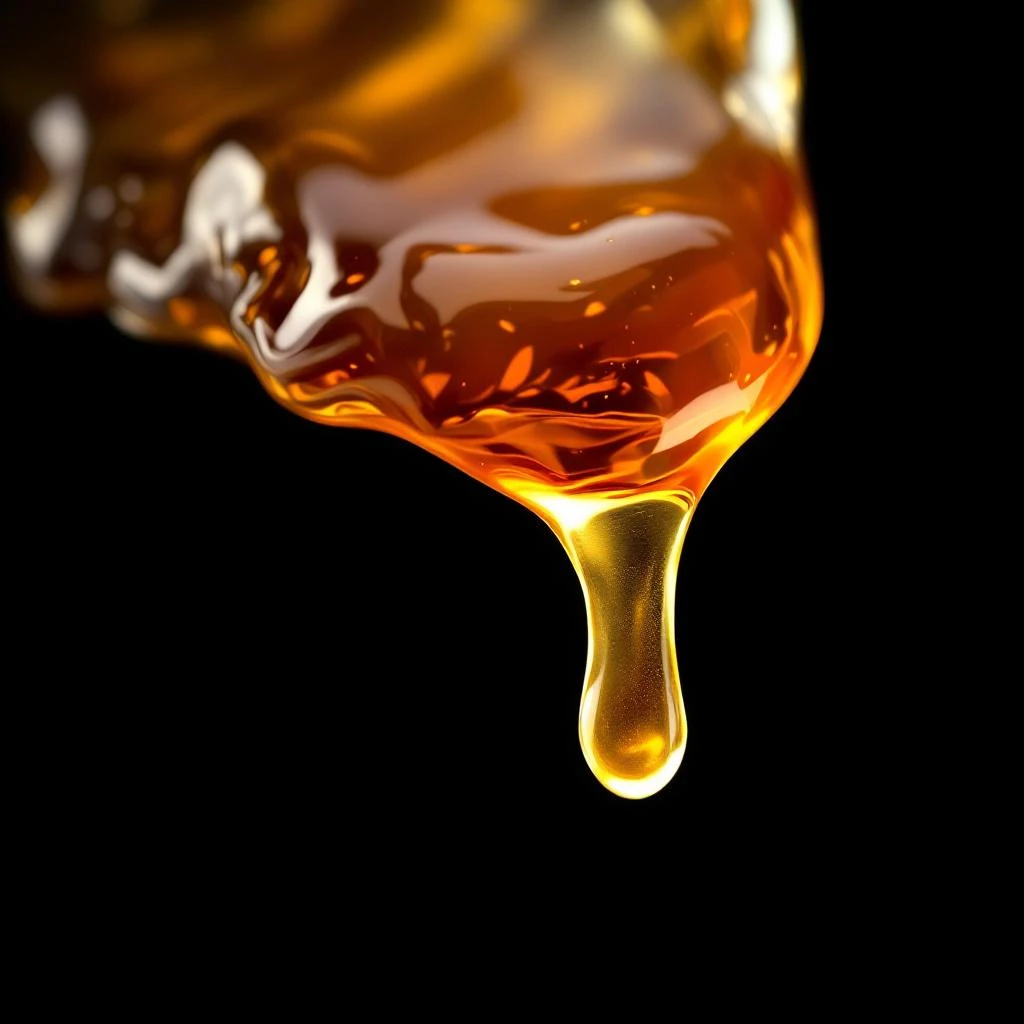
Liquid gold meets bottled scent. Honey brings warm, resinous sweetness to perfumery, bridging ancient ritual and modern chemistry through both natural extracts and precise synthetic accords.
Character
How it smells
Sweetness aged 15,000 years in the making
Most honey notes in modern perfumery are entirely synthetic, recreated through aroma molecules like phenylacetic acid and beeswax absolute.








Origin
Spain
Humans have harvested honey for over 15,000 years, with cave paintings in Valencia, Spain depicting early beekeeping scenes. Ancient Arab perfumers were the first to distill honey's essence into fragrance compositions, layering it with oud, rose, and ambergris in opulent attars.
These early artisans valued honey for its fixative qualities and its ability to round sharp edges in complex blends. By the medieval period, European monastic perfumers incorporated beeswax and honey into balms and unguents, prized for both scent and skin-softening properties.
The 19th century shifted perfumery toward synthetic chemistry, and by the mid-20th century, reconstructing honey became a technical exercise in molecular mimicry. Today, honey remains a signature note in oriental and gourmand fragrances, connecting contemporary compositions to one of humanity's oldest flavor and fragrance traditions.
Wears it best
Fragrances featuring Honey
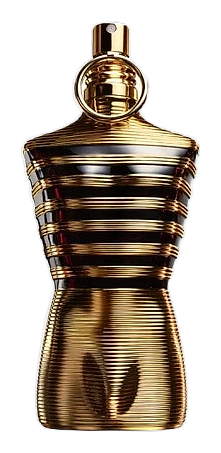

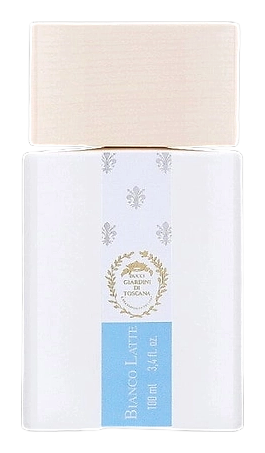
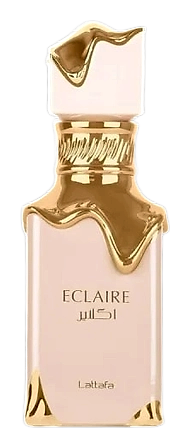
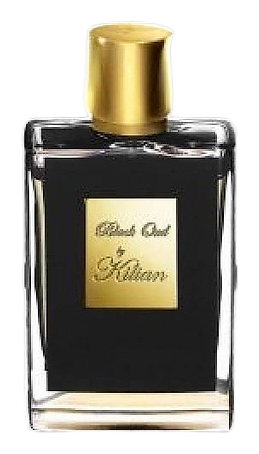

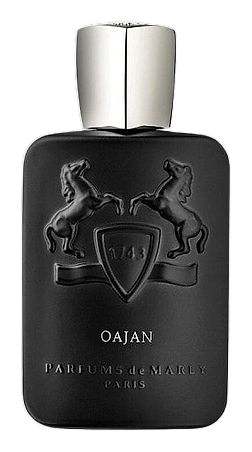
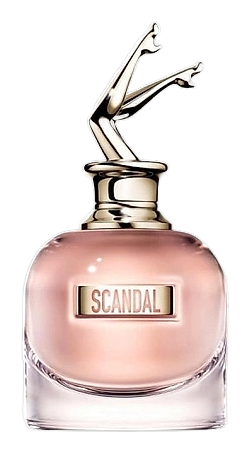
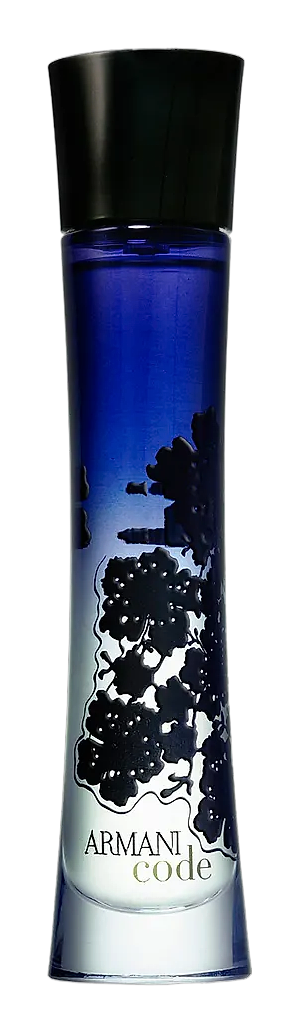
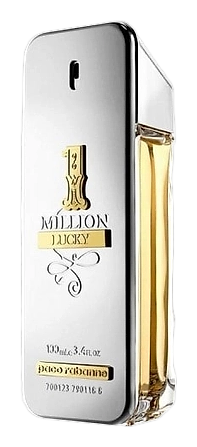
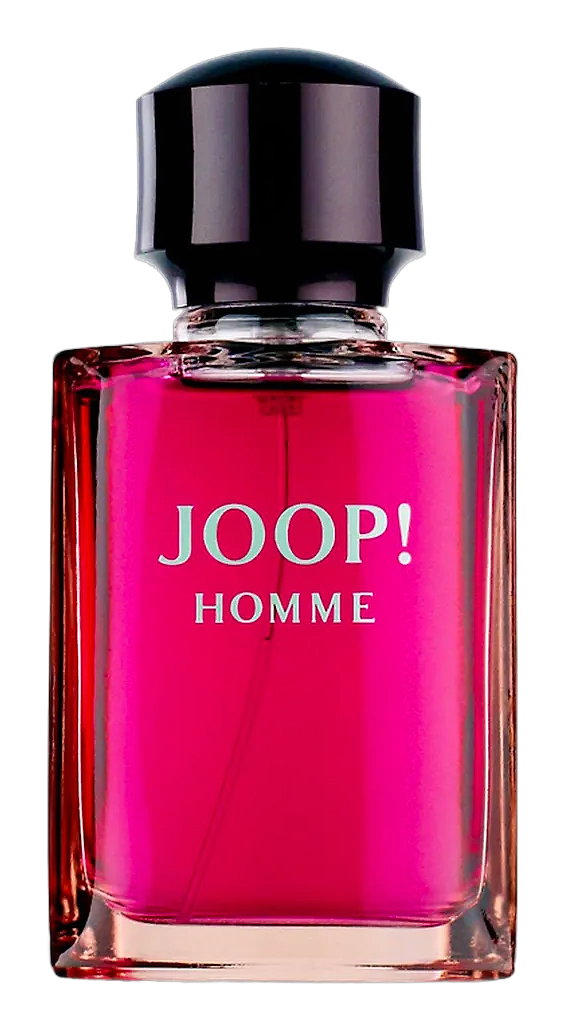
Brands
Brands known for Honey
Good to know
Questions, answered
The essentials on Honey in perfumery: how it smells, where it comes from, and how it behaves on skin.
Is honey in perfume real honey?
Most modern honey notes are synthetic reconstructions. Natural honey absolute exists but is expensive and inconsistent, so perfumers typically use proprietary bases like Givaudan's Honey Givco or IFF's Mielessence built from aroma molecules such as phenethyl phenylacetate.
What does honey smell like in perfume?
Honey in fragrance smells warmer and more complex than edible honey. Expect resinous sweetness with waxy, slightly animalic undertones, and subtle hints of propolis and beeswax that give it depth beyond simple sugar.
When was honey first used in perfumery?
Ancient Arab perfumers were the first to capture honey's sweetness in fragrance, incorporating it into early attar compositions. Beekeeping itself dates back over 15,000 years, as shown by cave paintings in Valencia, Spain.
Is honey a top, heart, or base note?
Honey typically functions as a base or middle note. Its heavy molecular weight gives it staying power on skin, though lighter interpretations can lift into the heart for a brighter, fresher effect.
What fragrance families use honey?
Honey appears most frequently in oriental and gourmand families, where it complements amber, vanilla, and resinous materials. It also appears in select florals, adding a warm, nectar-like softness to rose and jasmine compositions.
Is honey note vegan?
Natural honey absolute and beeswax derivatives are not vegan since they come from animal sources. Synthetic honey accords built from plant-derived or petroleum-based molecules are vegan-friendly, and most commercial fragrances use these.
Does honey note smell like food?
Not exactly. Perfume honey is stylized: warmer, waxier, and more resinous than culinary honey. Perfumers deliberately avoid the jammy, sugary quality of spread honey, favoring a drier, more sophisticated sweetness.
Which famous perfumes feature honey?
Honey has starred in many iconic compositions, including Serge Lutens' Rahat Loukoum and Dior's Hypnotic Poison, where it anchors spiced and gourmand accords with its warm, lingering sweetness.