







Heritage
A house, in its own words
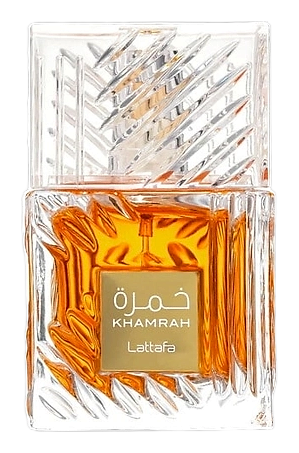
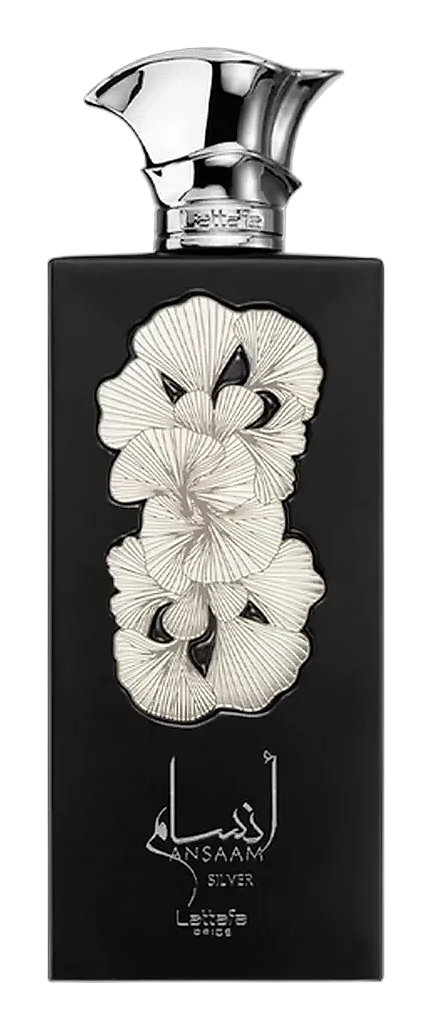
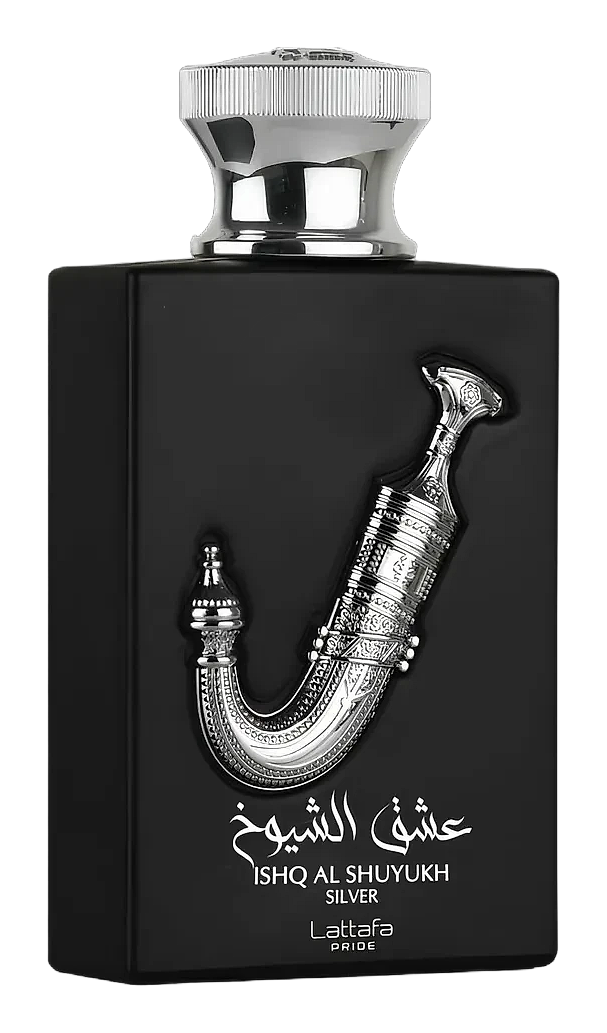
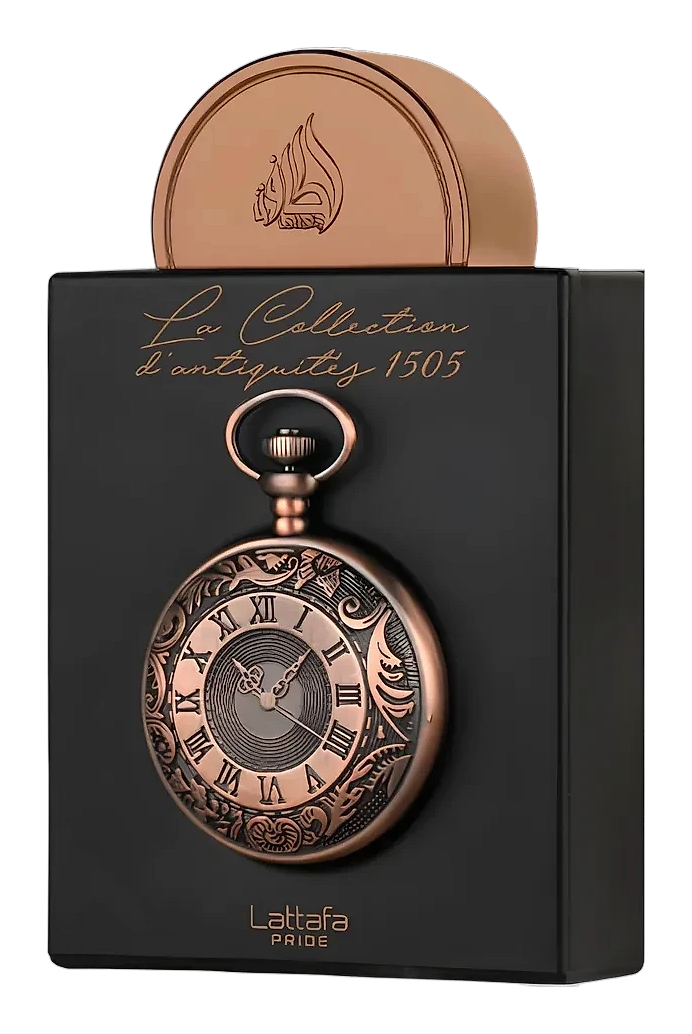
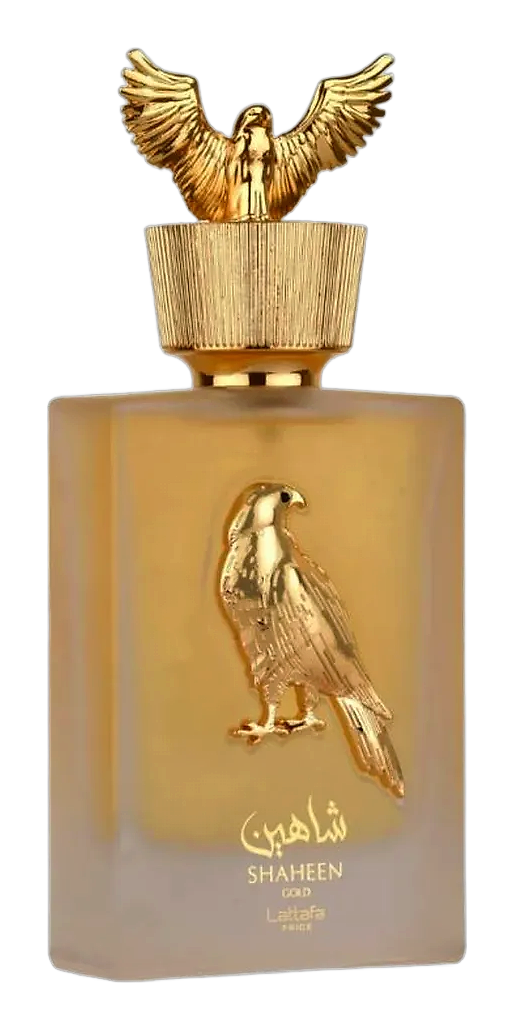
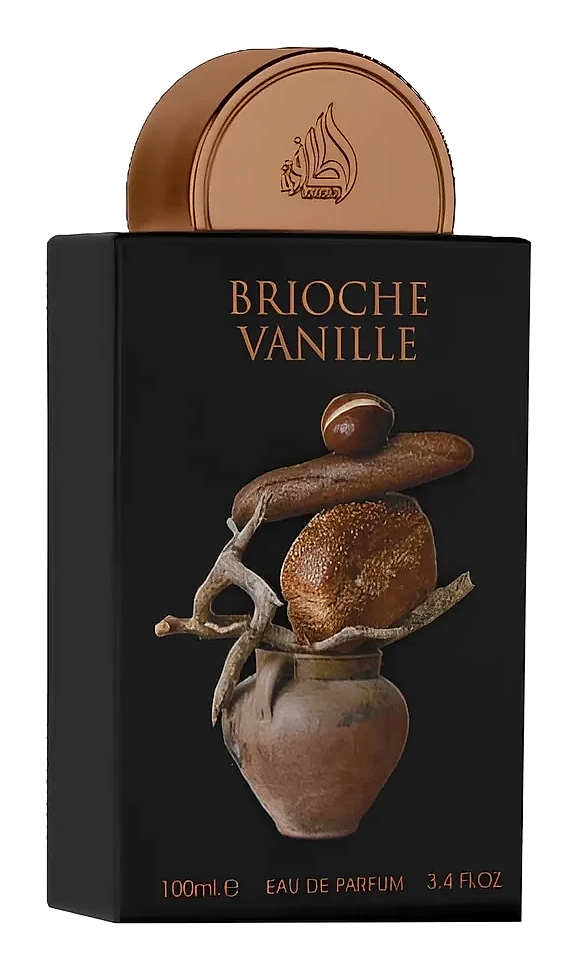
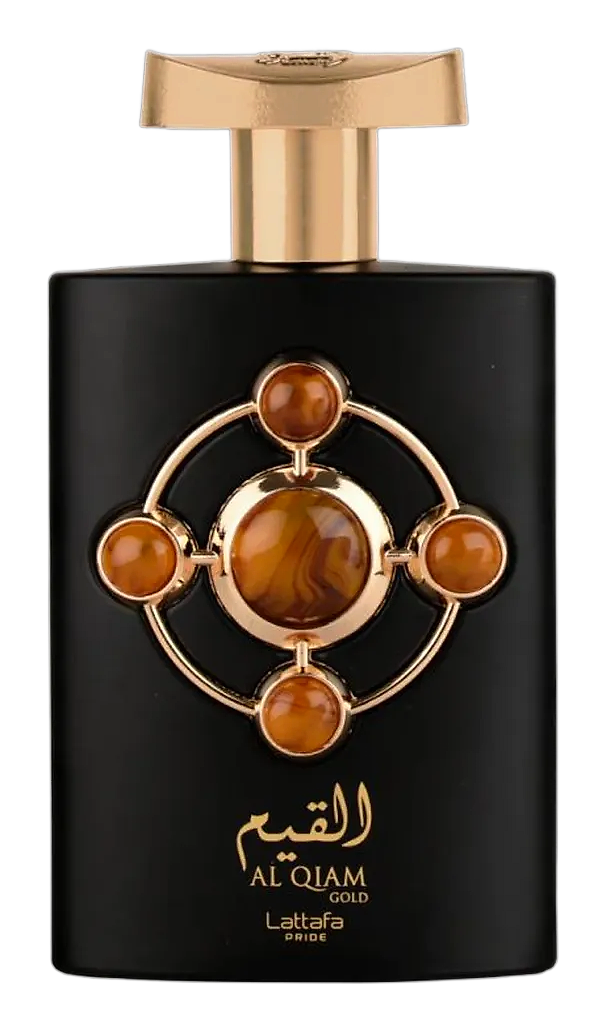
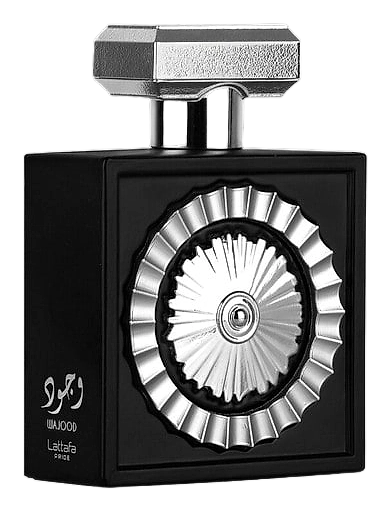
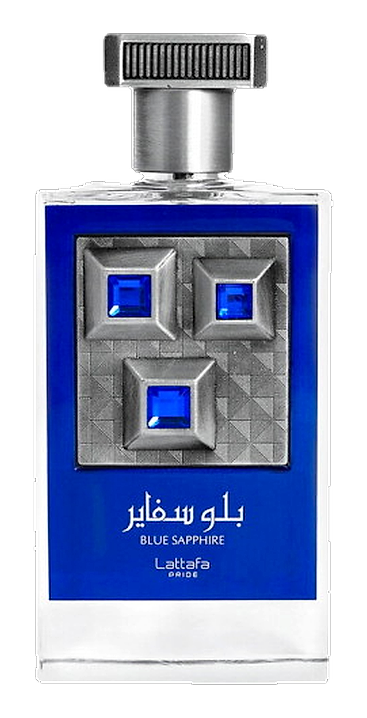
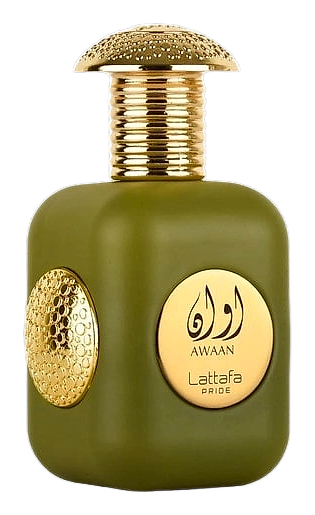
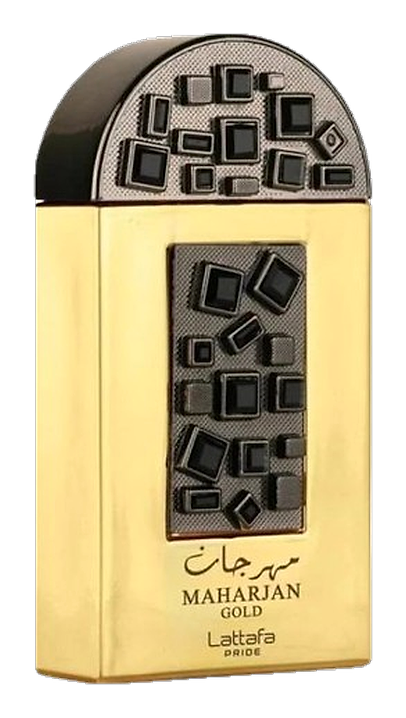
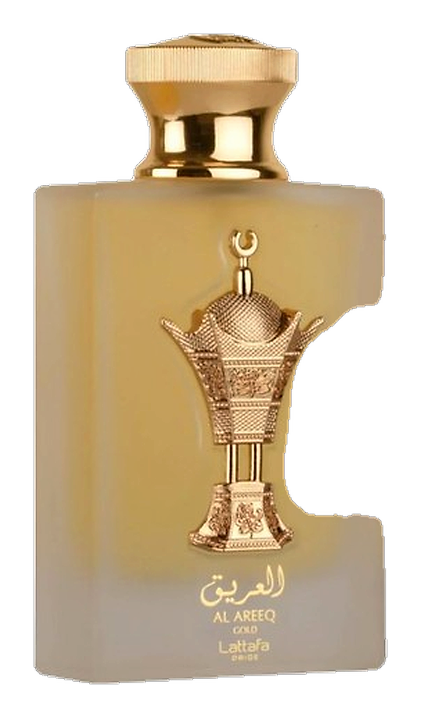
The story of Lattafa begins not in a Parisian atelier but in the vibrant souks of Dubai. In 1980, Sheikh Shahid Ahmad, alongside co-founder Shoaib Iqbal, established what would become one of the Middle East's most influential fragrance houses. Their vision was remarkably clear from the start: to create world-class perfumes that honored Arabian heritage while remaining accessible to everyday people. The name itself whispers this philosophy. Lattafa draws from the Arabic words Latif (gentle, kind) and Lateefa (pleasant), capturing the essence of what the founders wanted every customer to experience. This wasn't just commerce. It was cultural expression through scent. For the first decade, the company operated as a trading business focused on traditional Arabic perfumery: attar oils, bakhoor incense, and locally crafted fragrances that spoke to the region's deep olfactory traditions. By 1992, their reputation had grown enough to officially launch the Lattafa brand, expanding beyond the UAE into neighboring GCC countries. The house steadily built its name on a simple but radical premise: luxury should not be exclusive. While European houses charged premiums for their heritage, Lattafa invested in creating that same sense of opulence at a fraction of the cost. The real transformation came with social media's rise. Fragrance enthusiasts on TikTok and YouTube discovered what Middle Eastern consumers had known for years: Lattafa delivered astonishing performance and complexity for the price. When Khamrah launched and went viral in 2022, it introduced millions of Western consumers to the brand. Suddenly, everyone wanted to know about this Dubai house that made perfumes lasting twelve hours for under fifty dollars. Today, three generations of the Sheikh family guide the company. Their Dubai manufacturing facility produces scents exported to over 120 countries, making Lattafa one of the most significant democratizing forces in modern perfumery. Lattafa operates on a refreshingly straightforward philosophy: everyone deserves to smell expensive. The house rejects the notion that luxury fragrances must carry luxury price tags. This is not about cutting corners or producing cheap imitations. It is about reimagining what accessible opulence looks like in the twenty-first century. The founders believed that the rich olfactory traditions of Arabia, with their ouds and ambers and musks, should not be confined to those with deep pockets. Their approach blends respect for heritage with pragmatic modernity. Traditional Arabic perfumery emphasized potency. Scents were meant to project, to leave trails, to announce presence. Lattafa maintains this cultural value while adapting formulas for global palates. They understand that a fragrance must perform beautifully but also feel wearable to someone in London or Los Angeles who may never have experienced authentic Arabian perfumery. This balance between authenticity and accessibility defines their creative vision. They are not trying to be the next Chanel or Dior. They are proudly, unapologetically Lattafa: a house that proves generosity and quality can coexist.