White Tea
Discover white tea, one of the world's least processed teas, whose delicate down-covered buds yield a fresh, subtly sweet fragrance prized in modern perfumery for its clean, calming character.
Character
How it smells
The delicate essence of minimally processed tea buds
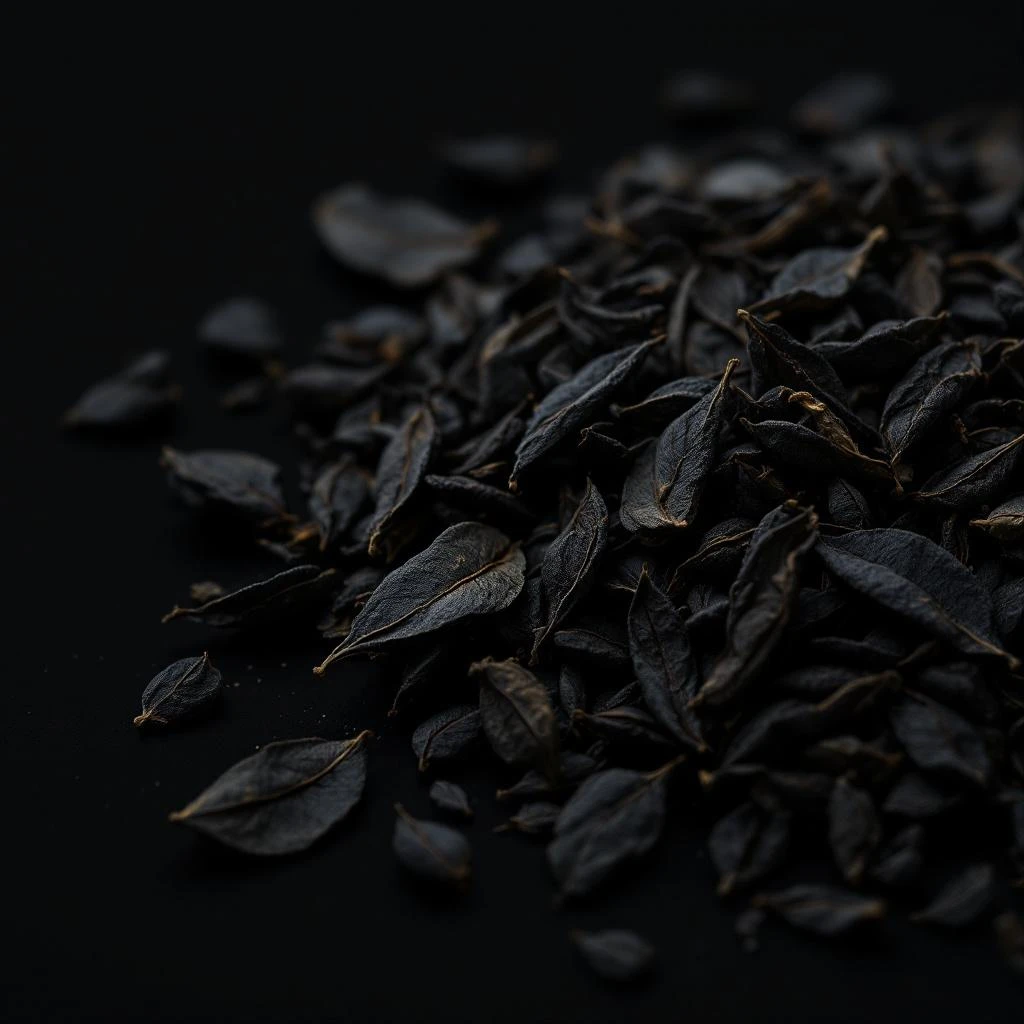
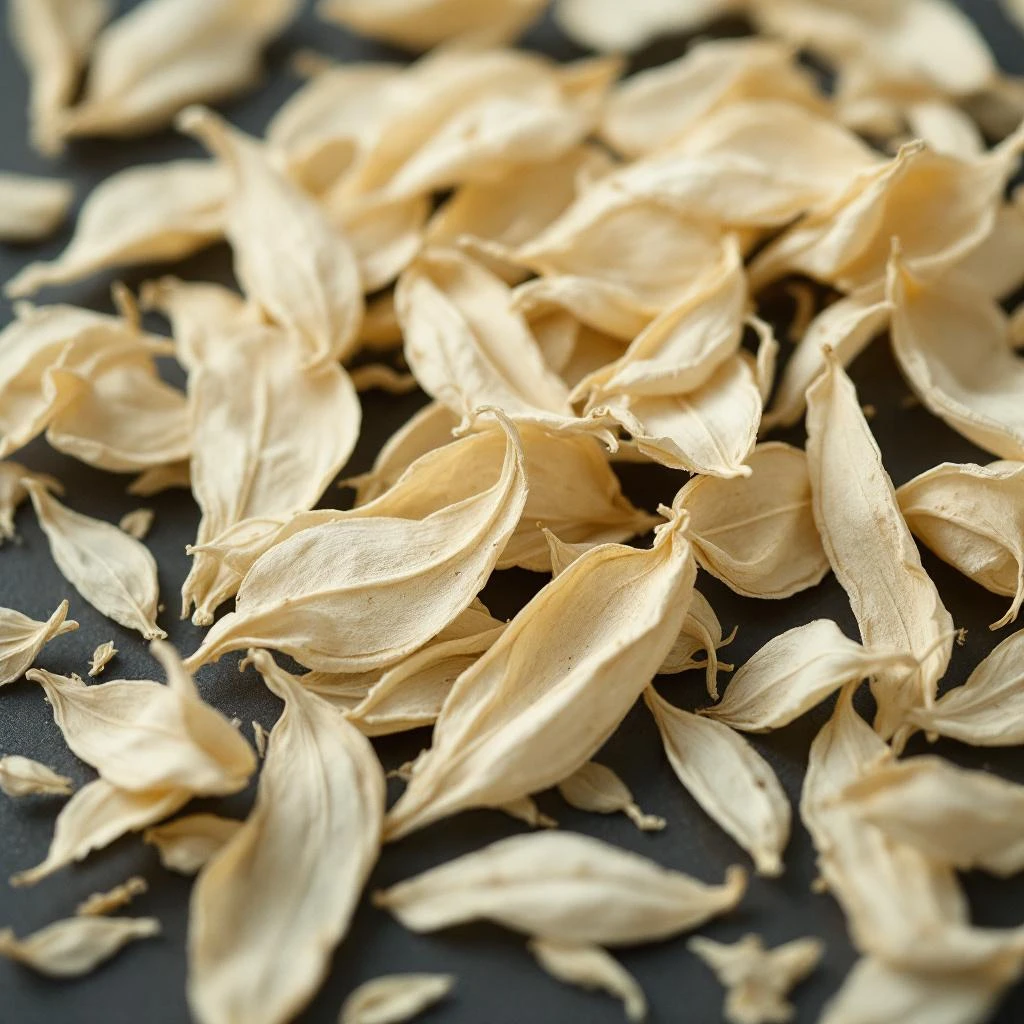
White tea gets its name from silvery down covering the buds, resembling snow on silver needles.








Origin
China
White tea carries one of the oldest documented lineages among Chinese teas. The earliest records appear during the Eastern Han Dynasty, when a young man named Yin Zhen brought homemade tea to Confucian master Xu Shen.
The master's residence filled with such rich aroma that he invited Yin Zhen inside to brew it. Xu Shen later annotated the character for tea in his classic dictionary, Shuowen Jiezi, describing its color, aroma, and taste.
The term "white tea" first appeared in Lu Yu's Tea Classic during the Tang Dynasty, referencing tea from mountains east of Yongjia County. Cultivation centered in Fujian Province's misty highlands, where cool temperatures and gentle rainfall nurture the prized buds into their distinctive silver-furred form, unchanged for centuries.
Wears it best
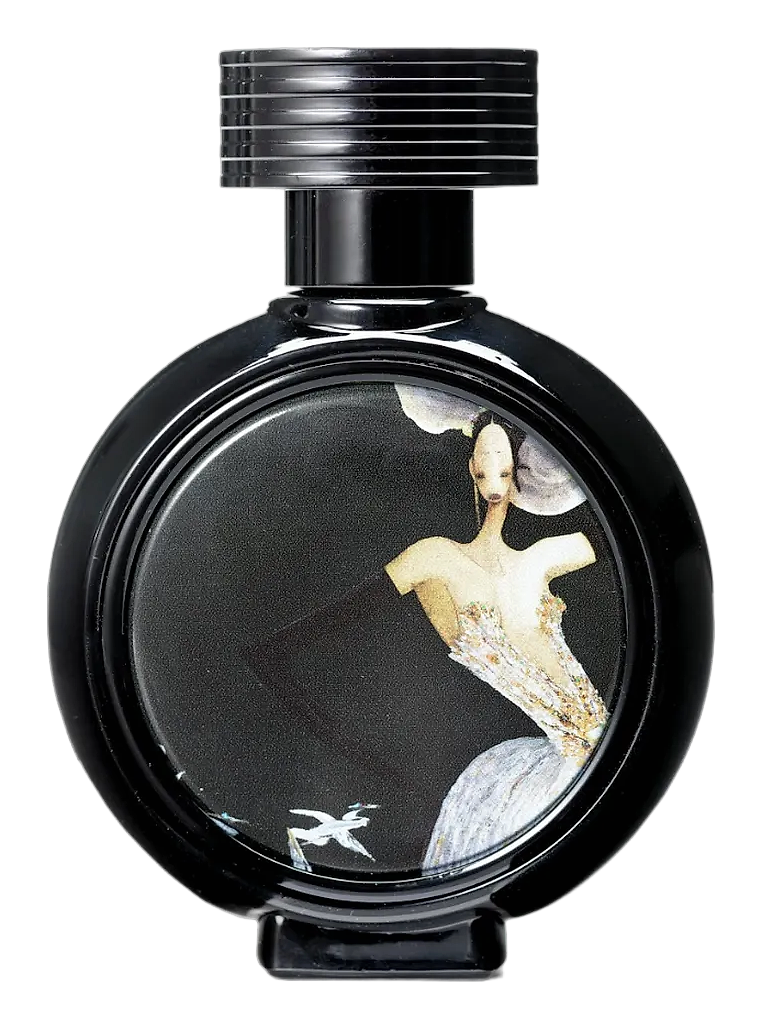
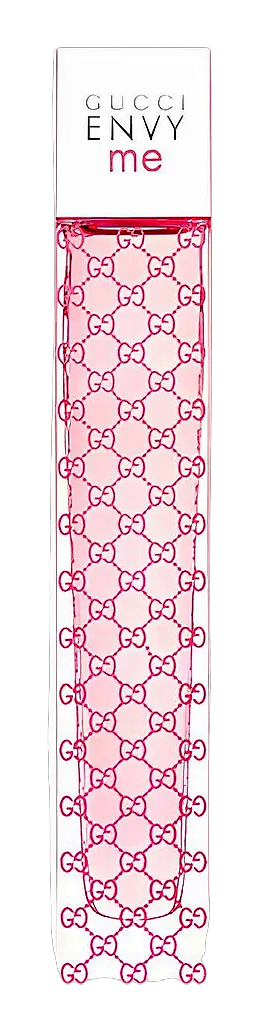
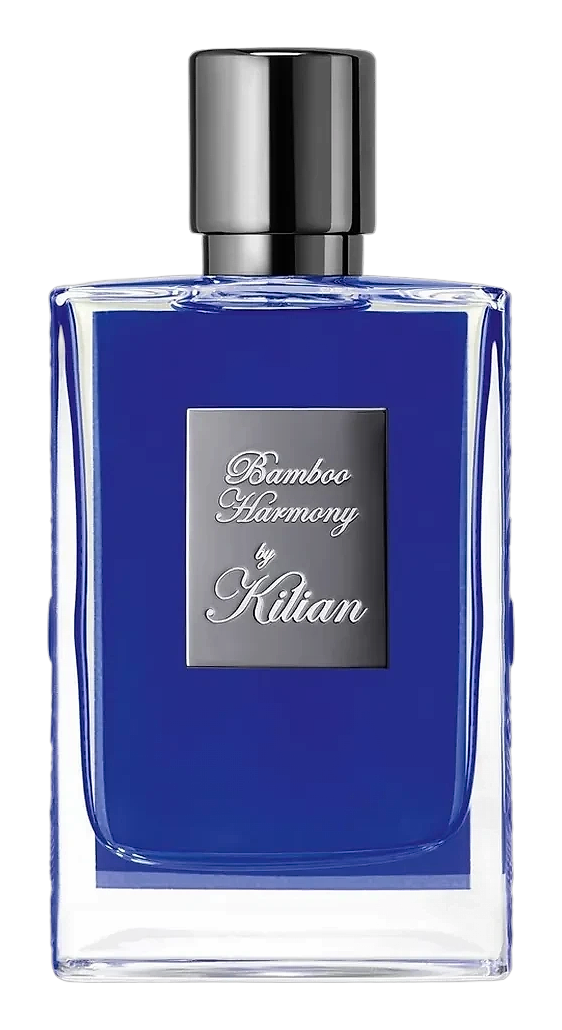
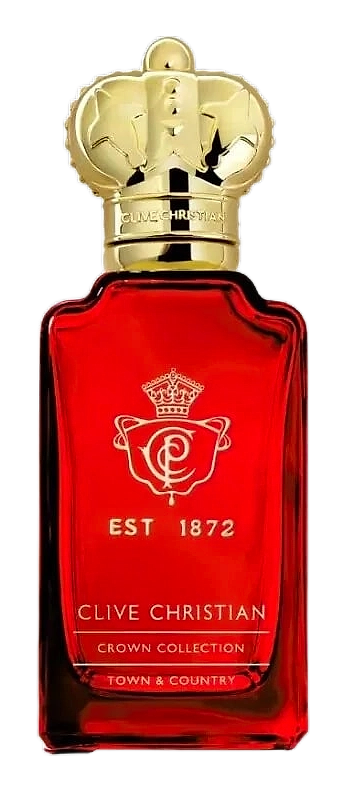
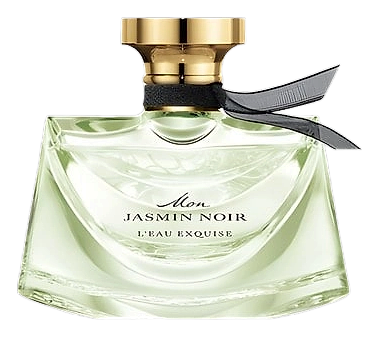
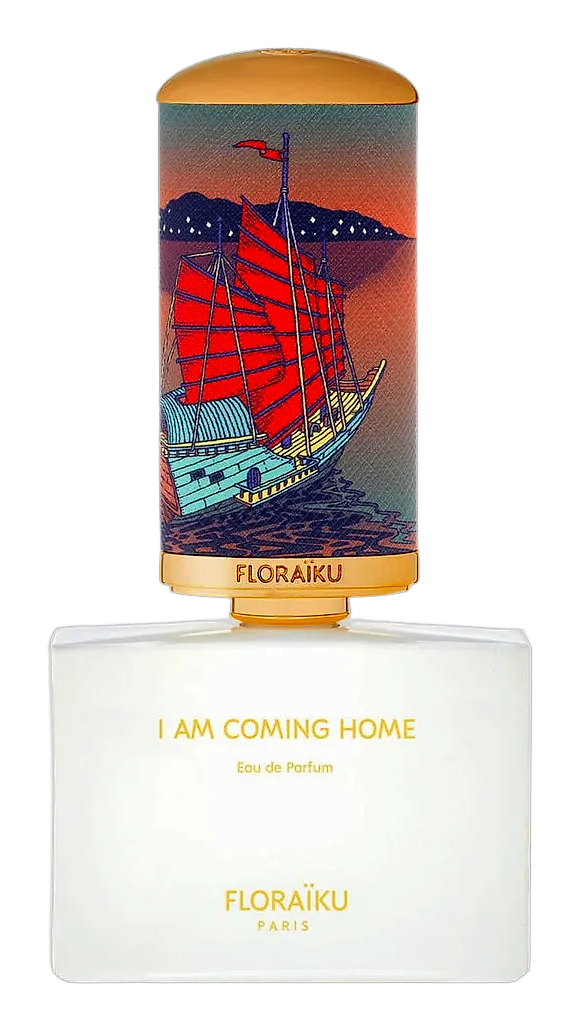
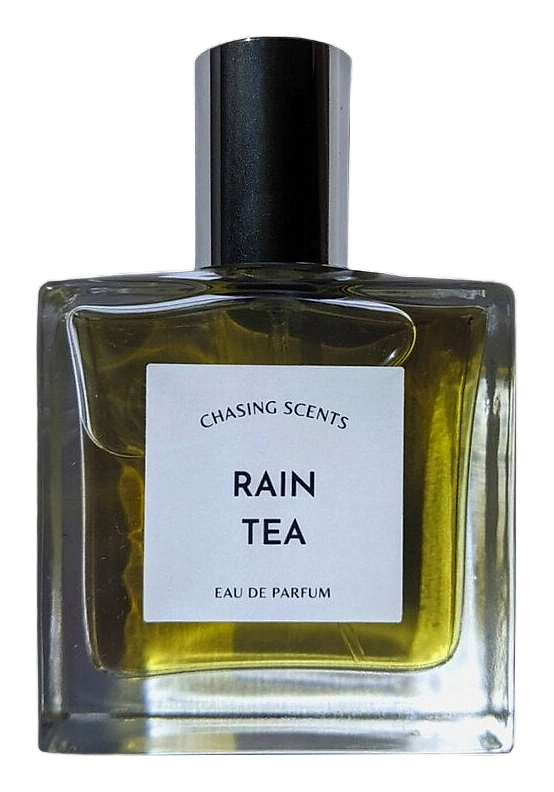
Fragrances featuring White Tea


Brands
Brands known for White Tea
Good to know
Questions, answered
The essentials on White Tea in perfumery: how it smells, where it comes from, and how it behaves on skin.
What does white tea smell like as a fragrance ingredient?
White tea fragrance presents a delicate, fresh, slightly sweet aroma reminiscent of newly picked tea leaves. It carries subtle green and floral nuances with a clean, calming character that works as an excellent bridge between citrus and floral notes.
Is white tea in fragrance natural or synthetic?
White tea fragrance is typically derived from natural tea extracts using supercritical CO2 or solvent extraction. Modern fragrance houses may also use nature-identical compounds to ensure batch-to-batch consistency while preserving the characteristic scent profile.
How long has white tea been used in perfumery?
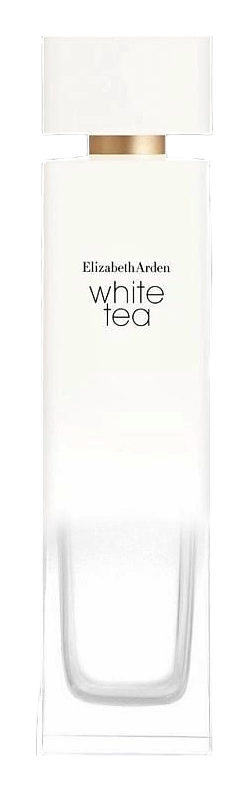
White tea emerged as a prominent fragrance note in the early 2000s. Elizabeth Arden's White Tea (2003) established it as a signature note in modern perfumery, though the ingredient itself has been prized in Chinese culture for over 2,000 years.
What fragrance families pair well with white tea?
White tea blends exceptionally well with florals like jasmine and lily of the valley, citrus notes, light musks, and woody accords. The Merchant of Venice White Tea demonstrates this versatility, combining the ingredient with bergamot, cedarwood, and sandalwood.
What are the key aromatic compounds in white tea?
The primary volatile compounds include linalool and its oxides, which contribute floral sweetness, along with phenylacetaldehyde for a honey-like nuance. These delicate compounds are preserved through minimal processing and careful extraction.
Can white tea fragrance be used in all product types?
White tea fragrance adapts well across product categories including fine fragrance, body care, and home products. The gentle character makes it particularly suitable for clean beauty formulations and products marketed as mild or natural.
Is white tea fragrance suitable for sensitive skin?
White tea fragrance is generally considered mild and well-tolerated. Its gentle profile makes it a popular choice for hypoallergenic formulations. As with any fragrance ingredient, a patch test is recommended for individuals with fragrance sensitivity.
Why is white tea considered special among tea types for perfumery?
White tea is the least processed of all tea varieties, preserving higher levels of bioactive compounds and delicate volatile aromas. The processing involves no fixing or rolling, only withering and gentle drying, which protects the subtle fragrance molecules that perfumers value.