Cypriol
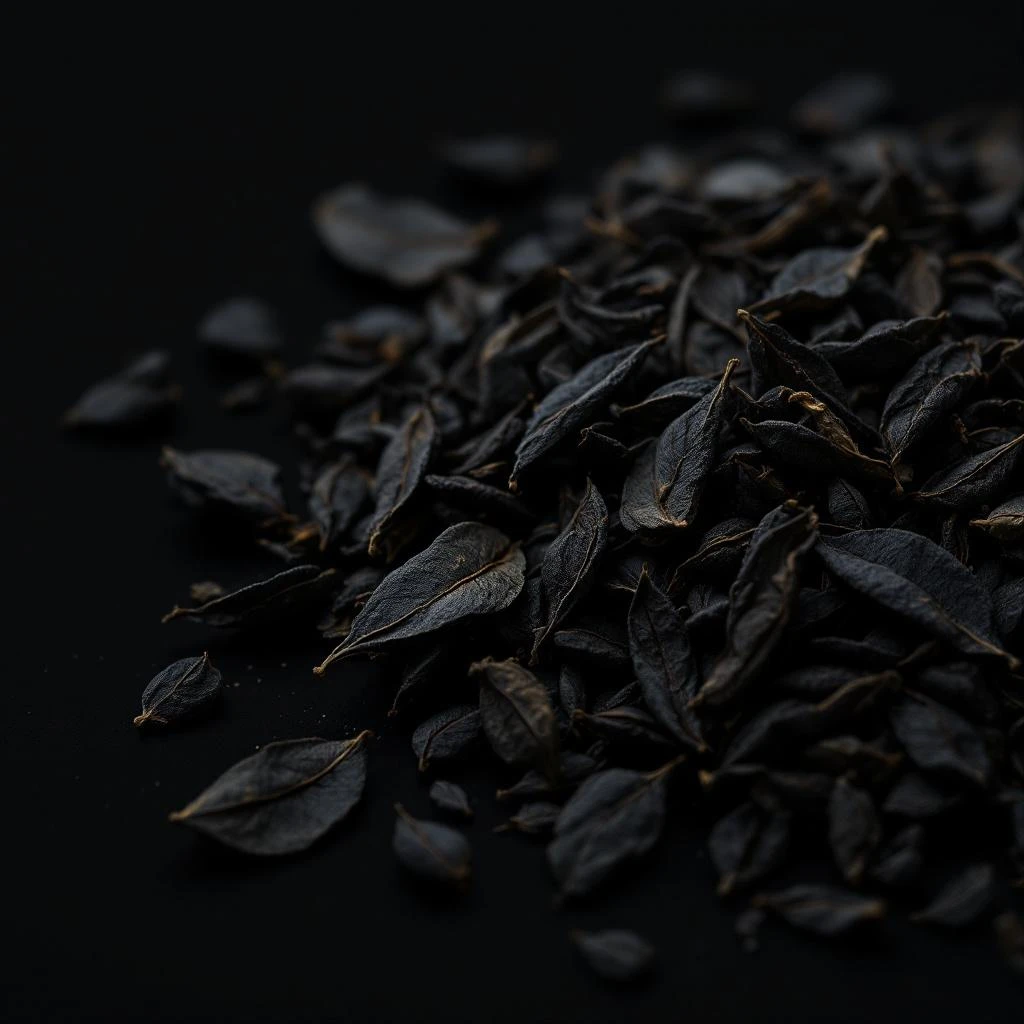
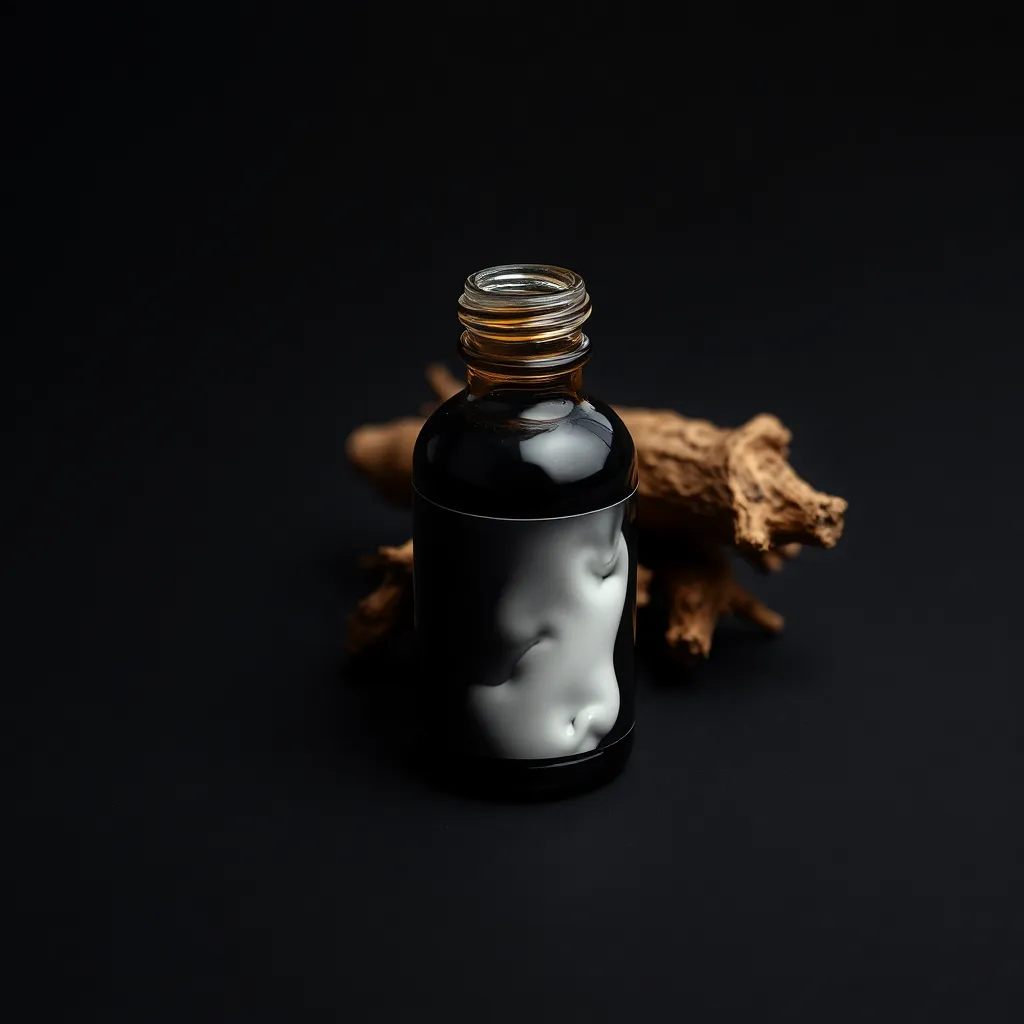
Cypriol oil smells like sun-warmed earth after rain: woody, smoky, and faintly sweet, with a leathery undertone. Distilled from the dried roots of a sedge grass, it anchors compositions that need depth without heaviness.
Character
How it smells
Smoke, soil, and sweetgrass in a single drop
Cypriol is called Nagarmotha in Hindi, literally 'snake root,' because cobras were said to nest among its tangled rhizomes in the wild.









Origin
India
Cypriol, also known as nagarmotha, carries a documented history stretching back more than three thousand years into Ayurvedic medicine, where the dried rhizomes treated digestive complaints, fever, and skin conditions. Ancient texts classified it among the 'costus' group of aromatics, a category valued enough to travel the Silk Road into Mediterranean markets by the first century CE.
Roman perfumers recognized the import as a fixative and smoky base note, blending it into heavy oriental unguents. When trade routes shifted, cypriol faded from European perfumery for centuries, remaining primarily an Indian and Southeast Asian material.
Its modern resurgence traces to the twentieth century, when perfumers like those documented in Steffen Arctander's 1960 reference work helped reintroduce it to Western fragrance houses as a natural alternative to synthetic smoke accords. Today it appears in niche compositions and mainstream launches alike, bridging ancient Ayurvedic tradition with contemporary scent design.
Wears it best
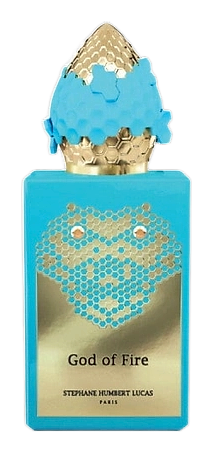
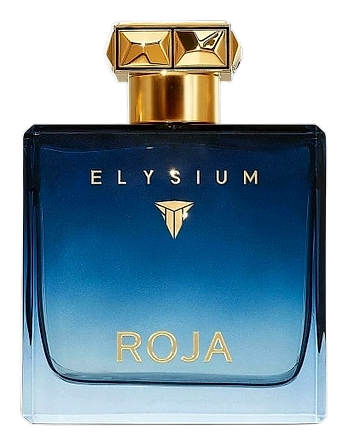
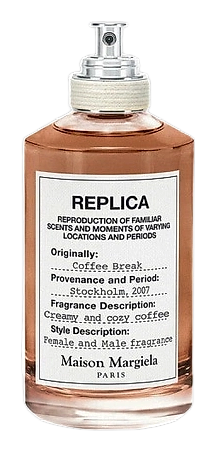
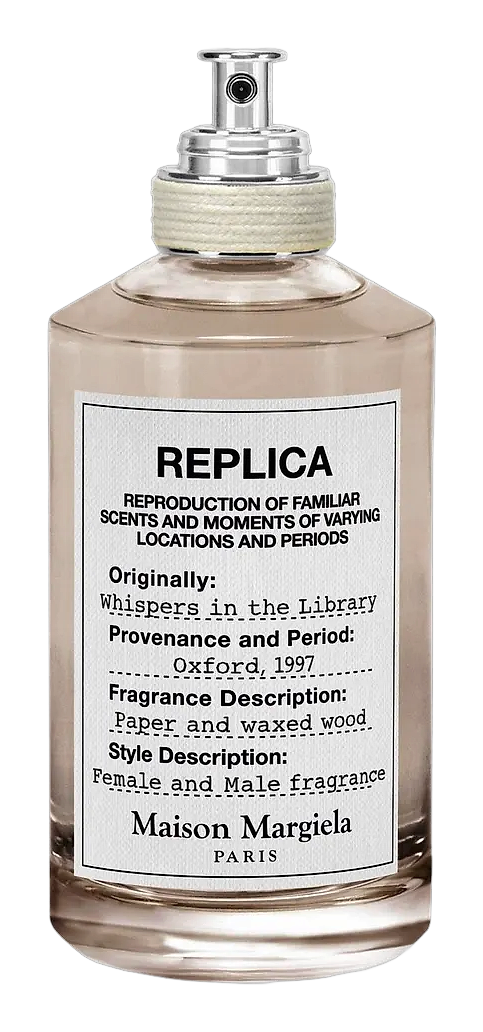
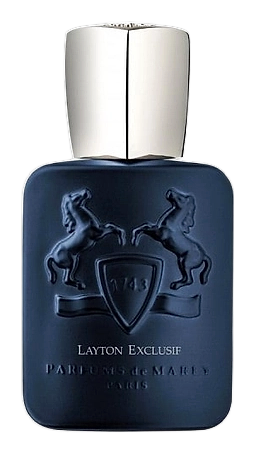
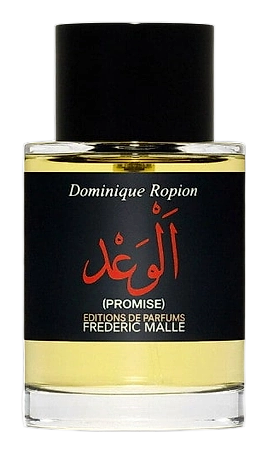
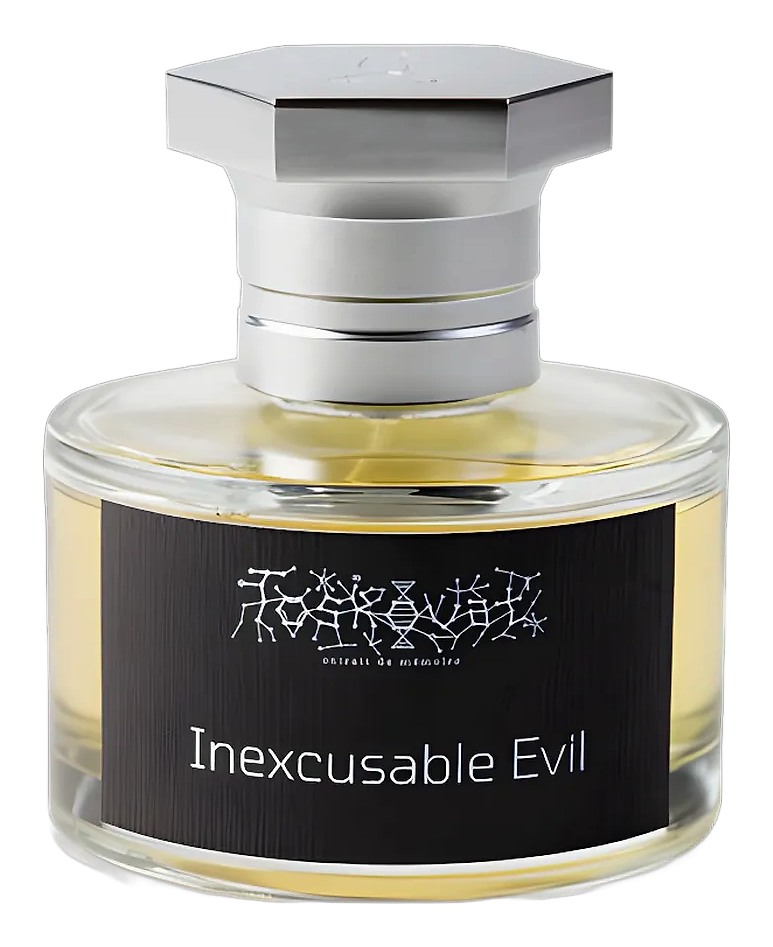
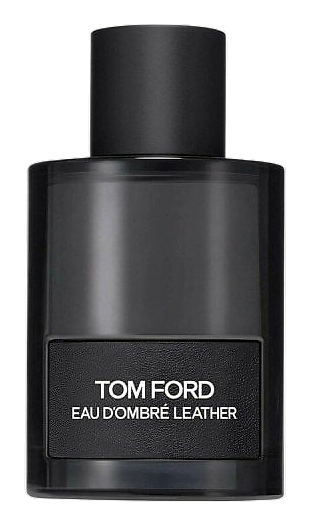
Fragrances featuring Cypriol


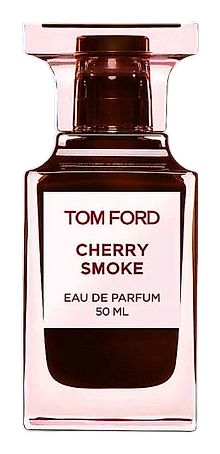
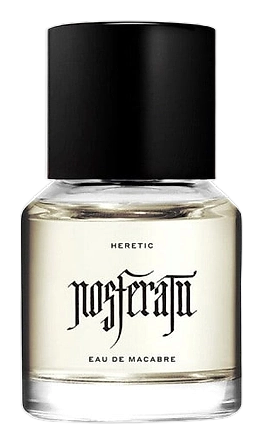
Brands
Brands known for Cypriol
Good to know
Questions, answered
The essentials on Cypriol in perfumery: how it smells, where it comes from, and how it behaves on skin.
What does cypriol smell like in perfume?
Cypriol smells woody, smoky, and earthy with subtle leather and sweetgrass notes. It functions as a base note, adding warm depth without the animalic intensity of oud or birch tar.
Is cypriol the same as nagarmotha?
Yes, cypriol and nagarmotha are two names for the same essential oil. Both come from the rhizomes of Cyperus scariosus, a sedge native to India and Bangladesh.
Where is cypriol oil produced?
India produces the majority of commercial cypriol oil, with Kannauj and West Bengal as key distillation hubs. The plant also grows wild across South and Southeast Asia.
How is cypriol oil extracted?
Producers extract cypriol oil through steam distillation of dried rhizomes. It takes approximately 35 to 50 kilograms of dried root to yield one kilogram of essential oil.
Is cypriol oil sustainable?
Cypriol can be sustainable when wild-harvested rhizomes regenerate naturally. Cultivated crops offer better traceability, though demand has increased harvesting pressure in some regions.
What are the main chemical components of cypriol oil?
The dominant constituents are sesquiterpenes, including cyperene, alpha-cyperone, and rotundene. These compounds contribute to the oil's characteristic smoky, woody character.
How long has cypriol been used in perfumery?
Cypriol appears in trade records along the ancient Silk Road and entered Roman perfumery by the first century CE. Ayurvedic practitioners used the root medicinally for over 3,000 years.
Can cypriol replace oud in a fragrance formula?
Cypriol offers a smoky, woody character similar to oud but at a lower price and without the barnyard notes. It works well in compositions seeking warmth, though it lacks oud's distinctive animalic depth.