Black Tea
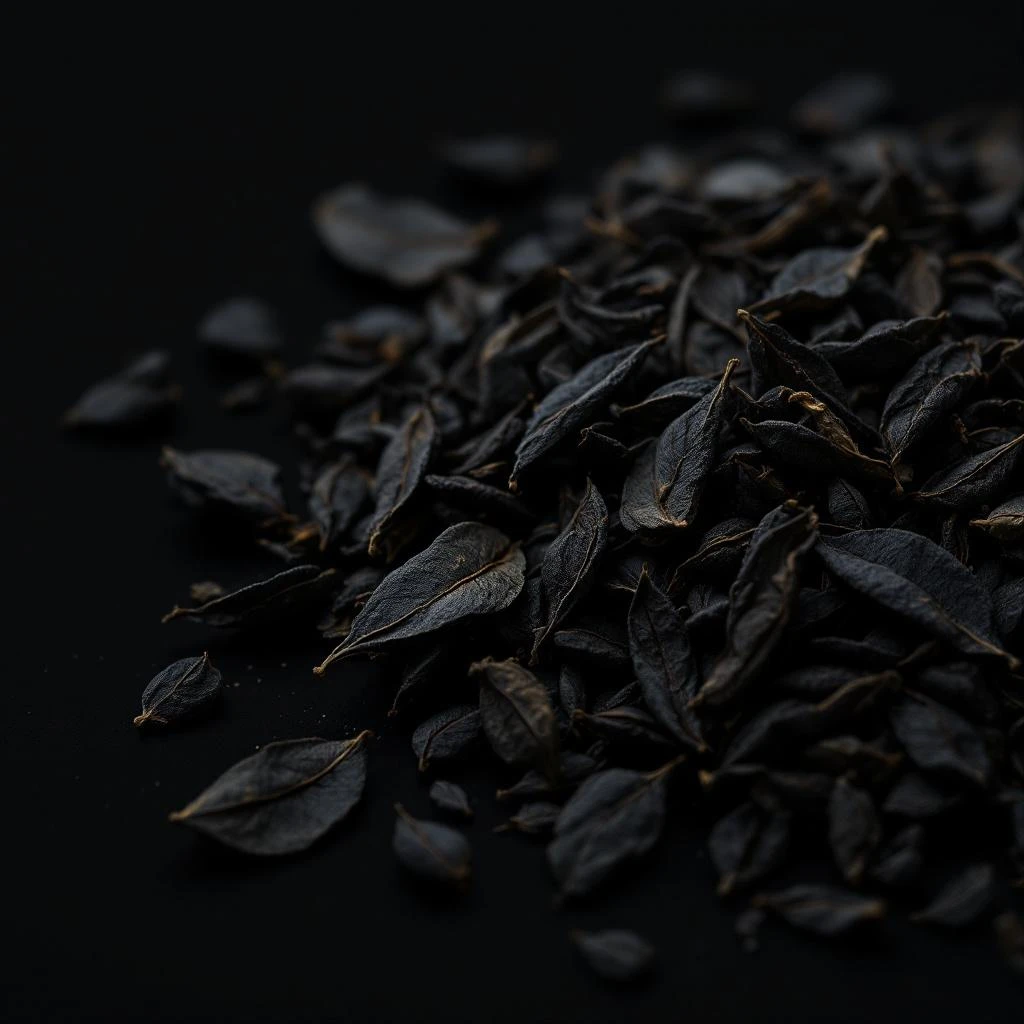
Black tea in perfumery reveals a dark, tannic accord: smoky, leathery, and faintly dry. Few ingredients capture the quiet warmth of a steeped cup so convincingly.
Character
How it smells
Steeped, smoky, tannic warmth.
Bvlgari Black (1998) rendered a steaming cup of black tea using guaiacol, a smoky-smelling molecule more commonly associated with roasted coffee and woodsmoke.








Origin
China
Black tea entered perfumery relatively late compared to citrus, rose, or incense. The first major tea fragrance came in 1992 when Jean-Claude Ellena composed Au Thé Vert for Bvlgari, a luminous green tea composition built on restraint and transparency. Six years later, Annick Menardo returned to the same house with Bvlgari Black, translating the genre into something warmer, smokier, and more opaque through guaiacol and leather accords.
These two launches established a template that subsequent perfumers have continued to explore: one branch chasing the clean, vegetal clarity of green tea; the other pursuing the fermented, tannic depth of black. While tea as a beverage traces back thousands of years to the hilly borderlands of southern China and northeastern India, its translation into fragrance required modern synthetic chemistry. The molecule guaiacol, isolated from woodsmoke and roasted substances, proved essential.
Today black tea appears across niche and mainstream launches alike, prized for its meditative dryness and its ability to give compositions a sense of stillness without austerity.
Wears it best
Fragrances featuring Black Tea


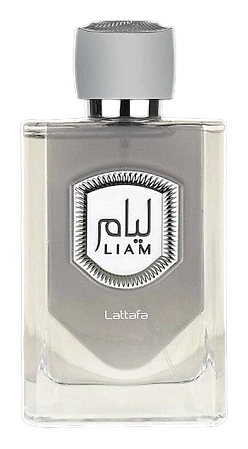

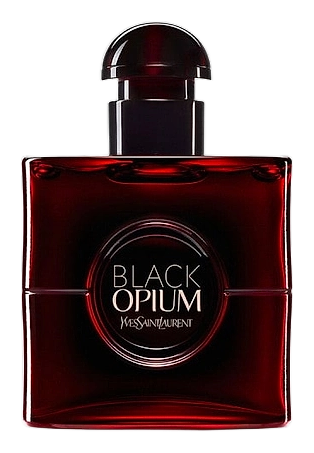
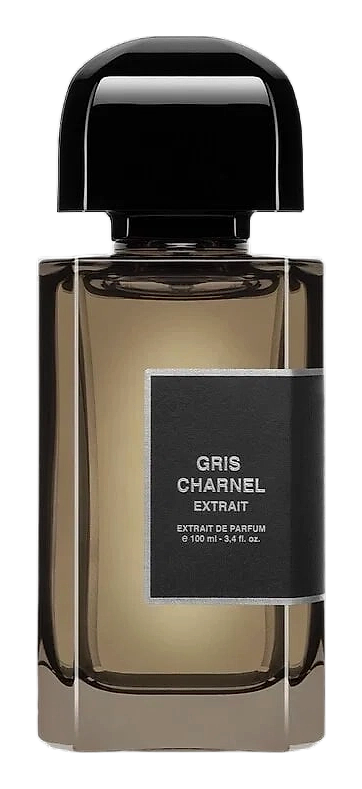

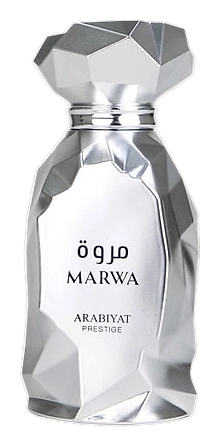
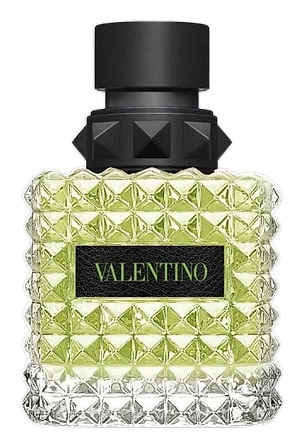
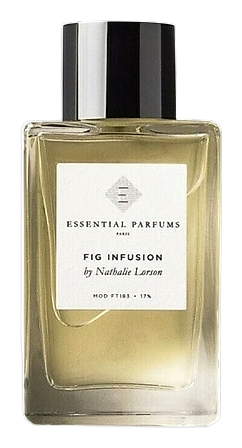
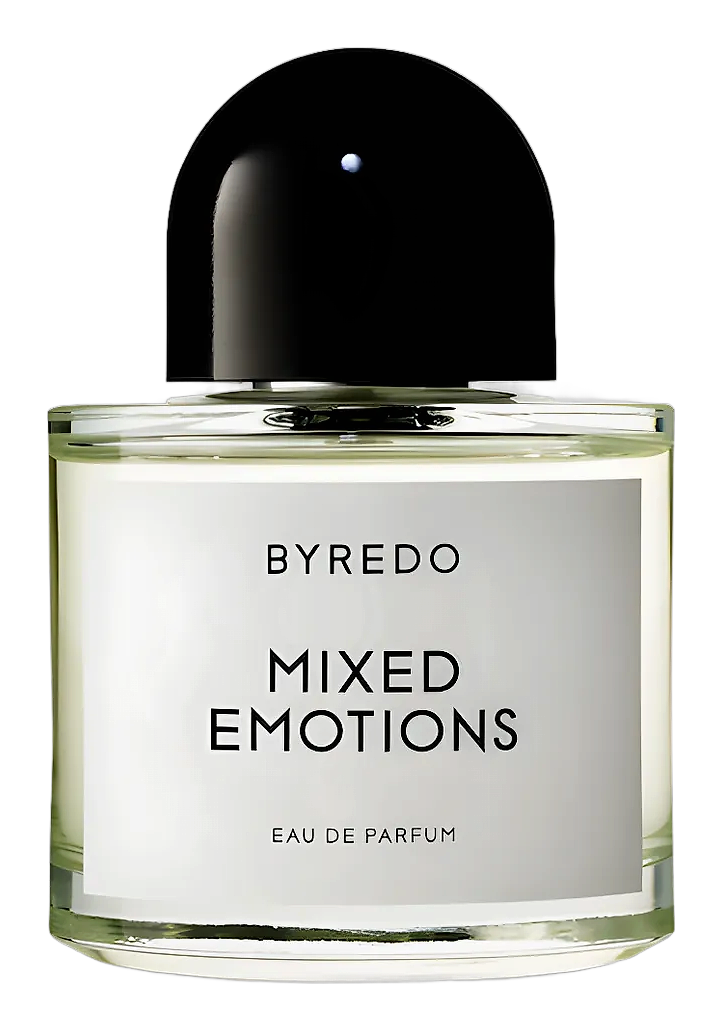
Brands
Brands known for Black Tea
Good to know
Questions, answered
The essentials on Black Tea in perfumery: how it smells, where it comes from, and how it behaves on skin.
What does black tea smell like in perfume?
Black tea reads dry, smoky, and tannic, with leathery depth and faint bitter warmth. It evokes steeped leaves rather than literal beverage, often landing closer to woodsmoke or cured leather than brewed tea.
Is black tea a natural or synthetic note in fragrance?
Most black tea notes are reconstructed synthetically because natural tea absolute is costly and scarce. Perfumers combine molecules like guaiacol and methylquinolines to capture its smoky-leathery profile efficiently.
Which perfume first featured black tea prominently?
Bvlgari Black (1998), composed by Annick Menardo, was the first major fragrance built around black tea. She rendered a dark, steaming cup primarily through guaiacol's rubbery, smoke-like character.
Does black tea come from the same plant as green tea?
Yes. Both black and green tea come from Camellia sinensis. The difference lies in processing: black tea leaves are fully oxidized, which develops its darker color and tannic, smoky flavor compounds.
Where is black tea originally from?
The tea plant Camellia sinensis originated in the hilly borderlands between southern China and northeastern India, including parts of Laos and Burma. Cultivation later spread across Sri Lanka, Kenya, and beyond.
Why is black tea used as a base note?
Black tea's smoky, tannic molecules act as fixatives, slowing the evaporation of lighter top notes while adding grounded depth. Their low volatility helps anchor an entire composition for hours.
What's the difference between black tea and green tea in perfumery?
Green tea notes aim for translucent, vegetal freshness using aldehydes and leafy accords. Black tea notes target darkness, smokiness, and tannic bite through guaiacol and leather-like materials.
Is black tea absolute expensive or scarce?
Black tea absolute is genuinely scarce. Fermented leaves yield very little extract through solvent methods, making the natural material expensive. This rarity is why most perfumers favor synthetic reconstruction.