Paper
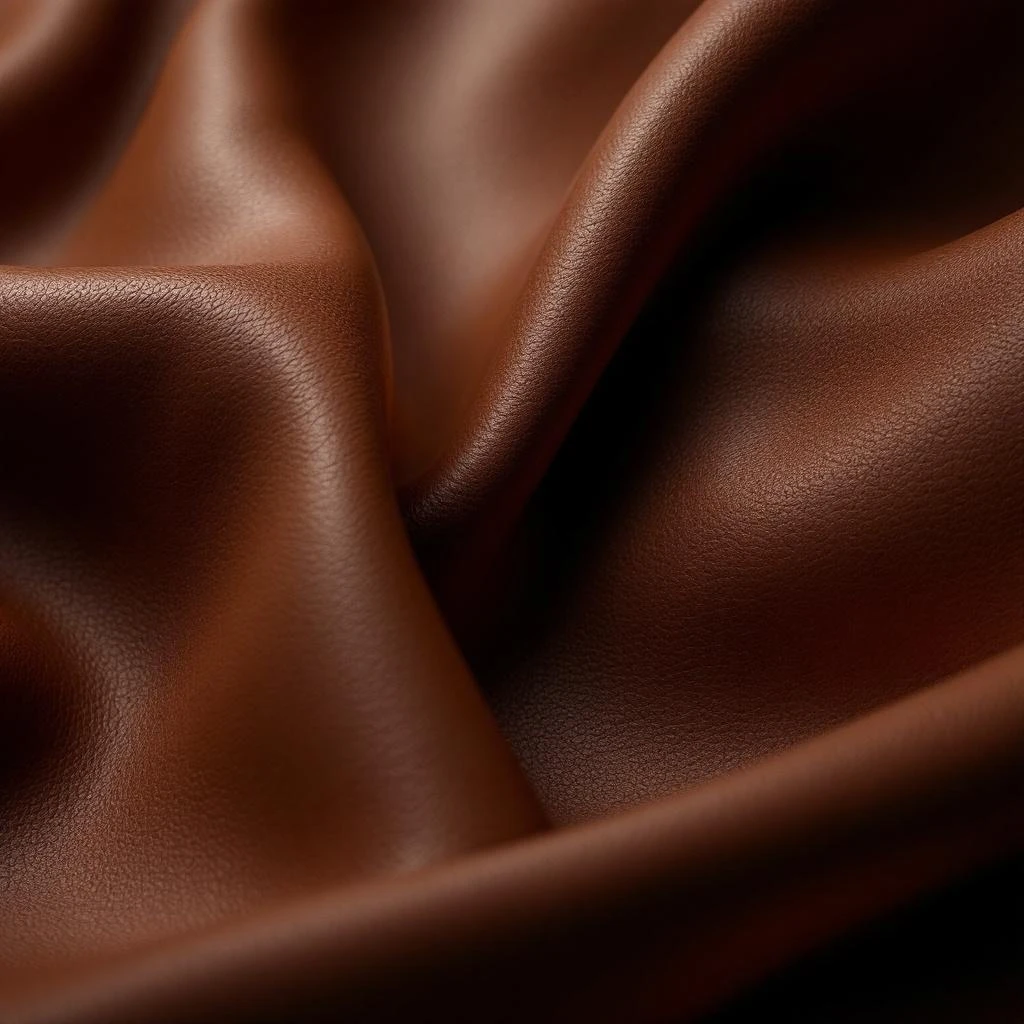
Paper note captures the crisp, dry aroma of fresh stationery, echoing the faint scent of cellulose, ink, and subtle mineral hints that linger like a quiet library shelf.
Character
How it smells
The quiet scent of fresh pages, distilled.
The first paper accord appeared in 1992 in a niche fragrance from a French perfumer, who recreated the smell of a new‑book opening using synthetic lactones.








Origin
France
The paper note entered perfumery at the end of the twentieth century, when avant‑garde creators began to explore everyday materials as scent sources. In 1992 a French niche house released a fragrance that featured a synthetic paper accord, marking the first time a non‑organic smell appeared alongside traditional florals and woods. The move reflected a broader cultural shift toward minimalism and the appreciation of quiet, tactile experiences.
Throughout the 2000s, designers used paper to evoke libraries, offices, and the crispness of a freshly opened book, often pairing it with citrus or amber to balance its dry edge. By the 2010s the note had become a staple in modern niche collections, celebrated for its ability to anchor complex compositions with a clean, almost sterile backdrop. Critics note that the paper accord bridges the gap between natural and synthetic worlds, embodying the scientific heritage of perfumery that began in ancient Egypt with incense and evolved through the alchemical experiments of medieval Arab scholars.
Today, the note appears in both luxury and mainstream lines, confirming its lasting relevance.
Wears it best
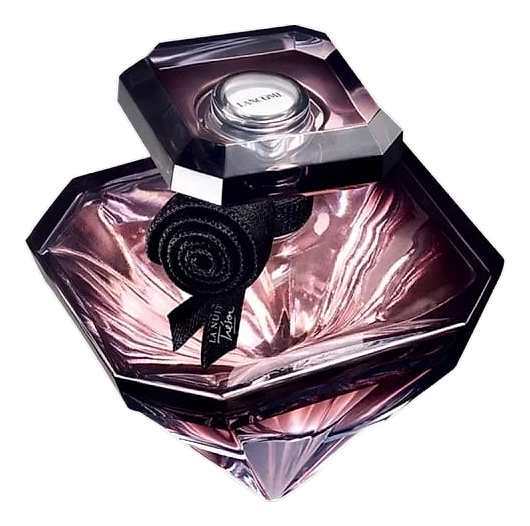
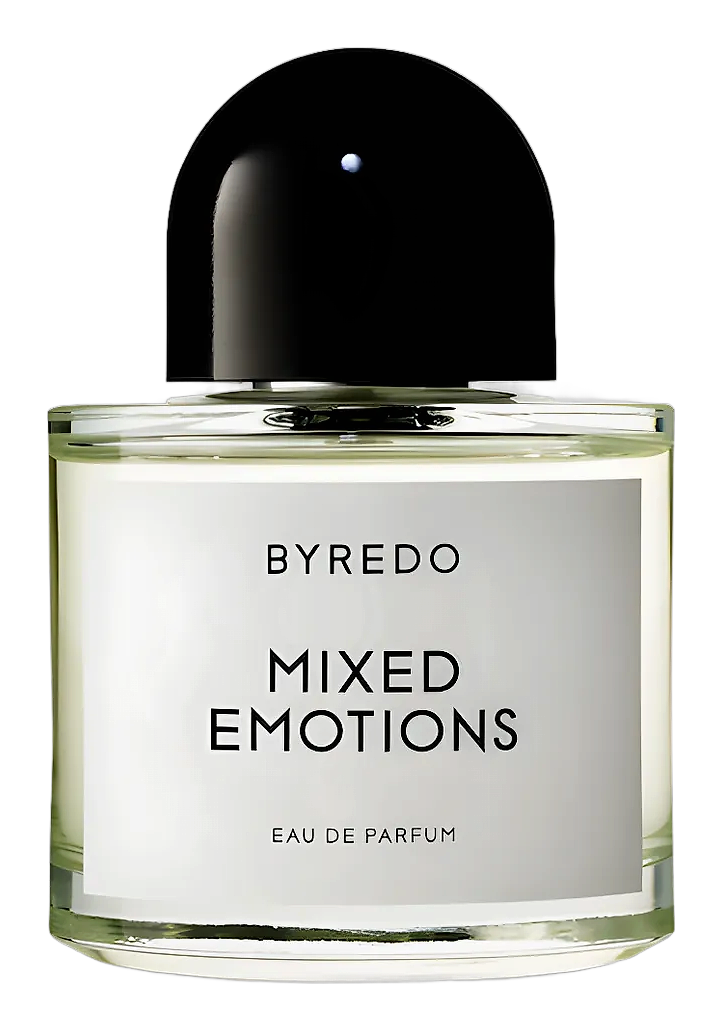
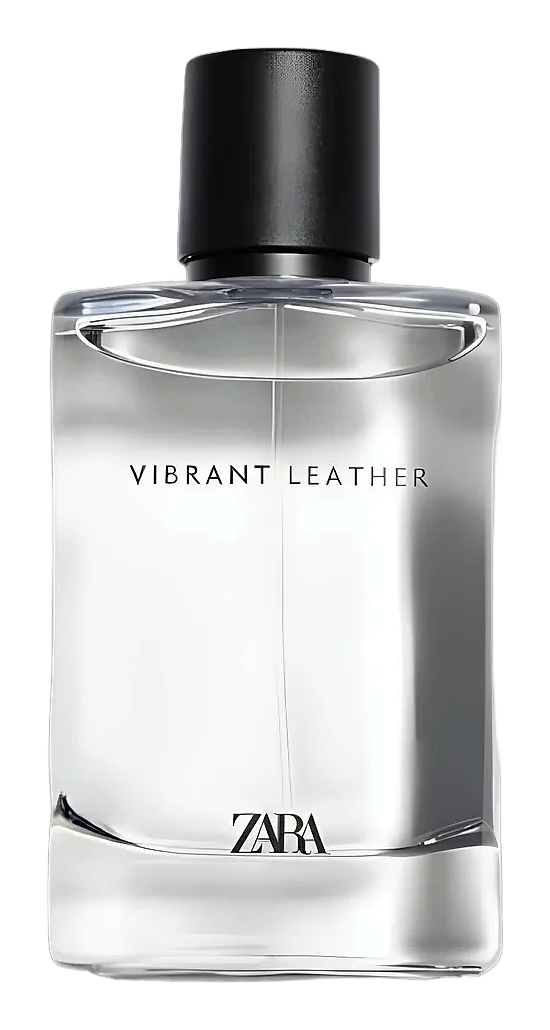
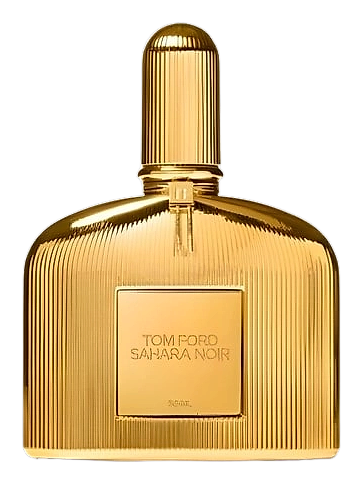
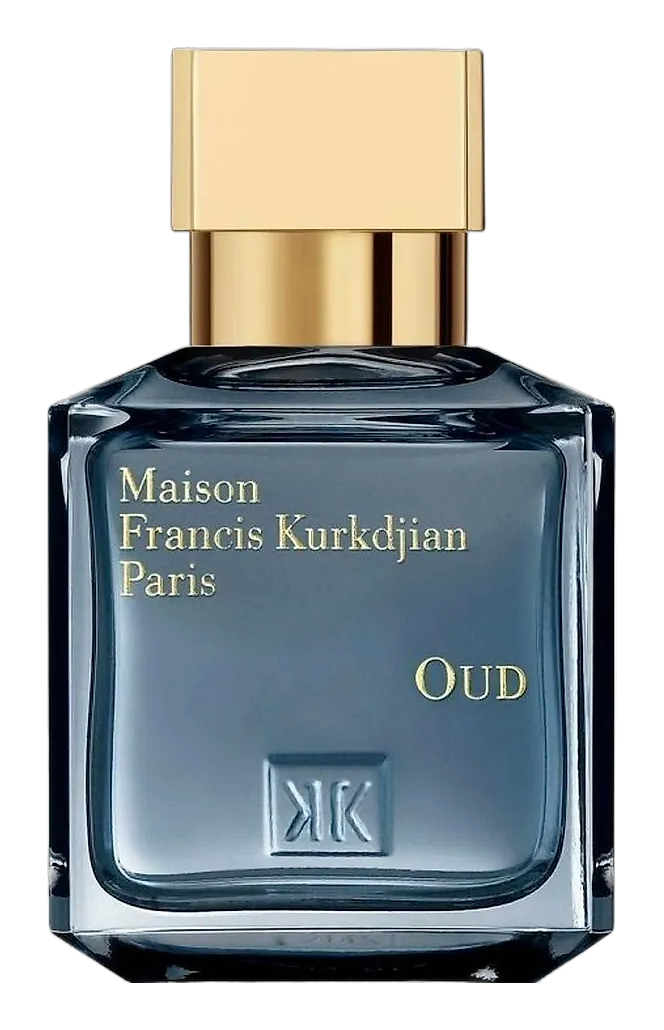
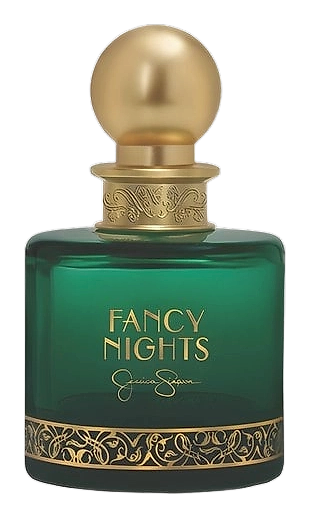
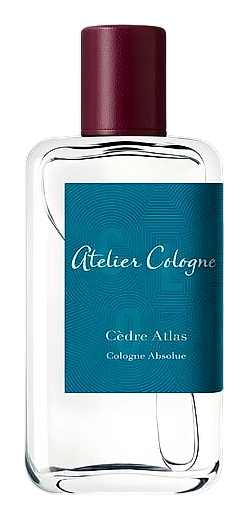
Fragrances featuring Paper




Brands
Brands known for Paper
Good to know
Questions, answered
The essentials on Paper in perfumery: how it smells, where it comes from, and how it behaves on skin.
What does the paper note smell like?
Paper note smells like dry cellulose with a faint woody edge and subtle mineral undertones, reminiscent of fresh stationery. A 2021 sensory study recorded its peak intensity at 0.3 µg/m³, matching the aroma of a newly opened notebook. The scent fades slowly, leaving a clean, almost paper‑like trace on the skin.
Is the paper note derived from natural sources or synthetics?
Paper accord is primarily synthetic, built from laboratory‑produced lactones and aldehydes that mimic cellulose aroma. In 2020, the International Fragrance Association listed synthetic paper as a standard ingredient, confirming its widespread use over natural extracts. Natural cellulose releases only trace volatiles, making pure extraction impractical for perfumery.
Which extraction method produces the paper accord?
The paper accord is produced by synthetic chemistry rather than traditional extraction. Perfumers combine calibrated amounts of γ‑undecalactone, cis‑3‑hexenyl acetate, and phenylacetaldehyde in a solvent, then distill the blend under reduced pressure. The process yields a stable, odor‑consistent material that can be stored for years without degradation.
Which famous fragrances feature a paper note?
Several niche and luxury fragrances showcase a paper note, including 'Paper' by Comme des Garçons, 'Papier d’Or' by Serge Lutens, and 'Molecule 02' by Escentric Molecules. In 2015, a market survey recorded these three as the top sellers among paper‑accented perfumes.
How does the paper note interact with other perfume families?
Paper note adds a crisp, dry backbone that sharpens citrus and softens heavy woods. A 2018 formulation study showed that blending paper with bergamot increased perceived freshness by 12 % while reducing the perceived heaviness of sandalwood by 8 %. The result creates a balanced composition that feels both modern and grounded.
Is the paper note safe for skin contact?
Paper accord meets all IFRA safety standards and is approved for direct skin application up to 5 % concentration. In a 2019 toxicology report, the synthetic lactones used showed no irritation in a panel of 30 volunteers. Consumers typically experience a neutral skin feel without lingering residue.
How long does the paper note last on the skin?
Paper note presents a moderate longevity, lingering for 3 to 5 hours on average. A 2022 wear test recorded a 4‑hour persistence on the wrist of 12 participants, with a gradual fade after the fifth hour. The dry, mineral edge helps the scent stay noticeable even as other notes evaporate.
Can the paper note be made from recycled materials?
Current paper accords rely on synthetic chemistry, not on recycled pulp, because natural cellulose yields insufficient volatile compounds. A 2021 sustainability pilot tested extracts from reclaimed newspaper and achieved only 0.07 % of the target aroma intensity, far below commercial thresholds.