Violet
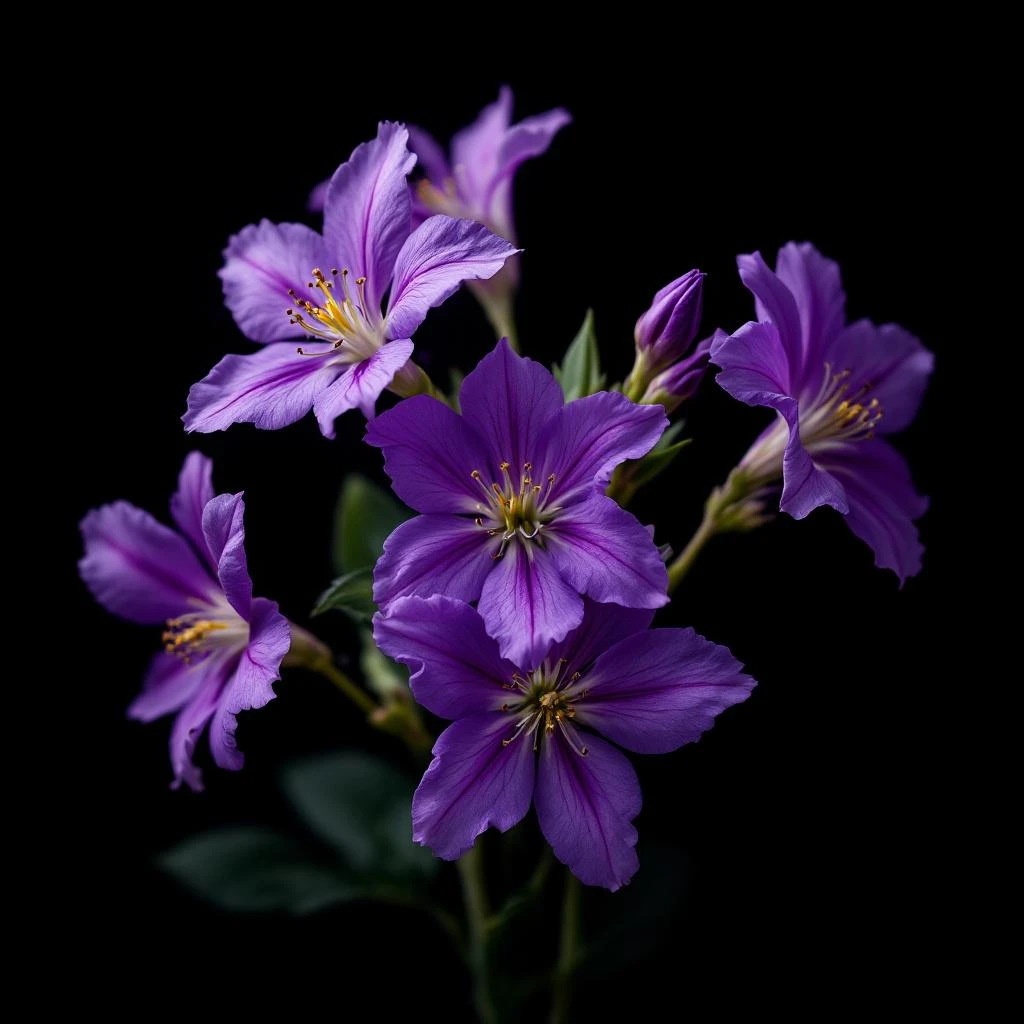
Violet is a powdery, sweet floral with green, dewy undertones. Long prized in perfumery, its scent defies simple extraction, making it one of the most fascinating mimetic substances of the plant world.
Character
How it smells
The flower that hides its scent
Violet flowers are called 'mute flowers' because the main aroma molecules, ionones, deactivate the human olfactory receptors within seconds, temporarily causing the scent to vanish.









Origin
France
Violet fragrance traces back to antiquity, when Greeks and Romans crowned banquet guests with its blooms. The flower gained imperial status when Marie Louise, Duchess of Parma and Napoleon's second wife, cultivated an obsession with Parma violets in the early 1800s. Her devotion elevated the bloom across European courts.
By the late 19th century, violet reigned supreme in perfumery. The late Victorian and Belle Époque phases could legitimately be called the Violet Era, when violet-scented everything from perfume to candy saturated the market. Parfums marketed the scent as refined, feminine, and modern.
The challenge was always the flower itself: it released almost no essential oil through distillation. The breakthrough came in 1893 when German chemist Ferdinand Tiemann synthesized alpha-ionone, a ketone that captures violet's signature powdery character. By 1898, this synthesis was refined and commercialized. The discovery democratized violet, allowing perfumers worldwide to incorporate its scent without the impossible cost of natural extraction.
Production of violet leaf for perfumery began in 1867 in Grasse, France. Today, Egypt has become the dominant producer, though violet's cultural cachet traces back to those French and Italian fields where the Violet Era first bloomed.
Wears it best
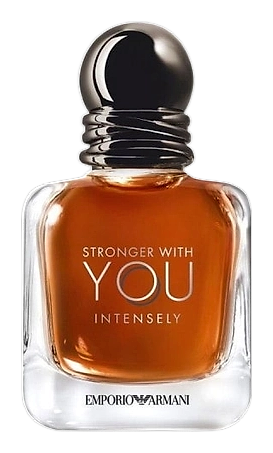
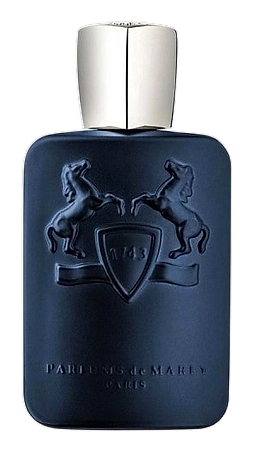
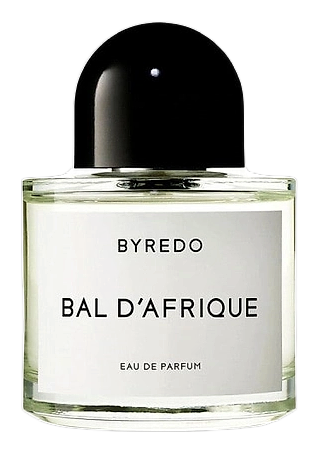
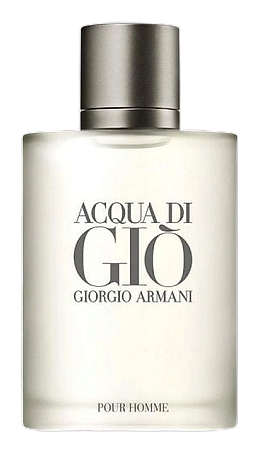
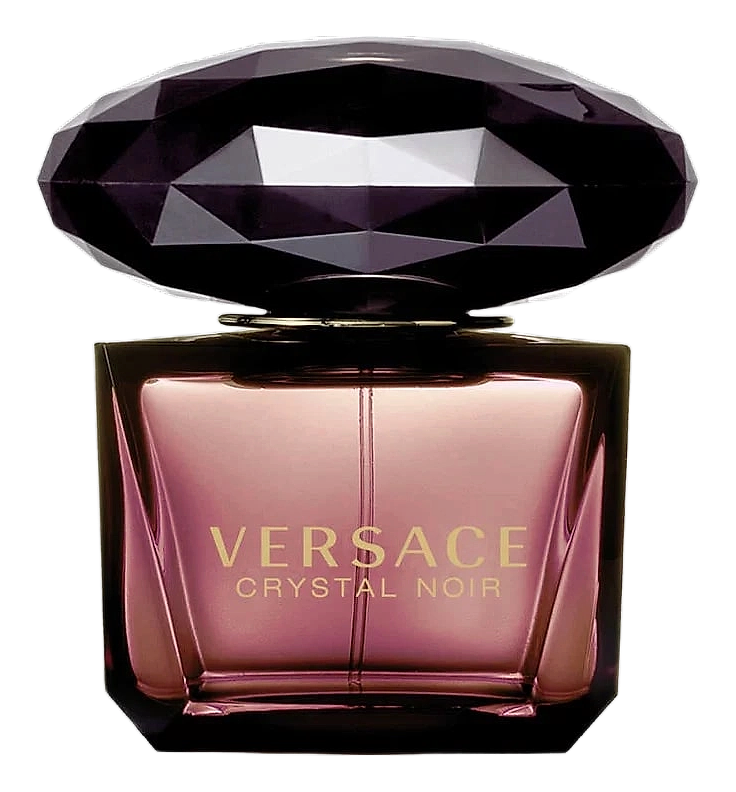
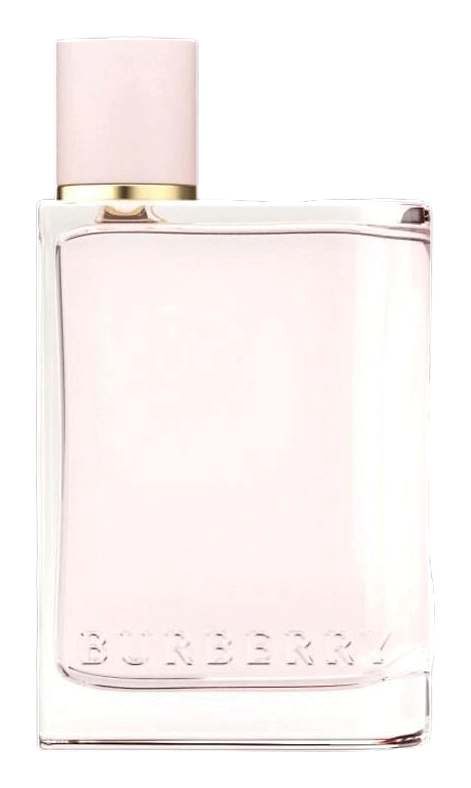
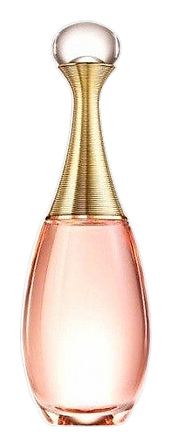
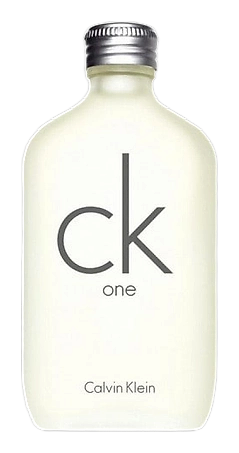
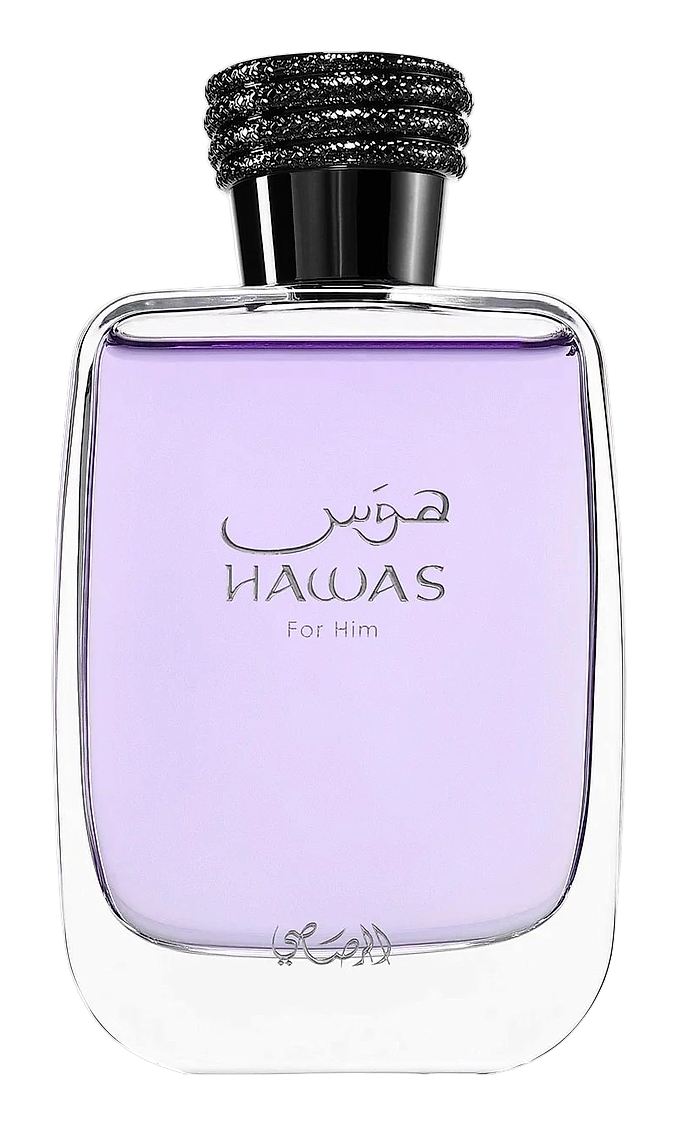
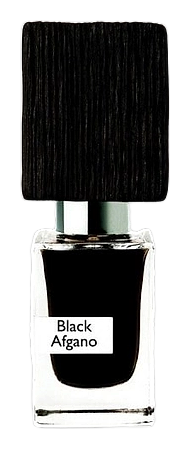
Fragrances featuring Violet
Brands
Brands known for Violet
Good to know
Questions, answered
The essentials on Violet in perfumery: how it smells, where it comes from, and how it behaves on skin.
What does violet smell like in perfume?
Violet smells powdery, sweet, and slightly green, with a soft, dewy quality reminiscent of crushed petals. The scent also carries a subtle candy-like or orris root character. Modern formulations rely on synthetic ionones to replicate this distinctive profile affordably.
Why is violet called a mute flower?
Violet earns the term mute flower because its primary aroma molecules, ionones, temporarily deactivate the human olfactory receptors after initial exposure. The scent literally disappears within seconds, causing brief scent blindness to its own fragrance.
Is violet absolute natural or synthetic?
Both forms exist. Natural violet leaf and flower absolutes come from Viola odorata through solvent extraction. Synthetic versions use alpha-ionone and beta-ionone, first created in 1893. Most modern perfumes use synthetic ionones due to the prohibitive cost of natural absolute.
Where is violet leaf absolute produced?
Egypt is currently the largest producer of violet leaf absolute. Production for French perfumery began in 1867 in the Grasse region of Provence, but output has largely shifted to Egypt, with France and Italy continuing smaller-scale operations.
How much violet flower is needed for one kilogram of absolute?
Producing one kilogram of violet flower absolute requires approximately 10,000 to 14,000 kilograms of fresh blossoms. This staggering ratio makes natural violet flower absolute one of the most expensive and labor-intensive ingredients in classical perfumery.
What is the history of violet in perfumery?
Violet perfumery dates to ancient Greece and Rome, but reached peak popularity in the late 1800s during the Belle Époque. Marie Louise, Duchess of Parma, helped popularize the scent in the early 1800s. The synthesis of ionones in 1893 made violet affordable and widespread.
What are ionones and why do they matter?
Ionones are aromatic ketones responsible for violet's characteristic scent. Alpha-ionone and beta-ionone were first synthesized by Ferdinand Tiemann in 1893. These molecules made violet fragrance commercially viable, replacing costly natural extracts with consistent, affordable synthetic alternatives.
What perfumes use violet as a key note?
Violet appears as a key note in numerous classic and contemporary compositions, particularly in powdery, floral, and chypre families. Historical violet-dominant fragrances from the late 19th and early 20th centuries shaped an entire era of European perfumery, establishing violet as a staple note.



