Mandarin
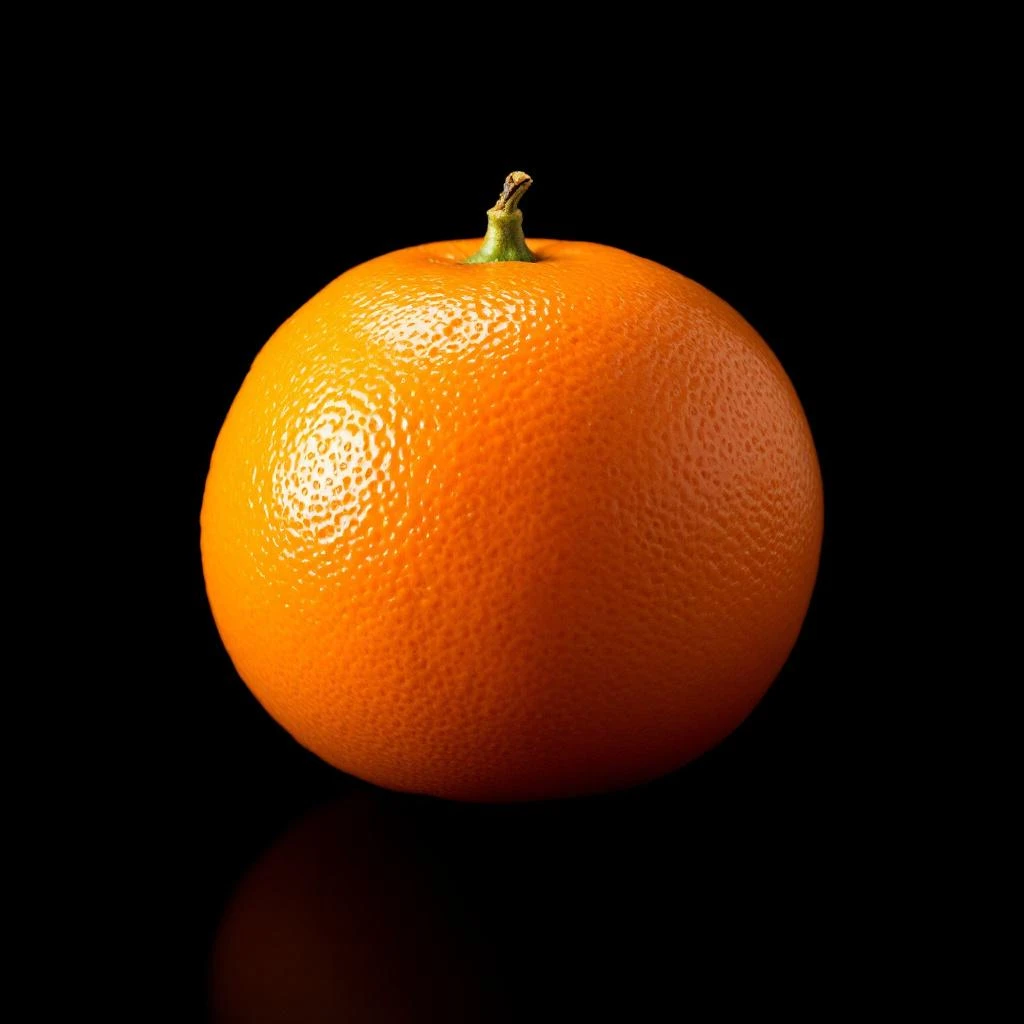
Mandarin captures sunshine in a peel—bright, sweet, and irrepressibly fresh. This beloved citrus note awakens fragrances with its juicy optimism, grounding ephemeral top notes with warmth that lingers.
Character
How it smells
Citrus with a honeyed soul.
The mandarin takes its name from the官 color of Chinese officials' robes—its bright hue once symbolized status and prosperity.









Origin
China
The mandarin tree originated in China, where its name derives from the color of imperial officials' robes. Chinese cultivators developed the fruit over centuries, valuing its easy-to-peel rind and sweet segments. Portuguese traders first encountered the citrus in the 16th century and introduced it to European courts, where it quickly became a luxury gift.
By the 1800s, mandarin cultivation spread across the Mediterranean, particularly to Italy and Spain. British traders later carried seeds to the Americas, where Brazil and Argentina became major producers. In perfumery, mandarin joined the citrus palette alongside bergamot and bitter orange, though it gained prominence only in the 20th century as extraction techniques improved.
The fruit's association with good fortune during Chinese New Year persists, and its oil remains a cornerstone of bright, contemporary fragrances worldwide.
Wears it best
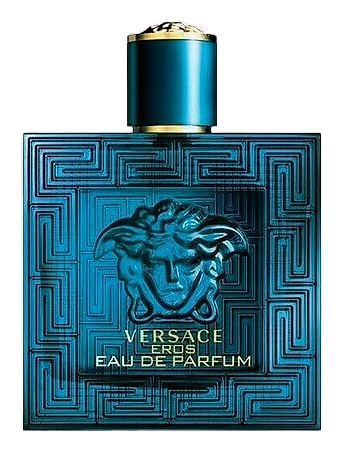
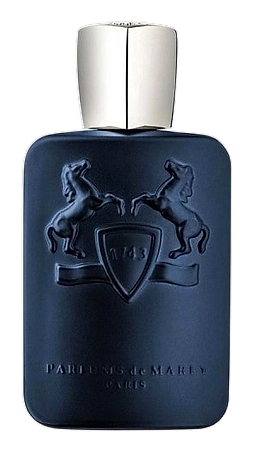
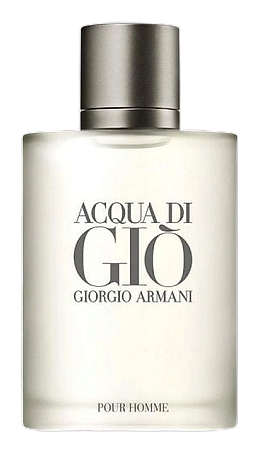
Fragrances featuring Mandarin

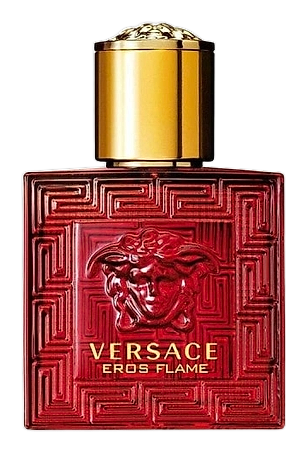
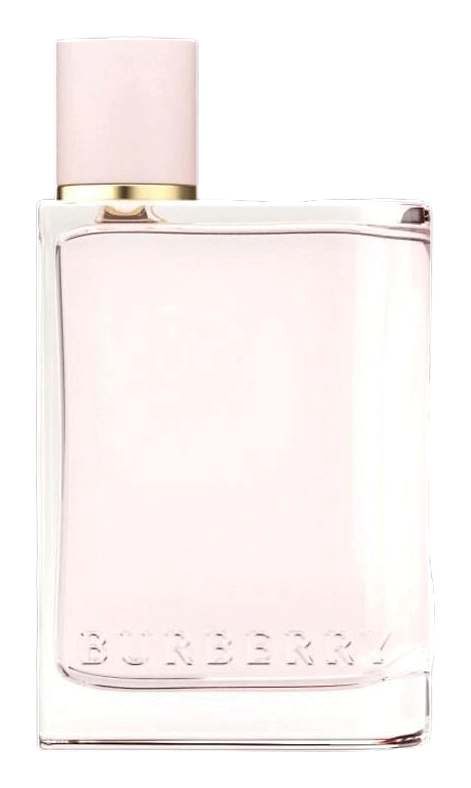
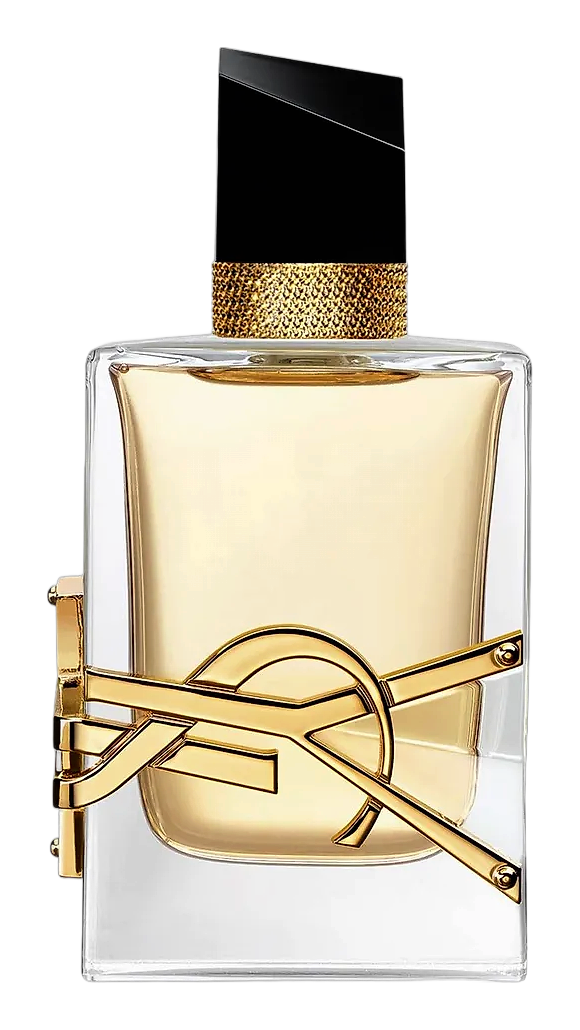

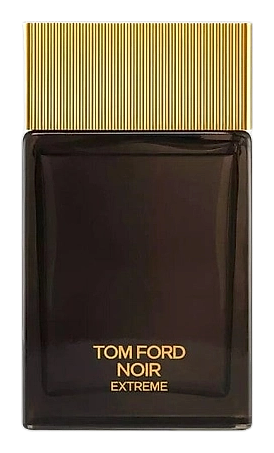
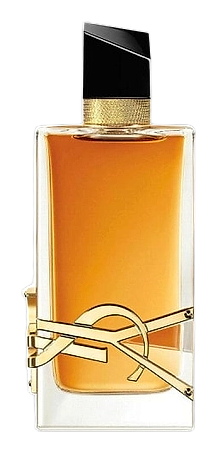

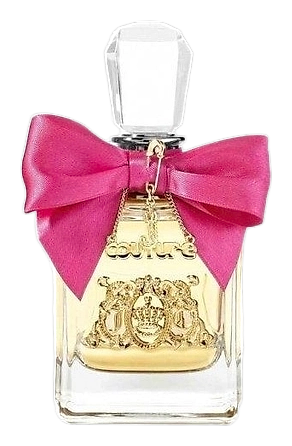
Brands
Brands known for Mandarin
Good to know
Questions, answered
The essentials on Mandarin in perfumery: how it smells, where it comes from, and how it behaves on skin.
What does mandarin smell like?
Mandarin smells bright, sweet, and tangy with juicy orange notes and a subtly floral undertone. It lacks the sharp bite of grapefruit, offering a softer citrus character that feels fresh and uplifting.
Is mandarin oil natural or synthetic in perfumery?
Both forms exist. Natural mandarin oil comes from cold-pressing the fruit's peel, while synthetic versions replicate its aromatic compounds in a laboratory setting.
How is mandarin oil extracted from the fruit?
Producers extract mandarin oil through cold expression, pressing the fruit's rind mechanically without heat. This preserves delicate aromatic compounds that steam distillation would alter.
How does mandarin differ from sweet orange or bergamot?
Mandarin is sweeter and softer than bergamot, with honeyed undertones that neither lemon nor grapefruit possess. It sits between sweet and bitter orange on the citrus spectrum.
Which countries produce the most mandarin oil?
China is the fruit's origin, but Brazil, Italy, Spain, and Argentina lead modern production. Growing region significantly affects the oil's scent profile.
Can mandarin oil cause skin reactions?
Mandarin oil contains furanocoumarins that increase sun sensitivity. Distilled or 'terpineless' versions offer safer options for leave-on skincare applications.
What fragrance families pair well with mandarin?
Mandarin harmonizes with florals like jasmine and neroli, woody notes including sandalwood, and spices such as cardamom. It anchors bright top notes in countless compositions.
Does mandarin have staying power in perfume?
As a top note, mandarin evaporates quickly, typically within 30 minutes. Its role is to introduce a fragrance with immediate brightness before heart and base notes emerge.