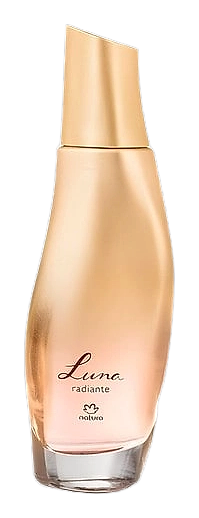

The Story
Why it exists.
The beginning
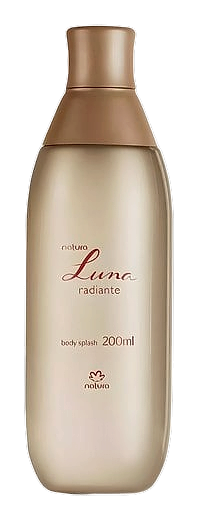
Luna Radiante came from a specific vision: a South American chypre that didn't borrow from the Mediterranean. The name says the rest. This fragrance was conceived as a departure from the familiar, something that could hold its own within a classical structure while feeling distinctly rooted in a different botanical tradition. The perfumer sought out ingredients that could speak a new dialect within an old language, creating a chypre that carries its own identity rather than echoing Provençal hillsides.
What makes this chypre different is its botanical character. Paramela brings a green, slightly medicinal quality to the composition. Priprioca adds an earthy, root-like depth. These two ingredients shift the traditional chypre architecture away from oakmoss while maintaining the structure's essential character. It's a chypre that tastes like its botanical source.
The evolution
The opening hits bright: bitter orange, mandarin, a bit of pink pepper. Clean, clear, immediate. Then the white florals arrive, jasmine sambac first, lush and slightly sweet, then lily of the valley slipping underneath. But paramela waits in the wings. It arrives with a wild, slightly medicinal presence, a little rough against all that sweetness. The jasmine sambac doesn't back down, it holds its ground and lets the green warmth fold into it. The drydown is where it settles. Patchouli provides the earth, priprioca the root, moss the structure. The trace that remains on fabric is earthy and faintly floral, the jasmine finally relaxed into something quiet and intimate.
Cultural impact
Since 2019, Luna Radiante has found an audience among those seeking a sophisticated Brazilian chypre. The paramela note draws attention from fragrance enthusiasts exploring beyond the usual French and Italian traditions. For many, this scent represents an alternative to the Mediterranean-centric vocabulary of classical perfumery, offering something with a distinctly different botanical character.
The House
NaturaNatura is a Brazilian fragrance and cosmetics house that blends botanical heritage with modern scent design. Founded in the late 1960s, the brand grew from a small São Paulo workshop into a regional leader known for fragrances such as Ciprus (1990) and Encanto das Rosas (2020). Its portfolio balances classic accords with ingredients sourced from the Amazon basin, offering consumers a scent experience rooted in nature and craft.
The Creator
Verônica KatoKato builds her fragrances on what she calls a foundation: black pepper, cardamom, coumarin, and amber anchor her masculine work, creating a recognizable house signature that threads through Essencial Palo Santo, Homem Tato, and Homem Neo. For her feminine creations, she gravi…