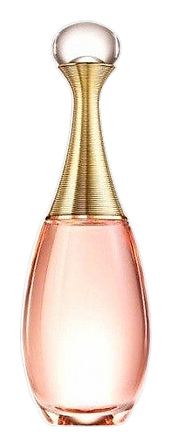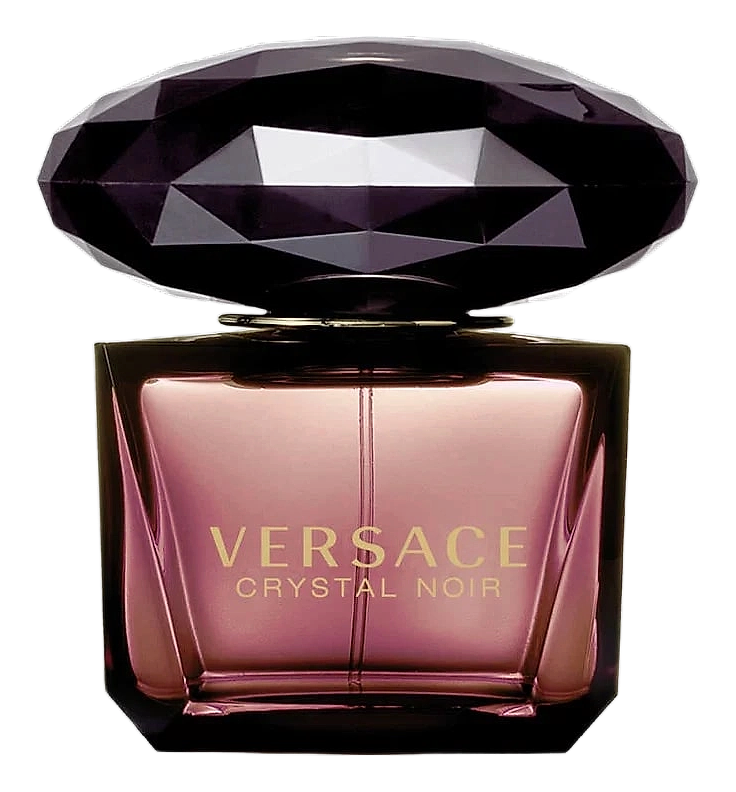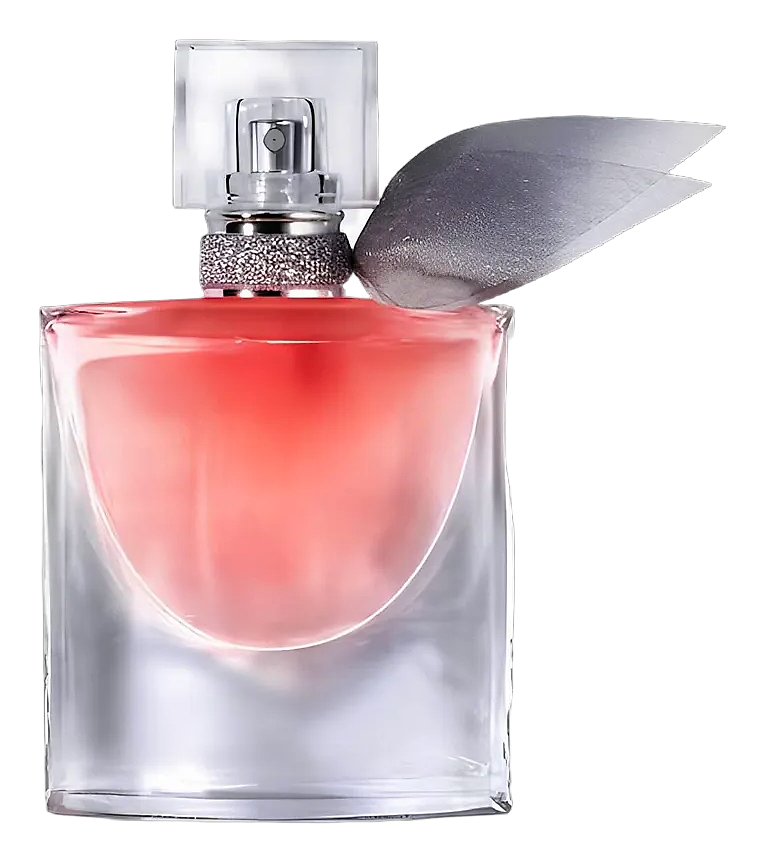
The Story
Why it exists.
The beginning
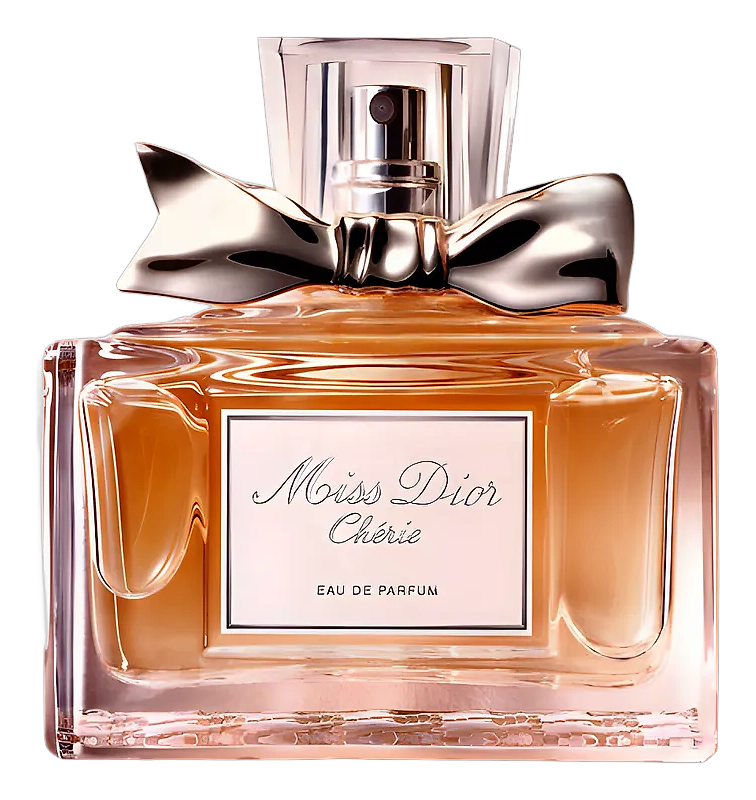
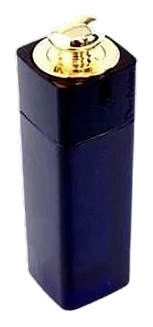
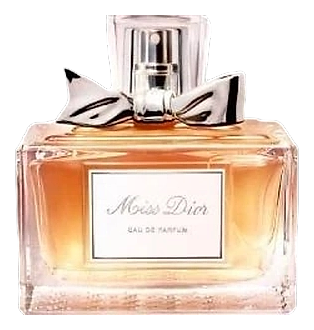
Dior launched its first fragrance alongside the New Look in 1947, forever tying perfume to couture. François Demachy has led creation since 2006, balancing heritage with modernity. Miss Dior (2012) arrived as a deliberate reinvention. The previous Miss Dior Cherie, launched in 2005, had run its course. François Demachy stripped the composition back to its couture bones, rebuilt it around mandarin, jasmine, patchouli, and musk, and released it as a chypre that could stand beside the 1947 original with quiet confidence.
The mandarin and jasmine pairing reflects a specific philosophy about brightness and elegance. Mandarins bring immediate energy, jasmine brings timeless grace, and together they create a contrast that feels both intentional and natural. Patchouli grounds the composition with earthy complexity, while musk amplifies the skin-like intimacy that makes the fragrance feel personal rather than performative. This structure rewards patience. The opening announces itself, the heart holds attention, and the drydown invites closeness.
The evolution
The evolution of Miss Dior (2012) unfolds across distinct phases, each built from a deliberate material choice. Mandarin opens the composition with crisp, luminous energy that sets an immediate tone of confident brightness. Jasmine arrives as the emotional core, offering a rich floral presence with creamy warmth that balances elegance with accessibility. The drydown introduces patchouli and musk, two materials that create a velvety, skin-close foundation without aggressive projection. This three-part arc moves from sparkle to warmth to intimacy, transforming a straightforward floral into something with architectural intention.
Cultural impact
Miss Dior has always been the house's most personal fragrance, the one named for Christian Dior's own love story. The 2012 relaunch carried that emotional weight into a contemporary register, positioning the scent for a new generation of women who wanted Dior's craftsmanship without the costume. The rose-patchouli combination became a reference point for modern feminine fragrances that followed, proving that chypre structure could feel fresh rather than retro.