The Story
Why it exists.
The beginning
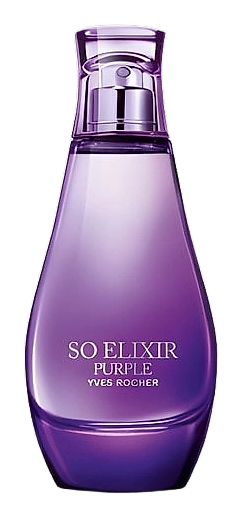
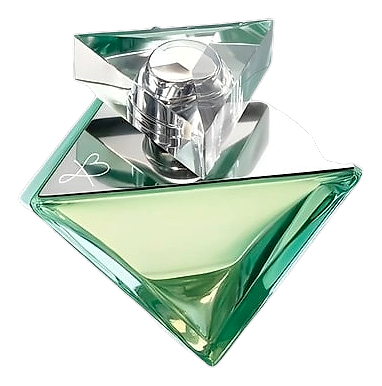
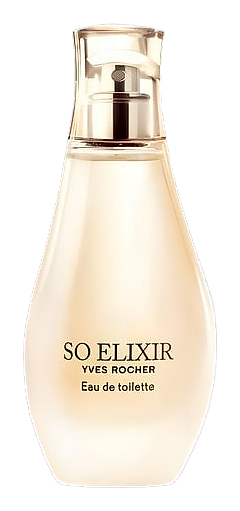
So Elixir arrived in 2010 as an exercise in femininity without apology. The brief was simple: create a fragrance for women who want to feel radiant, to command attention in a room without shouting for it. Marie Salamagne, Olivier Cresp, and Jacques Cavallier-Belletrud built the composition around a central tension, bright florals that don't retreat, grounded by earthy warmth that keeps them from floating away. Bergamot and pink pepper open with an electric spark, jasmine and rose arrive unapologetically lush, and patchouli with tonka bean closes the circle, giving the florals somewhere to land.
The genius of So Elixir is in the base. Patchouli doesn't try to dominate the florals, it supports them, adding depth that makes the jasmine and rose smell more expensive than they would alone. Tonka bean sweetens the earthiness just enough to keep the drydown warm and intimate rather than heavy. It's the combination that separates this from a straightforward floral. The pink pepper in the opening is the quiet signature, a spice that lifts rather than burns, giving the bergamot something to play against.
The evolution
The opening arrives bright and tart, bergamot against pink pepper, that electric spark hitting within seconds and lasting maybe twenty minutes before the florals take over. The jasmine and rose don't wait politely. They arrive together, lush and confident, the rose particularly insistent. This is where So Elixir becomes distinctly So Elixir. By the third hour, the florals have settled into a warm, powdery drydown anchored by patchouli. The tonka bean adds a sweet creaminess that keeps the earthiness from getting heavy. Patchouli lingers longest, that second-skin warmth that stays close and intimate. Expect the drydown to hold through an evening on most skin types.
Cultural impact
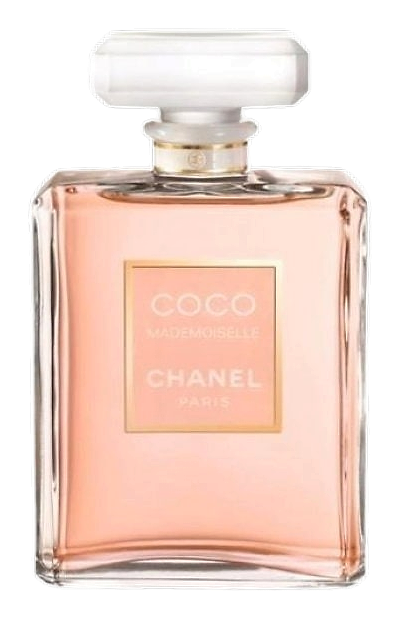
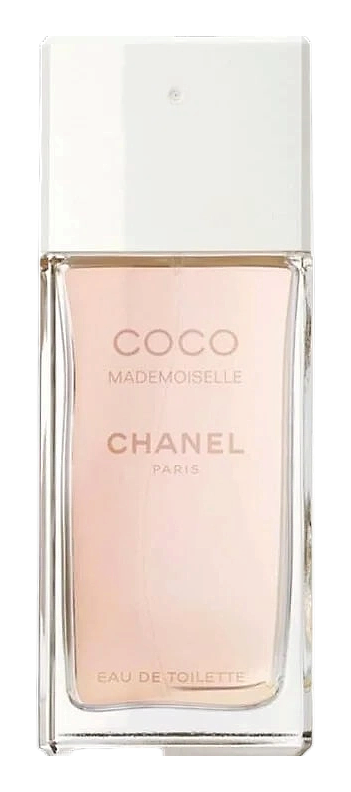
So Elixir draws comparison to Chanel's Coco Mademoiselle (2001), both floral-spicy with a warm finish. But So Elixir carves its own space through the patchouli-tonka base, which gives it an earthy-sweet character rather than the oriental warmth of its pricier counterpart. Released in 2010, it arrived in a landscape already populated by floral-spicy options but found its own audience by offering accessible French botanical warmth without positioning itself as a dupe. Those drawn to patchouli and tonka find in So Elixir a warmer, more grounded alternative to lighter florals.