
The Story
Why it exists.
The beginning
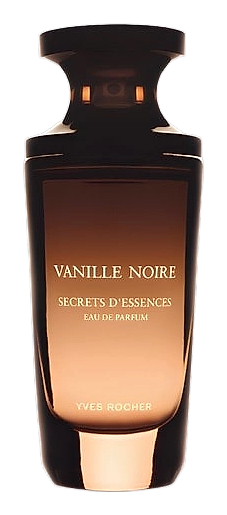
Jacques Cavallier-Belletrud built Vanille Noire as the fifth entry in Yves Rocher's Secrets d'Essences collection, released in September 2010 across Europe. The collection had already covered amber, rose absolute, iris, and jasmine, each fragrance exploring a single botanical territory with absolute precision. Vanilla was the logical next chapter, but Cavallier-Belletrud refused the obvious approach. Rather than leaning on a single vanilla source, he sourced three: Bourbon, Tahitian, and Uganda. The brief was to show what this note could really do when you stopped compromising.
Three vanilla absolutes is an unusual move in accessible perfumery, most mass-market fragrances use a single vanilla material, usually synthetic. The choice matters because each vanilla brings a distinct character. Bourbon carries leather and tobacco undertones that add weight. Tahitian adds the floral dimension, a softness that prevents the composition from going heavy. Uganda contributes the woody, almost spicy quality that keeps everything grounded. When you layer all three, you get a vanilla that breathes, shifts, and reveals itself differently as hours pass. This is the technical argument for triple sourcing, complexity through material diversity, not through accord manipulation.
The evolution
The opening hits clean and bright. Mandarin orange cuts through immediately, not as a sharp citrus but as a warm glow, the kind of light that means the day is easing into evening rather than starting fresh. The orange blossom follows, bringing a creamy white floral note that softens the citrus before it can turn sharp. This opening phase lasts roughly thirty minutes on most skin, a gentle curtain rise rather than a performance. The heart belongs to the three vanillas and mimosa. This is where the fragrance earns its name. The vanillas don't arrive all at once, they layer, overlap, and separate like three people settling into the same sofa. One brings warmth, one brings sweetness, one brings something almost resinous underneath. The mimosa adds a powdery, yellow floral quality that prevents the vanilla from feeling dessert-adjacent. There's no gourmand sweetness here, no chocolate, no caramel. Just vanilla in its most honest form, amplified by floral nuance. The drydown reveals the cedar.
Cultural impact
Vanille Noire built a quiet following among vanilla enthusiasts who appreciated its refusal to go easy. Triple vanilla sourcing was unusual for an accessible brand in 2010, most mass-market fragrances relied on synthetic vanillin for cost reasons. The choice positioned the fragrance as something worth seeking out rather than simply encountering. It remains a reference point in discussions of how vanilla can be structured rather than simply sweet.