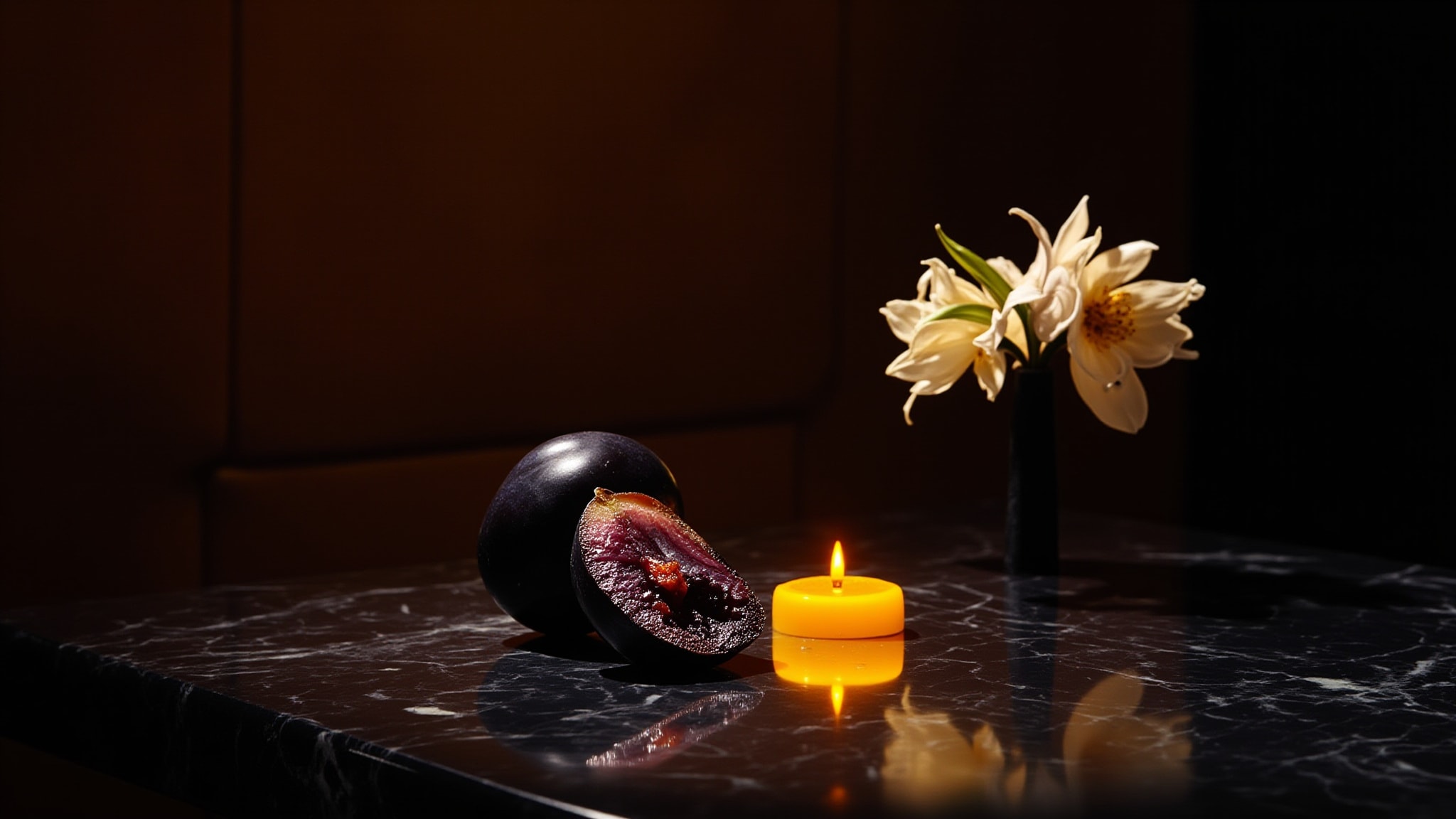
The Story
Why it exists.
The beginning
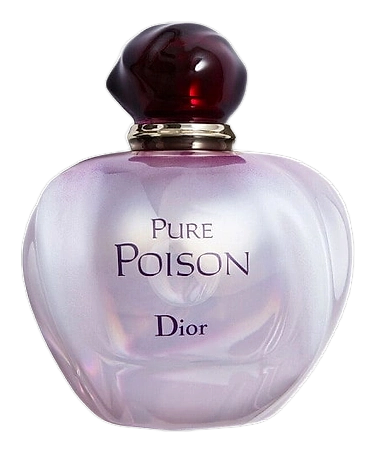
Christian Dior believed perfume was the final touch on a dress. By 1985, the house had spent nearly four decades proving it. Poison arrived with a name that made the intent unmistakable, this was not a fragrance for those who sought approval. Created by Edouard Fléchier and Maurice Roger, Poison was conceived as an act of olfactory seduction, a statement that refused to whisper. The name came first, and everything followed: the richness, the complexity, the sheer presence that would either captivate or overwhelm. Nothing tentative about it.
What makes Poison structurally unusual is the sheer density of its heart. Tuberose is the centerpiece, surrounded by jasmine, African orange flower, and carnation, a white floral overload that could easily tip into cloying territory. The coriander and anise in the opening prevent that. They arrive like a cold splash, cutting through the sweetness with something green and slightly bitter. It's the classic move of a great perfumer: build the richness, then give it a blade. The incense and opoponax in the heart add a smoky, balsamic depth that makes the florals read as dark rather than innocent. By the time the vanilla and sandalwood arrive in the base, the fragrance has already made its case.
The evolution
The opening hits fast, plum and wild berries arrive within seconds, sweet and almost syrupy. Coriander and anise follow quickly, bringing a sharpness that feels almost medicinal against the fruit. Then the florals take over. Tuberose dominates the heart, thick and creamy, almost aggressive in its green intensity. White honey amplifies everything. Incense adds a smoky layer. This is the opulent middle phase, demanding, unapologetic. The drydown softens it. Vanilla and sandalwood wrap close to the skin. Heliotrope adds a powdery floral whisper. Musk and vetiver bring something slightly animalic, grounding the sweetness. The vanilla stretches the whole experience. Hours later, it whispers instead of shouts. This is what remains on a scarf, on a pillow, on skin that slept in it. Not presence. Memory.
Cultural impact
Poison was created by Edouard Fléchier and Maurice Roger and launched in 1985, winning a FiFi Award in 1987. Decades later, it still divides opinion. Wearers either adore its unapologetic richness or find it too much. That polarization was always the point, Poison was never meant to please everyone. It was meant to be remembered.