Edouard Fléchier
Edouard Fléchier grew up in the shadow of Grasse's perfumery world, inspired by the factory where his father worked. As a boy, he built his own crude laboratory in the family garden, driven by a fascination with scent that predated any formal training. After completing studies in science, he entered the prestigious Roure Bertrand Dupont perfumery school, where peers immediately recognized something extraordinary about him. His hypersensitive nose, an ability that could have been a liability, became instead the foundation of his singular talent. By the mid-eighties, Fléchier had risen to star perfumer at Roure, composing some of the era's most memorable fragrances. He never sought the spotlight, preferring to let his work speak for itself.
The hits
Notable creations

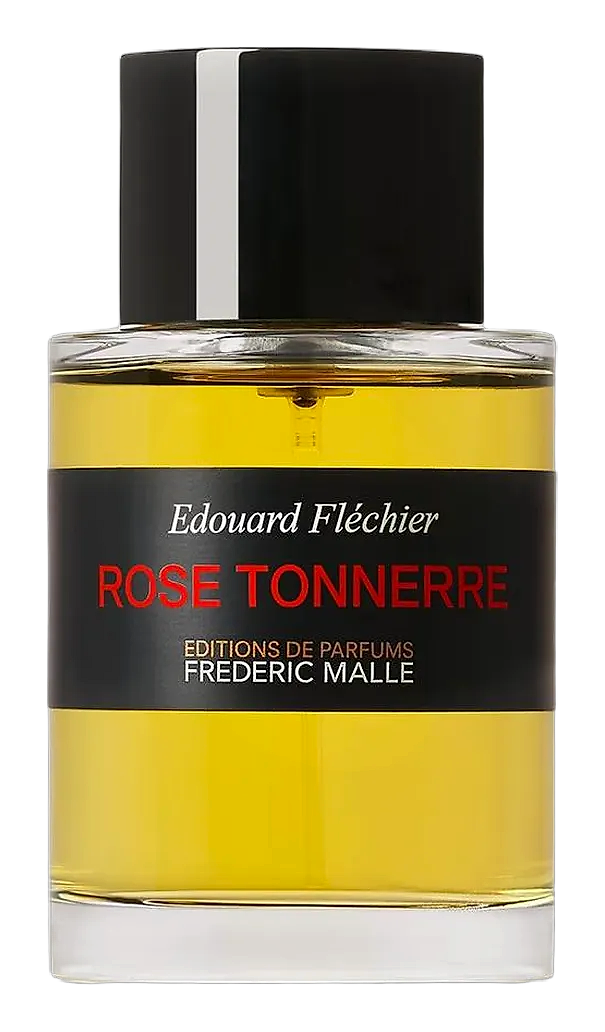
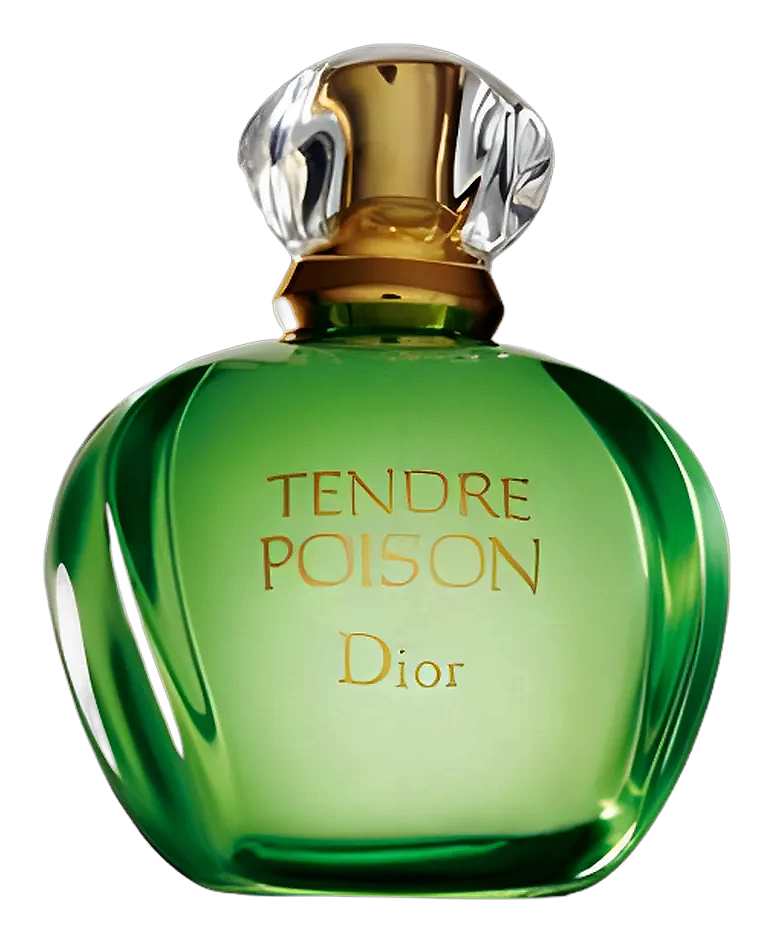
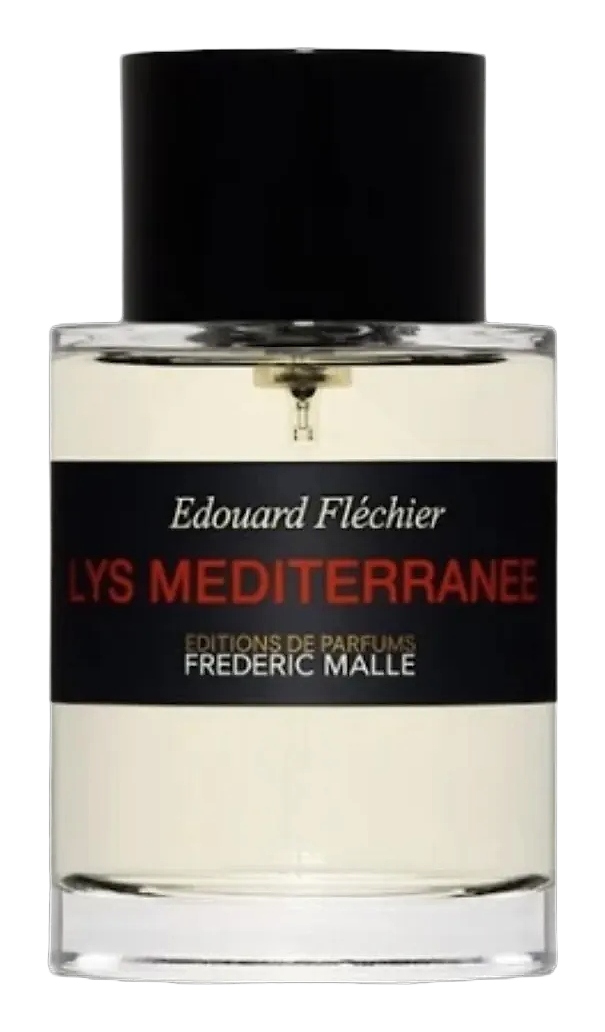

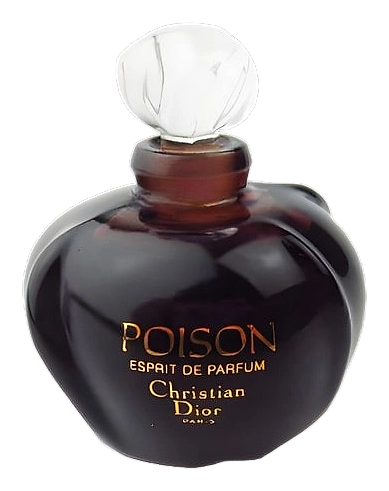


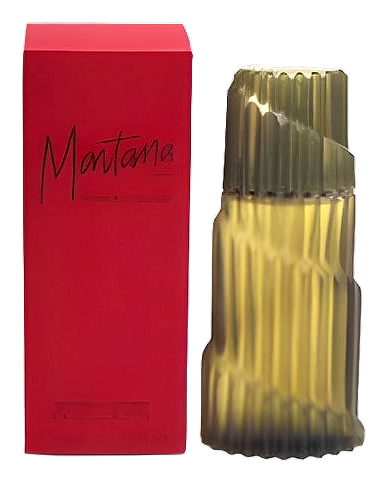
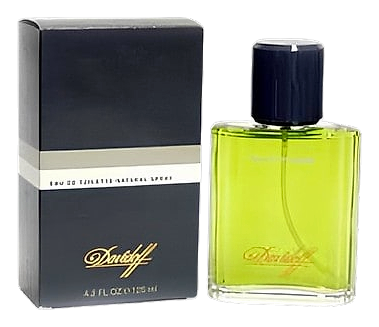

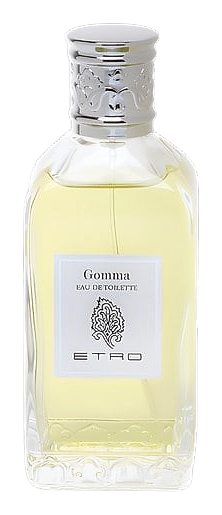
The signature
How Edouard composes
Fléchier's style balances the generous, harmonious traditions of classic French perfumery with a distinctly modern edge. He favors opulent floral bouquets, particularly roses rendered in unexpected ways, pushing beyond convention into earthy, almost root-like territory. His compositions often juxtapose voluptuous florals against darker counterpoints: animalic notes, truffles, dark woods. The result feels both luxurious and alive, never predictable. His technique prizes precision over excess, using generous proportions not as volume but as conviction.
Philosophy
What drives Edouard
Fléchier calls perfumery a 'silent art' that bypasses language to reach the soul directly. Every morning, without exception, he begins by smelling raw materials, keeping his connection to the fundamentals sharp and his palate honest. This daily ritual reflects a deeper belief that a perfumer must remain humble before the materials themselves. His work aims not merely to please, but to evoke buried memories and summon new emotional territory. He does not compose for the market. He composes to make people feel something specific and irreducible.
The houses