





Heritage
A house, in its own words
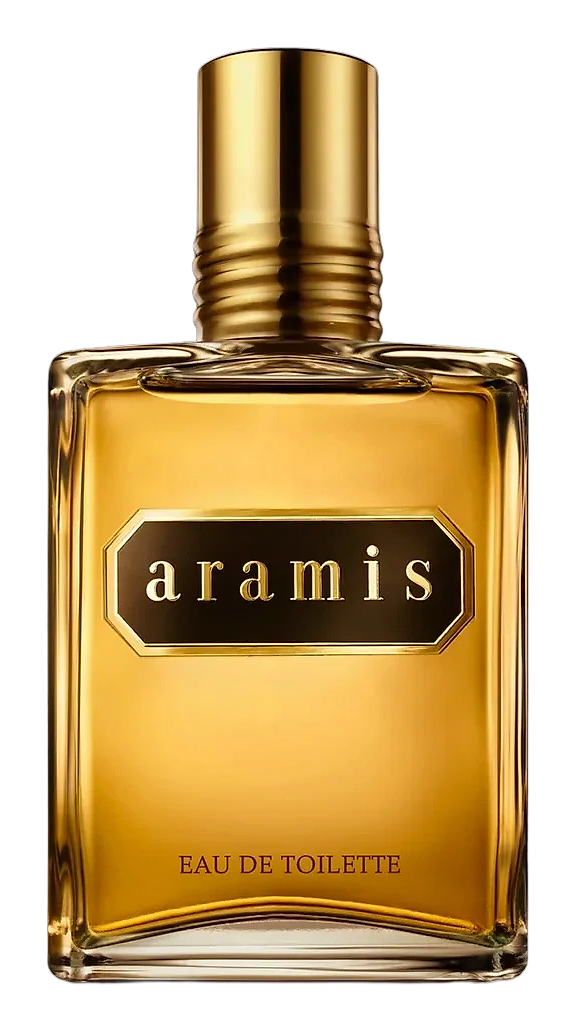
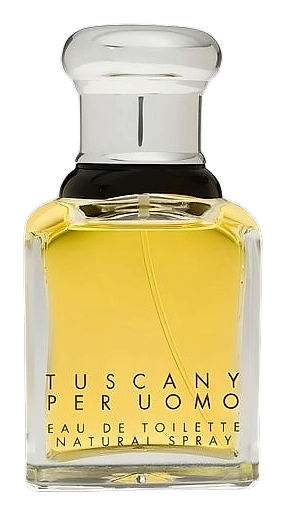
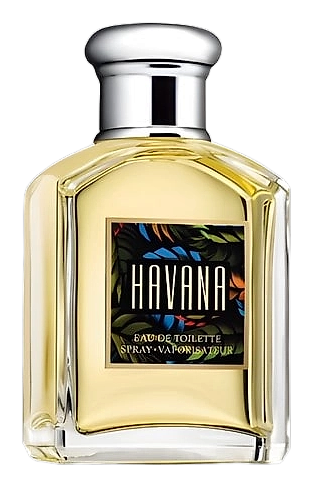
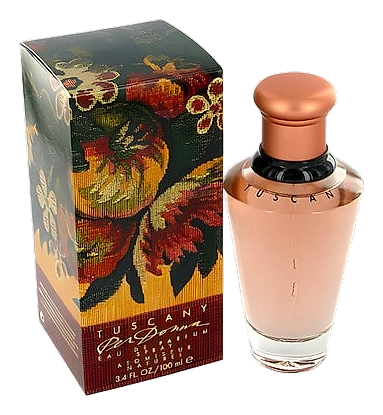
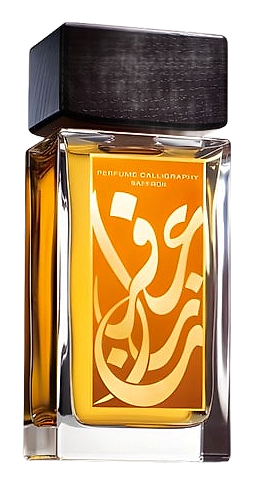
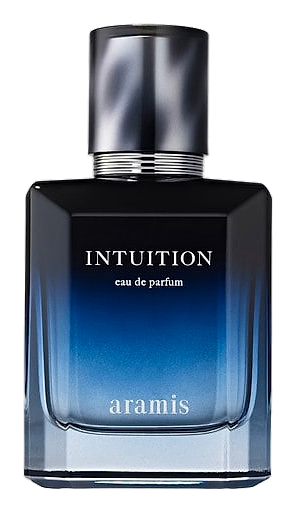
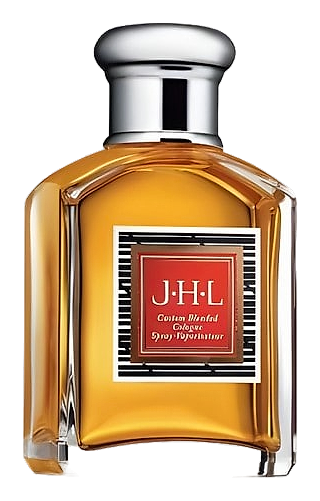
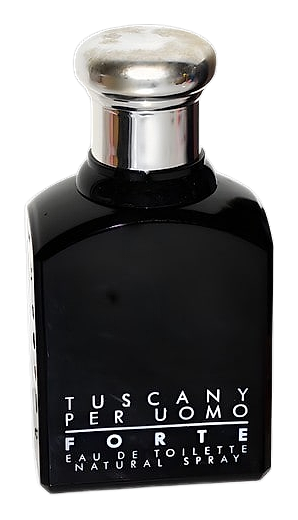
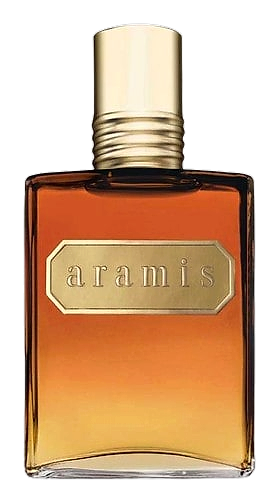
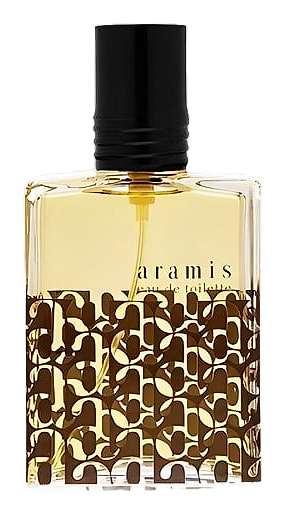
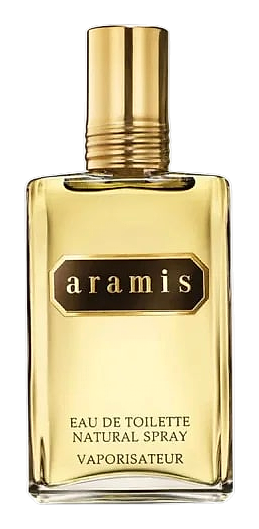
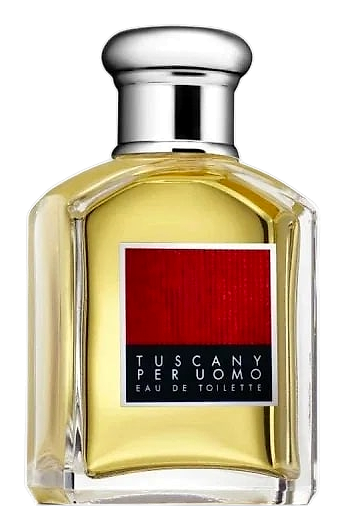
The story of Aramis begins in 1963 when Estée Lauder created the brand and subsequently launched it in 1964, positioning it as a dedicated men's grooming and fragrance line. The timing proved significant; at that period, men had limited access to prestige fragrances, with most options confined to mass-market products or sharing their partner's scents. Estée Lauder recognized an untapped market and made a deliberate bet on masculine self-expression through quality grooming products. Bernard Chant, the perfumer behind the original 1964 formula, composed a fragrance that established the brand's aesthetic vocabulary of aromatic woods, leather, and traditional masculine accord. The name itself derives from the character Aramis in Alexandre Dumas's novel "The Three Musketeers," reflecting the brand's connection to a certain literary mystique. The 1982 release of JHL marked the brand's expansion into spicier, bolder territory, while the 1984 Tuscany Per Uomo introduced Mediterranean-inspired sensuality to the collection. By the late 1990s, Havana and its reserva iteration brought tobacco and spice interpretations to prominence. The acquisition of Tommy Hilfiger Fragrances in 2003 expanded Aramis's portfolio significantly, adding another dimension to the brand's masculine offerings. Aramis emerged from a conviction that men deserved dedicated, sophisticated grooming products of their own, rather than being afterthoughts in the women's beauty market. The brand pioneered the concept of prestige men's fragrance in American department stores, fundamentally changing how masculine scents were positioned and sold. This philosophy centered on the idea that masculine fragrance could be both traditional and modern simultaneously, appealing to men who appreciated classic construction while seeking distinctive personal expression. The approach rejected ephemeral trends in favor of timeless masculine archetypes, understanding that its customer base valued longevity and substance over novelty. Bernard Chant's original formula embodied this ethos through its careful balance of aromatic freshness and deep woody warmth, creating something that felt both established and immediately appealing. The brand's subsequent releases continued this thread, each representing a distinct interpretation of masculine character rather than chasing passing fashions. Aramis maintained that men's fragrance should feel earned and confident, never precious or overly floral, while remaining versatile enough for daily wear across occasions.