The Story
Why it exists.
The beginning
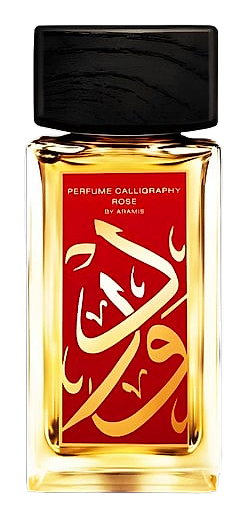
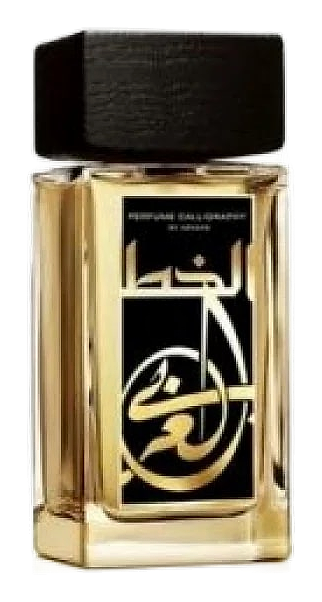
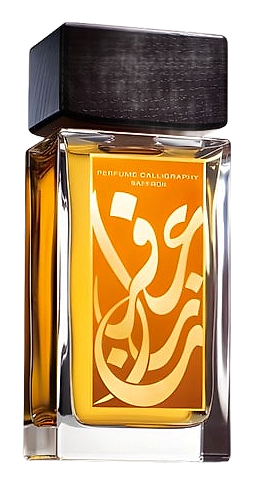
The Perfume Calligraphy collection launched in 2012 as a meditation on written language, the idea that letters, like notes, carry intention across time. Each flacon in the line draws from the aesthetics of Arabic calligraphy, where ancient script meets modern composition in a single gesture. Perfume Calligraphy Saffron arrived in 2014 as the third expression in the collection, following the original 2012 release and 2013's Perfume Calligraphy Rose. The brief was clear: honor the East through its most iconic spice. Saffron, precious, metallic, unmistakable, became the fulcrum around which everything else was arranged.
What makes this composition unusual is the lavender. In most oriental-spicy fragrances, lavender appears as a bridging agent between top and heart, a quiet herb that softens the transition. Here it plays a different role. Paired with Turkish rose absolute and rendered in the context of warm spice and styrax, lavender adds a clean, slightly medicinal counterpoint to the richness, the way a cool glass of water cuts through a rich meal. The result is a fragrance that smells expensive without smelling heavy. The marigold in the opening, often overlooked in favor of flashier citrus, contributes a muted herbal warmth that previews the heart rather than competing with it.
The evolution
The opening arrives crisp. Bergamot and marigold create a brief herbal-citrus impression, clean, slightly bitter, nothing like what follows. Thirty minutes in, the saffron takes command. This is not a polite introduction. The spice arrives metallic and dry, the kind of saffron that smells like threads rather than extract, and it anchors itself immediately against the Turkish rose absolute. The rose doesn't soften the saffron. It amplifies it, adding a waxy floral depth that makes the spice feel more expensive rather than more approachable. The lavender sits underneath throughout the heart phase, adding a clean herbal lift that prevents the composition from becoming heavy. Two to three hours in, the base begins to assert itself. Styrax brings a balsamic resinous quality that shifts the composition from warm spice toward something richer, deeper. Tonka bean follows, threading sweetness through the balsamic structure. Vetiver keeps everything grounded, a quiet woody base that prevents the drydown from floating. The final hours are intimate.
Cultural impact
Perfume Calligraphy Saffron won Perfume Extraordinaire of the Year at the Fragrance Foundation Awards in 2015, a meaningful recognition for a house not typically associated with niche or oriental prestige. The award positioned the fragrance in a category alongside dedicated niche houses, signaling that Aramis was capable of competing at a level beyond its mass-prestige positioning. The fragrance occupies a specific niche within the warm spice tradition: the addition of lavender and Turkish rose absolute creates a cleaner, more aromatic oriental than the heavy oud-and-amber compositions common to the Middle Eastern market it was developed for.