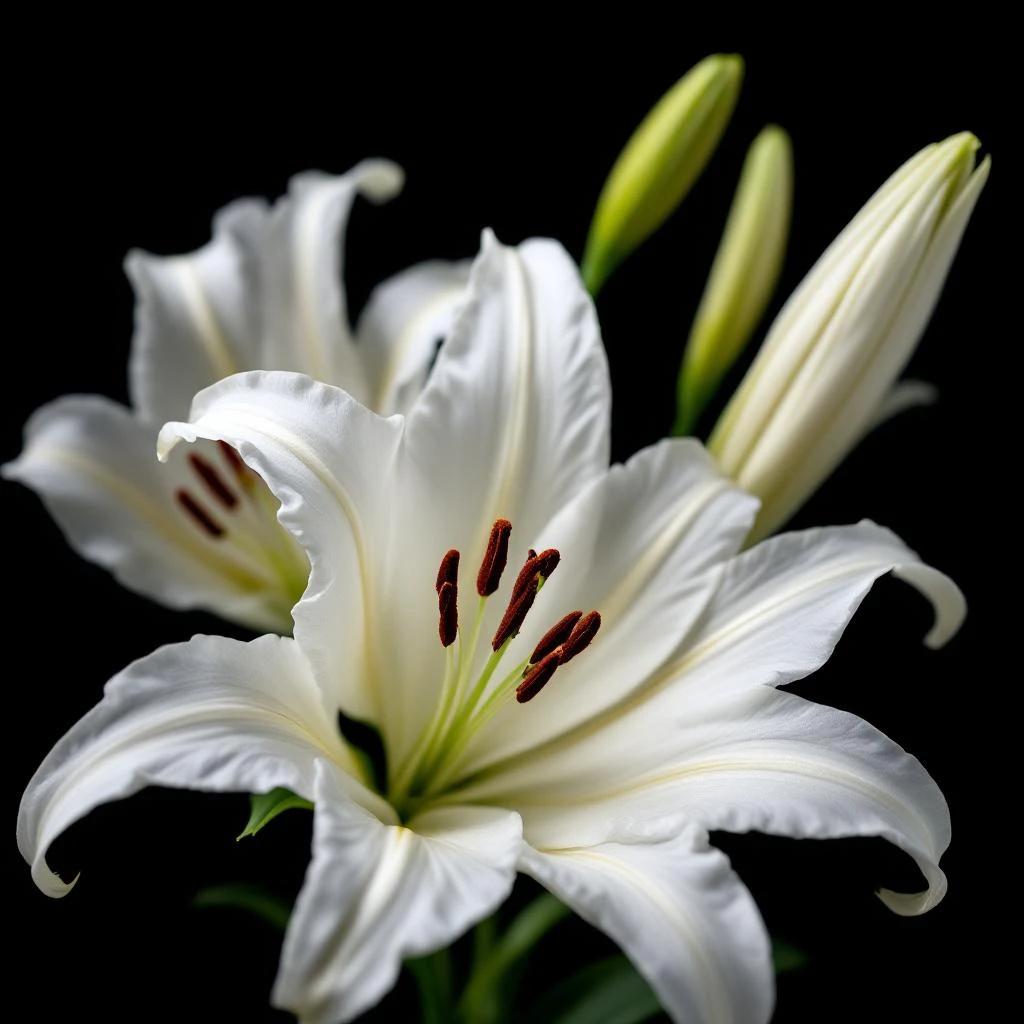
Marigold
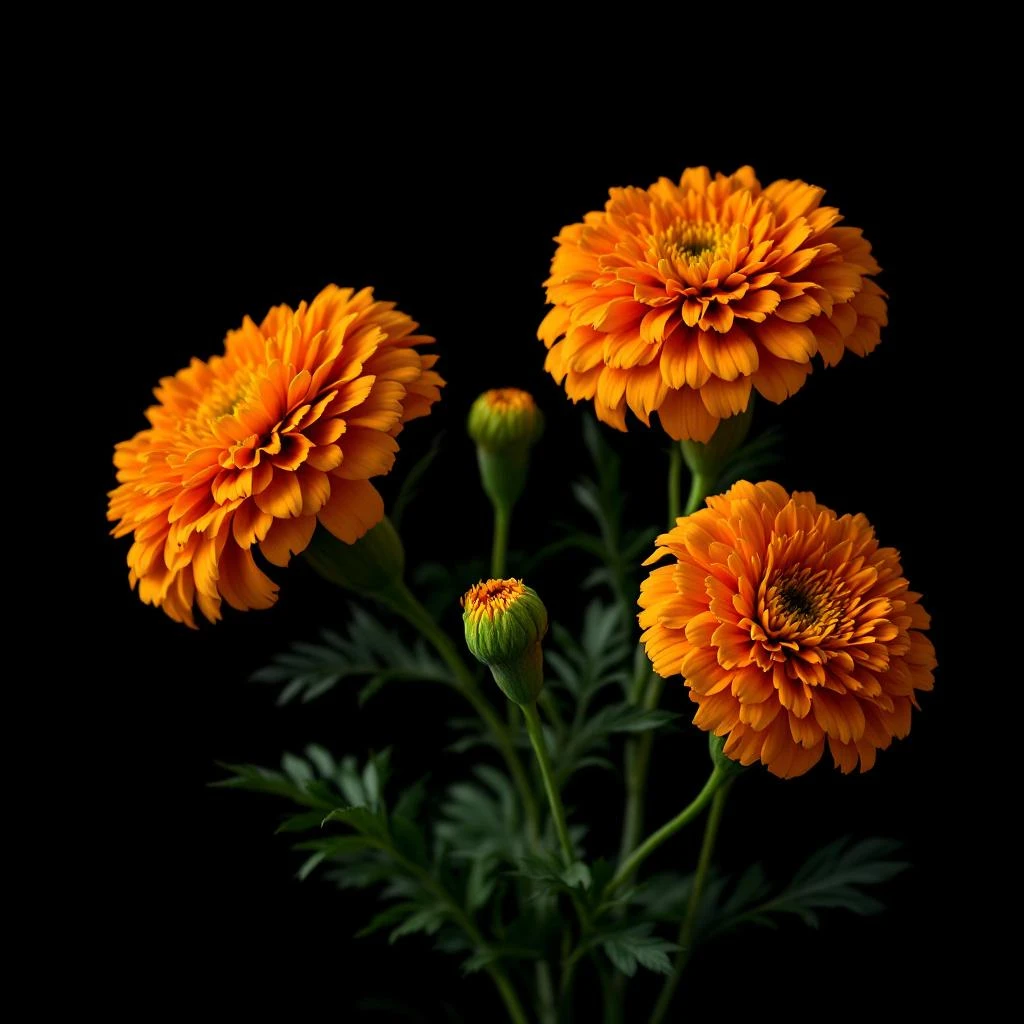
Marigold brings a vibrant, green complexity to perfumery. Its golden petals yield an absolute prized for rich herbaceous depth, evoking fresh-cut stems, earthy undertones, and a distinctive leafy warmth that transforms fragrance compositions.
Character
How it smells
Herbaceous warmth from golden petals.
Tagetes minuta, the marigold species used in perfumery, yields an absolute so potent that perfumers use it at fractions of a percent in blends.









Origin
Mexico
Marigold traces its perfumery roots to the Tagetes species native to Mexico and Central America, where indigenous cultures valued the plant for ceremonial and medicinal purposes. Spanish explorers carried seeds northward during the colonial period, and cultivation spread across Europe and eventually to India, which now dominates global production. The flower's journey into Western perfumery paralleled the broader 19th-century shift toward systematic botanical sourcing.
French and Egyptian perfumers began incorporating marigold absolutes in the early 20th century, drawn to its complex green character that blended easily with citrus and wood bases. Today, Indian producers supply the majority of marigold absolute to fragrance houses worldwide, maintaining an unbroken chain from pre-Columbian origins to modern perfumery labs.
Wears it best
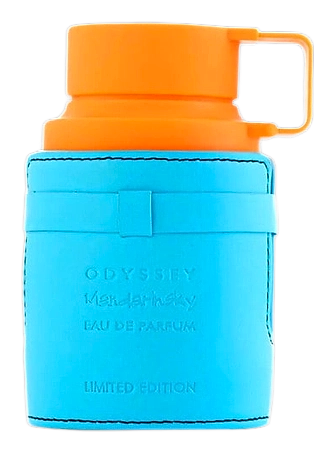
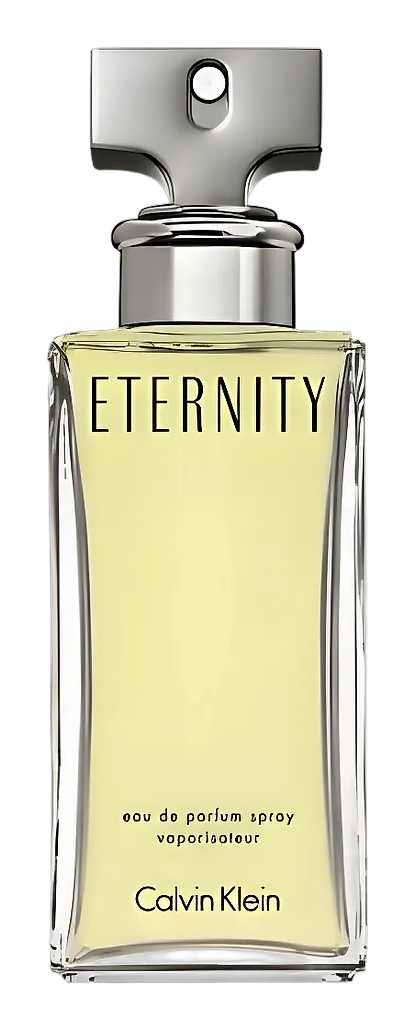
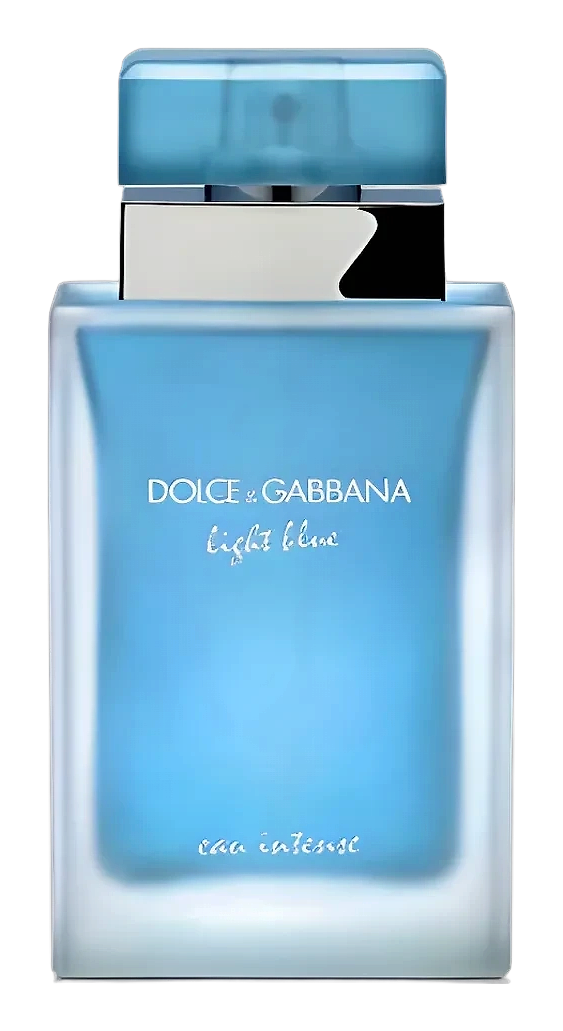
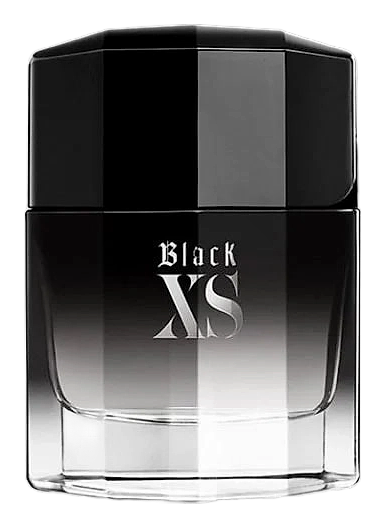
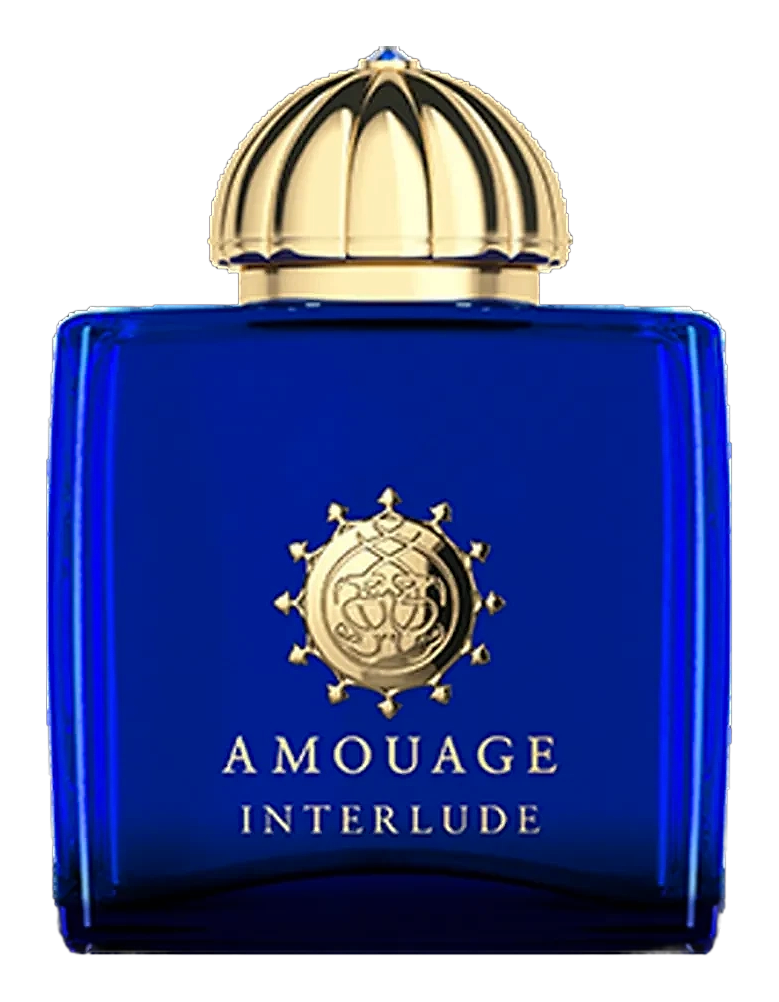
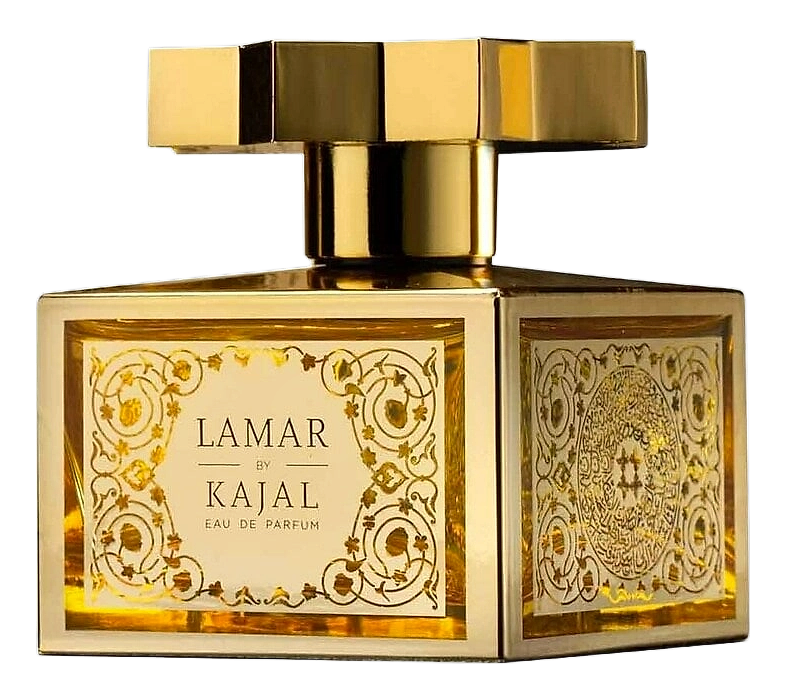
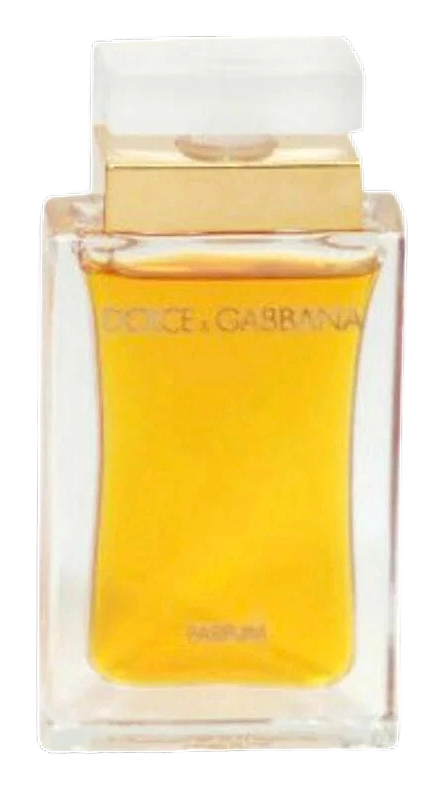
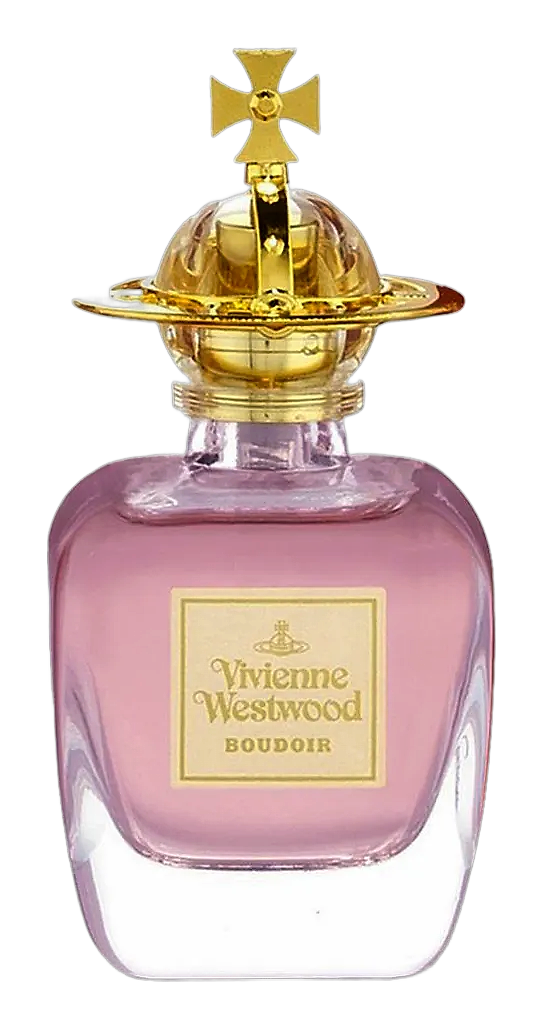
Fragrances featuring Marigold


Brands
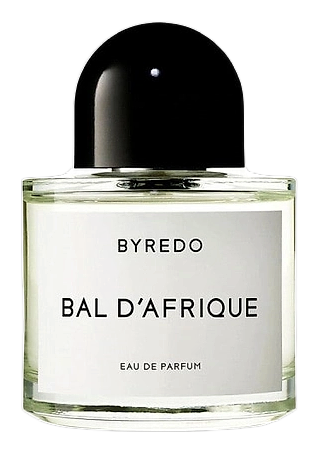
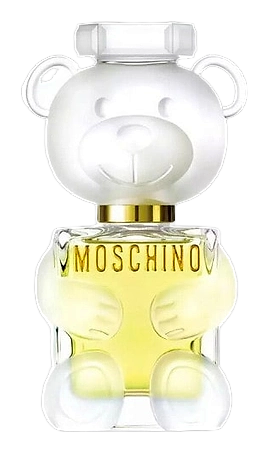
Brands known for Marigold
Good to know
Questions, answered
The essentials on Marigold in perfumery: how it smells, where it comes from, and how it behaves on skin.
What does marigold smell like in perfume?
Marigold absolute carries a green, herbaceous character with leafy freshness and subtle earthy undertones. It reads as more vegetative than floral, closer to fresh-cut stems than to a typical flower scent.
Is marigold a natural or synthetic ingredient?
Marigold exists naturally as Tagetes absolute, extracted via solvent from flower petals. No widely-used synthetic replicate captures its full green complexity, making the natural absolute the industry standard.
Which perfume families use marigold most often?
Chypre, fougère, and green fragrance families incorporate marigold most frequently. Its herbaceous depth provides transition between bright top notes and woody base components.
Does marigold appear in men's or women's fragrances?
Marigold performs as a gender-neutral bridge note. Perfumers use it to add herbal complexity to masculine fougères and to ground lighter feminine florals with earthy structure.
What extraction method produces marigold absolute?
Solvent extraction yields marigold absolute. Producers immerse fresh petals in hexane, remove the solvent, and process the remaining concrete into a concentrated absolute.
Where does commercial marigold for perfumery grow?
India leads global marigold production, though the plant originates from Mexico and Central America. Egyptian and French cultivation also supplies specialty fragrance houses.
Is marigold related to calendula used in skincare?
Marigold in perfumery comes from Tagetes species, primarily Tagetes minuta. Calendula officinalis, sometimes called pot marigold, is botanically distinct and carries different aromatic properties.
How potent is marigold absolute in fragrance formulas?
Marigold absolute ranks among the stronger natural materials. Perfumers typically employ it at 0.1 to 2 percent of a formula, as higher concentrations can overwhelm a composition.