The Story
Why it exists.
The beginning
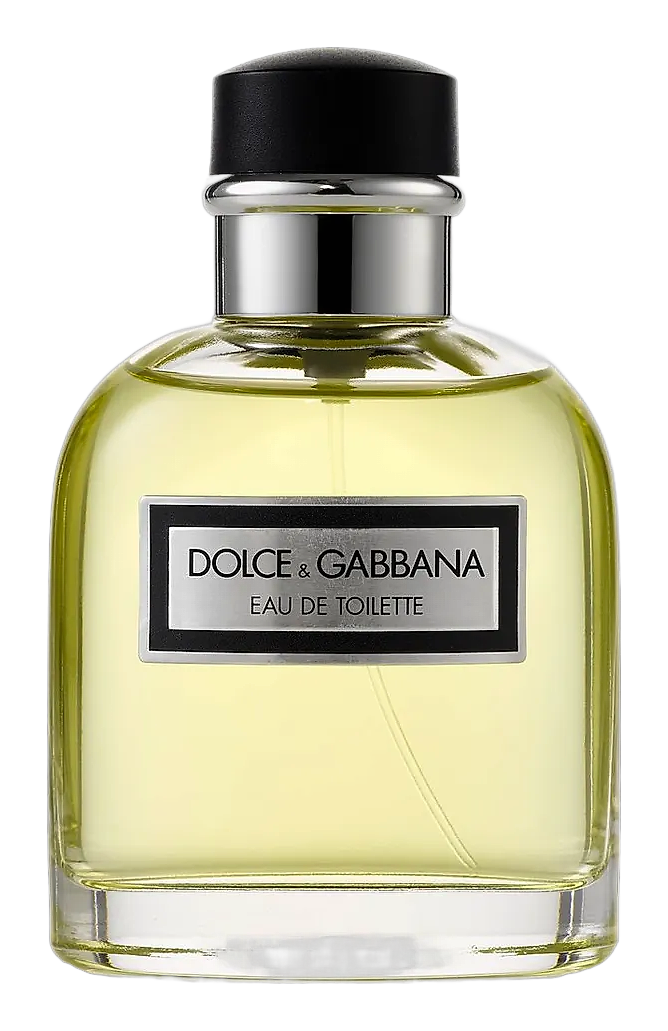
Clément Gavarry built Intenso as a refinement of the Dolce&Gabbana Pour Homme that preceded it by two years. The brief was clear: take the aromatic-woody template that worked, the fresh, Mediterranean confidence, and deepen it. Make it richer without making it heavier. The answer was hay absolute and bran absolute, both unusual choices in modern masculine perfumery. They do something tobacco alone cannot: they give dryness a texture. Not the dry of nothing, the dry of heat already spent.
Hay absolute and moepel accord are the two ingredients most worth pausing on. Hay absolute is expensive, difficult to work with, and rare in commercial fragrance, it smells like sunlight trapped in dry stalks, with a faintly sweet warmth that tobacco amplifies rather than overwhelms. Moepel, a South African wood, adds something rarer still: a balsamic-floral quality that sits between honey and fresh-cut wood. Neither note is common. Together they make Intenso feel less like a continuation of a house signature and more like an argument that masculine fragrance doesn't have to choose between fresh and warm.
The evolution
The opening hits clean, lavender and basil over something ozonic and green. It's the most restrained first act in the lineup: no brightness seeking attention, just a composed arrival. Within the hour, the moepel wood accord does its work, shifting the green toward something floral and honeyed. The tobacco isn't dramatic, it arrives quietly, amplified by hay and bran absolute that give it a dry, almost dusty quality rather than the sweet richness most consumers expect. By hour three, the woodsy base takes over: cypress, labdanum, sandalwood. This is where the fragrance lives longest, an aromatic warmth that stays close to the skin but persists into the next day on fabric.
Cultural impact
Intenso's reception splits cleanly along one axis: how seriously you take the name. 'Intense' sets an expectation of projection and power, and the fragrance delivers something quieter instead. For those who read that as a failure, there's a genuine conversation to have about what a fragrance called Intenso owes its label. For those who read it as a preference, Intenso is exactly right: a refined, aromatic-woody composition that doesn't compete for attention. Colin Farrell's campaign presence reinforced the brand's cinematic Italian masculine identity, confident, romantic, never trying too hard. The fragrance sits in the house's lineage as a deliberate alternative to its louder siblings, appealing to the wearer who knows what he wants without needing the room to agree.