Bran
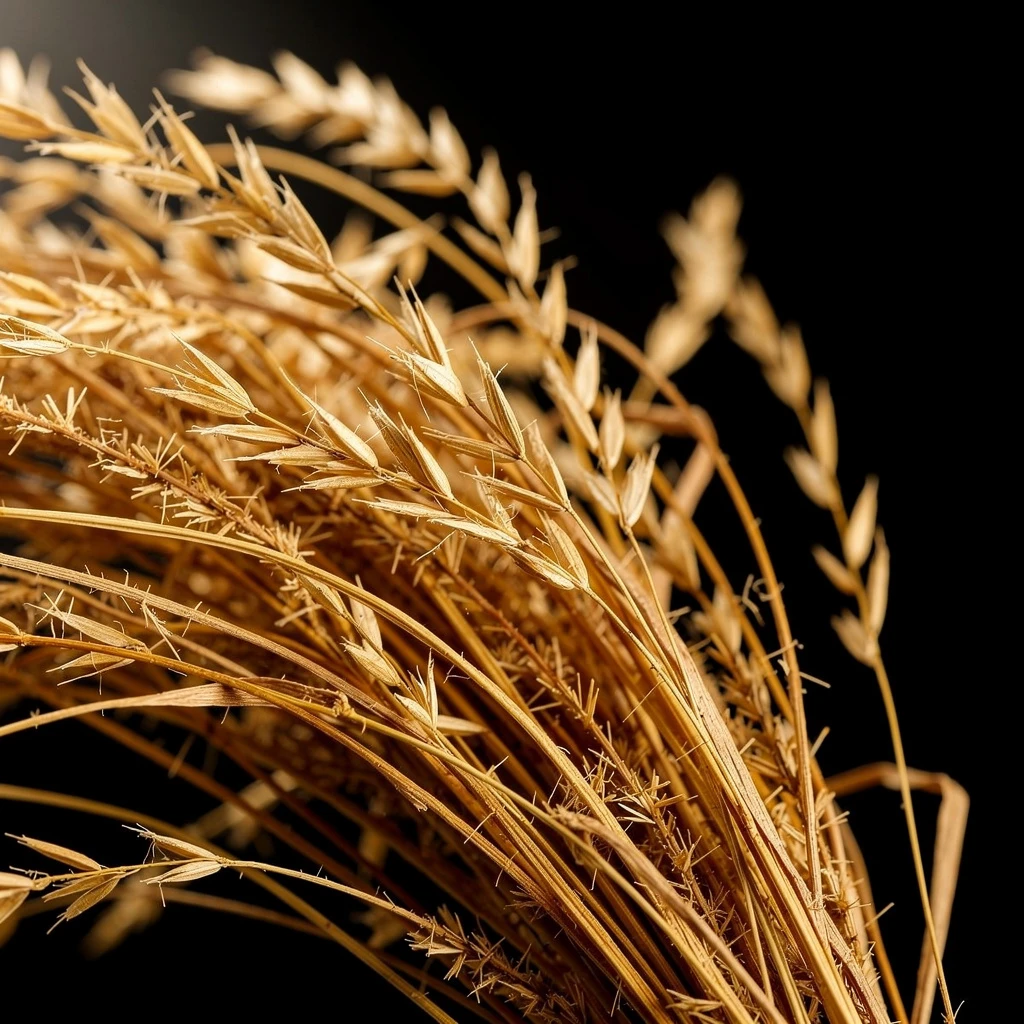
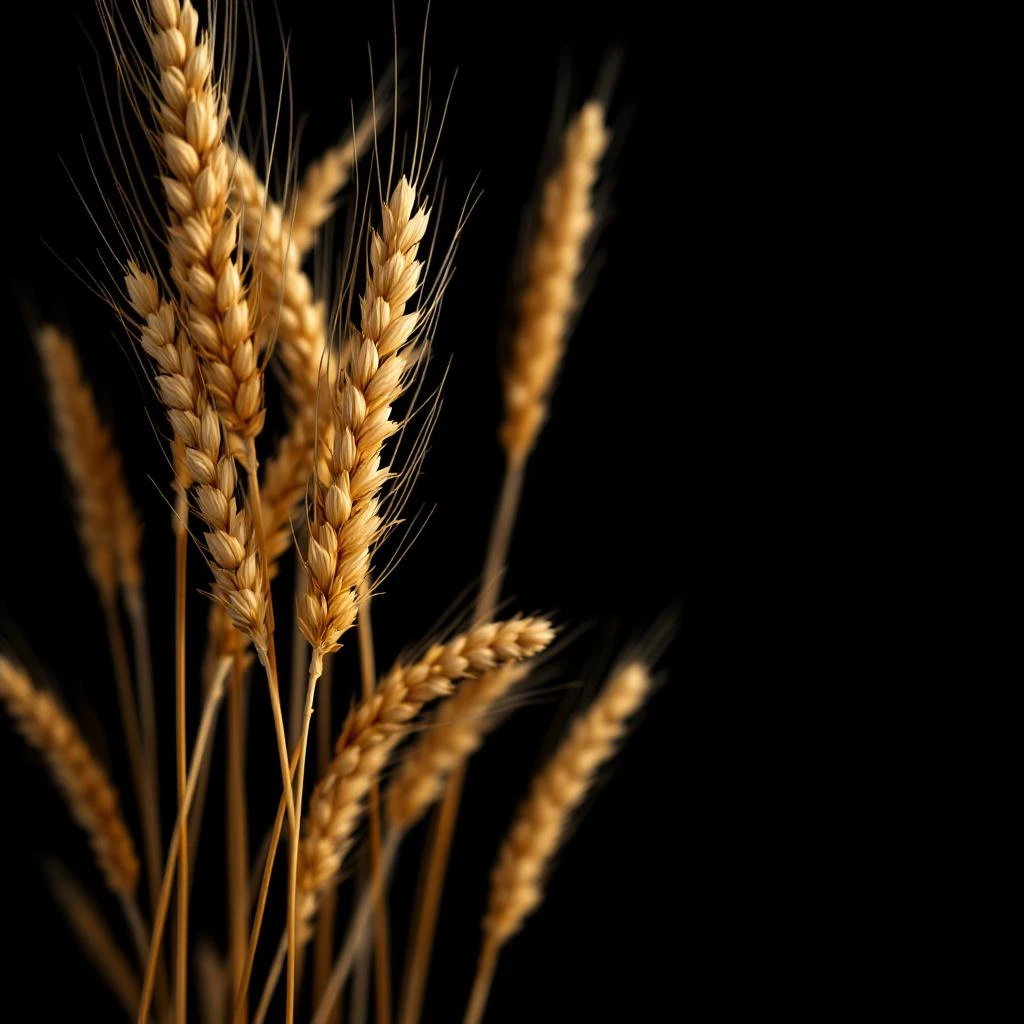
Bran absolute carries the warm, nutty scent of toasted cereal husks, offering perfumers a soft gourmand accent that grounds compositions with quiet depth.
Character
How it smells
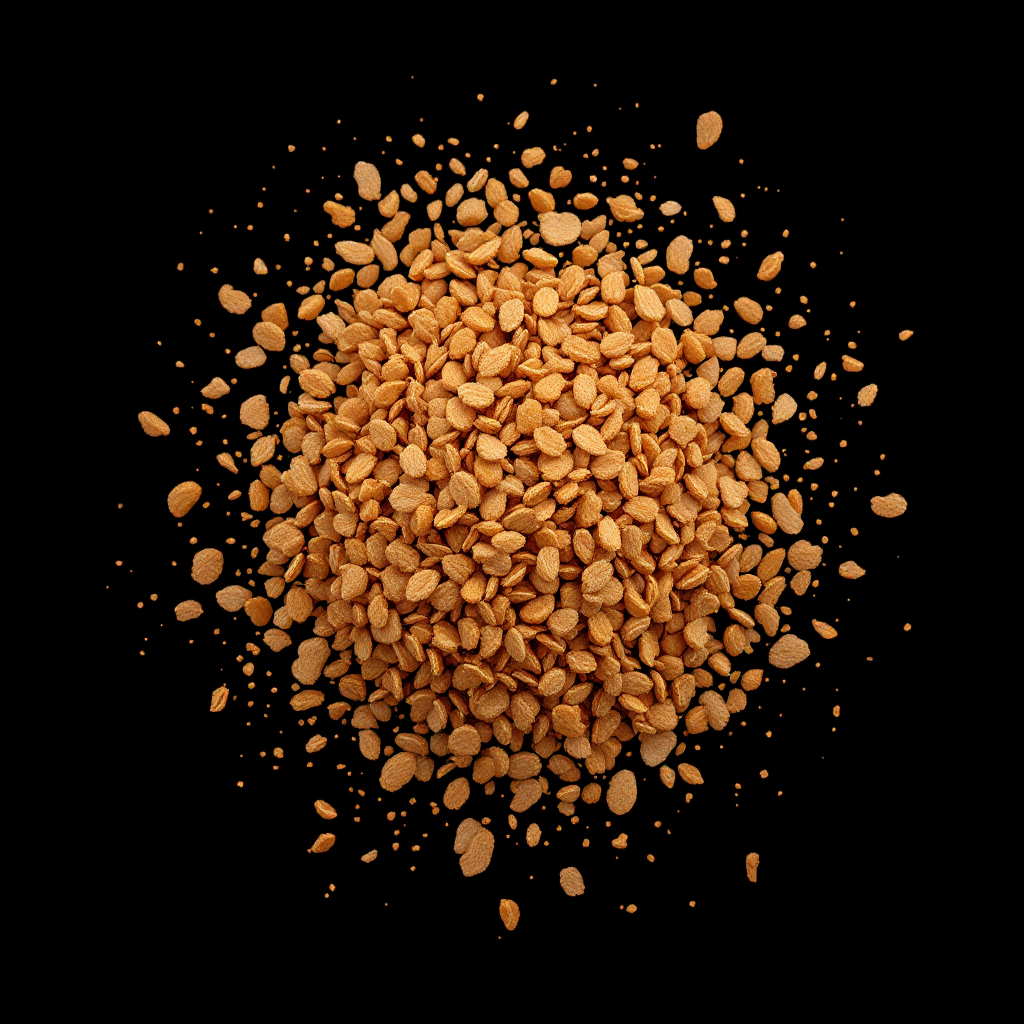
Toasted grain husk, softly sweet
Bran yields one of perfumery's rare cereal notes, a category built almost entirely from synthetic molecules until niche houses revived this natural extract.





Origin
France
Cereal grains shaped early human civilization, yet their scent rarely crossed into perfumery until the late 20th century. Ancient perfumers in Mesopotamia and Egypt worked with resins, flowers, and aromatic woods, while grains were reserved for food, incense binding, and ceremonial bread.
The first perfumers to extract bran systematically appeared in European research labs during the 1970s, when food scientists studying cereal aromas identified furfuryl compounds and lactones responsible for the smell of warm toast. Grasse-based extraction houses soon adapted these findings, producing bran absolute as a curiosity ingredient.
The note gained traction in niche perfumery during the 1990s gourmand wave, when creators sought naturalistic alternatives to synthetic vanillin and coumarin. Today bran appears in cereal-forward compositions and rustic wood blends, a quiet reminder that the humblest agricultural byproduct can carry fragrance value once overlooked.
Wears it best
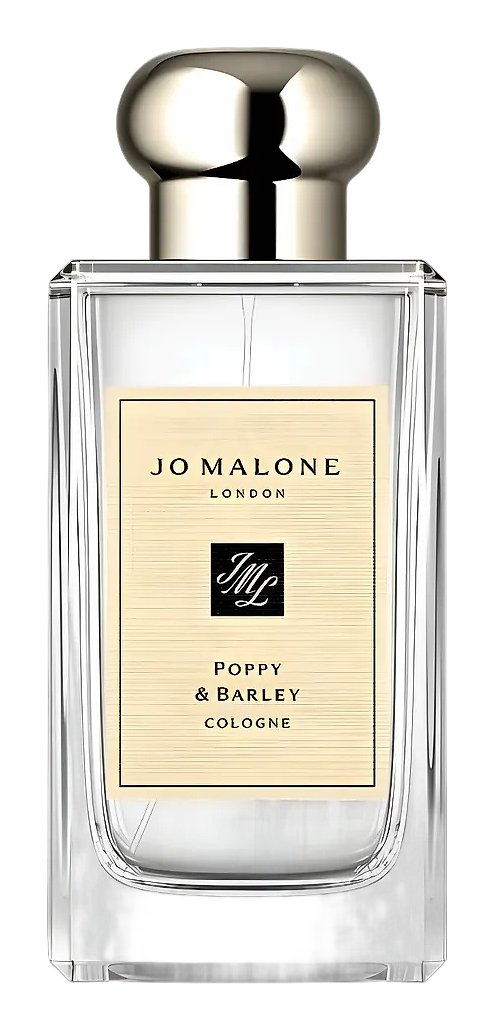
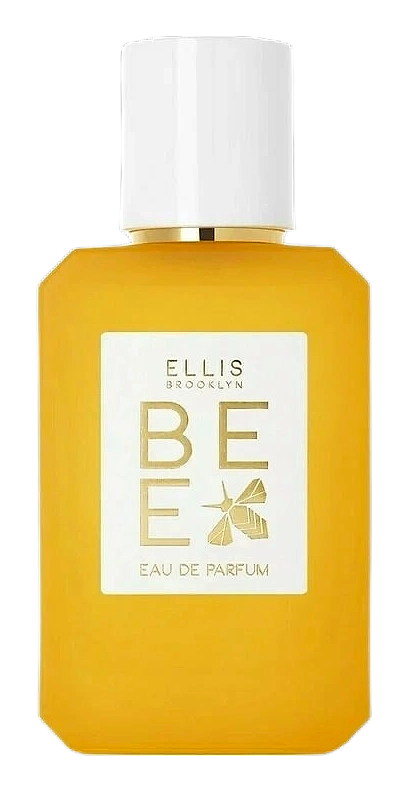
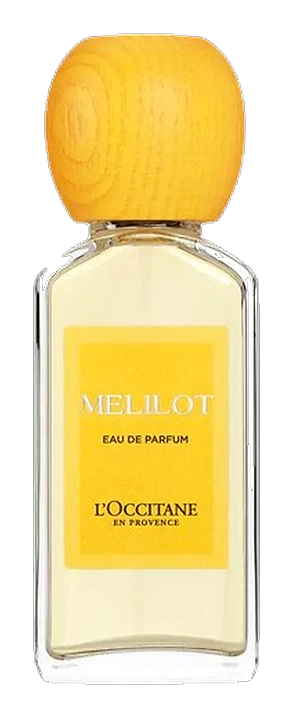
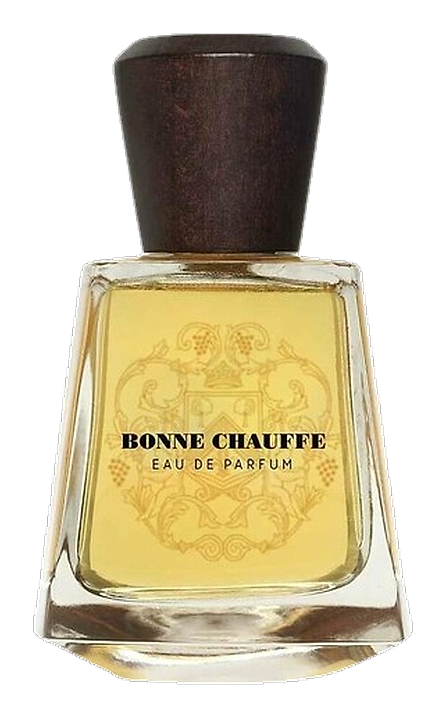
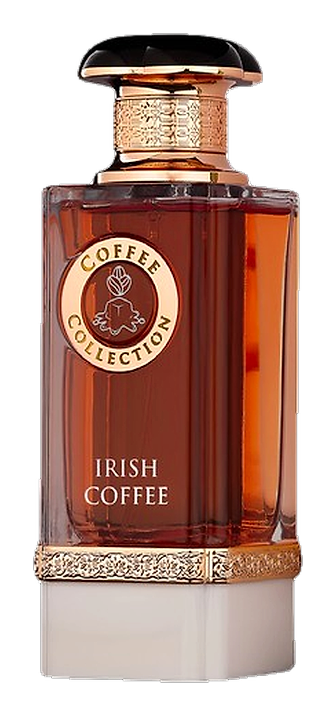
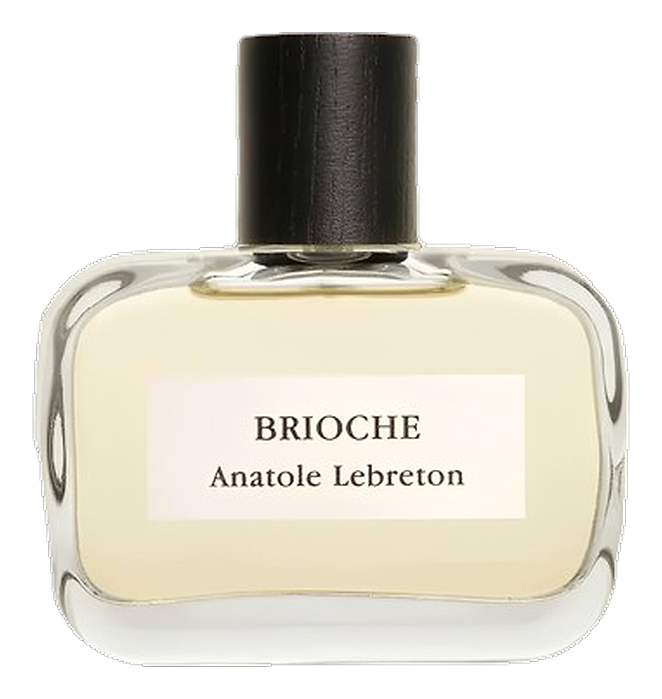
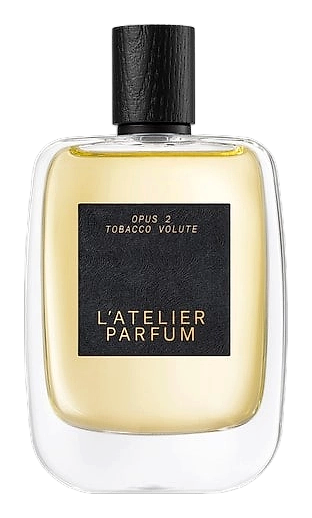
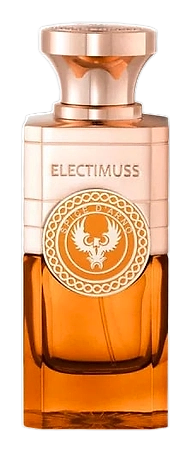
Fragrances featuring Bran




Good to know
Questions, answered
The essentials on Bran in perfumery: how it smells, where it comes from, and how it behaves on skin.
What does bran smell like in perfume?
Bran absolute smells like warm toasted grain, with nutty, bread-like sweetness and soft cereal husk notes. It acts as a gourmand accent, grounding a composition without overpowering brighter top notes.
Is bran a natural or synthetic perfume ingredient?
Bran absolute is a natural extract derived from cereal husks through solvent extraction. Many commercial bran notes, however, are reconstructed synthetically using molecules like furfural and maltol to mimic the toasted aroma.
Why is bran used in fragrance?
Perfumers use bran to add a warm, edible, comforting quality to compositions. It complements vanilla, tonka, and woody bases, creating naturalistic gourmand accords with depth and softness.
When was bran first used in perfumery?
Bran emerged as a perfumery ingredient in the late 20th century, gaining popularity during the 1990s gourmand movement. Early European extraction houses in Grasse produced the first commercial bran absolutes.
How is bran absolute extracted?
Producers extract bran absolute by circulating a solvent like hexane through dried cereal husks. The resulting concrete is then washed with alcohol to isolate aromatic compounds, yielding a concentrated dark absolute.
What fragrance families feature bran notes?
Bran belongs primarily to the gourmand and woody families. It frequently appears in niche fragrances alongside sandalwood, tonk, and warm spices, lending a toasty, bread-like base.
Is bran a common perfume note?
Bran remains a niche ingredient, appearing in fewer mainstream launches than vanilla or tonka. Its specialty status makes it a distinctive choice for perfumers seeking unusual gourmand textures.
Does bran smell sweet or savory?
Bran smells mildly sweet with toasted, nutty, and faintly savory grain notes. The balance leans toward warmth and comfort rather than overt sugar, making it versatile across both gourmand and woody compositions.