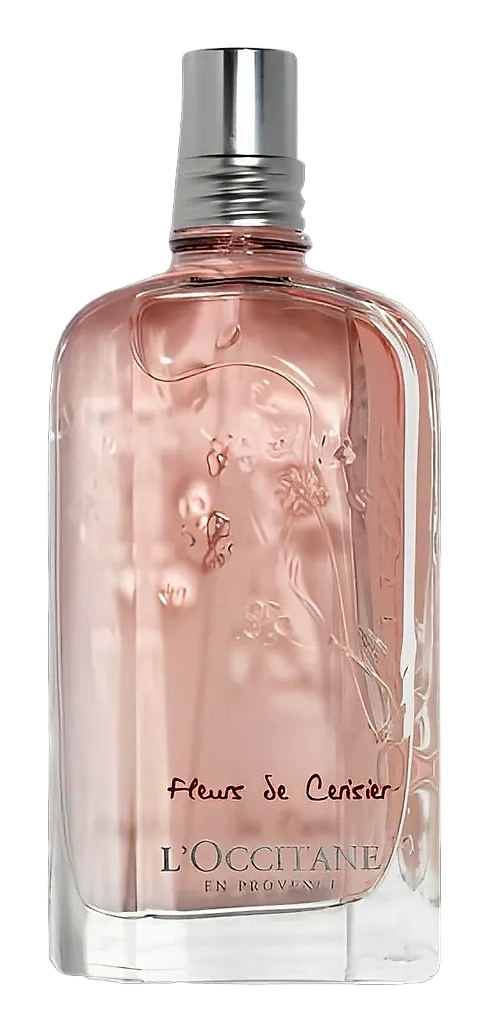
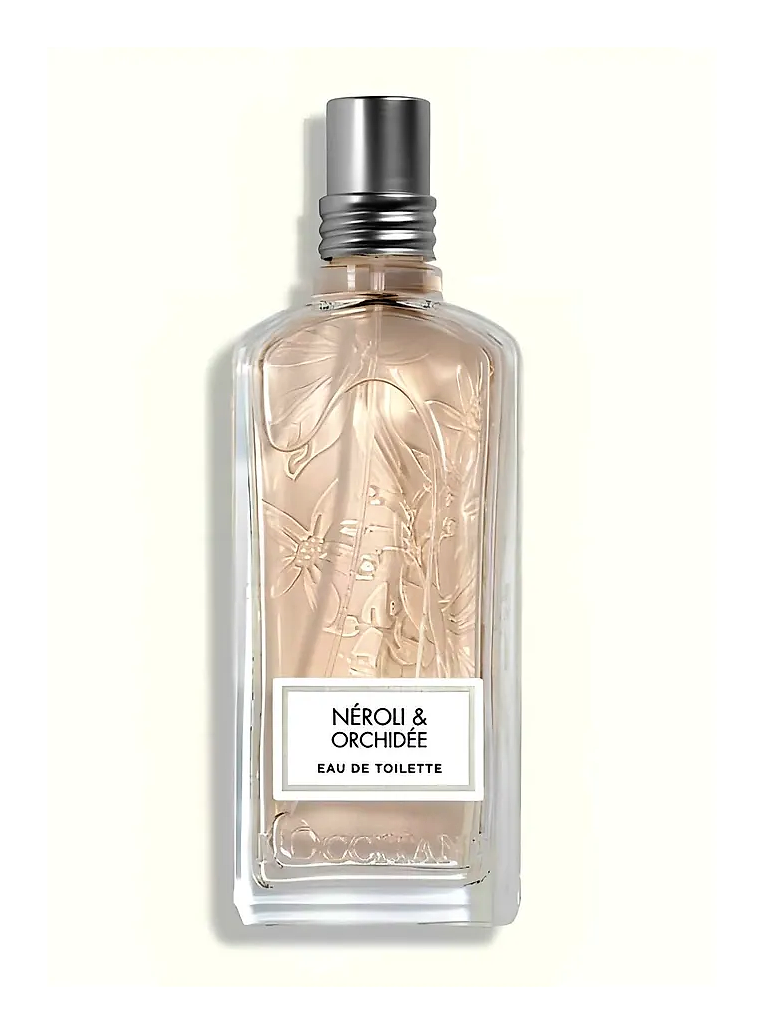
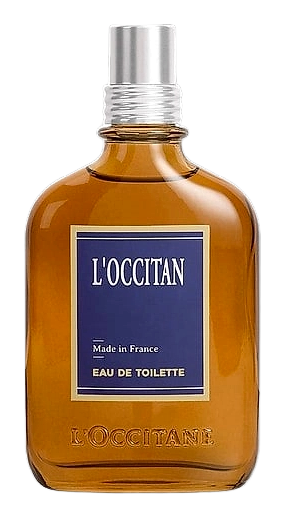
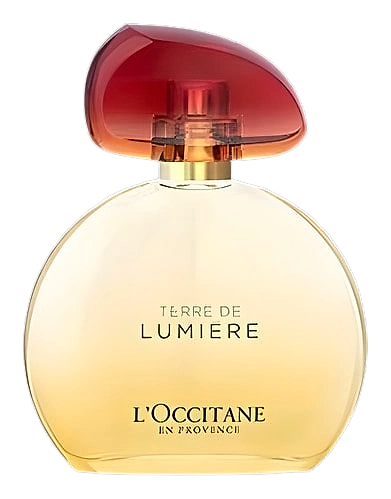
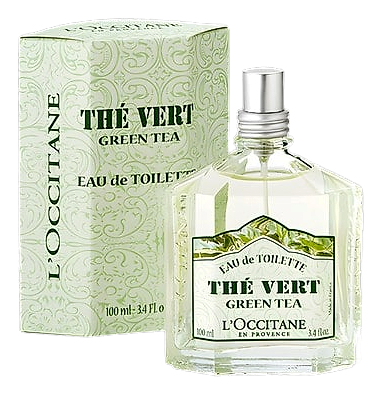
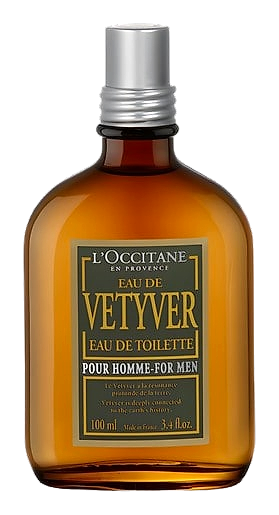
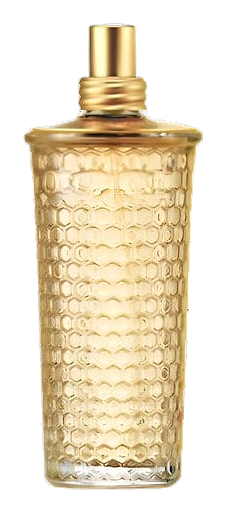
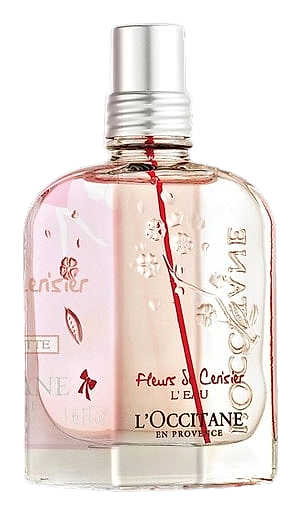



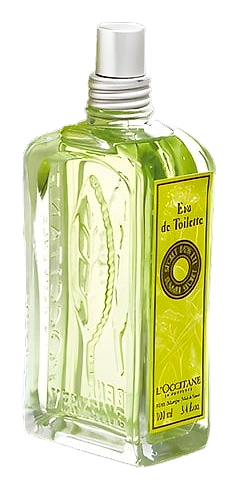
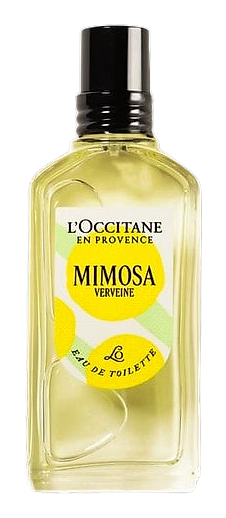
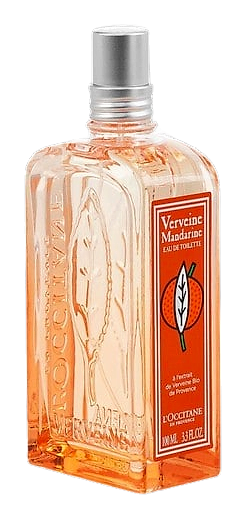
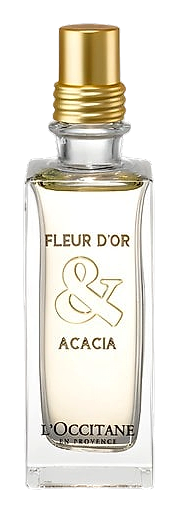
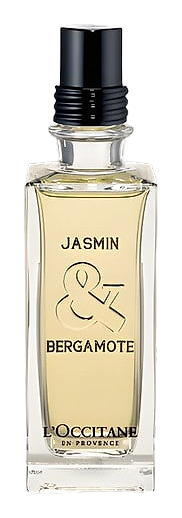
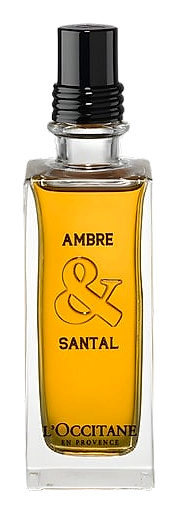
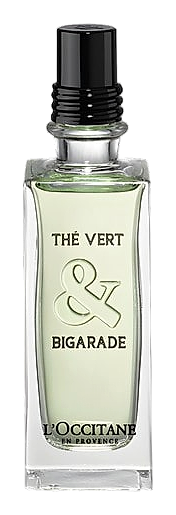
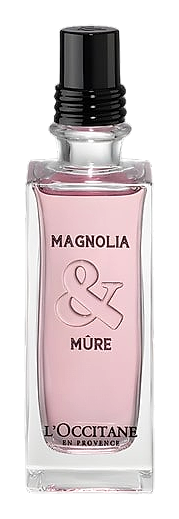

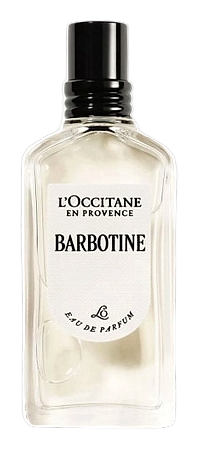
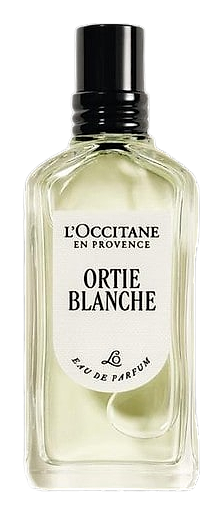
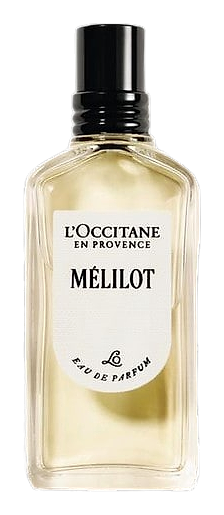
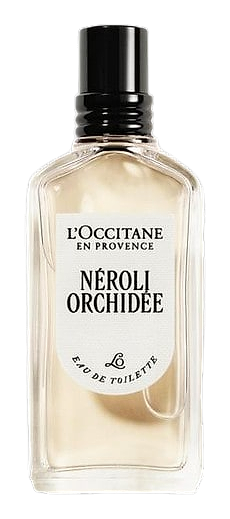
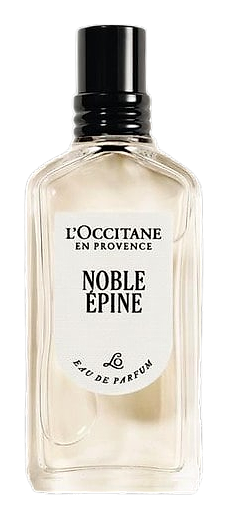
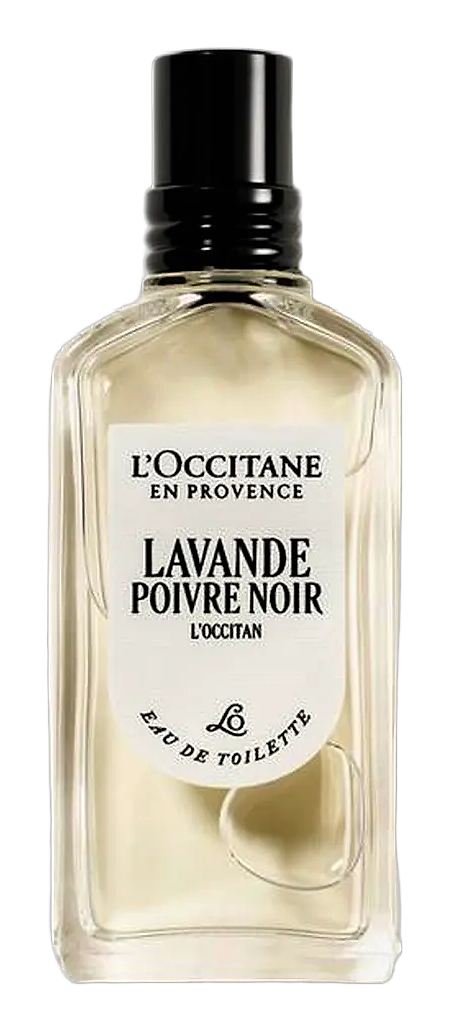
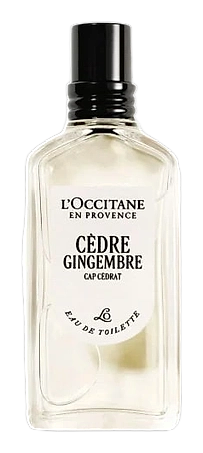
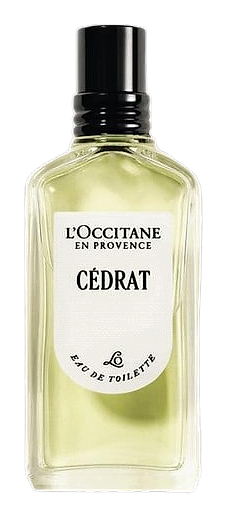
The Heritage
The Story of L'Occitane en Provence
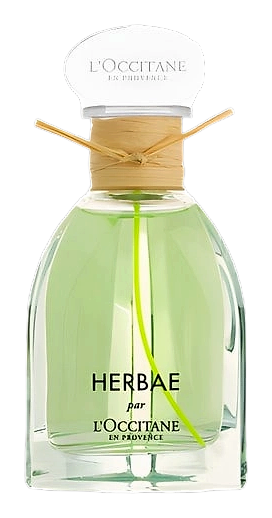
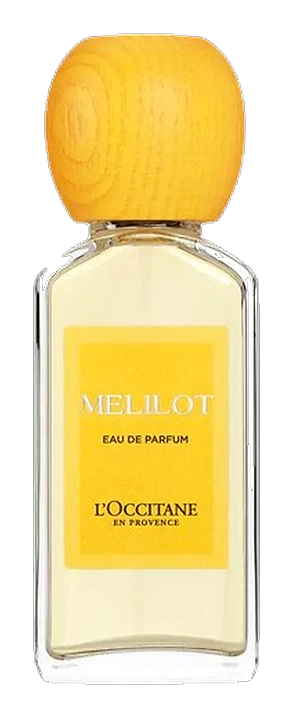
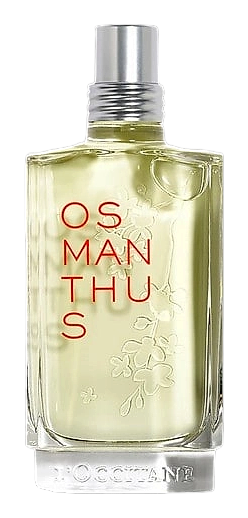
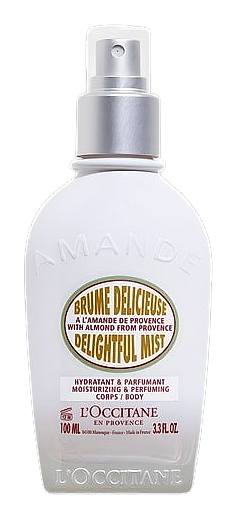
L'Occitane en Provence is a French fragrance house rooted in the botanical traditions of southern France. Founded in 1976, the brand translates the scents of wild rosemary, lavender and almond into perfumes, body mists and skincare that feel like a walk through a Provençal market. Today the company ships its scented creations to more than 90 countries, yet each bottle still carries the imprint of the hills, stone houses and sun‑baked fields where the first essential oils were distilled. The line balances classic floral and warm amber notes with a modern sensibility for natural ingredients, offering a quiet alternative to the louder, synthetically driven offerings that dominate many shelves.
Heritage
The story begins in 1976 when a 23‑year‑old chemist named Olivier Baussan set up a modest stall in the markets of Manosque, Provence. Armed with an alembic still and a small truck, he harvested wild rosemary and lavender, distilling them into essential oils that quickly earned a reputation for purity. By 1981 Baussan opened the first dedicated manufacturing site – a Maison that allowed the fledgling company to control every step from harvest to bottling. Throughout the 1980s the brand expanded its product range beyond oils, introducing natural soaps and later, fragrance‑focused lines that echoed the Provençal landscape. The 1990s saw the opening of the first stores outside France, beginning a global rollout that would eventually reach Asia, the Americas and the Middle East. In 2010 L'Occitane listed on the Hong Kong Stock Exchange, a move that provided capital for further international growth while preserving its French identity. The company marked its 30th anniversary in 2006 with a renewed focus on sustainable sourcing, partnering with local growers to protect biodiversity in the regions that supply its raw materials. A decade later, the brand launched a multi‑year sustainability plan that includes carbon‑neutral manufacturing, refillable packaging and community projects in Provence. In 2026 L'Occitane celebrated 50 years of operation, a milestone highlighted by retrospectives that traced its evolution from a single market stall to a worldwide fragrance and skincare label, all while maintaining the same respect for the land that inspired its founder.
Craftsmanship
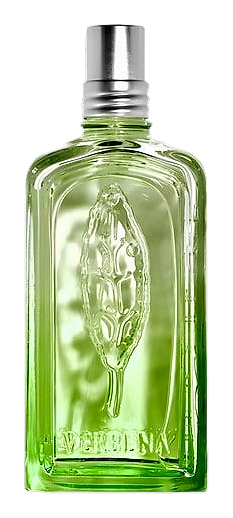
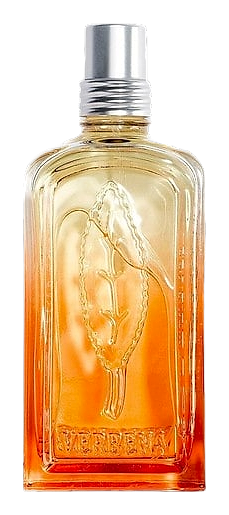
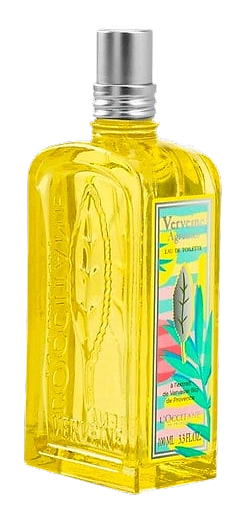
Production at L'Occitane begins with field work in the hills of Provence, where growers harvest rosemary, lavender, almond and other botanicals according to seasonal calendars. The company still employs traditional alembic distillation for many of its essential oils, a technique that preserves the delicate aromatic compounds while limiting heat exposure. Once extracted, the oils travel to the Maison in Manosque, where quality analysts test each batch for purity, concentration and scent profile before it moves to the blending stage. Perfume creation involves a small team of external perfumers who receive detailed briefs about the intended mood, ingredient provenance and target audience. They work in a controlled studio, layering natural extracts with carefully measured synthetic notes only when they are needed to stabilize the composition or extend its longevity. After a fragrance is finalized, it is poured into bottles that feature an emblematic silhouette inspired by the arches of traditional Provencal architecture, a design first highlighted on the brand’s Instagram feed. Each bottle is sealed with a cork or screw cap that is recyclable, and the packaging uses recycled paper and soy‑based inks. The final products undergo a series of stability tests, including temperature cycling and light exposure, to ensure that the scent remains true from the first spray to the last. Throughout the process, L'Occitane maintains a traceability system that records the origin of each ingredient, allowing the company to verify that its sourcing meets both ecological and social standards.
Design Language
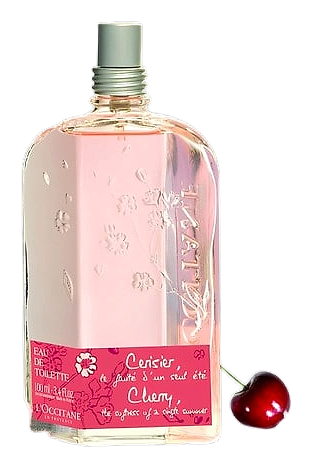
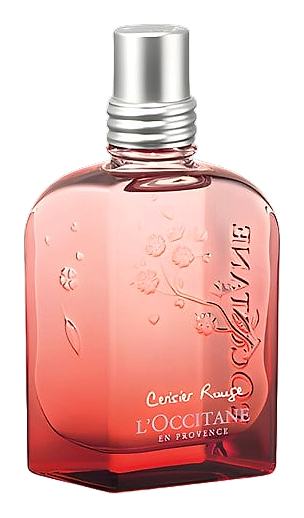
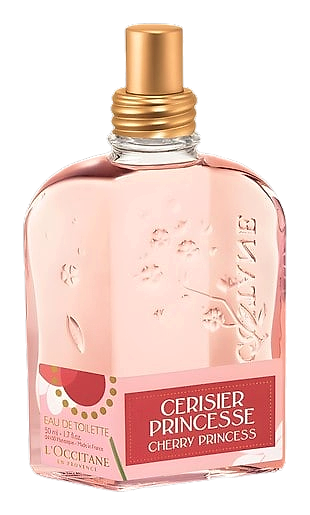
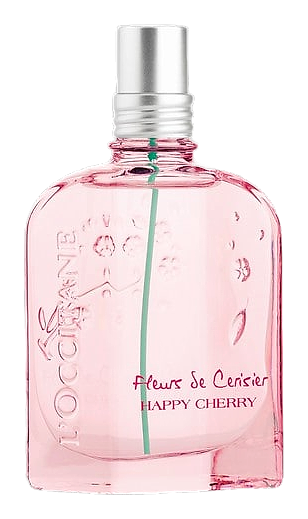
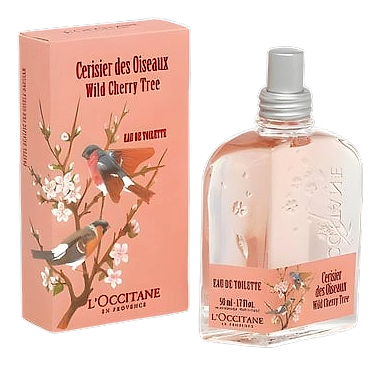
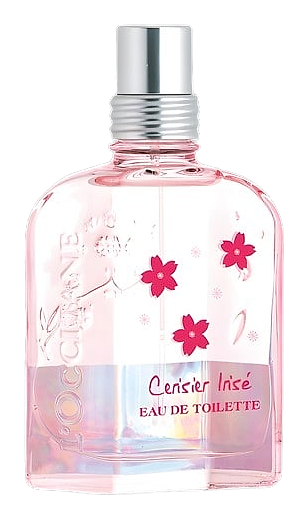
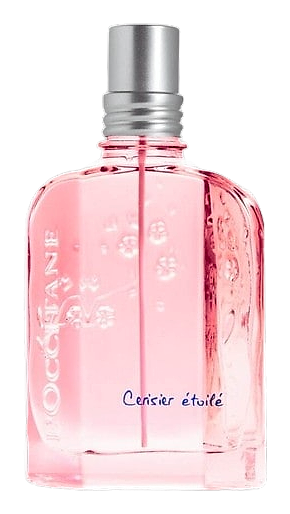
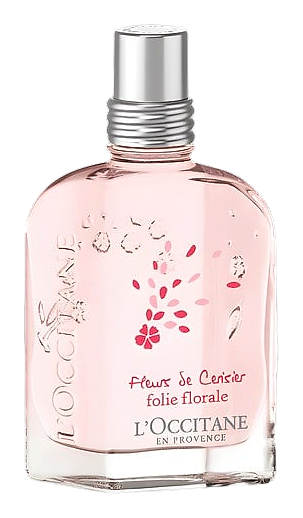
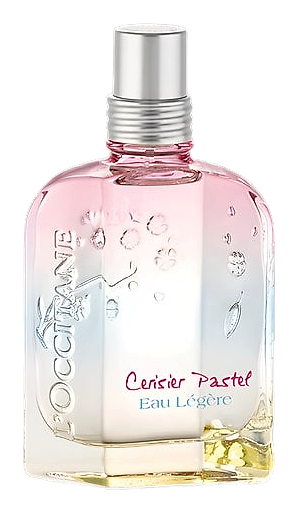
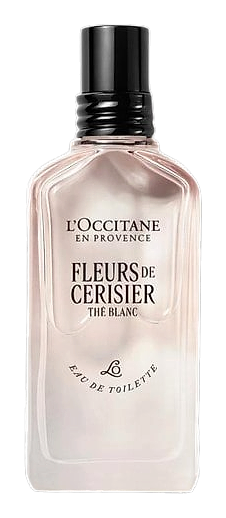
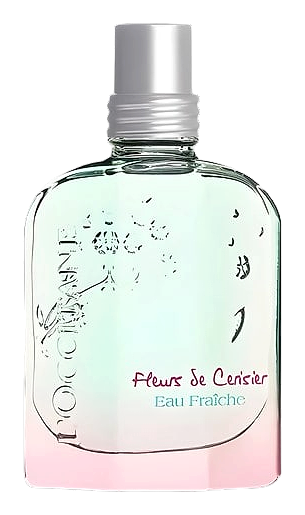
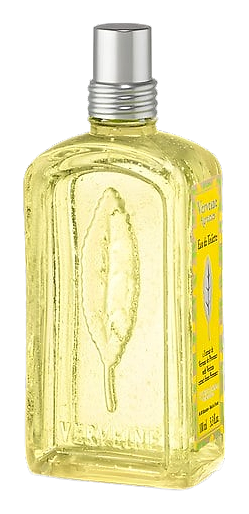
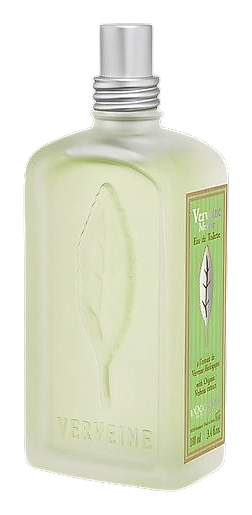
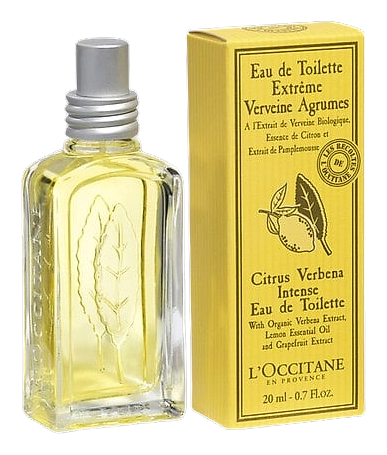
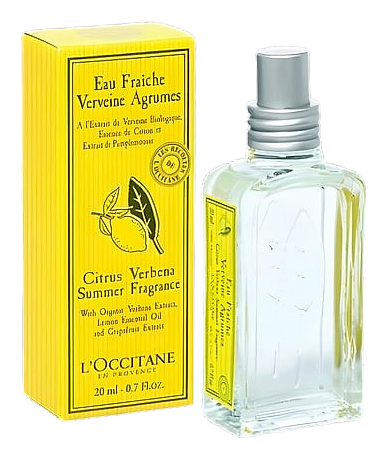
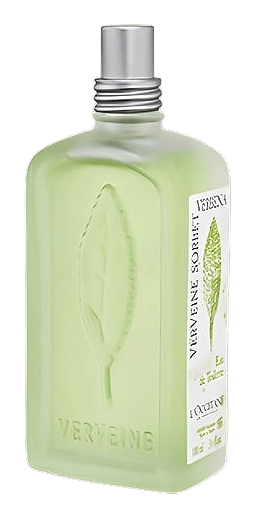
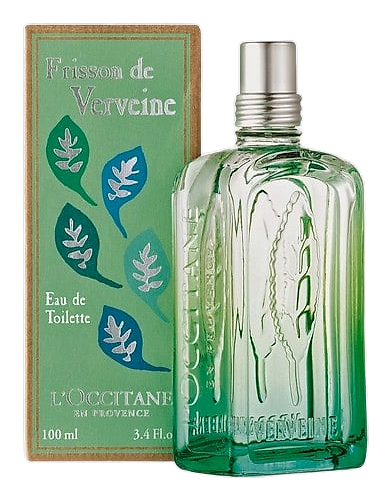
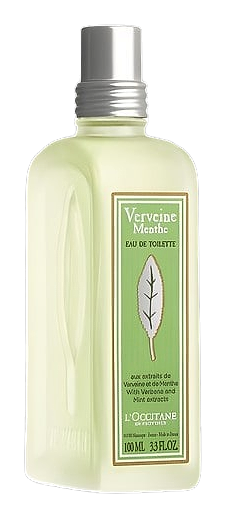
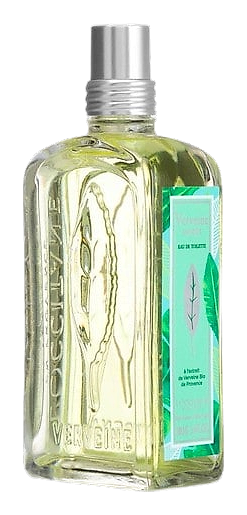
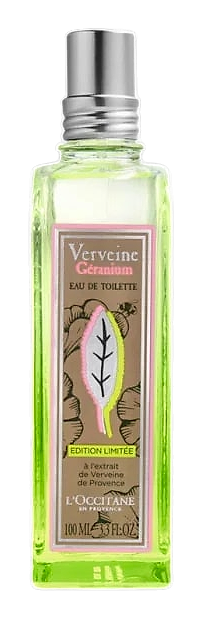
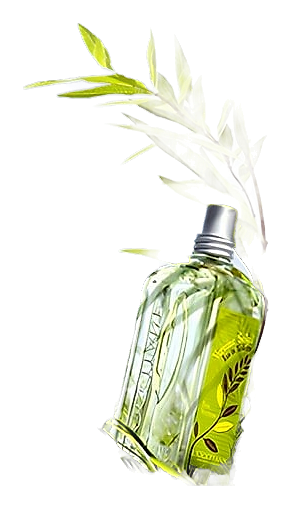
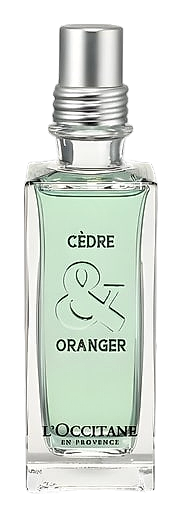
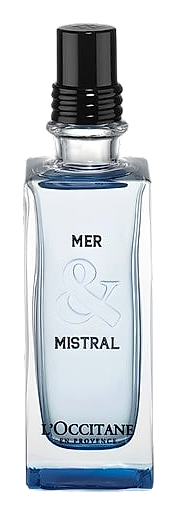
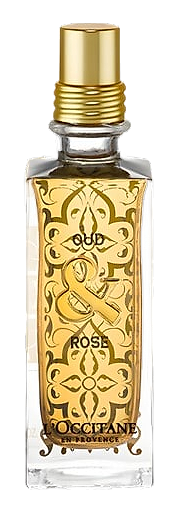
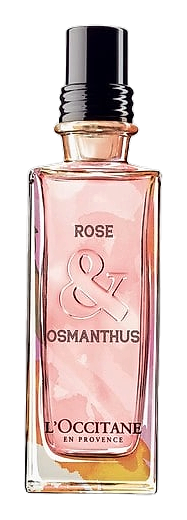
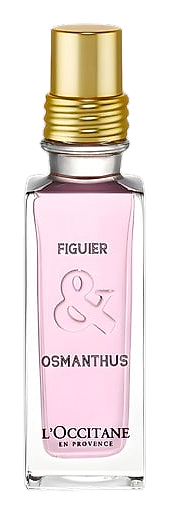
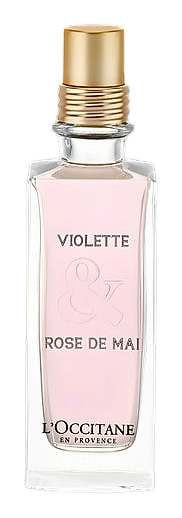
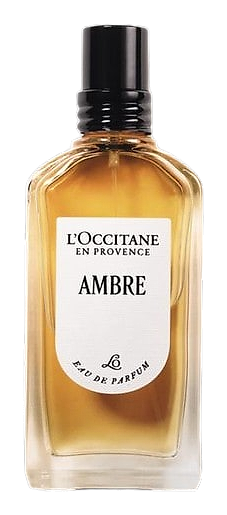
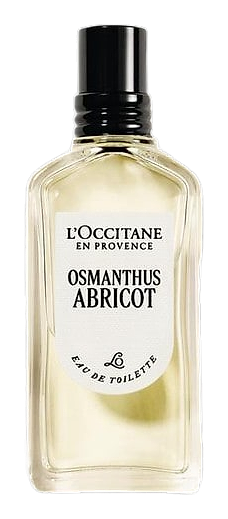
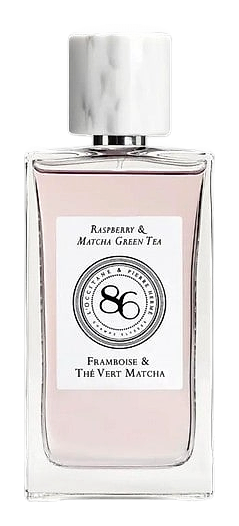
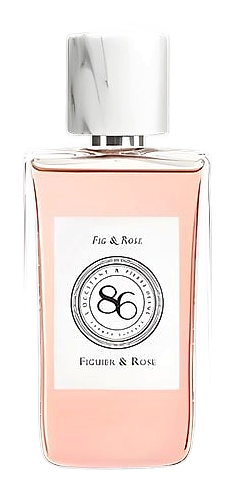
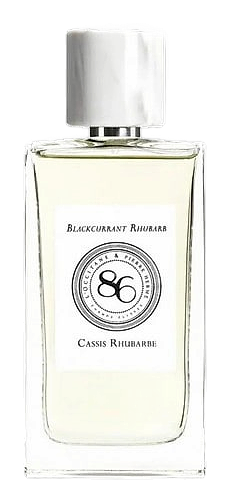
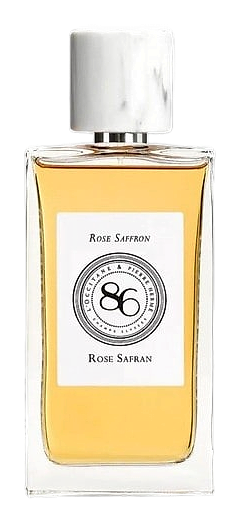
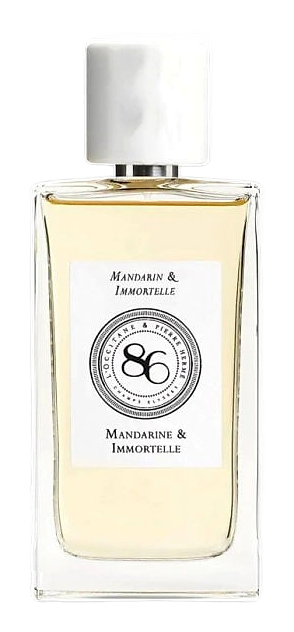
Visually, L'Occitane draws on the soft, sun‑worn palette of the Provençal countryside. Store interiors feature warm stone walls, wooden shelving and bundles of dried herbs that echo the brand’s market origins. The bottle architecture, first described on the company’s Instagram channel, mirrors the graceful curve of a traditional arched doorway, giving each fragrance a sense of place before it is even opened. Labels employ a clean serif typeface paired with hand‑drawn illustrations of the key botanical ingredient, whether it is a sprig of lavender or an almond blossom. Color choices are muted – pastel pinks for rose‑based scents, amber tones for warm oriental compositions, and crisp greens for fresh citrus offerings. Packaging materials are deliberately simple: recycled cardboard boxes, soy‑based inks and biodegradable inserts. The overall image balances heritage with contemporary minimalism, presenting a product that feels both timeless and relevant to modern consumers who appreciate understated elegance.
Philosophy
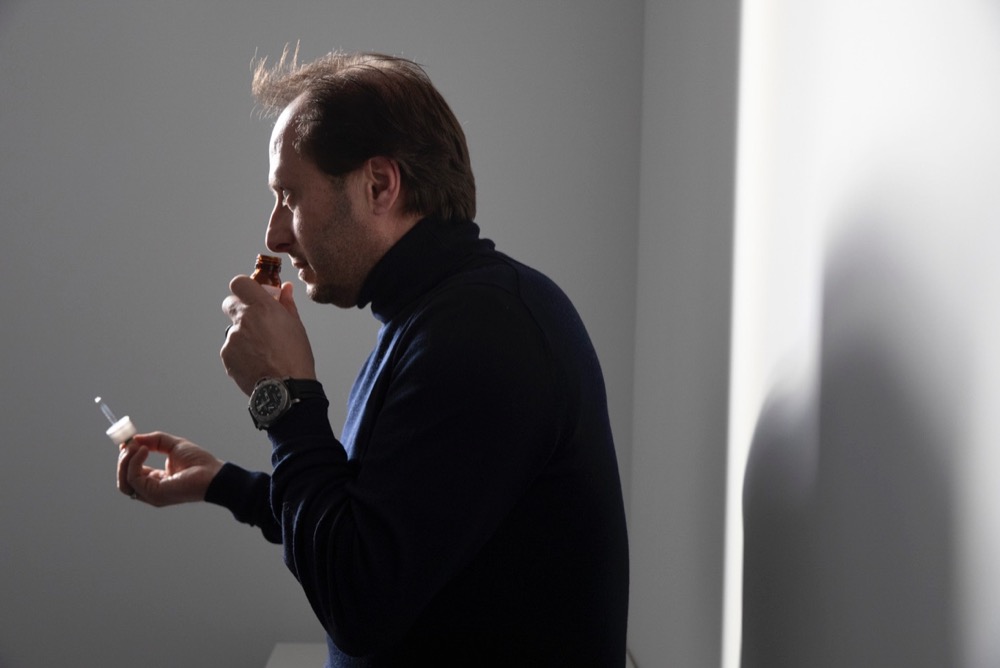
L'Occitane frames its creative vision around the idea of multisensorial well‑being rooted in Provençal heritage. The brand treats scent as a bridge between memory and place, choosing ingredients that evoke the lavender fields, almond trees and sun‑warmed stone walls of southern France. Its values emphasize respect for nature, transparency in sourcing and a commitment to the communities that cultivate its raw materials. Rather than chasing fleeting trends, the house works with perfumers who share an appreciation for botanical authenticity, allowing each fragrance to tell a quiet story of a specific season or locale. Sustainability is woven into the creative process: ingredients are harvested at peak ripeness, often from farms that practice organic or low‑impact methods, and the resulting extracts are blended with minimal synthetic additives. The brand also supports social initiatives, funding education and biodiversity projects in the Provençal region. This philosophy translates into products that aim to nurture the wearer’s senses while honoring the environment that supplies the scent palette.
Key Milestones
1976
Olivier Baussan founded L'Occitane en Provence in Manosque, launching a stall that sold essential oils made from wild rosemary and lavender.
1981
The brand opened its first dedicated manufacturing site, a Maison that centralized production of oils, soaps and early fragrance blends.
1990
L'Occitane expanded beyond France, opening its first international boutique and beginning a global retail network.
2010
The company listed on the Hong Kong Stock Exchange, providing capital for further expansion while retaining its French headquarters.
2020
L'Occitane announced a multi‑year sustainability plan focused on carbon‑neutral manufacturing, refillable packaging and biodiversity projects in Provence.
2026
The brand celebrated its 50th anniversary, highlighting five decades of growth from a market stall to a worldwide fragrance and skincare label.
At a Glance
Brand profile snapshot
Origin
France
Founded
1976
Heritage
50
Years active
Collection
9
Fragrances released
Avg Rating
4.3
Community sentiment
Release Rhythm


